
Best Boots for Pugs Made Simple: A Clear Buying Guide for 2026
Disclosure: We may earn a commission when you buy through links on this page, at no extra cost to you. As an Amazon Associate I earn from qualifying purchases. Learn more

Learn how to choose the best boots for pugs, with sizing, fit, traction and comfort tips to protect small paws on hot, cold and rough ground.
Buying paw boots for the first time can feel confusing, because a pug has small paws, short legs, and a low tolerance for heat. The best boots for pugs protect those paws from rough or hot ground while letting your dog walk with a natural stride. This guide starts with the basics, then moves to sizing and fit, and you can use the comparison table below to check your short list.
You do not need the thickest or most expensive set. You need boots that match your usual surfaces, stay on without rubbing, and come off easily after the walk.


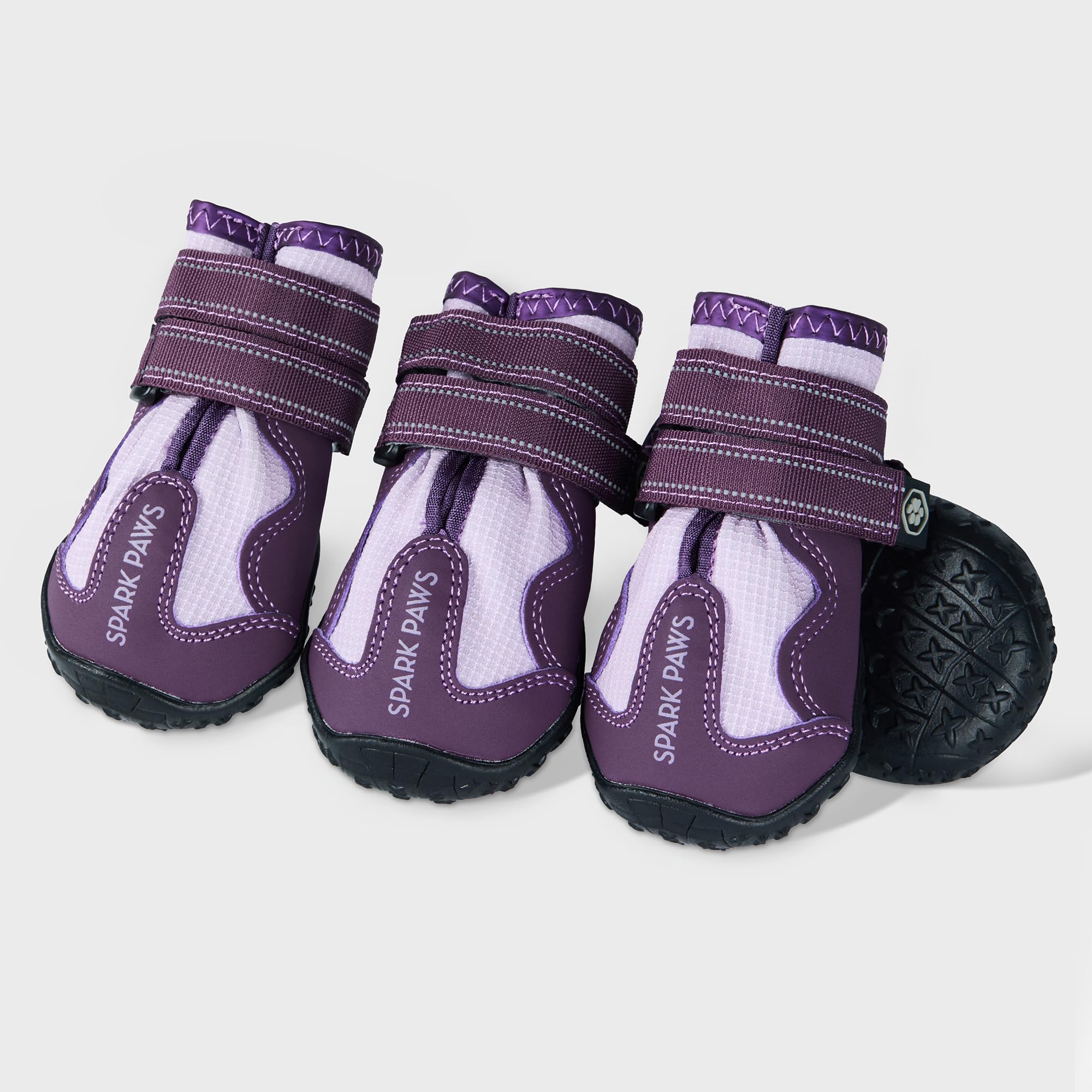
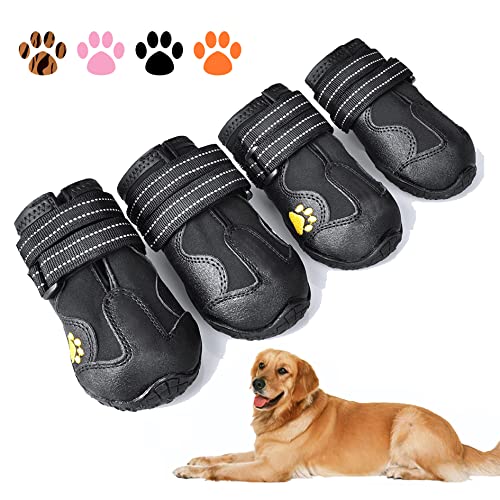

Boots 101: What Pug Dog Boots Actually Do
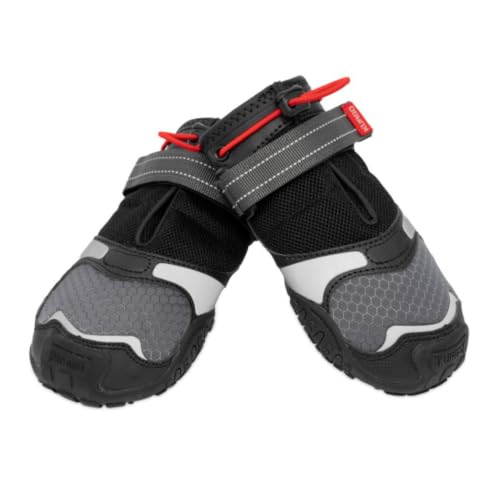
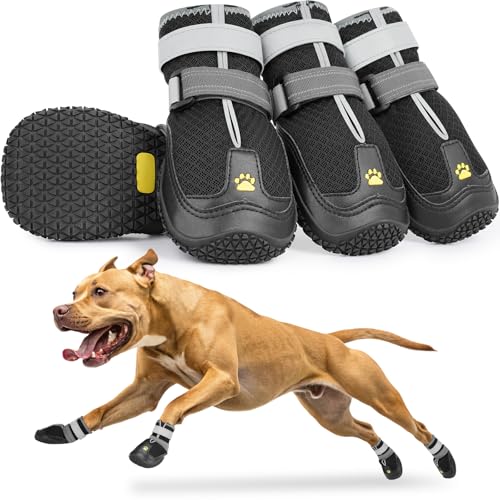
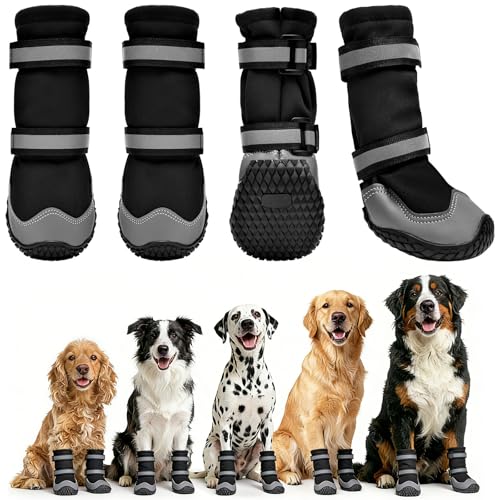
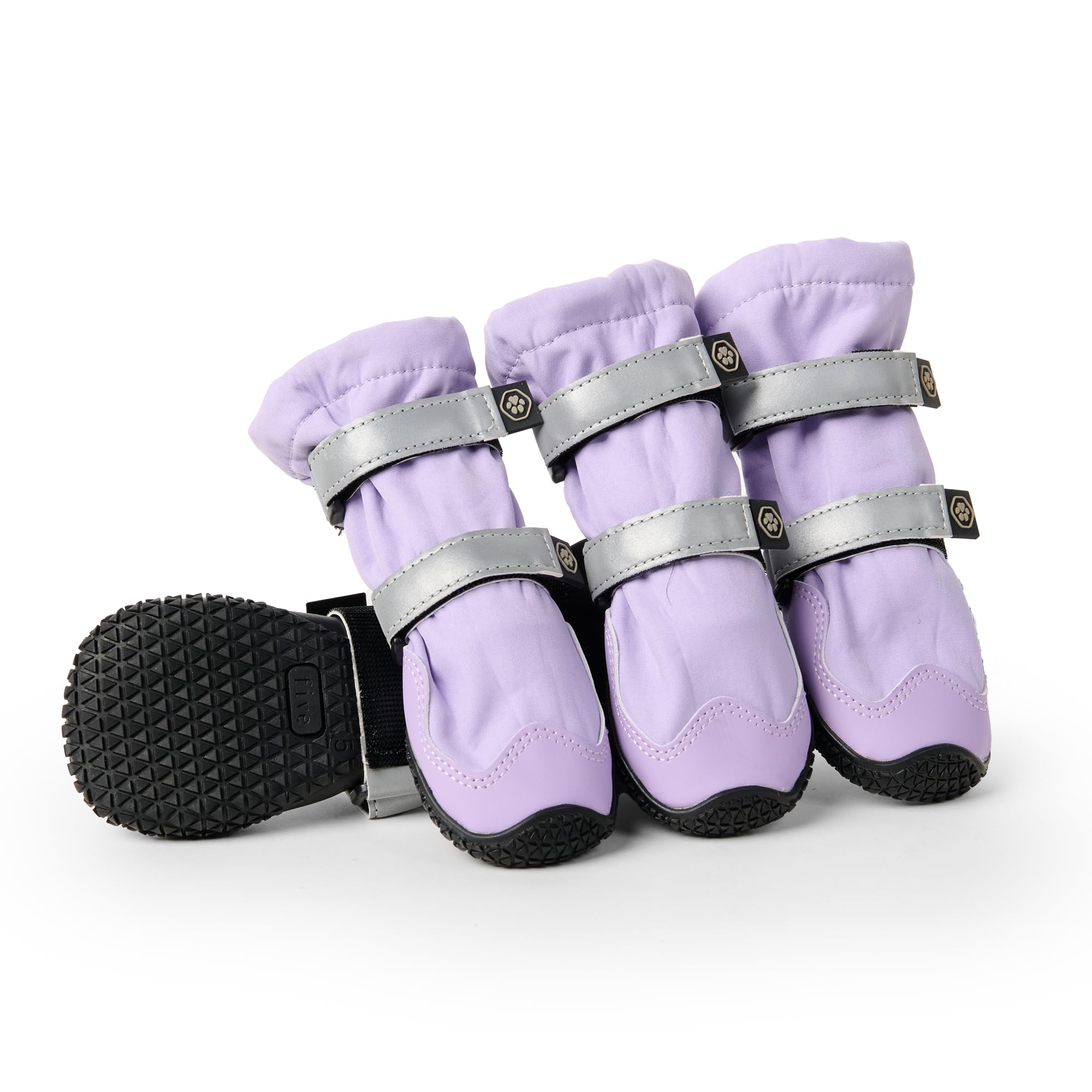
A dog boot is a soft cover that slips over the paw and fastens around the lower leg. It puts a thin layer between the paw pads and the ground, which helps on hot pavement, icy paths, road salt, gravel, and slick floors. The sole should bend easily and let your pug feel the surface underfoot.
Most sets come in fours. If you want a broader view of styles for this breed, see our guide to the best dog boots for pugs before you narrow down sizes.
Who Should Buy Boots for a Pug?
Not every pug needs boots on every walk. The dogs below benefit most, because the ground or their paws make bare feet a poor choice.
Pugs Who Walk on Hot or Cold Pavements
Summer sidewalks can burn paw pads quickly, and a pug cannot tell you the surface is too hot until damage is done. Press the back of your hand to the pavement for seven seconds, and if it feels uncomfortably hot, choose boots or walk on grass. In winter, ice and deicing salt can sting and dry the pads, so a covering set earns its place on short outings too.
Pugs With Sensitive Paws or Minor Paw Irritation
Some pugs lick their paws after walks on treated lawns, dusty trails, or freshly cleaned floors. Boots reduce contact with those surfaces and can keep a minor scrape clean while it settles. Stop and see a veterinarian promptly if you notice bleeding, swelling, a strong odor, limping that does not ease, or a cut between the toes, and talk with your veterinarian about personal needs before using boots over any wound.
Senior Pugs and Pugs Who Slip on Smooth Floors
Older pugs often struggle on tile, wood, and laminate floors. A boot with a grippy sole gives each step more hold, which can make moving between rooms feel steadier. Choose a light and flexible set for indoor use, because heavy outdoor boots can tire short legs and change your dog gait in ways that cause new slips.
Key Features to Compare in Boots for Pugs
When you compare the best boots for pugs options side by side, work through the six points below in order. Fit comes first, because even a well made boot fails if it twists or slides off.
Paw Sizing and Shape for Small Pug Feet
Pug paws are compact and fairly round, so a long narrow boot made for lean breeds often twists on them. Measure each paw width while your pug stands with full weight on it, because a resting paw looks smaller than a loaded one. Match that width to the maker size chart rather than guessing from body weight. A boot that is too tight limits toe spread, while a loose boot rotates and rubs.
Closures That Stay on Short Pug Legs
Short legs leave little room above the paw, so the fastening matters as much as the fabric. Adjustable straps that wrap fully around the leg and close with hook and loop panels are easiest to fine tune for a stocky pug ankle, and two straps hold better than one on most dogs. The closure should feel snug without pressing into the skin, and you should still be able to slide one fingertip under it.
Flexible Soles and Traction for Pug Paws
The sole, often called the outsole, is the part that meets the ground. For pugs, a thin and flexible sole beats a stiff thick one, because your dog needs to feel the surface to place each foot with confidence. Look for a textured tread with shallow lugs for sidewalks and light gravel, and a softer rubber feel for indoor floors.
Breathability and Warmth for a Heat Sensitive Breed
Pugs overheat more easily than most breeds, so warm boots need careful thought. Mesh uppers suit summer pavement protection, because air can move around the paw and the set dries fast. For snow and freezing wind, an insulated and water resistant set keeps pads warmer, and our guide to the best winter boots for pugs covers cold weather choices in more depth. Limit boot time in heat and rest in shade often.
Soft Materials and Protection From Rubbing
Seams, stiff edges, and rough linings are the usual cause of sore spots on small paws. Feel inside each boot before the first walk: the lining should feel smooth, with no hard ridge over the toes or around the top edge. Soft padding at the opening helps on a pug leg. Check the skin after every early outing, especially around any dewclaw, because early redness is easy to miss under fur.
Ease of Putting Boots on a Pug
A boot that takes five minutes per paw will soon stay in the drawer. Wide openings that hold their shape let you guide the paw in without forcing the toes, and clear front and back markings save guesswork. Many pugs accept boots faster when each fitting ends with a treat and a short fun walk.
How to Measure and Fit Boots for a Pug
Start on a hard floor with your pug standing, not sitting, because weight changes the paw shape. Place paper under one front paw, mark the widest points on each side, then measure between the marks. Repeat for a back paw, since back paws are often slightly narrower.
Fit one boot first, fasten it, and watch your pug walk across the room. The boot should stay straight, and your dog should place the foot flat rather than lifting it high with every step. Between short practice sessions, let your pug rest in a calm space, and see our guide to the best crates for pugs if you are also setting up a rest area at home.
Common Mistakes to Avoid
- Guessing the size from body weight instead of measuring each paw, which often leads to boots that twist or fall off mid walk.
- Tightening straps as hard as possible to stop slipping, which can press on the leg and make your pug refuse the next walk.
- Starting with a long walk in new boots, which gives sore spots time to form before you notice any limping.
- Leaving boots on indoors for hours after a walk, which traps warmth and moisture around the paws.
- Choosing heavy stiff soles for everyday sidewalks, which can change a pug stride and tire short legs quickly.
Care and Maintenance for Pug Dog Boots
Shake out grit after every walk, because a single small stone inside a boot can bruise a pad on the next outing. Most fabric boots can be hand washed in cool water with mild soap, then air dried away from direct heat so soles and straps keep their shape. Check tread and seams each week, and replace a boot when the sole feels smooth.
Frequently Asked Questions
What features matter most in boots for a pug with small round paws?
Accurate paw width, a round toe shape, and two adjustable straps matter most for small round pug paws. Those three points decide whether the boot stays straight on a short leg. After fit, match the sole to your usual route. One extra check helps: watch from behind, because a boot that slowly turns outward rarely shows from the front view.
How long is the break in period for pug dog boots?
Most pugs settle into dog boots within three to seven short practice sessions. The boot itself needs little softening if it fits well; the real adjustment is your dog learning that the odd feeling on each paw is normal. Keep early sessions on familiar ground and end before your pug starts pawing at the straps. A dog still fighting the boots after a week usually has a sizing problem.
How should pug dog boots fit on each paw?
Pug dog boots should sit flat on the pad, with the toes close to the front and no folding at the sides. The boot should stay aligned as your pug turns, stands, and sits, because a boot that only fits while standing will shift in motion. Try a gentle tug at the heel: it should resist without sliding. If red marks appear after ten minutes, that boot is too tight.
Do pugs need waterproof boots for rain and snow?
Pugs need waterproof boots only when walks involve standing water, slush, or road salt that would soak a fabric set. For light rain on a short route, a water resistant upper is usually enough and feels less stiff. One point many owners miss: dry the paws fully after the walk, including between the toes, because damp skin held inside a boot can become sore over time.
Can a pug wear dog boots all day?
No, a pug should not wear dog boots all day. Boots are for walks, slick floors during active periods, and short supervised outings, not for resting or sleeping. Paws need open air time to stay dry and healthy, and a heat sensitive pug also needs regular breaks to cool down. If your dog needs grip help at home for longer stretches, ask your veterinarian about toe grips or paw wax.
Our Verdict
For most first time buyers, the winning formula is simple: measure both front and back paws, pick a light flexible boot with two straps, and build up wear time slowly. Match breathability to the season and check the skin after early walks. Chosen that way, the best boots for pugs become a calm part of your routine, so check the product table above and pick the set that fits your usual route.


