
Best Boots for Working on Concrete Floors All Day: Types Compared 2026
Disclosure: We may earn a commission when you buy through links on this page, at no extra cost to you. As an Amazon Associate I earn from qualifying purchases. Learn more

Best boots for working on concrete floors all day, compared by type, with cushioning, support, traction and toe protection advice for long shifts.
Not every boot suits every concrete job. The best boots for working on concrete floors all day depend on whether you walk miles of aisles, stand in one bay, kneel and climb, or work around water. This guide compares the main boot types by how they behave on a hard slab, so you can match the type to your day before you look at brands or prices.
Each type has a clear strength and a clear weakness. The sections below explain both, then cover fit, traction and care that apply to every type. The product table above lists boots from several of these groups.
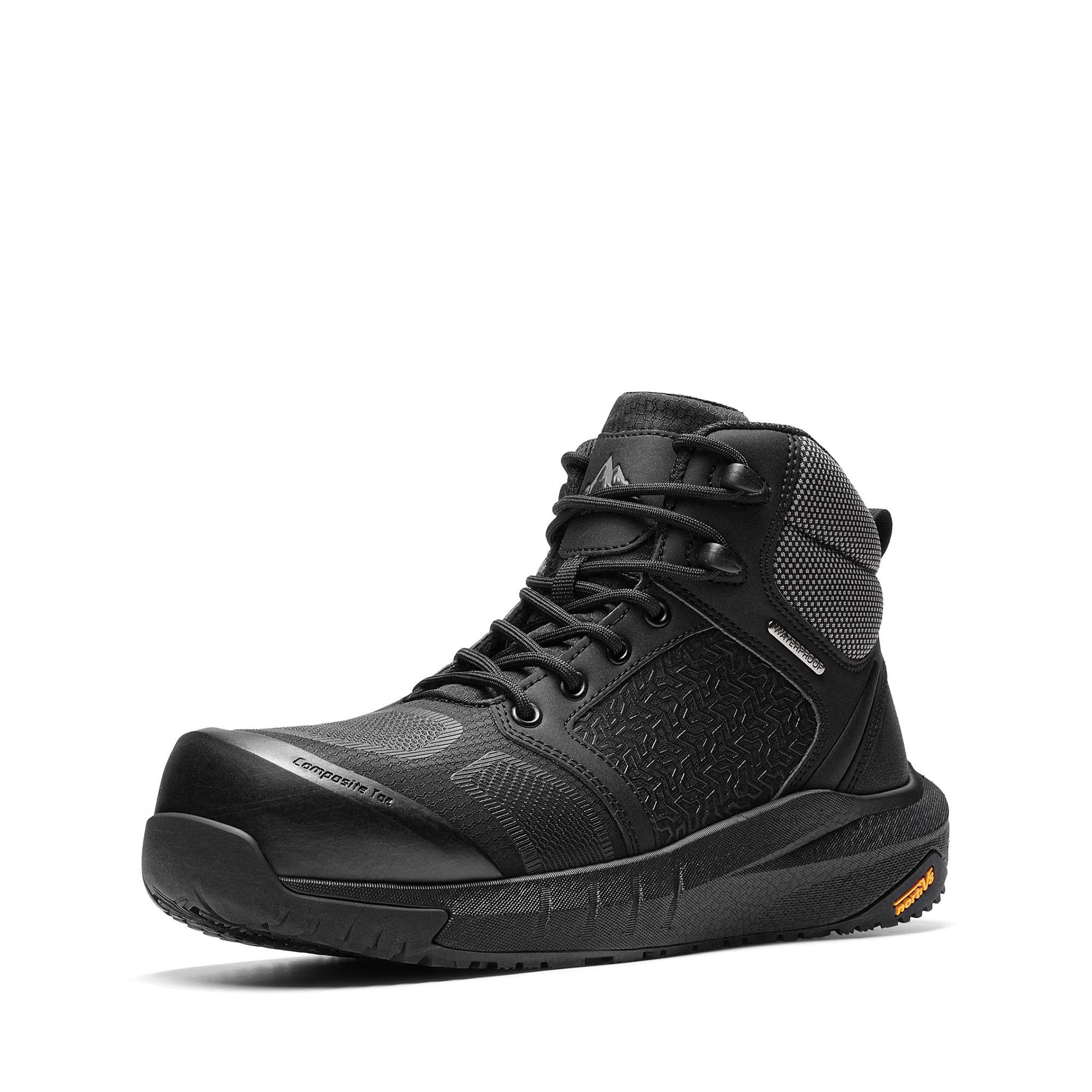


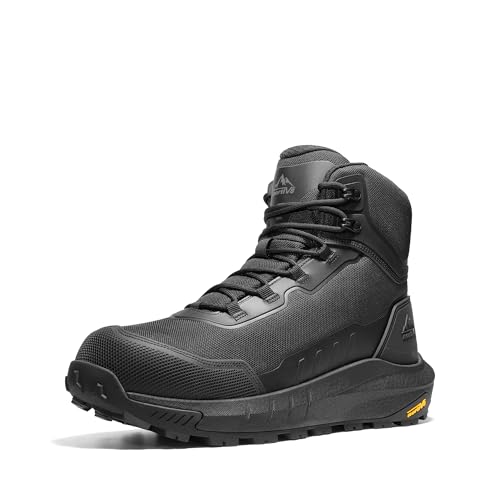

Best Boots for Working on Concrete Floors All Day: Four Types
The four groups below cover most concrete jobs. Each one is described by what it does well and what it gives up.
Lightweight Athletic Style Work Boots
These borrow ideas from running shoes: a soft foam midsole, a mesh or knit upper and a light weight. They suit people who walk a lot, such as order pickers and delivery staff. They are easy on the legs but give less protection from impacts and spills, and the foam can pack down faster under a heavier load.
Classic Leather Work Boots
Full grain leather boots with a stitched or bonded sole are the traditional choice. They hold their shape, resist abrasion and can be resoled. They are heavier and need a break in period. They suit workers who stand, kneel and climb, and who need long service from one pair.
Safety Toe Boots
Steel, alloy or composite toe caps protect against impact and compression. Composite toes are lighter and do not conduct cold. Steel toes are slimmer and strong. Check any rating your employer requires. Many safety toe boots now use cushioned insoles, so the old trade off between protection and comfort is smaller than it was.
Slip On and Pull On Styles
Chelsea and Wellington styles are quick to put on and take off, which suits crews that change footwear often. They give less lacing adjustment, so fit at the heel and instep matters more. Many have elastic panels and a pull strap.
What All Four Types Need
Cushioning That Lasts
Look for dense midsole foam that resists packing down, plus a replaceable insole. On concrete, cushioning slowly wears out, so plan on replacing insoles once or twice a year.
Support Under the Arch
A shaped footbed and a firm shank keep the arch from collapsing. This matters most if you stand still for long periods.
Traction on Sealed Floors
Look for a soft rubber outsole with many fine edges. Deep lugs suit mud but reduce contact on smooth concrete. A worn smooth outsole is a fall risk even if the upper looks fine.
Fit at the End of the Shift
Try boots on late in the day, with the socks you wear at work. Leave a thumb width at the toe. If the forefoot feels tight and the heel loose, try a wide size rather than a longer one.
Choosing a Type by Job
- Pickers and packers who walk all shift: lightweight athletic style or a light safety toe.
- Mechanics and fabricators who kneel and climb: classic leather with a firm heel.
- Food and dock workers on wet floors: slip resistant slip on styles with water resistant uppers.
- Mixed jobs that need protection: safety toe boots with a cushioned midsole.
Mistakes That Cost Comfort
These errors show up again and again when people shop for boots for working on concrete floors all day.
- Buying boots in the morning, when feet are smaller.
- Choosing deep lugs for polished floors.
- Ignoring site safety toe rules until the pair arrives.
- Keeping a flat insole until the pain returns.
- Wearing one pair every day without a rest day.
Care and Maintenance
Pull the insoles out and let boots dry at room temperature after each shift. Brush off dust, which works into stitching and tread edges. Condition leather when it looks dry. Check the tread monthly, and retire boots when the outsole is smooth at the heel or ball.
Matching Boot Weight to Your Walking Distance
Weight matters most if you cover long distances. A boot that is a few ounces lighter saves thousands of pounds of lifting over a shift. A person who mostly stands can accept a heavier, more supportive boot. If you do both, choose a mid weight boot with a firm heel and a flexible forefoot, and add a cushioned insole.
When you compare weights, remember that listed weights are often for a single boot in one size. A safety toe adds weight, so compare like with like.
Heat, Cold and Moisture on a Slab
Concrete stays cold in winter and holds damp. A thick midsole and a wool blend sock keep your feet from losing heat to the floor. In hot buildings, breathable uppers reduce sweat, which softens skin and causes blisters. Change socks during a long shift if your feet get damp.
If your work involves washdowns, look for a water resistant upper and a sole that drains. After wet days, dry the boots fully before the next shift, since damp foam and leather wear out faster.
Frequently Asked Questions
Which type is most comfortable on concrete?
Comfort depends on the job. Lightweight styles feel easiest for walking, while cushioned leather or safety toe boots feel steadier for standing.
Are composite toes better than steel?
They are lighter and warmer. Steel is thinner. Both can meet the same ratings, so check the label.
Do I need waterproof boots on concrete?
Only for wet work or outdoor slabs. For dry indoor floors, breathable boots keep feet cooler.
How often should I replace work boots?
When the midsole feels hard or the tread is smooth, often after six to twelve months of daily wear.
Final Thoughts
Choose the type that matches your movement, then check cushioning, support, traction and fit. Use the product table to compare options within that type. For a closely related guide, see our best boots for working on concrete all day. The best boots for working on concrete floors all day are the ones that stay supportive and grippy long after the first week.


