
Best Boots for Women with Wide Feet of 2026: Complete Buying Guide
Disclosure: We may earn a commission when you buy through links on this page, at no extra cost to you. As an Amazon Associate I earn from qualifying purchases. Learn more

Learn how to choose wide boots for women that fit well, support long days, and stay comfortable in wet or dry weather, with fit, size, and material guidance.
Finding boots that feel good from the first step can be hard when standard widths pinch across the toes or squeeze the sides of the foot. The best boots for women with wide feet give the forefoot room to spread, keep the heel steady, and still offer the support needed for walking, work, or outdoor days. This guide explains how to judge width, fit, materials, and comfort, and the comparison table below can help you compare the main choices side by side.
Width is not only about comfort. When a boot is too narrow, pressure can build across the ball of the foot, toes can rub, and the foot may slide forward on slopes. A well chosen wide boot spreads that pressure, keeps circulation comfortable, and lets you walk farther without hot spots. The sections below focus on women's sizing, toe box shape, and the small fit details that make the biggest difference.
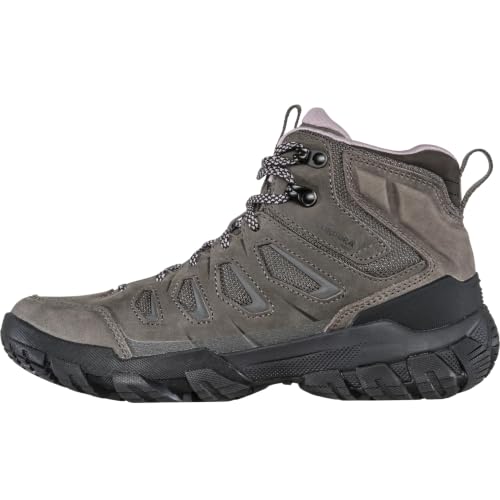


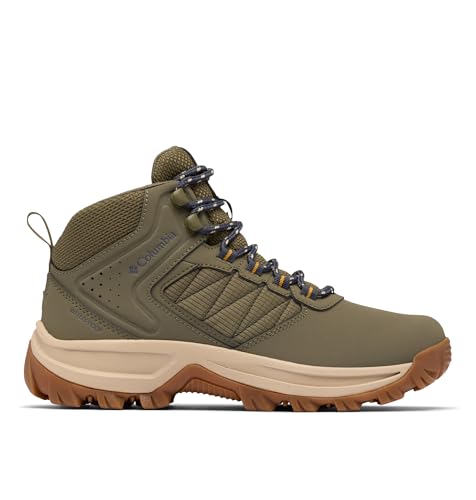

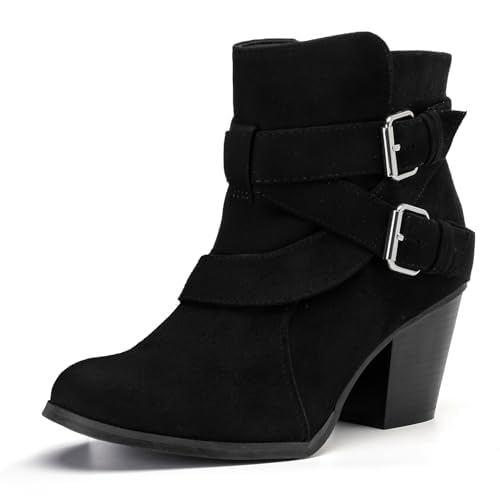
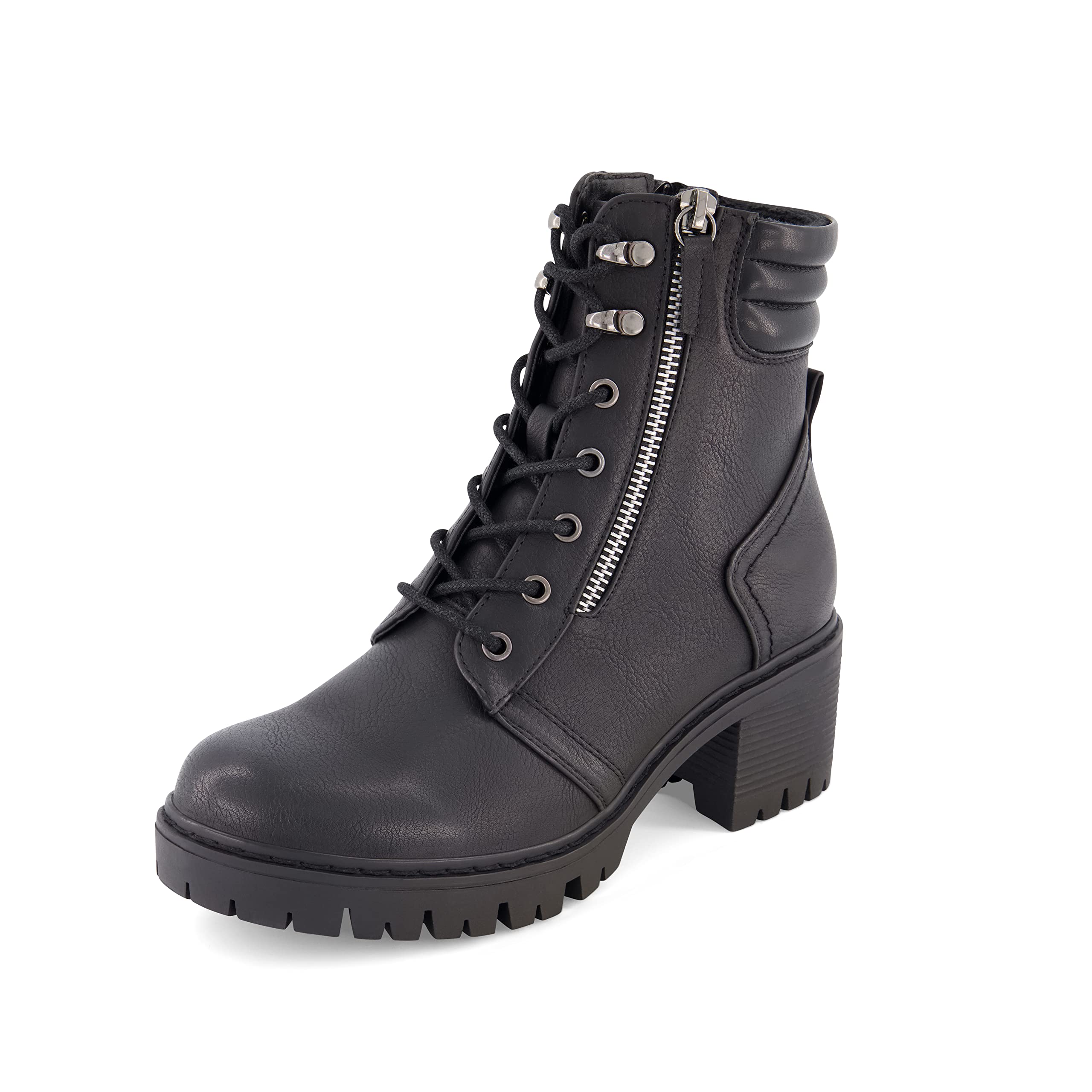
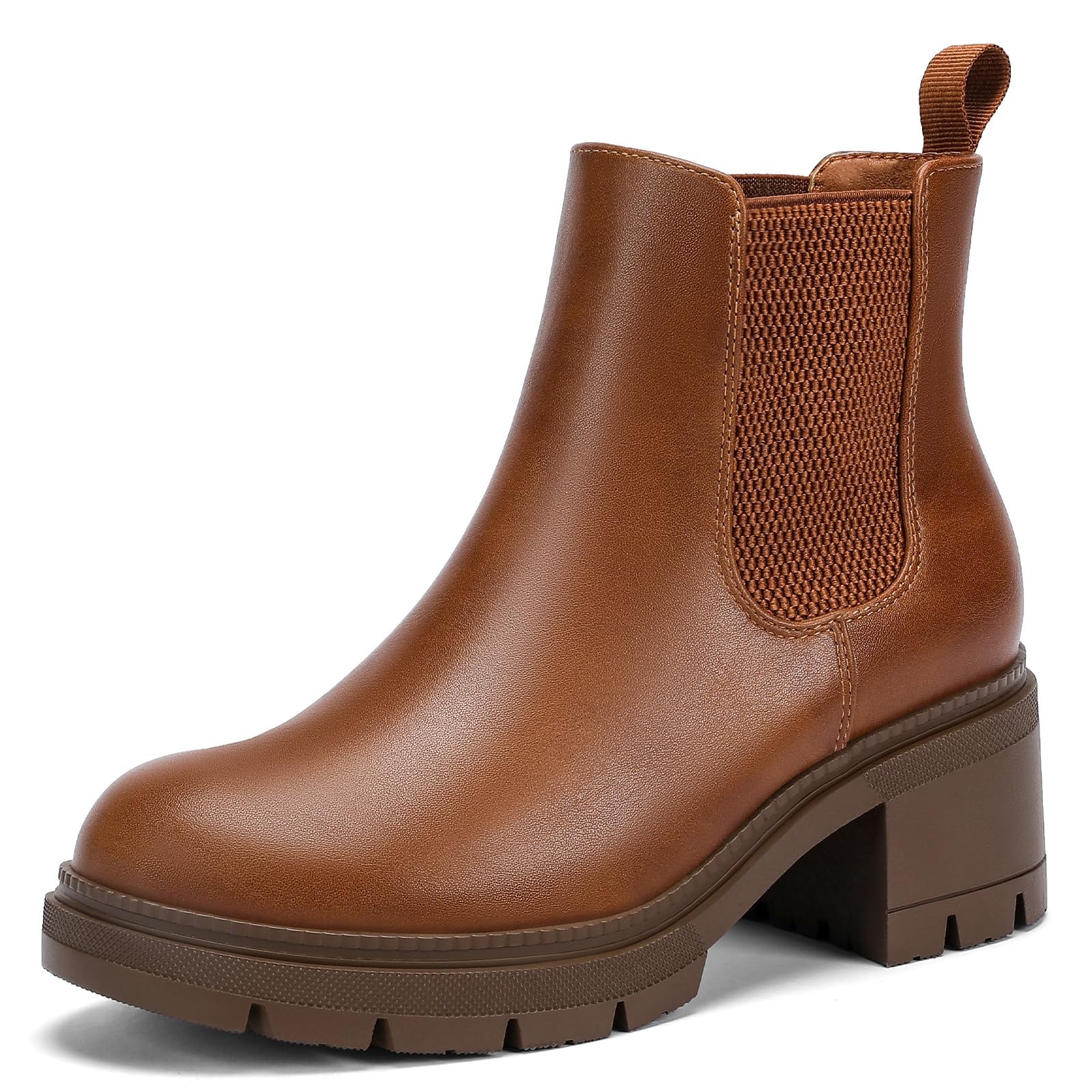
Who Should Choose Wide Boots for Women?
Wide boots suit more people than the label suggests. Some women have a naturally wider forefoot, while others need extra room because of swelling, thick socks, or inserts. The groups below can help you see whether width should be your first priority.
Women With a Wider Forefoot
If the widest part of your foot often feels tight while the heel fits well, a wide width may solve the problem better than a larger length. Look for a toe box that is wide and rounded rather than pointed, and check that the boot does not press on the little toe or the base of the big toe. A boot that fits the heel but pinches the forefoot is usually the wrong width, not the wrong size.
Women Who Stand or Walk All Day
Feet tend to spread slightly during a long day, so a boot that feels snug in the morning can feel tight by afternoon. For all day wear, choose a roomy toe box, cushioning that does not flatten quickly, and a stable sole that keeps the foot from rolling inward. If you spend most of the day on hard floors, look for shock absorbing midsoles and a heel that stays planted when you step.
Women Who Need Room for Socks or Inserts
Thick hiking socks, thermal socks, or custom inserts all take up space inside a boot. A wide fit leaves room for that extra layer without making the boot feel loose around the ankle. Try boots with the socks and inserts you plan to wear, and lace them fully before you judge the fit. If the laces pull the sides together with no gap left, the boot may be too narrow for that setup.
Key Features to Compare
The features below matter more than color or styling when you shop for wide boots. Compare them in order, starting with fit, then support, then weather protection.
Fit, Sizing, and Toe Box
Measure both feet in the afternoon, when feet are usually at their largest, and use the larger foot as your guide. Stand while you measure, since sitting can hide how much the foot spreads under weight. A good toe box lets you wiggle your toes without the sides pressing in, and it should not force the toes into a narrow point. For a related fit question, see our guide to best boots for wide feet when you want to compare width labels across styles.
Width Sizing and Labels
Wide sizing varies by maker, so do not assume that every wide label feels the same. Some wide boots add room only across the forefoot, while others widen the whole footbed. Check the product details for width notes, and read the size chart for length and width measurements when they are given. If you are between widths, the wider option is often safer when you plan to wear thick socks.
Arch Support and Cushioning
Arch support should match the shape of your foot rather than forcing it into one arch height. Low arches often feel better with steady, structured support, while high arches may prefer softer cushioning that fills the space under the midfoot. Cushioning should feel even from heel to toe, with no hard ridge under the ball of the foot. Removable insoles are useful because they let you swap in a pair that suits your arch.
Waterproofing and Breathability
Waterproof membranes keep rain and puddles out, but they also trap more warmth inside the boot. For wet weather, a membrane boot with sealed seams is a sensible choice, while breathable leather or mesh may feel better for dry, warm days. If you need winter coverage as well, see our guide to best winter boots for women with wide feet for insulation and traction points that matter in snow. For everyday wet weather, balance waterproofing with ventilation so feet do not overheat.
Weight and Flexibility
Heavier boots often feel more protective, but they can tire your legs on long walks. Lighter boots feel easier to lift with each step, yet they may offer less ankle support on uneven ground. Bend the boot gently at the forefoot to check flexibility. A boot that bends near the toes, rather than in the middle, usually walks more naturally and causes less strain on the foot.
Break In Period and Comfort Out of the Box
Some boots feel comfortable right away, while stiffer leather boots may need several short wears to soften. Start with short walks around the house, then build up to longer outings before a full day trip. Mild stiffness in the ankle area is normal at first, but sharp pressure on the toes or the sides of the foot usually means the fit is wrong. Do not rely on break in time to fix a boot that pinches.
Types of Boots to Consider
Boot types differ in height, sole, and purpose. The right type depends on where you will wear the boots most often.
Stability and Support Boots
Stability boots use a firmer midsole and a structured heel to keep the foot aligned. They suit women who notice their feet rolling inward or who want extra steadiness on uneven paths. The trade off is a slightly firmer feel, so try them with your usual socks before deciding.
Waterproof Boots
Waterproof boots protect against rain, mud, and shallow puddles. They work well for garden paths, wet trails, and winter streets, especially when paired with a grippy outsole. Keep in mind that fully waterproof boots can feel warmer, so they may not be the best choice for hot summer walks.
Lightweight Boots for Daily Wear
Lightweight boots use softer materials and thinner soles to reduce fatigue. They suit daily errands, travel, and light trail use, and they often feel closer to a walking shoe. If you also walk long distances in warmer weather, see our guide to best walking shoes for women with wide feet for a lighter alternative to compare. For boots, check that light weight does not come at the cost of heel stability.
Sturdy Work Style Boots
Work style boots offer stronger toe protection, thicker soles, and more ankle coverage. They suit yard work, workshop tasks, and rough ground, where a softer boot might wear out quickly. Look for a sole with deep tread and a heel that grips on wet surfaces, and make sure the ankle collar does not rub during long shifts.
Common Mistakes to Avoid
- Buying a longer size to fix a width problem, which can leave the heel slipping while the toes still feel squeezed.
- Judging fit while sitting down, which hides how much the foot spreads under body weight.
- Choosing a pointed toe box for style, which can press the toes together even in a wide size.
- Skipping the sock test, so boots that fit with thin socks feel tight with the socks you actually wear.
- Ignoring heel slip, which can cause blisters even when the forefoot feels roomy.
- Assuming every wide label is the same, when makers vary in how much room they add.
Care and Maintenance Tips
Good care keeps wide boots comfortable for longer. Air dry wet boots away from direct heat, since heat can stiffen leather and warp soles. Clean mud from the outsole after muddy walks so tread stays effective, and rotate two pairs for daily wear when possible so cushioning can recover between uses.
Lace boots evenly from the toes upward to prevent heel slip, and replace worn insoles when cushioning feels flat. The product table above can help you compare care friendly materials, such as leather that can be conditioned and mesh that dries quickly.
Frequently Asked Questions
What makes boots for women different from unisex boots?
Boots made for women often use a narrower heel, a different arch placement, and sizing based on women's foot shapes. These details can improve heel hold and reduce slipping for women whose heels are narrower than their forefoot. The difference is not only about size numbers, since the last shape, which is the foot form used to build the boot, also changes. Try both women's and unisex styles if you are unsure, and judge by heel hold and toe room rather than the label alone.
Can women wear wide boots all day without discomfort?
Yes, many women can wear wide boots all day when the fit, cushioning, and weight suit their routine. The key is a toe box that does not squeeze, a heel that stays in place, and cushioning that still feels supportive after several hours. Take short breaks to sit and stretch when you can, and change socks if feet become damp. If pain, numbness, or red marks appear regularly, the fit or support may need a change, and a foot care professional can help you check the cause.
How should wide boots fit around the toes?
Wide boots should leave a small space in front of the longest toe, about a thumb width, while the toes still feel free to move side to side. The widest part of the foot should sit in the widest part of the boot, not pushed forward into a narrower section. When you walk, the toes should not hit the front of the boot on downhill steps. If the toes feel crowded even though the length looks right, try a wider width before a longer length.
How often should women replace wide boots?
Most boots need replacement when the outsole tread is worn smooth, the cushioning feels flat, or the upper no longer holds the foot steady. For daily wear, that point often arrives after many months of regular use, while occasional wear can last much longer. Running style shoes are often replaced every 300 to 500 miles, but boots follow wear signs rather than a strict mileage rule. Check the heel, the midsole, and the toe box each season for cracks, compression, or uneven wear.
Are expensive wide boots worth the extra cost?
Expensive boots can be worth the cost when they offer better materials, more consistent sizing, and cushioning that lasts longer. Cheaper boots may still work well for light, occasional use, especially if the fit is right. The best value is the boot that fits well and matches your main use, not simply the highest price. Compare the product table above by fit, support, and weather protection, and spend more only when those features clearly improve your daily comfort.
Final Thoughts
Start with width and toe box shape, then check heel hold, support, and weather protection for your main use. A boot that fits well in the store with your usual socks is more likely to stay comfortable on long days. For warm weather days when boots feel too heavy, see our guide to best sandals for women with wide feet and our guide to best running shoes for women with wide feet for lighter options. The best boots for women with wide feet are the pair that give your toes room, keep your heel steady, and match the ground you walk on most, so use the product table above to narrow your shortlist before you buy.


