Best Boots for Women with Big Calves for 2026: What Your Money Really Gets You at Every Price
Disclosure: We may earn a commission when you buy through links on this page, at no extra cost to you. As an Amazon Associate I earn from qualifying purchases. Learn more

Compare the best boots for women with big calves by price tier, calf fit, shaft width and closures, with a simple measuring checklist to use before you buy.
Prices for boots that truly fit a fuller calf run from under $100 to well past $300, and the price tag alone tells you little about fit. The best boots for women with big calves share one trait standard shafts lack, which is enough room at the widest point of your leg without a loose, sloppy foot. This guide shows where extra money buys more calf room, better closures and longer wear, and where it only buys styling.
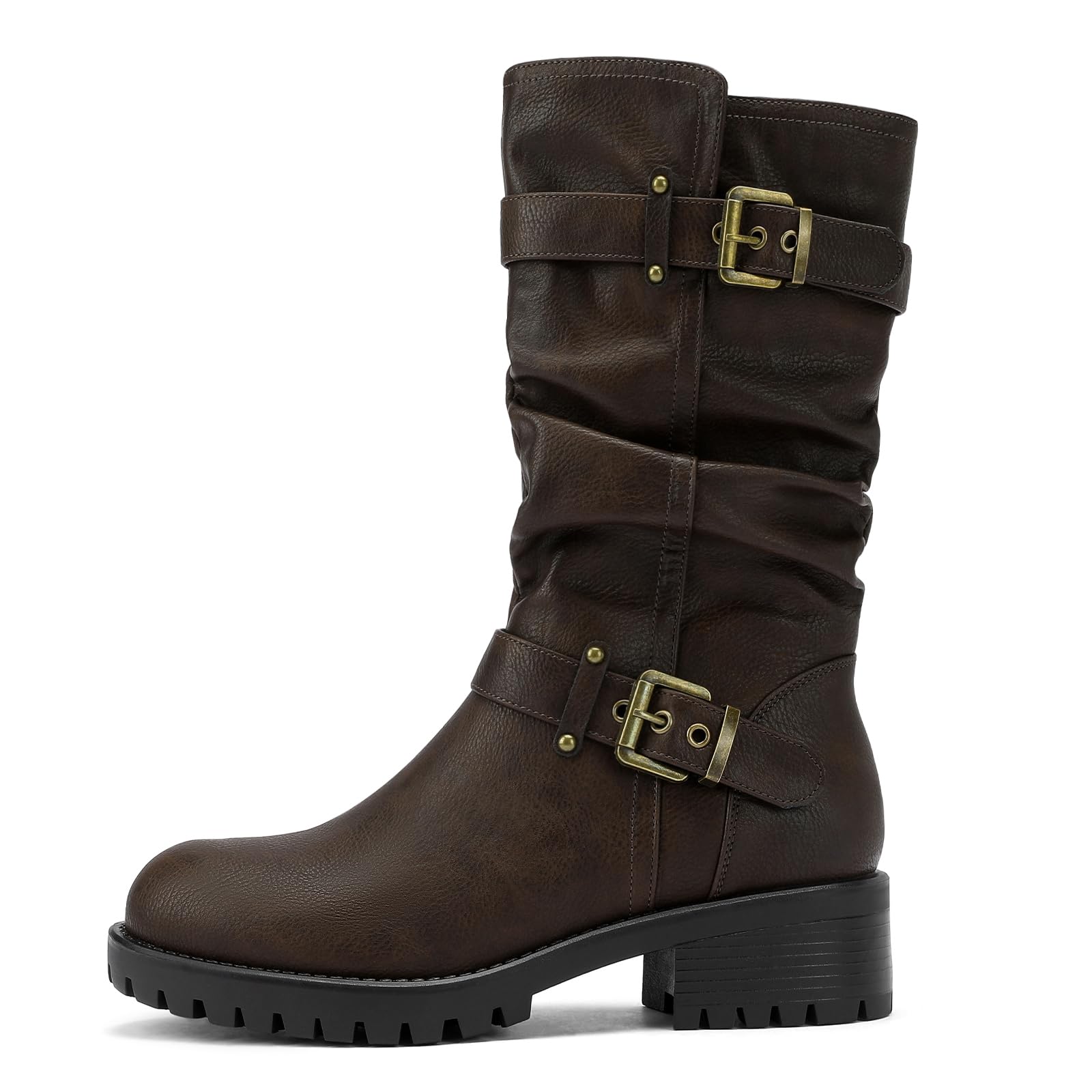
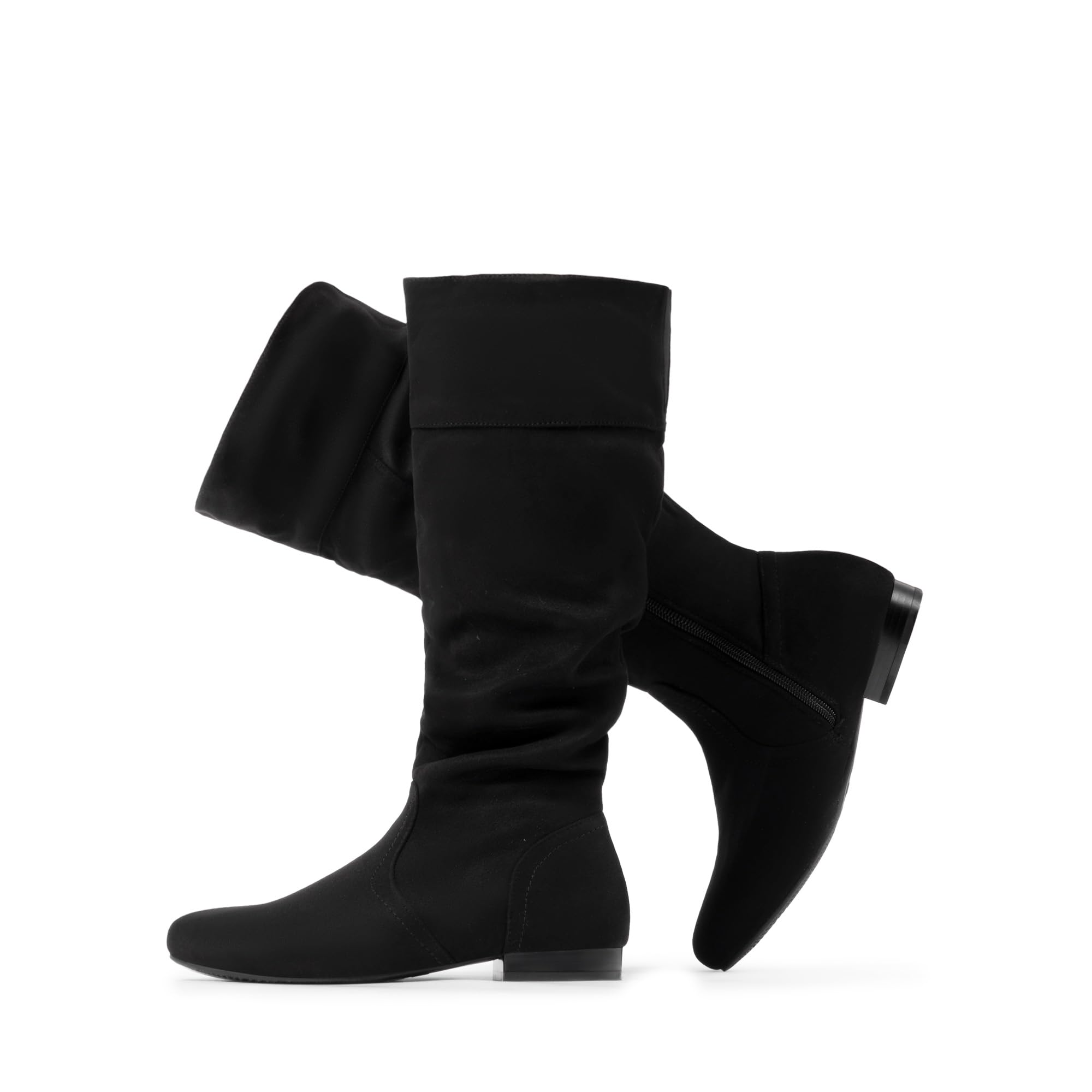
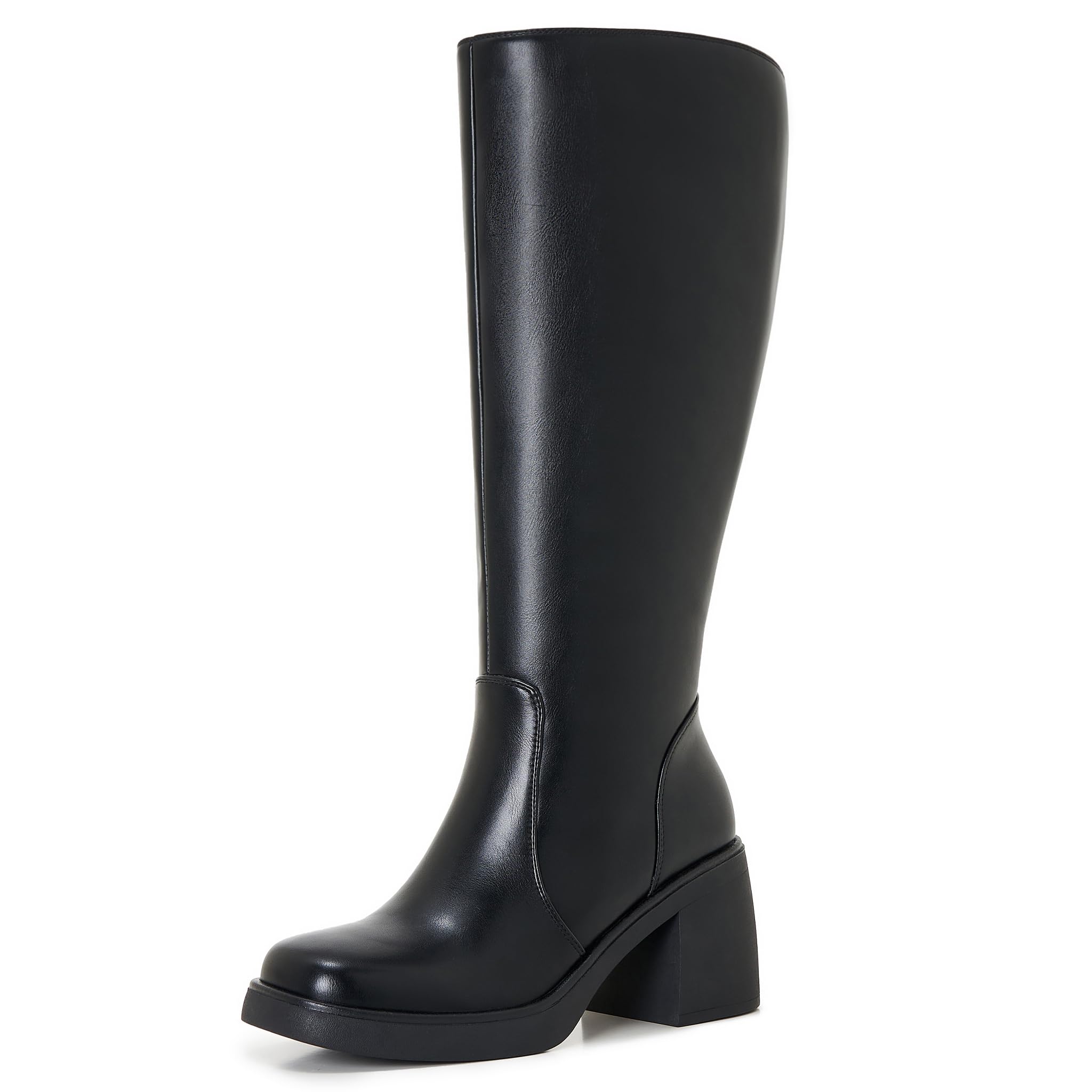
Start with your calf measurement, then use the tiers and feature checks below to narrow your shortlist. The comparison table below pulls the current options together so you can match shaft width, height and price at once.





Who Should Buy Boots Made for Fuller Calves?
Women Whose Calves Strain or Split Standard Shafts
If regular knee high boots stop halfway up your leg, zip only over bare skin, or leave deep marks after an hour, your calf is wider than the standard shaft pattern most brands cut. You need a shaft graded for a larger circumference, not a bigger shoe size, because foot length and calf width grow on different scales. A wide calf range gives you that room in your correct foot size, so the boot closes smoothly and stays up without tugging.
Women Who Want Dress Boots That Stay Comfortable All Day
You may want a polished boot for work or evenings, yet comfort decides whether you actually wear it. Fuller calves press harder against stiff dress shafts, so look for a softer lining, a modest heel and a closure that gives a little as your legs swell slightly through the day. A shaft that flexes at the ankle also helps, because a rigid tube around the calf makes every step feel like a small workout by late afternoon.
Women Shopping for Weather, Western and Outdoor Styles
Rain, snow and trail boots often run narrower than fashion boots, and thick socks steal even more room. If you ride, work outdoors or walk a dog through winter, choose a style built with extra shaft room rather than forcing layers into a standard fit. Western fans can start with our guide to the best cowgirl boots for big calves, where the pull on shape and shaft flare suit fuller legs well.
Key Features to Compare
Calf Circumference and Shaft Width
Shaft width is the number that decides fit, so treat it as the headline spec. Standard women shafts often measure about 14 to 15 inches around, wide calf versions about 16 to 17 inches, and extra wide versions 18 inches or more, though brands vary. Choose a shaft about half an inch to one inch larger than your calf so the boot closes over tights or jeans without strain.
Shaft Height and the Widest Point of Your Calf
Height matters because your calf peaks at one point, usually about 11 to 13 inches above the floor. A shaft that ends right at that peak will pinch and can push the boot down as you walk, while one that ends just below or rises clearly above it sits far more comfortably. Ankle boots sidestep the issue entirely. Mid calf styles need the most care, since their top edge lands close to the widest point for many women.
Zippers, Elastic Panels and Adjustable Closures
A full length zipper makes entry easy, but on its own it gives no adjustment once closed. Elastic gore panels add quiet stretch, often about an extra inch, and they forgive small changes in calf size through the day. Buckle straps and lace up fronts let you fine tune fit at several points. The best boots for women with big calves usually combine two of these, such as a zipper for entry plus elastic at the back.
Toe Box, Arch Support, Cushioning and Stability
Calf fit gets the attention, yet the foot still carries you. A roomy toe box lets your toes spread instead of cramping when a snug shaft pushes your foot forward. Cushioning under the heel softens long days on hard floors, and steady arch support matters more as heel height rises, because your weight shifts toward the front of the foot. If you use your own insoles, choose a boot with a removable footbed and test the fit with your usual socks. For stability, pick a lugged rubber outsole for wet ground and a block heel around one to two inches, since a higher heel tilts the leg and can make a shaft feel tighter at the back. Breathable linings help in mild weather, while insulated or Gore Tex lined styles suit cold, wet months.
What Each Price Tier Buys in Wide Calf Styles
Budget Tier, About $60 to $120: Roomy Shafts, Simple Build
At this level you can find genuine wide calf shafts, usually in synthetic materials with a basic lining and a simple zipper or elastic panel. Expect fewer calf size options and thinner footbeds. This tier suits occasional wear. Shoppers can also see our guide to the best boots for big calves for a wider view of shaft sizes.
Middle Tier, About $120 to $220: Better Fit Choices for Daily Wear
This is where fit improves fastest per dollar. Brands here more often offer two or three calf widths in the same foot size, use real leather or better synthetics, and add cushioned footbeds and sturdier zippers. Shaft shaping improves too, with a curve that follows the calf. For most women who wear boots several days a week, this tier balances comfort, looks and lifespan well.
Premium Tier, About $220 to $400: Lasting Materials and Refined Fit
Premium boots earn their price through full grain leather that molds to your leg, stronger hardware, resoleable construction on some styles and better moisture managing linings. Fit ranges widen too, sometimes with calf widths in half inch steps. The gain is longevity and a shaft that keeps its shape for years. This tier pays off for daily riders and anyone tired of replacing a cheap pair each season.
How to Measure Your Calves and Check the Fit
Sit with your foot flat and your knee bent, then wrap a soft tape around the widest part of your calf without pulling it tight. Measure both legs late in the day, when calves are fullest, and shop using the larger number. Note the height of that widest point too, since a shaft ending exactly there will rub. Measure over your planned clothing, because jeans and thick socks can add half an inch or more.
When a pair arrives, zip it up and walk on a hard floor for several minutes. The shaft should feel snug but never numb, and your heel should lift only slightly. Skiers face stricter shell sizing, so see our guide to the best ski boots for women with big calves before ordering that style. If you fall between shaft widths, choose the larger one and add an insole, because a foot can be filled but a calf cannot be compressed.
Common Mistakes to Avoid
- Buying a larger shoe size to gain calf room, which leaves the foot sliding and causes blisters.
- Measuring your calf first thing in the morning, which understates its size and leads to a shaft that will not close by evening.
- Choosing a shaft that ends right at the widest point of the calf, which makes the top edge dig in and the boot slip down.
- Ignoring closure type and trusting stretch alone, which can leave tall boots gaping or sagging after a few weeks of wear.
- Ordering waterproof winter boots in your summer shaft size, which leaves no room for the thick socks the season demands.
Care and Maintenance for Wide Calf Boots
Store tall boots upright with boot trees or rolled towels inside the shaft, because a wide calf shaft folds and creases when it flops over. Clean leather with a damp cloth, dry it away from direct heat, and condition it every few months so the panels stay supple. Check zippers and elastic panels each season, since these parts work hardest on fuller calves.
Boots for Fuller Calves: Your Questions Answered
What makes boots for women with fuller calves different from standard boots?
The shaft is cut and graded differently, not just the foot. Designers add circumference at the calf, reshape the back curve and often move the zipper or add elastic so the boot closes without strain. One point shoppers miss is the ankle, which stays closer to standard width on good designs, so the boot does not flap around your lower leg while the calf stays roomy.
Do women with big calves need waterproof boots?
Only your climate and routine decide that. Waterproof membranes keep rain and slush out, but they breathe less, so an indoor commute in a mild climate may feel warmer than expected. A useful middle path is water resistant leather with sealed seams for light rain, saving full waterproofing for snow or yard work. Treat standard leather with protector spray each season to hold off light splashes.
Are premium wide calf boots worth the extra cost?
They are worth it when you wear boots often enough for materials to matter. Cost per wear drops fast for a leather pair worn 100 days a year. Some premium styles can also be resoled for a second life, while glued budget soles usually end the boot once the tread wears smooth.
How should boots fit women with big calves at the calf and the foot?
The calf should feel evenly held with about a finger of ease at the top, while the foot feels secure without toe pressure. A quick test is climbing stairs, since a tight shaft pulls sharply as your leg bends. Also sit and cross your legs, because a boot that only works while standing will annoy you at a desk or in a car.
Our Verdict
Measure your calf at its fullest, match the shaft to that number with a little ease, and spend where it counts, on closures, materials and a supportive footbed. Most women land happily in the middle tier, while daily wearers gain real value from premium leather. Chosen that way, the best boots for women with big calves feel made for your legs, so compare your finalists in the product table above before you order.