
Best Boots for Big Calves: What Actually Matters Before You Buy in 2026
Disclosure: We may earn a commission when you buy through links on this page, at no extra cost to you. As an Amazon Associate I earn from qualifying purchases. Learn more

A tight shaft ruins an otherwise good pair. Compare the best boots for big calves by shaft opening, stretch panels, closures and foot fit.
Most boots are cut for an average calf, so a pair that fits your foot perfectly can still refuse to close at the top. Shopping for the best boots for big calves starts with one number, your calf circumference, and every other choice follows from it. This guide walks through the measurements, closures, and shaft shapes that decide whether a boot works for a wider leg.
The comparison table below lays the main styles side by side so you can compare openings and closures at a glance. Use the checklist in this guide to narrow the table down to the pairs that match your measurement and your daily routine.
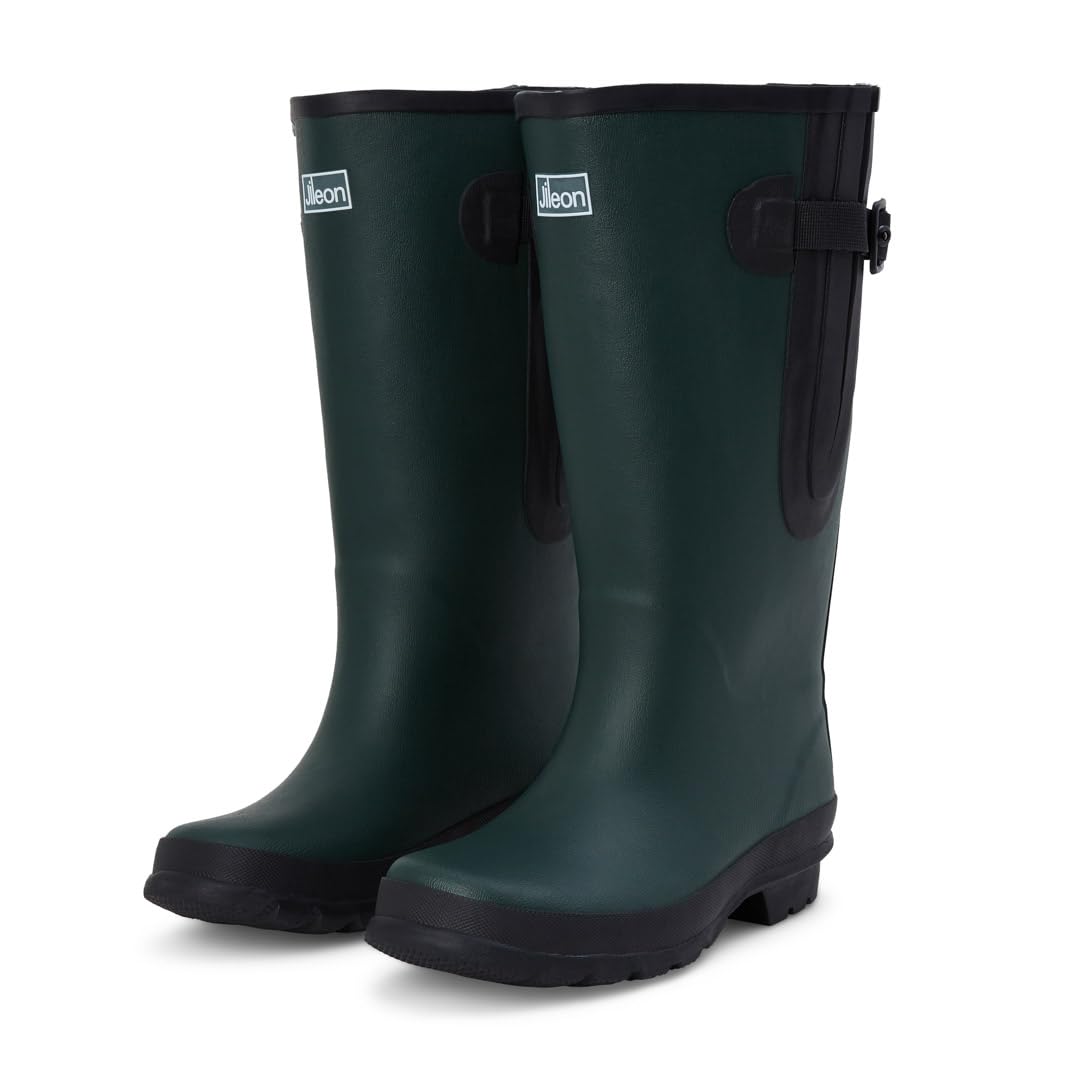


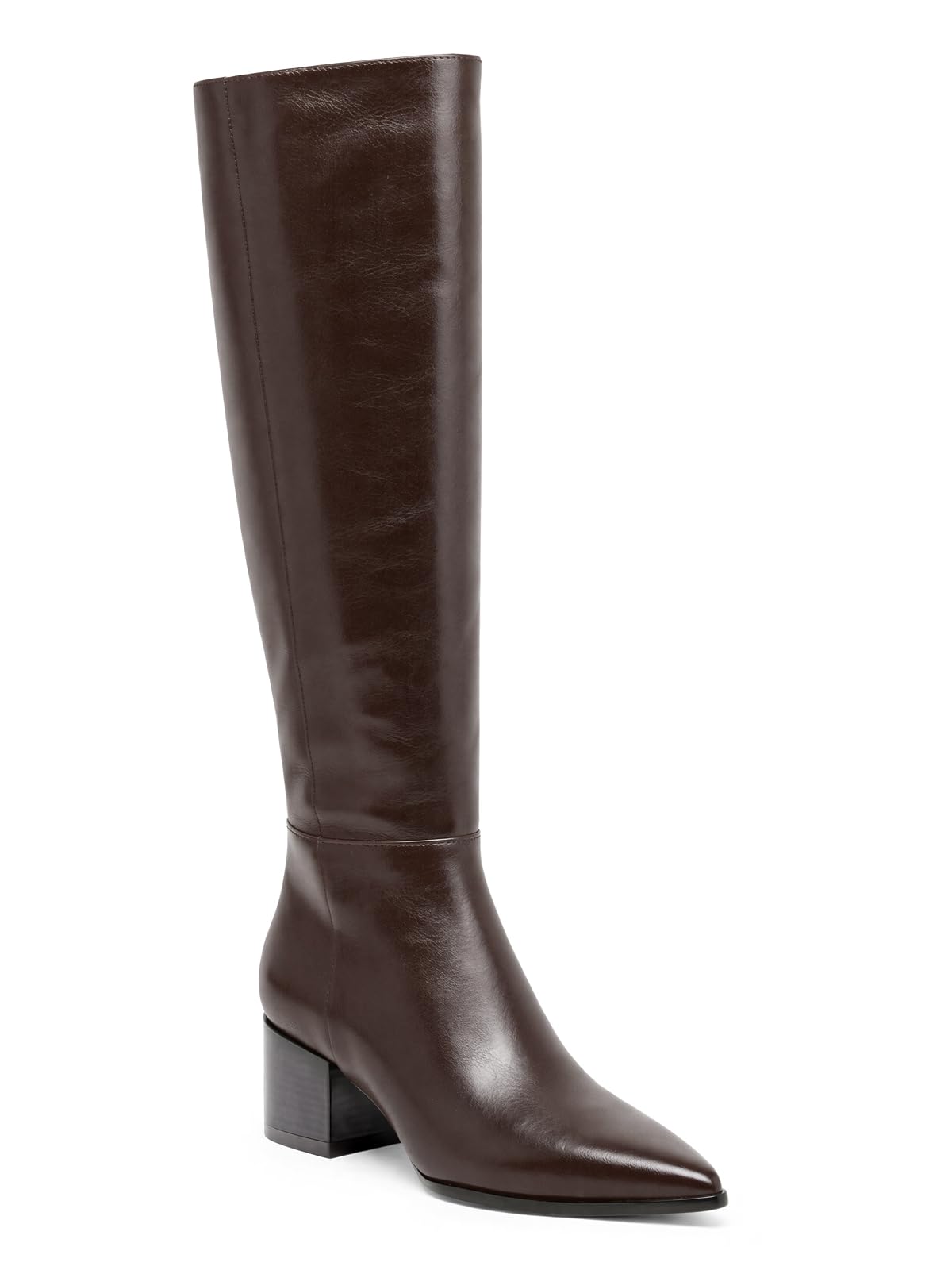
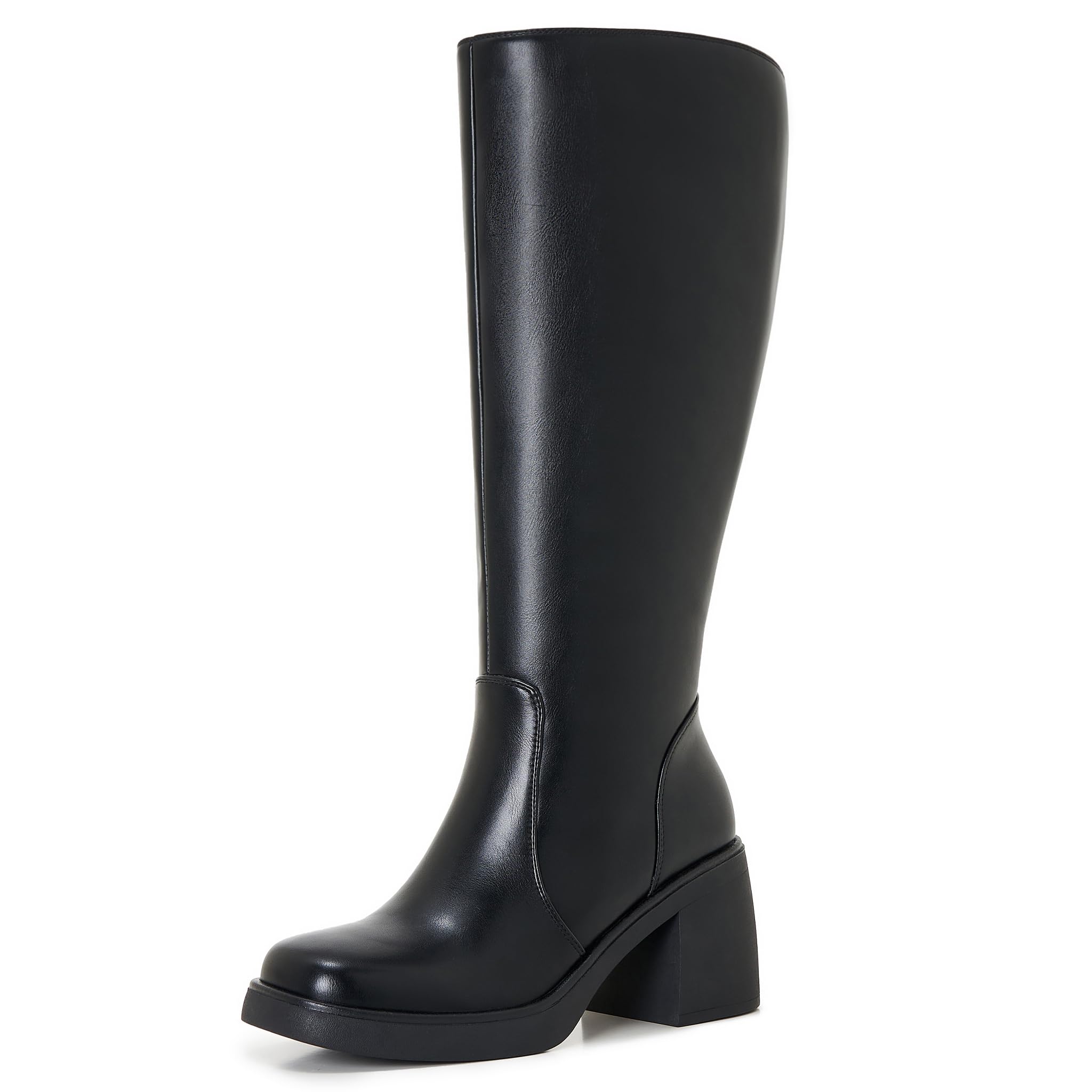
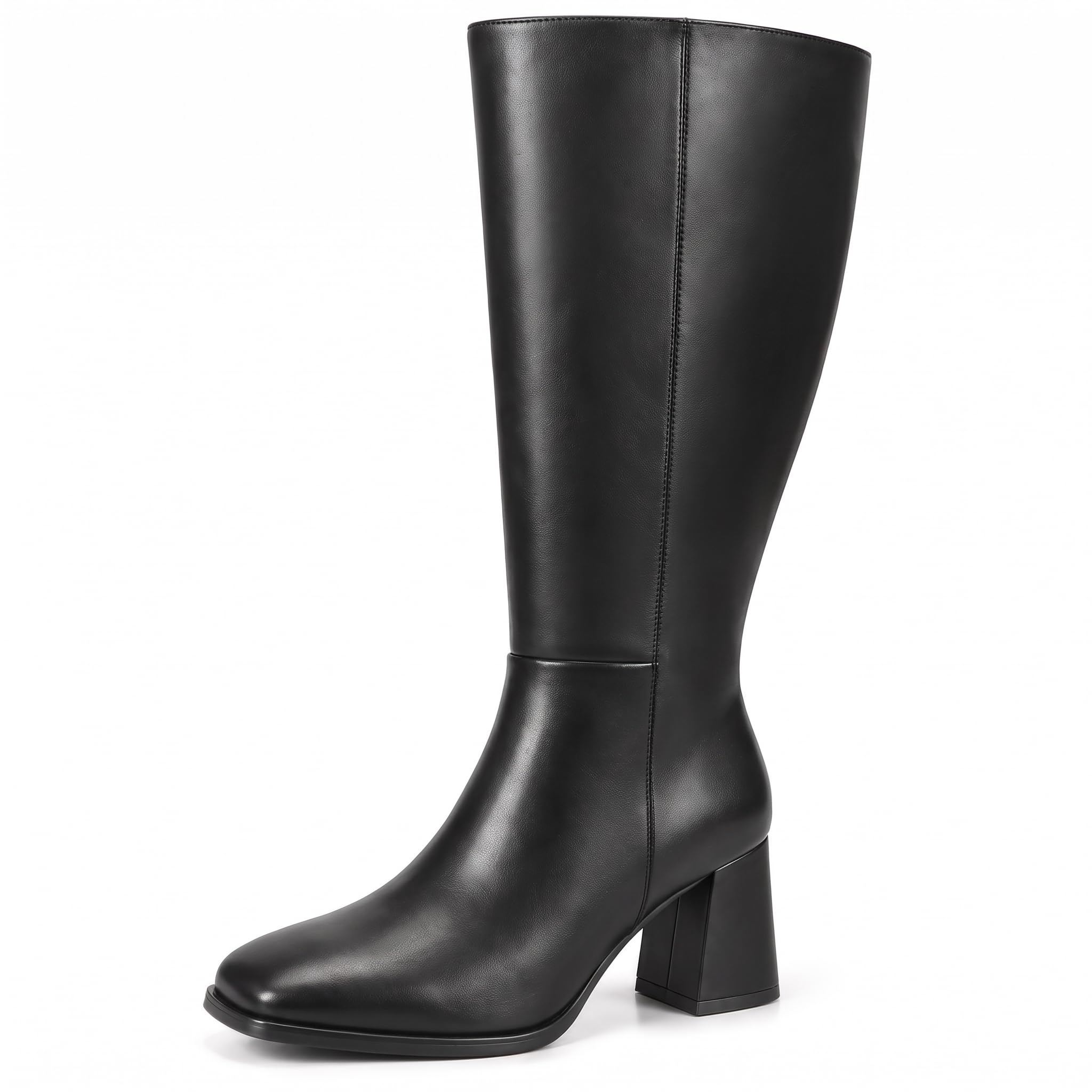
Key Features to Compare
Judge every candidate against the same six checks, starting with the measurement that everything else depends on.
Measure Your Calf at Its Widest Point
Wrap a soft tape around your calf at its widest point, usually a few inches below the knee, over the socks or jeans you plan to wear. Boot openings follow rough classes: a standard opening runs about 14 to 15 inches, a wide calf opening about 16 to 18 inches, and an extra wide opening past 19 to 20 inches. Order against your number, not against the label, because one maker calls wide what another calls standard. A half inch of ease keeps the shaft from binding when you sit down.
Closures and Stretch Panels Decide Entry
The opening measurement tells only half the story, because how a boot lets your leg in matters just as much. A stretch panel at the back of the shaft or a full length side zip does the heavy lifting for a wide calf, giving the opening room to expand during entry and settle once you start walking. Buckled straps help fine tune the fit but add little real size. If a boot has none of these, your calf has to match the stated opening almost exactly.
Shaft Height Changes Where the Boot Binds
Shaft height decides where the top edge lands on your leg, and that changes fit even when the opening size is identical. A tall shaft of about 16 to 18 inches ends near the widest part of many calves, so it needs the most generous opening of all. A mid calf shaft of about 12 to 14 inches often clears the widest point and feels easier to wear. Short shafts of about 8 to 10 inches sit below the calf muscle and rarely cause trouble.
Fit the Foot, Not Just the Leg
A generous shaft does not fix a tight foot, so check the boot the way you would any footwear. Measure your feet late in the day, when they are at their largest, and try boots on with the socks you will actually wear. You want about a thumb width of room in the toe box and a heel that stays put without slipping. Thick winter socks can push you up a half size, so leave room for them from the start.
Materials, Waterproofing, and Weight
Full grain leather softens and gives a little over time, which helps a borderline shaft, while stiff synthetic shafts keep their exact shape for years. A waterproof membrane keeps slush and rain out but adds warmth, so unlined styles breathe better in mild weather. Heavier boots protect on rough ground yet tire your legs on long days, so match the weight to your walking. For wet fields and barn work, rubber needs no breaking in and rinses clean.
Cushioning and Arch Support for Long Days
A wide calf boot still has to carry you all day, so look under the foot as well as up the leg. A cushioned insole and steady arch support suit both flat feet and high arches when the support matches your foot type. Removable insoles let you swap in your own supports, which matters if you stand on concrete for hours. Heel heights around one inch keep your weight balanced without tipping you forward as you walk.
Styles and Price Bands for Wider Calves
Wide calf sizing now appears in most boot families, and the best boots for big calves share one trait: an opening that is stated in inches and graded by foot size. Price bands run roughly about $60 to $120, about $120 to $200, and above $200, and what changes between them is mostly leather quality, closure hardware, and how carefully the shaft is shaped.
Western styles are the most developed wide calf category, with graded shafts and room through the top edge. Riders and dress wearers can start with best cowgirl boots for big calves or best cowboy boots for big calves, both built around taller shafts that need an honest measurement.
For wet weather, best rain boots for big calves use flexible rubber and wide openings, so they slide over jeans without a fight. They are the easiest entry point for a first wide calf pair, and most cost less than leather styles.
Cold weather and sport styles fit differently again. Insulated best ski boots for big calves use adjustable buckles to open the cuff wide, while best snowboard boots for big calves rely on roomy liners and lacing that spreads pressure across the leg. Both reward a careful calf measurement because thick padding compresses as it warms up.
Boots for Specific Needs
Rubber Hunting Boots for Big Calves
Rubber hunting boots earn their own check because the material cannot stretch at all once it leaves the mold. Look for a flared top edge, an adjustable gusset with a buckle strap, and an opening at the top of the wide range, since thick hunting socks and pant legs ride inside the shaft. Neoprene uppers flex more than plain rubber and insulate better in cold marsh water. If your calf measures near the top of the stated opening, size the shaft first and accept a slightly looser foot.
Quick Buyer Checklist
- My calf measures a known number of inches at its widest point, over the clothes I will wear.
- The stated opening is at least a half inch larger than my measurement.
- The boot has a stretch panel, a full zip, or an adjustable gusset for entry.
- The shaft height ends above or below my widest point, not right on it.
- The toe box leaves a thumb width of room with my thickest socks.
- The return policy allows an indoor try on at home before I commit.
Red Flags to Watch For
- A listing that says wide calf but never states the opening in inches.
- No closure and no stretch panel on a tall, stiff shaft.
- Shaft measurements that stay exactly the same across every foot size.
- Warmth or waterproof claims with no membrane or material named.
- Many buyer reports saying the boot would not close around the calf.
How to Make Your Boots Last Longer
Air dry wet boots at room temperature, away from direct heat, because heat cracks leather and warps rubber. Condition leather shafts every few months so the top edge stays supple and keeps its shape season after season. Store tall boots with a rolled towel or a boot shaper inside so the shaft does not fold and crease at the ankle. Rotate two pairs if you wear boots daily, giving each pair a full day to dry out.
Boots for Big Calves: Questions Answered
What features matter most in boots for big calves?
The shaft opening and the closure system matter most, because they decide whether the boot goes on at all. After that, check where the top edge lands on your leg and whether the foot still fits with your usual socks. One detail many shoppers miss is the ankle: a zip boot also needs room at the ankle, or the zip stops halfway even when the top opening is generous.
How do I measure my calf for wide calf boots?
Measure both calves and shop for the larger one, since most people have one leg slightly bigger than the other. Sit with your foot flat and your knee bent, then wrap the tape at the widest point without pulling it tight. Your calf also measures a little larger at the end of the day, so an evening measurement is the safer one to order against.
Can a cobbler stretch a boot shaft that is slightly too tight?
Yes, a cobbler can usually stretch a leather shaft by about a quarter to a half inch using a shaft stretcher left in overnight. That small gain is often enough for a boot that closes but feels snug. Stretching cannot rescue a boot that will not zip at all, and it does not work on rubber or stiff synthetic shafts, so treat it as a fine tuning fix only.
Are wide calf boots made in work and safety toe styles?
Yes, wide calf options now include pull on work boots and safety toe styles, not just fashion and rain boots. Look for the same opening measurement on the product page, because a wide foot width does not promise a wide shaft. If you wear thick work socks or tuck in work pants, add that bulk to your calf measurement before choosing a size.
How long is the break in period for leather boots for big calves?
Most leather boots feel right after about one to two weeks of short daily wears. The foot softens first, while the shaft takes a little longer to relax around your calf. Start with an hour or two indoors, then build up gradually, wearing the socks you plan to use. If a shaft still cuts in after two weeks, the opening is too small rather than just stiff.
Final Thoughts
Start with your calf measurement, match it to a stated opening, and let the closures do the rest of the work. The product table above pulls the strongest wide calf options together so you can check those three points quickly. Choose the best boots for big calves for the way you actually walk, work, and dress, and the fit arguments disappear.


