Best Boots for Wide Leg Pants: Everything to Know Before Your First Purchase for 2026
Disclosure: We may earn a commission when you buy through links on this page, at no extra cost to you. As an Amazon Associate I earn from qualifying purchases. Learn more

Learn how to choose the best boots for wide leg pants with plain guidance on shaft height, heel shape, fit, traction, and care for first time buyers.
Wide leg pants change what a boot needs to do. The fabric falls straight from the hip, moves as you walk, and can swallow a short boot or catch on a wide shaft near the hem. If you are shopping for best boots for wide leg pants for the first time, the goal is balance. You want a shaft the hem can clear, a heel that lifts the fabric off the ground, and a toe shape that still looks intentional where it peeks out.
Start with the comparison table below to see how shaft heights, heel shapes, and materials differ at a glance. Then match those details to your pant lengths, your daily walking, and the weather where you live. No single style suits every pair of trousers, but a few simple checks will narrow the field fast.






Boots 101: The Basics for Wide Leg Pants
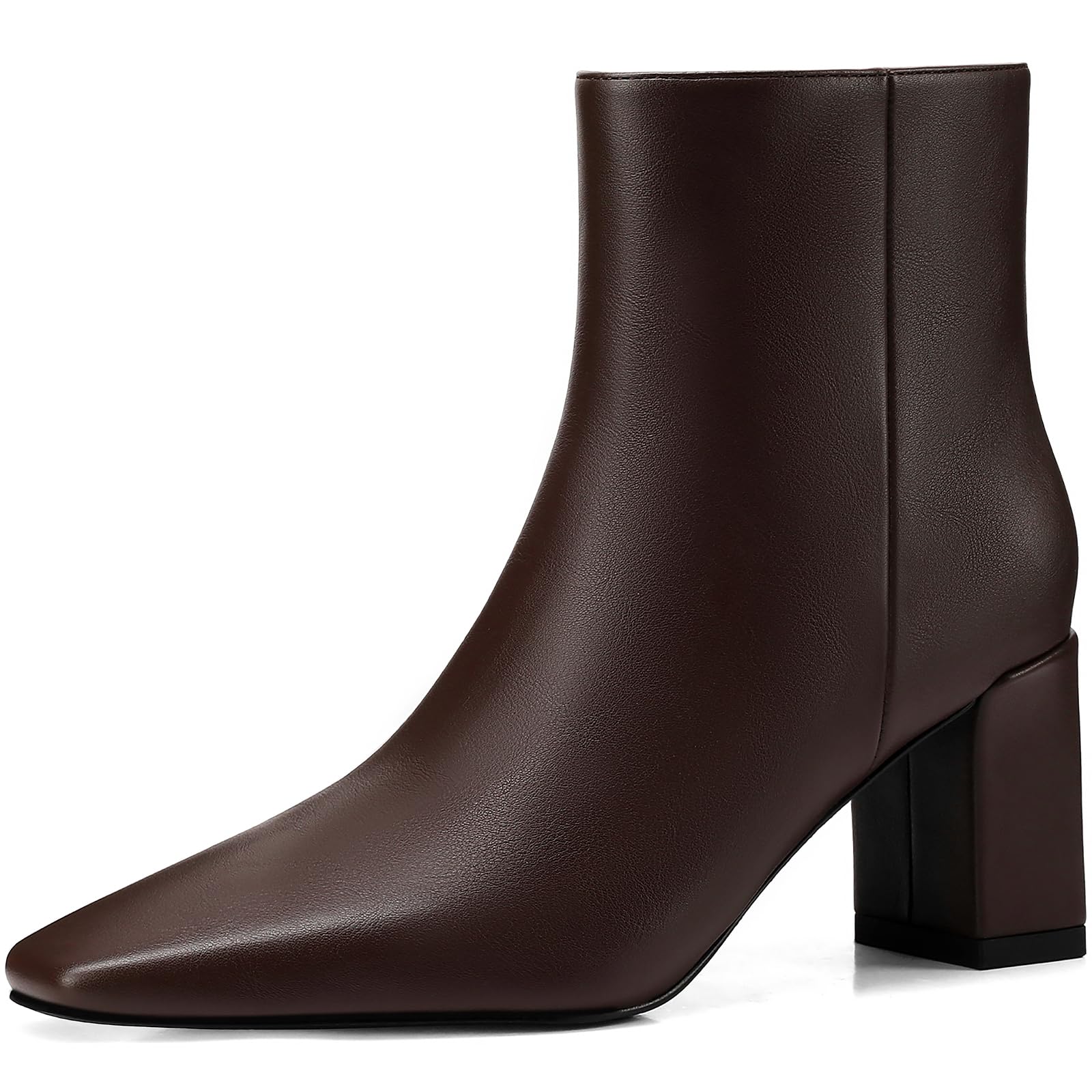
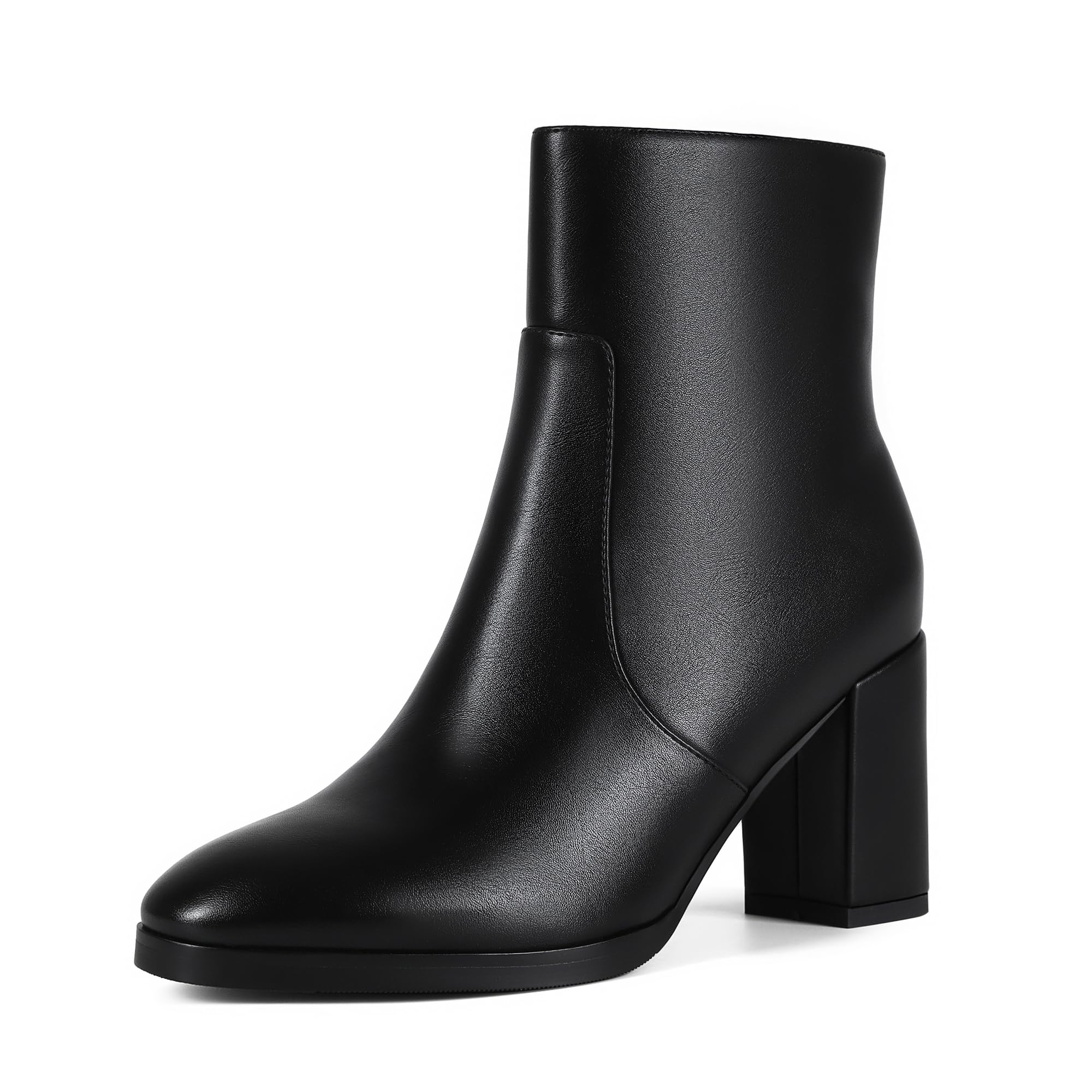
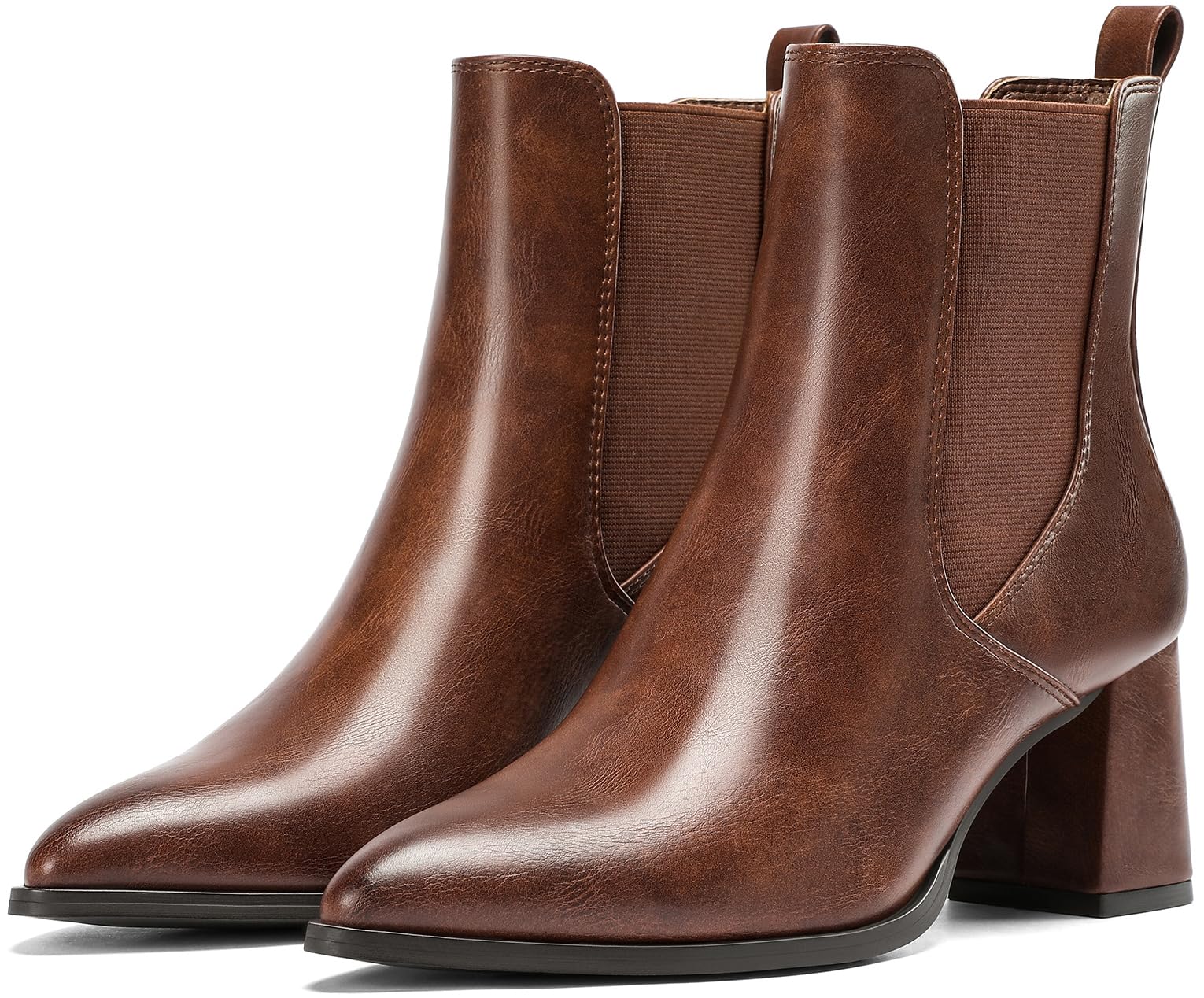
A boot is simply a shoe that rises above the ankle, and the part that climbs the leg is called the shaft. Short shafts end just above the ankle bone, mid calf shafts stop below the calf muscle, and tall shafts reach the knee. The vamp covers the top of your foot, the toe box surrounds your toes, and the outsole is the bottom layer that meets the ground.
The pairing works when three things line up. The hem should fall cleanly over or above the shaft without bunching, the heel should give the fabric enough clearance from the floor, and the toe should suit the weight of the cloth. Light cotton and linen move more and need less structure, while heavy wool and denim hold a straighter fall and pair well with a firmer shaft. If a wider opening built for roomy hems appeals to you, see our guide to the best wide leg boots for that specific style.
Who Should Buy Boots for Wide Leg Pants
Shoppers With Cropped Wide Leg Pants
Cropped hems usually end a few inches above the ankle, so the whole shaft stays on show. Choose a shaft that either meets the hem with a small, deliberate gap of skin or tucks neatly under it with no gap at all. A long stretch of bare leg between boot and hem can cut the line of the outfit in two. A pointed or almond toe keeps the look long and neat, and a close fitting shaft stops the hem swinging against loose leather.
Shoppers With Full Length Wide Leg Trousers
With full length trousers, only the toe and part of the heel show, but those details do most of the visual work. A modest heel keeps the hem hovering just above the floor so the fabric keeps its clean fall instead of folding under your foot. A slimmer toe slides under the hem without pushing it outward. Denim follows the same logic, so if most of your pairs are jeans, see our guide to the best shoes to wear with wide leg jeans for denim specific notes.
Shoppers With Shorter Legs or Wider Calves
Proportion matters more than size charts suggest. A shaft that ends at the widest part of the calf can shorten the look of the leg, while one that ends just below it reads smoother. Wider calves need a generous opening circumference and, ideally, an elastic panel or adjustable strap that gives without squeezing. If calf fit is your main worry, see our guide to the best wide calf boots for short legs for fit detail aimed at exactly that combination.
Key Specs Explained in Plain English
When you compare the best boots for wide leg pants, start with the specs in the product table above and translate them with the notes below. Shaft and heel come first because they decide the pairing, then fit, weight, durability, and grip decide how the boots feel after a full day of wear.
Features That Matter for Wide Leg Pants
Shaft height and opening circumference matter most, because they decide whether the hem falls over the boot, rests on top of it, or gets stuck on it. Measure the opening against your calf at the same height, and picture your widest hem sliding over it. Heel height comes next. About 1.5 to 3 inches lifts most hems clear of the ground while staying walkable. Toe shape finishes the picture, with pointed and almond toes lengthening the line and round toes reading more casual. A stable, block style heel adds steadiness under all that moving fabric.
Fit, Sizing, and Toe Box
Measure your feet in the afternoon, when they are at their largest, and wear the socks you plan to use with the boots. Your longest toe should sit about a thumb width from the end, and the toe box should let your toes lie flat without pressing the sides. A small amount of heel slip is normal in a new stiff boot, but your whole heel should not lift out. Cushioning under the ball of the foot and real arch support matter more than a soft first step, because they decide comfort in hour six, not minute one.
Weight and Flexibility
A lightweight boot tires your legs less on long days, and a sole that flexes at the ball of the foot lets you walk naturally instead of clomping. Very stiff soles protect better on rough ground and in cold weather, so the right trade off depends on where you will wear them. Also check the heel to toe drop, which is the height difference between heel and forefoot. A higher drop suits a heeled dress boot and shifts weight forward, while a low drop feels flatter and steadier for all day walking.
Durability and Expected Lifespan
Full grain leather usually outlasts coated splits and thin synthetics, and it can be conditioned for years. Suede looks soft with wide leg fabrics but marks easily in rain. Stitching where the upper meets the sole is a good sign, since a stitched sole can often be replaced when it wears down, while a glued sole usually ends the life of the boot. Many pairs built to last several seasons of regular wear cost under $200.
Outsole Traction and Terrain
The outsole pattern decides grip. Deep lugs bite into wet pavement, gravel, and mud, while smooth leather soles can slide on polished floors and wet stone. A rubber outsole with shallow tread suits city sidewalks and office floors. For wet climates, waterproof boots with sealed seams keep socks dry through puddles, but they breathe less on warm days. If you split your time indoors and out, a breathable leather boot with a rubber sole is a sensible middle ground.
Rookie Mistakes to Avoid
Most first time regrets come from judging the boot alone instead of judging the boot and the pants together. Watch for these common slips.
- Buying a shaft that ends exactly at the hem line, so the fabric catches and bunches every time you sit or climb stairs.
- Wearing flat boots with floor length pants, so the hem drags, frays, and gets stepped on within weeks.
- Choosing a bulky round toe for tailored trousers, so the outfit looks heavy and unfinished below the hem.
- Guessing your calf size on a tall shaft, so the zipper will not close or the top edge digs in all day.
- Ordering for looks alone and ignoring the outsole, so the first rainy sidewalk turns the boots into a slipping hazard.
Getting Started: Setup and First Use
When your boots arrive, try them indoors on a clean floor first, with the pants you bought them for. Walk, sit, and climb a few stairs while watching the hem in a mirror. The fabric should fall back into place on its own, not rest on the shaft or fold under the heel. Check that zippers and straps work smoothly.
Test the pairing with more than one outfit before you cut any tags, since a boot that suits trousers may sit at an awkward height under a jumpsuit. If you are building that outfit too, see our guide to the best shoes to wear with wide leg jumpsuit for proportion advice. If you are still deciding which trousers to pair with boots at all, see our guide to the best pants with boots for combinations that work.
How to Make Your Boots Last Longer
Brush or wipe your boots after wear so grit does not grind into seams. Condition plain leather every few months to keep it supple, and let suede rest after a dry brush rather than soaking it clean. If boots get wet, stuff them loosely with paper and dry them at room temperature away from radiators and direct heat, which can crack leather and loosen glue.
Store boots standing upright with support inside the shaft so the top does not flop over and crease. Resting a pair for a day between wears lets the lining dry fully and slows odor and wear. Check the heels each month, because replacing a worn heel cap early is cheap and protects the whole heel block.
FAQs
What features matter most in boots for wide leg pants?
Shaft height, opening circumference, and heel height matter most in boots for wide leg pants. Together they decide whether the hem clears the boot and the floor. One extra check helps before you buy. Look at a side view photo and compare its shaft height with the inseam of your favorite pair, because boots often run tall or short for their stated size.
Can boots for wide leg pants be worn all day?
Yes, boots for wide leg pants can be worn all day if the heel is stable and the fit leaves room for your feet to swell slightly by evening. A block heel under 3 inches and a cushioned insole make the biggest difference. If your job mixes sitting and standing, a removable insole is a quiet advantage, since you can swap in a thinner or thicker one as the day demands.
How long does it take to break in new boots for wide leg pants?
Breaking in new boots for wide leg pants usually takes about one to two weeks of short wears. Start with an hour or two at home, then add time each day so stiff leather softens where your foot bends. Thick socks during this stage protect your heels from rubs. If a spot still pinches after two weeks of gradual wear, that is a fit problem rather than a break in problem, and a cobbler can often stretch that one area.
Do boots for wide leg pants need to be waterproof?
No, boots for wide leg pants do not need to be waterproof unless you regularly walk in rain or slush. A water resistant finish sheds light splashes and is enough for most commutes, and it breathes better than a fully sealed boot. Remember that sprays wear off, so plan to reapply the finish a few times each wet season, and treat seams and zippers too, since those are where water usually enters first.
How often should boots for wide leg pants be replaced?
Boots for wide leg pants should be replaced when the support feels flat, the outsole tread has worn smooth, or the upper has cracked beyond conditioning. For most people that is after several years of regular wear rather than on a fixed schedule. One early warning sign is a heel corner worn at an angle, since walking on it changes your stride and can start to strain your knees and lower back.
Final Thoughts
For a first pair, keep the decision simple. Match the shaft to your most worn pant length, choose a heel that lifts the hem without tiring your feet, and pick a toe shape that suits the fabric you wear most. Weigh fit and grip as heavily as looks. Look back at the product table above, compare your short list against those three checks, and you will land on the best boots for wide leg pants for your wardrobe with no guesswork left.