Best Boots for Waterproof in 2026: Budget, Midrange, and Premium Picks
Disclosure: We may earn a commission when you buy through links on this page, at no extra cost to you. As an Amazon Associate I earn from qualifying purchases. Learn more

Compare the best boots for waterproof at every price point. Learn what you get at budget, midrange, and premium levels and where spending more pays off.
Prices for waterproof boots stretch from under $70 to well above $250, and the gap is not just about a label. The best boots for waterproof protection pair a real membrane with sealed seams, while cheaper pairs often rely on a surface coating that fades. This guide shows what each price level actually buys you, so you can use the comparison table below with a clear budget in mind.
Start with how wet your days really get. Light rain on a short walk asks far less than standing water at work or a stream crossing. Match the tier, shaft height and outsole to that exposure first, then check fit.
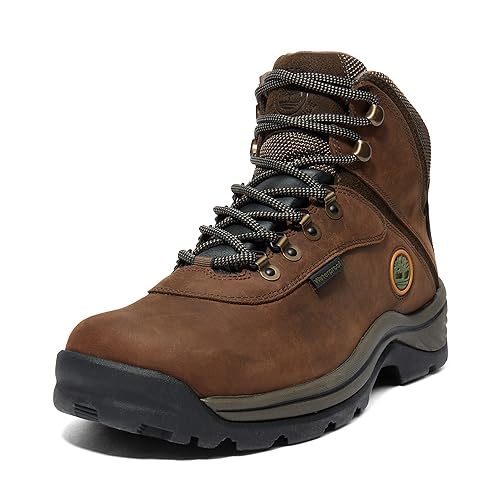
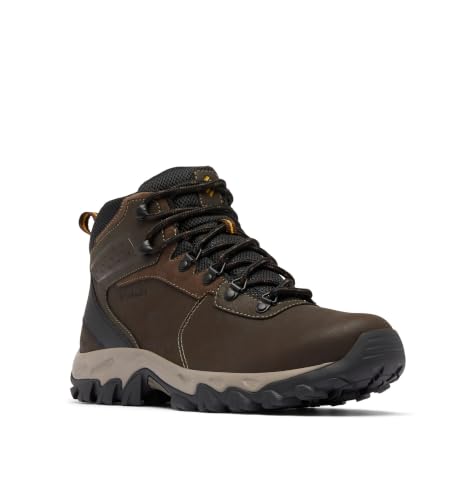


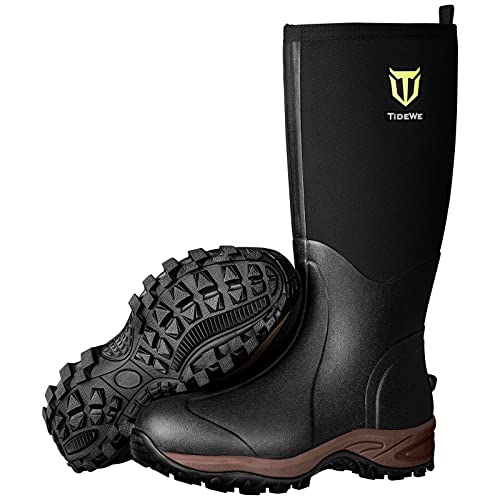

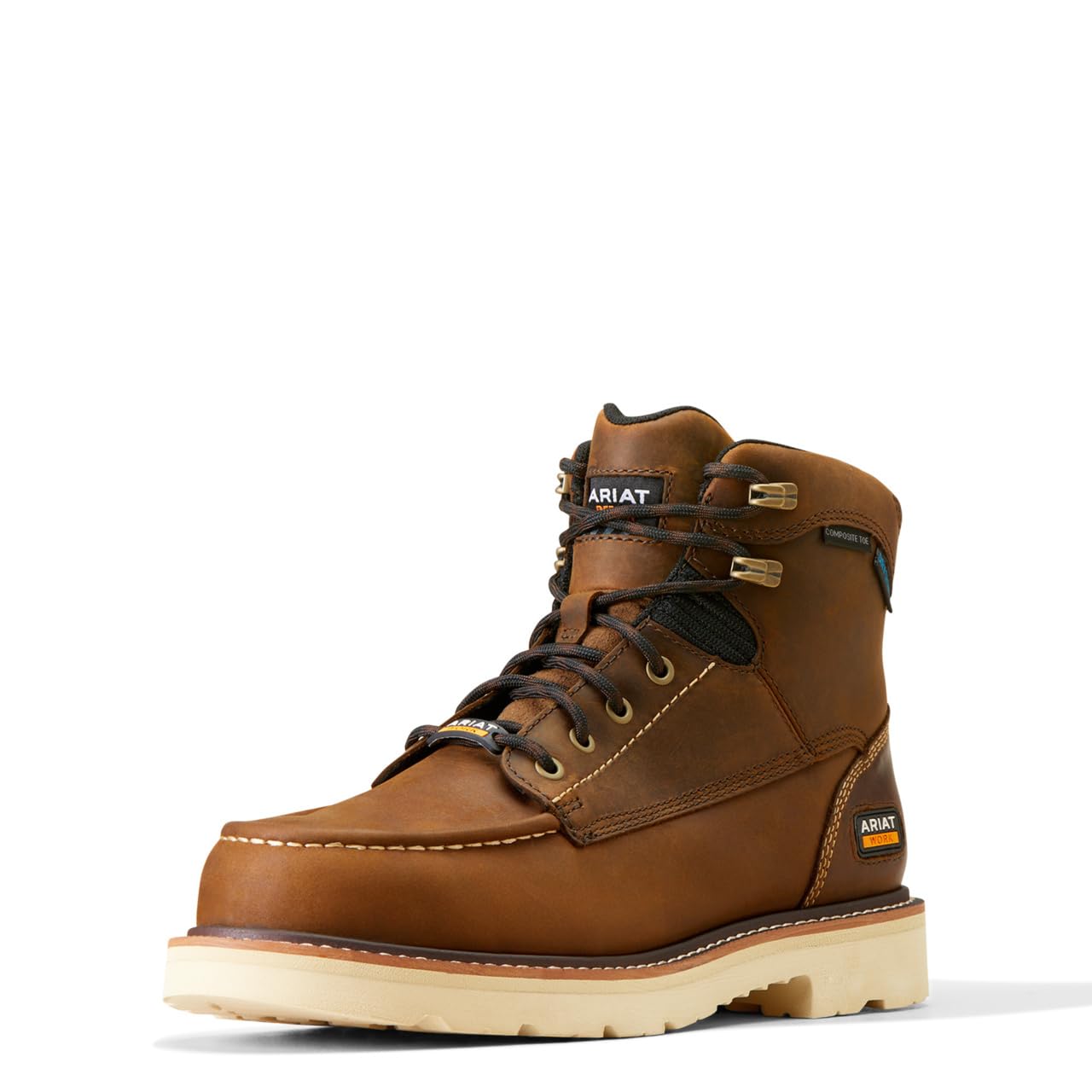


Who Should Buy Which Waterproof Boots?
Your usual wet conditions should decide the tier before style does. Each group below needs a different balance of dryness, grip and price.
Commuters Who Walk Through Rain and Puddles Daily
You need a boot that keeps socks dry on wet pavement and still looks fine at work. A mid height shaft stops most puddle splash, and a membrane matters more than deep tread on flat ground. Midrange pairs usually suit you best, since budget coatings fade after a season of daily rain.
Outdoor Workers Who Stand on Wet Ground for Full Shifts
You stay in the wet for hours, so entry points matter as much as the membrane itself. Look for a taller shaft, a gusseted tongue and laces that stay above standing water. Support also counts, because wet ground makes every step less stable. If your job takes you onto soaked trails, see our guide to the best waterproof hiking boots for tread built for mud.
Hikers and Walkers Who Cross Streams and Muddy Trails
You face the deepest water, so shaft height and outsole grip lead your list. A boot ending just above the ankle keeps out most stream splash, while lugs of about 4 to 5 mm bite into slick mud. Premium tiers often earn their price here, through stronger uppers that survive repeated soaking without cracking.
Price Tiers and How Dry Each One Really Keeps You
Price tiers follow the sealing method more than any other factor. As price rises, coatings give way to membranes and uppers that hold their shape for years.
Budget Tier: Coated Fabrics for Short Wet Trips
Budget pairs cost around $70 to $110 and usually use a water resistant coating on synthetic fabric rather than a built in membrane. They handle light rain and brief puddle walks, but long exposure lets water soak through. Seams may be taped only in key spots. Choose this tier for occasional wet days and short trips.
Midrange Tier: Built In Membranes for Daily Rain
Midrange pairs cost about $110 to $180 and add a true waterproof membrane, fully taped seams and better cushioning. This is where the best boots for waterproof value usually sit, because you get all day dryness for daily rain without paying for premium leather. Most commuters and many workers land well in this tier.
Premium Tier: Full Leather and Longer Service Life
Premium pairs cost about $180 to $280 and use full grain leather or advanced membranes such as Gore Tex, with stronger stitching and long wearing outsoles. You pay for durability, a closer fit after break in and linings that manage sweat better. This tier pays off if you wear boots daily for years, not for a few wet weekends each year.
Key Features to Compare
Compare these factors in order, because a boot that fails on sealing or fit cannot be saved by a low price.
Waterproof Membrane and Sealed Seams
A membrane is a thin layer inside the boot that blocks liquid water while letting some vapor escape, and brands such as Gore Tex build their name on this layer. Seams must be taped, since needle holes along stitching are the most common leak path. The tongue needs a gusset on both sides, or water pours in at the laces. Reject any pair where the lining feels loose or bunched at the seams.
Leather and Synthetic Uppers and Vapor Flow in Wet Boots
Full grain leather sheds water well and molds to your foot, but it dries slowly and needs conditioning. Synthetic mesh and knit uppers feel lighter and breathe better in warm rain, yet they depend fully on the membrane because the outer fabric wets out fast. Warm weather walkers should favor breathable panels, while cold weather users can accept slower drying for leather toughness.
Room for Wet Weather Socks Without Heel Slip
Measure your feet late in the day, when they are at their largest, wearing the socks you plan to use. Your toes need about a thumb width of space in front, because feet swell on long wet walks. A wide toe box helps with thick wool socks. If you fall between sizes, size up and adjust with an insole, since a tight boot makes feet feel colder and wetter.
Underfoot Support for Long Days on Wet Ground
Cushioning softens impact on pavement, while arch support keeps your foot from tiring on uneven wet ground. Neutral boots suit steady gaits, and stability designs add firmer material under the arch for walkers who overpronate. Heel to toe drop usually runs about 8 to 12 mm, and a lower drop feels steadier on slick surfaces. Men comparing fit can also see our guide to the best waterproof boots for men for sizing notes.
Outsole Grip and Stability on Wet Surfaces
The outsole decides whether dry feet matter, because a fall on wet rock or tile ends the day fast. Look for soft rubber with small edges and channels that push water away from the contact patch. Deep lugs grip mud but wear fast on pavement, while shallow patterns suit streets. A wide heel base adds stability under loads, and a firm shank keeps the boot from twisting on roots.
Long Term Costs to Factor In for Waterproof Boots
Purchase price is only part of the cost. Leather boots need conditioner and a fresh waterproof treatment once or twice a year, a small cost that can double upper life. Replacement insoles cost around $20 to $40 and restore cushioning early. Budget boots replaced every year can cost more over four years than one midrange pair, so divide price by expected years of use.
Common Mistakes to Avoid
These errors cost buyers dry feet and money at the same time.
- Choosing a low shaft for deep puddles lets water pour over the top and soak the lining from inside.
- Trusting a water resistant coating for all day rain leaves you with damp socks by midday.
- Buying your morning shoe size makes the boot pinch once your feet swell during a long wet walk.
- Drying soaked boots on direct heat cracks leather and can warp the membrane lining.
- Wearing cotton socks in waterproof boots traps sweat against your skin and makes feet feel cold and clammy.
- Paying for premium insulation in a warm climate leaves your feet overheated on every rainy summer day.
Care and Maintenance for Waterproof Boots
After a wet outing, pull out the insoles, loosen the laces and let boots dry at room temperature with air moving around them. Stuffing the toes with newspaper pulls moisture from the lining without heat. Brush off dried mud before it works into seams, and rinse salt marks with clean water, since salt stiffens leather over time.
Condition leather once it looks dry or pale, and renew the outer repellent finish when rain stops beading. Workers who need a tougher pair can see our guide to the best waterproof work boots for safety toe options. Store boots upright in a dry room and check seam tape each season.
FAQ
What features matter most in waterproof boots bought on a budget?
Sealed seams and a gusseted tongue matter most, because budget boots leak at stitching and lace openings far more often than through the fabric itself. Spend limited money on construction before cushioning, and check that the lining feels firmly attached at the heel, where loose linings wear through early.
How often should waterproof boots be replaced once the membrane starts to leak?
Waterproof boots should be replaced once the membrane leaks in the main body of the boot, since that damage cannot be repaired from outside. Surface wetting is different and often responds to a fresh repellent finish. Stand in shallow water at home for a few minutes to learn whether the leak sits in the sole bond or the upper.
How long is the break in period for waterproof boots?
The break in period for waterproof boots is usually about one to two weeks of short walks for synthetic pairs, and up to three weeks for stiff leather pairs. Wear them indoors first and add distance once hot spots fade. A membrane lining can feel slightly crinkly at first, and that normally settles as materials soften.
Can I wear waterproof boots all day at work?
Yes, you can wear waterproof boots all day at work if the fit leaves toe room and the lining suits your indoor temperature. Membranes release vapor slowly, so feet in warm buildings may feel humid by afternoon even when no rain gets in. Rotating two pairs on heavy rain weeks gives each pair a full day to dry, which also extends the life of both linings.
Do I need waterproof boots, or will water resistant boots be enough?
Water resistant boots are enough for brief drizzle and damp grass, while waterproof boots are the safer choice for steady rain, slush and standing water. The deciding factor is time, since coatings resist water for minutes rather than hours. If your commute includes a long uncovered walk, choose the membrane, and keep the resistant pair for days when showers are short and shelter is close.
The Bottom Line
Set your tier by exposure first. Short wet trips suit a budget coating, daily rain earns a midrange membrane, and years of daily wear justify premium leather and construction. Then confirm fit with late day measurements and thick socks, and check that seams, tongue and outsole all support staying dry.
When you judge best boots for waterproof options by sealing, fit and grip rather than by price alone, the right tier becomes clear. Use the product table above to compare shaft height, materials and cost within the tier you chose.