
Best Boots for Warmth and Waterproof in 2026: What Your Money Really Gets You
Disclosure: We may earn a commission when you buy through links on this page, at no extra cost to you. As an Amazon Associate I earn from qualifying purchases. Learn more

Compare boots for warmth and waterproof use by insulation, membrane, fit and price, with a checklist for cold wet days and simple care advice.
Prices for winter ready boots range from under $75 to well over $250, and the gap is not just a label. The best boots for warmth and waterproof use their budget on insulation, a sealed membrane and a sole that still grips when the ground turns slick. This guide shows where extra money helps and where it does not, so you can read the comparison table below with a clear plan.
Start with your coldest typical day, not your coldest imaginable day. A boot built for deep snow will feel heavy and hot on a short wet commute, while a light insulated boot can leave you cold at a bus stop.
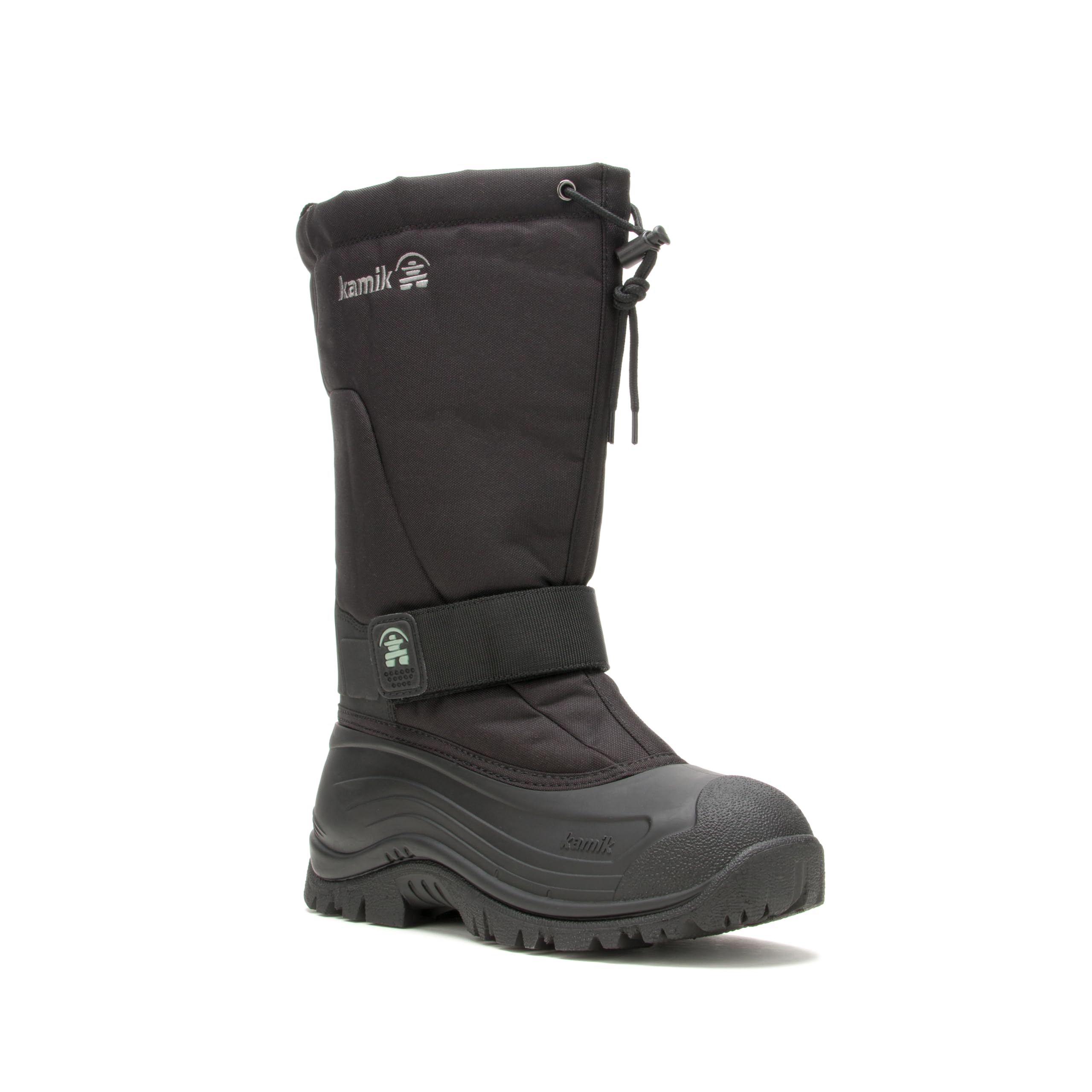

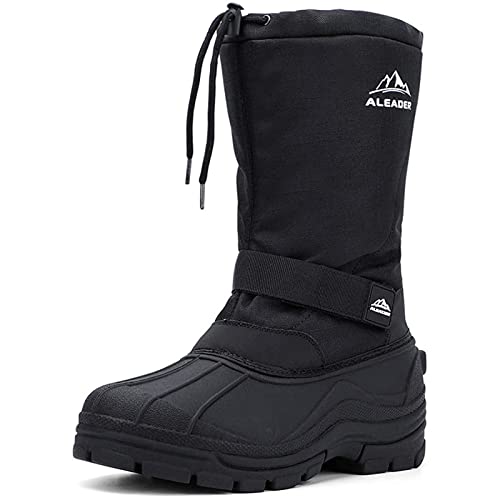
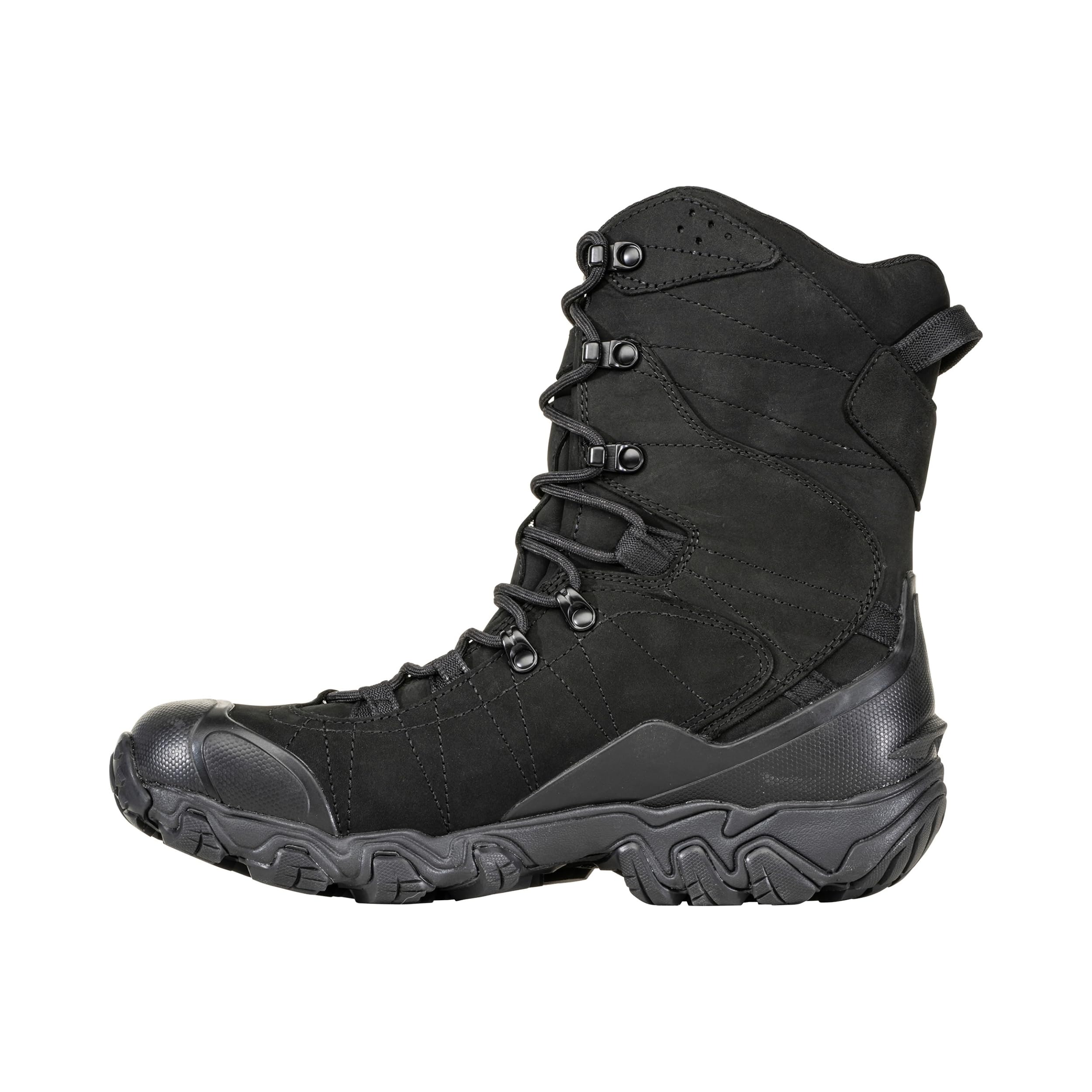


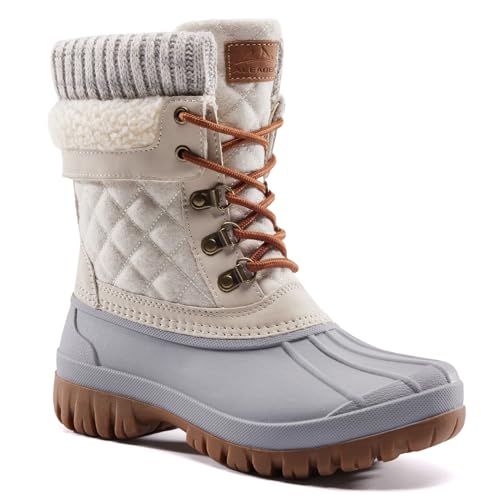
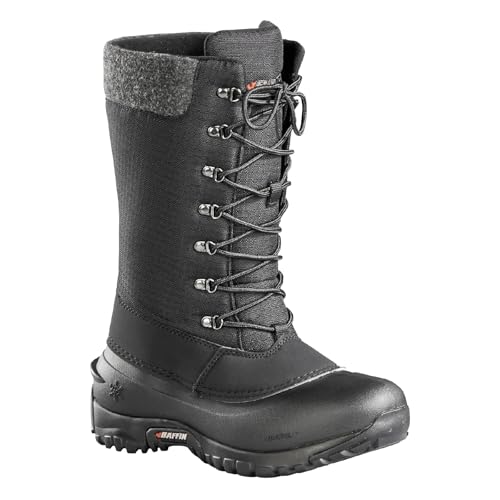
Who Should Buy Which Warm and Waterproof Boots?
Your daily routine decides how much insulation and shaft height you need. Pick the group closest to your winter, then use the price and feature sections to narrow the build.
Commuters Who Face Wet Streets and Short Waits
You walk on cleared pavement, stand on platforms and step through slush at curbs. Choose a mid height boot with about 200 grams of insulation, which keeps feet warm without overheating indoors. A sealed membrane and a gusseted tongue matter more for you than extreme cold ratings. Look for a sole with many small edges, since flat wet pavement needs contact more than digging tread.
Walkers and Workers Who Stay Outside for Hours
You spend long stretches outdoors, often on snow or uneven ground, and your feet cool when you stand still. Choose about 400 grams of insulation and a taller shaft that keeps snow out off the cleared path. A roomier fit helps because thicker socks take space. If your work involves trails, see our guide to the best waterproof hiking boots for builds shaped around longer distances.
Deep Cold and Rural Users Who Deal With Drifting Snow
You clear driveways, work around barns or walk where plows leave deep drifts. Choose 600 grams of insulation or more, a tall shaft and a thick sole that lifts your foot off frozen ground. Weight matters less than coverage during slow tasks. For the coldest version of this search, see our guide to the best winter boots for warmth and waterproof.
Spending Levels for Lasting Warmth in Wet Cold
Price tiers here track materials more than style. As price rises you usually gain a better membrane, denser insulation and a sole that stays flexible in cold.
Budget Tier: Basic Cover for Mild Wet Cold
Boots under about $100 usually pair a basic membrane with light insulation and a thinner sole. They suit short trips, mild winters and occasional snow, and keep feet dry in rain and shallow slush. The trade off is wear, since thin linings pack down sooner. Buy here if your winter is mostly wet rather than truly cold.
Value Tier: Sealed Seams and Lasting Insulation
Boots at about $100 to $175 usually add fully sealed seams, insulation that holds its loft longer and a sturdier upper. Most buyers get the best balance here, because the upgrades solve the two common failures, leaks at the seams and warmth that fades after one season.
Premium Tier: Deep Cold Build and Replaceable Parts
Boots above about $175 usually bring high insulation weights, premium membranes such as Gore Tex, and removable liners you can replace. They pay off if you are outside for hours in serious cold or keep one pair for many winters. Skip this tier if your days are short and your streets are cleared early.
Key Features to Compare
Compare these factors in order, because warmth, dryness and fit depend on each other. A warm boot that leaks will feel cold, and a dry boot that fits poorly will chill your feet.
Insulation Weight and Where It Sits
Insulation is listed in grams, describing how much synthetic fill the boot carries. About 200 grams suits active use and mild cold, about 400 grams suits long days below freezing, and 600 grams or more suits slow work in deep cold. Placement matters too, since fill around the toes and under the foot protects areas that touch snow. Choose by activity, because active feet make heat while standing feet lose it fast.
Waterproof Membrane, Sealed Seams and Gusseted Tongue
A membrane blocks outside water while letting some vapor escape, but it alone does not make a boot dry. Seams must be sealed, the tongue must attach on both sides, and the shaft must close so slush cannot pour in at the top. This is the core of the best boots for warmth and waterproof, because dry insulation keeps its loft. For dryness in milder weather, see our guide to the best boots for waterproof.
Outsole Rubber and Lug Pattern for Cold Ground
Cold can stiffen cheap rubber, so a sole that feels grippy in a warm store may slide on ice. Look for a softer winter compound, with lugs about 4 to 6 mm deep for snow and many small edges for wet pavement. Wide lug spacing sheds mud and packed snow better than tight tread. No sole grips smooth ice fully, so slow down on glare ice.
Fit, Toe Box and Room for Thick Socks
Measure your feet in the afternoon, when they are largest, and try boots with the socks you plan to use. Your toes need room to spread, because a tight toe box presses insulation flat and cuts circulation, which makes feet feel colder. Your heel should stay seated with only slight lift. If you are between sizes, the larger size with a thicker insole usually serves winter use better.
Shaft Height, Closure and Cushioning Underfoot
Shaft height controls how deep snow can be before water enters from the top. Ankle height suits cleared streets, mid calf height suits drifts and shoveling, and a drawstring top seals out loose snow. Laces give the most adjustable fit, while pull on styles trade adjustment for speed. A cushioned insole with basic arch support reduces fatigue on frozen ground.
Ownership Costs Beyond the First Winter
The purchase price is only part of the cost. Budget for thick socks, replacement laces and a reproofing product if the maker recommends one. A pair lasting three winters at about $150 often costs less per season than a pair at about $80 that leaks in its second winter.
Common Mistakes to Avoid
- Buying by temperature rating alone leaves you cold, because ratings assume activity and dry socks that your day may not match.
- Choosing a snug fit for thick socks compresses insulation and restricts blood flow, so your feet chill faster.
- Trusting a waterproof label without sealed seams lets slush enter at the stitching during the first wet week.
- Wearing cotton socks traps sweat against your skin, so your feet cool quickly once you stop moving.
- Picking smooth fashion soles for winter streets leads to slips on wet pavement and packed snow.
- Storing boots wet after each use breeds odor and weakens linings, so the pair ages before its time.
Care and Maintenance for Warm Waterproof Boots
After a wet day, pull out the insoles, loosen the laces and let the boots dry at room temperature away from direct heat. Stuffing them loosely with plain paper helps draw moisture from the lining. Never use a hot radiator, because strong heat can crack leather and damage the membrane.
Brush off dried mud, rinse salt marks with plain water and reproof uppers only with products the maker allows. Check lugs for wear each season, and inspect seams for gaps. Store boots upright in a dry place. For men's sizing notes, see our guide to the best waterproof boots for men.
Boots for Warmth and Waterproof: Your Questions Answered
What insulation weight do warm waterproof boots need for below freezing days?
For below freezing days, about 400 grams suits most people who mix walking with standing. Wind, activity and sock choice shift the result. If your route is active throughout, 200 grams may feel better and sweat less. If you stand still at outdoor events, step up rather than down.
Are expensive warm waterproof boots worth the extra cost?
Expensive warm waterproof boots are worth it when you use the upgrades weekly in serious cold. The extra money buys insulation that lasts, sealed construction and replaceable liners, spreading cost across more winters. If your winter is short and mostly wet, the value tier gives dry feet for far less.
How long does the break in period last for insulated waterproof boots?
The break in period for insulated waterproof boots is usually short, often a few wears over one to two weeks. Stiff areas are the ankle collar and the flex point above your toes, and both soften with use. Wear new boots on short errands first. Blisters usually signal a fit problem, not a boot that needs more time.
How should warm waterproof boots fit with winter socks?
Warm waterproof boots should fit with a thumb width of space in front of your longest toe while you wear winter socks. Your heel should feel held and no seam should press across the top of your foot. Walk on steps if you can, because toes that hit the front on a decline will ache on hills. Bring your own socks.
Can you wear warm waterproof boots all day indoors and outdoors?
You can wear warm waterproof boots all day, but heavily insulated pairs often feel hot indoors. Sweat built up inside then cools your feet when you go back outside. A practical fix is a change of socks at midday. Choose insulation for the outdoor part of your day.
Our Verdict
Match insulation to your hours outside, insist on sealed seams and a gusseted tongue, and leave room for winter socks. Those three choices decide most of your comfort. Use the product table above to compare insulation weight, shaft height and price.
When you judge best boots for warmth and waterproof by those points, the right tier is usually clear. Spend on the build your winter demands, care for it well, and one good pair will cover several seasons of cold wet days.


