
Best Boots for Truckers: What Matters Most in 2026
Disclosure: We may earn a commission when you buy through links on this page, at no extra cost to you. As an Amazon Associate I earn from qualifying purchases. Learn more

Learn how to choose boots for truckers by fit, grip, support, and comfort for long days in and out of the cab, plus spending guidance and buying checks.
Truck driving mixes long seated hours with short bursts of walking, climbing, fueling, and loading checks, so the best boots for truckers need to handle both jobs well. A boot that feels fine for an hour in a store can feel very different after a full shift, especially when you step from a warm cab onto cold concrete, wet asphalt, or a dusty yard. The comparison table below can help you sort the main types side by side before you compare prices.
This guide walks through the features that matter most for driving work, the fit checks worth doing at home, and the spending levels that suit different routines. Use it as a checklist rather than a shortlist, and judge each boot against the work you actually do, not against a generic idea of a tough boot.
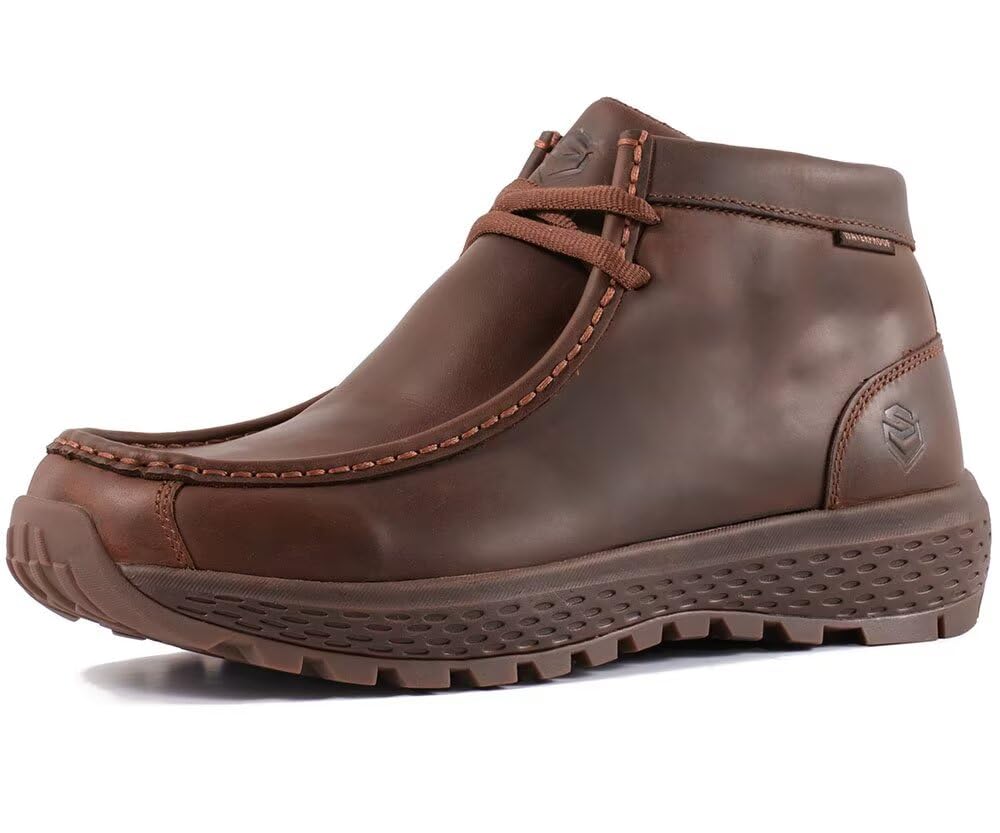


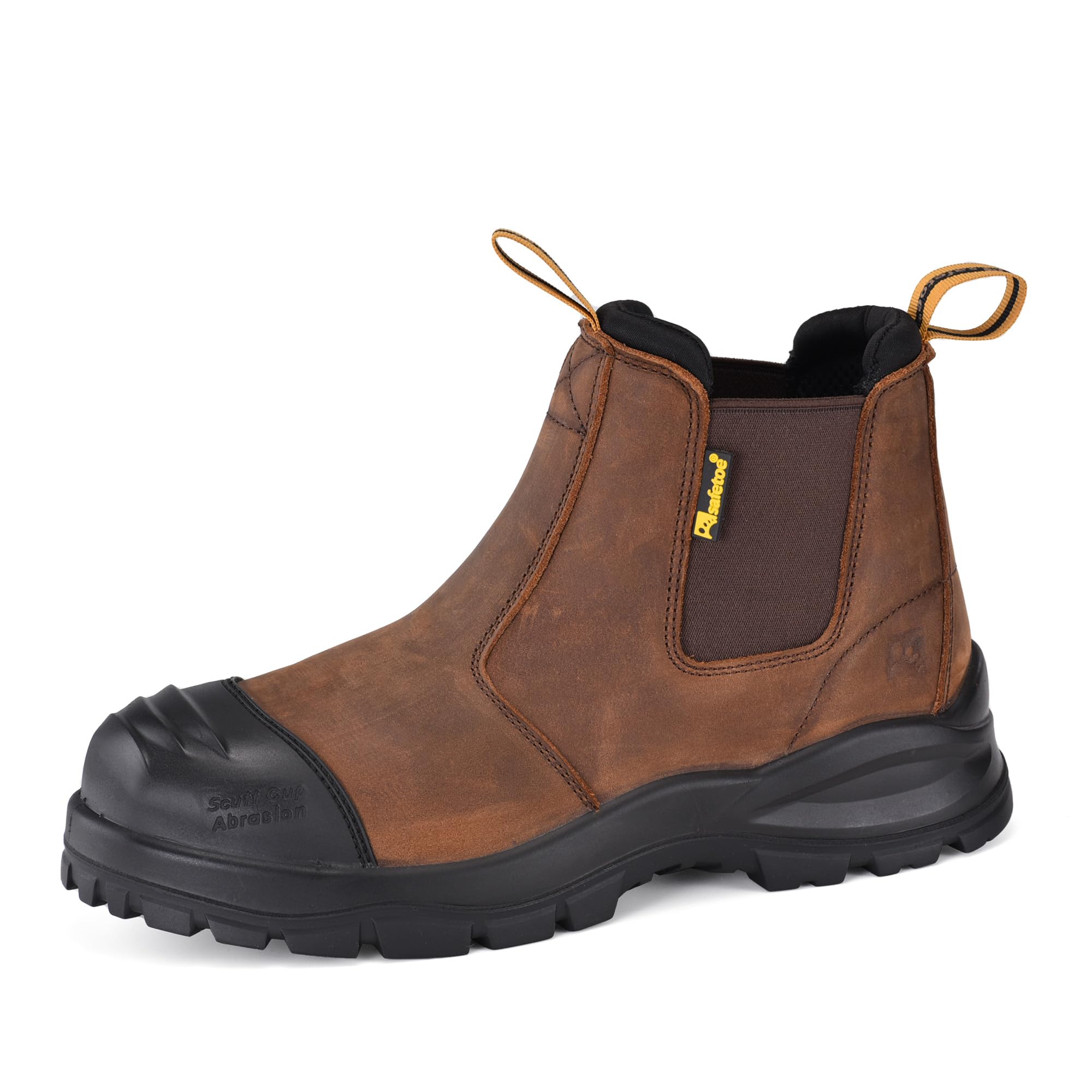
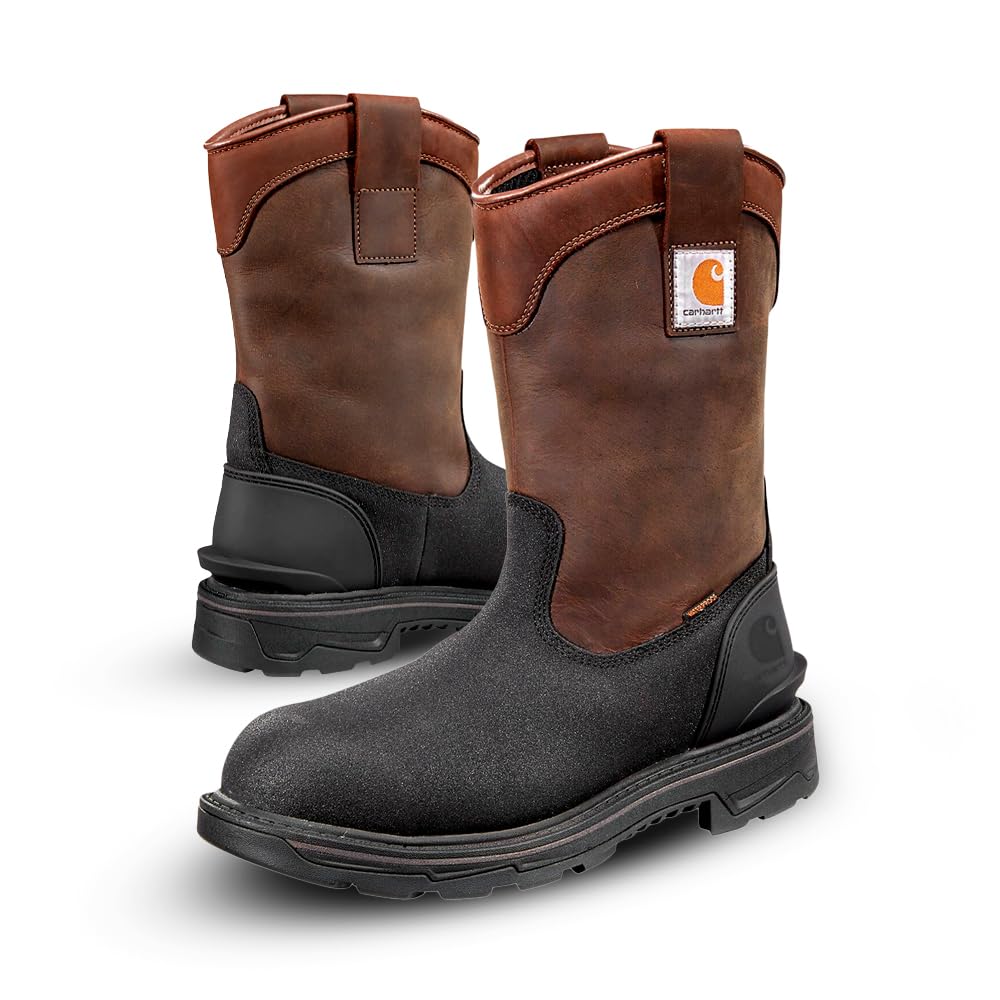

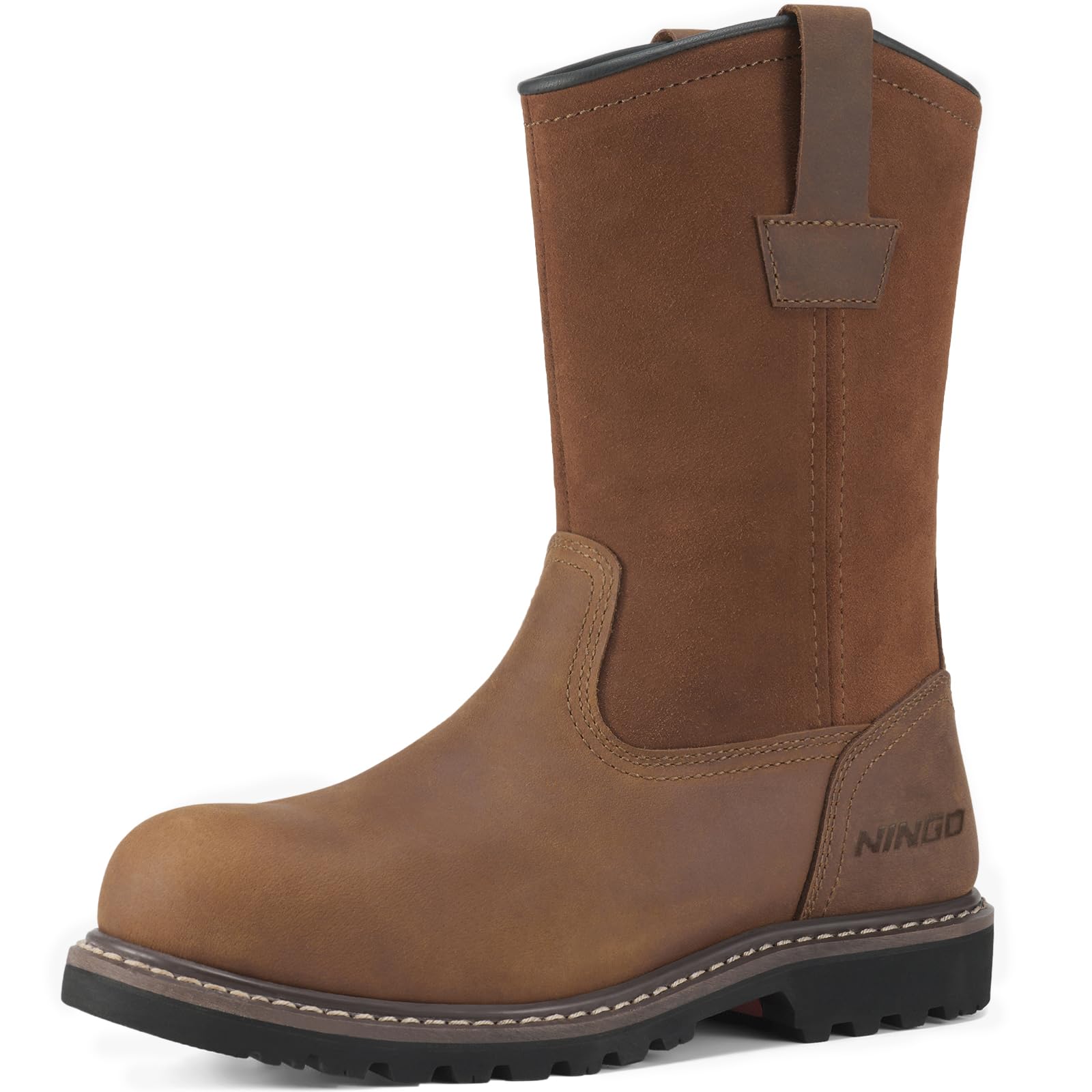

Key Features to Compare
Driving work creates a particular set of demands. Your feet stay in one position for hours, then need grip and support for steps, ramps, and uneven ground. Comfort, easy on and off access, and a sole that works on pedals all matter more than a single headline feature.
Features That Matter for Truckers
Truckers need a sole that gives steady pedal feel without slipping, a shaft height that supports the ankle on steps without digging into the calf while seated, and a closure that stays secure through a shift. Look for a tread pattern that clears mud and water, a toe shape that does not crowd your toes, and materials that cope with fuel stops, rain, and dust. For time in the cab, see our guide to the best headsets for truckers when you plan hands free communication for the road.
Fit, Sizing, and Toe Box
Measure your feet in the afternoon, when they are slightly larger, and wear the socks you will drive in. A roomy toe box lets your toes spread on long walks around a yard, while a snug heel keeps your foot from sliding on pedals. If one foot is larger, fit that foot first, and check the fit while seated as well as standing, since the ankle bends differently in the driving position.
Upper Materials and Breathability
Leather uppers tend to resist scuffs and weather, while mesh panels and knit sections can improve airflow on warm days. The right choice depends on your climate and how often you step into rain, snow, or mud. Check that seams sit flat against the foot, that the tongue stays centered, and that ventilation does not come at the cost of water resistance when you need it.
Arch Support and Foot Type
Flat feet, high arches, and a tendency to roll inward each change what feels supportive over a long shift. A removable insole is useful because it lets you swap in support that matches your arch without changing the boot itself. Test support on a short walk and after sitting for a while, since a boot that feels supportive at first can feel firm or flat later in the day.
Durability and Expected Lifespan
Driving boots wear in places that differ from hiking boots, with wear at the heel from pedals, at the toe from steps, and at the sole edge from yard surfaces. Strong stitching, a bonded or stitched sole, and replaceable laces or insoles can extend useful life. As a rough guide, many work boots last about 300 to 500 miles of regular walking use, though driving hours alone wear them more slowly than daily yard work.
Break In Period and Comfort Out of the Box
Some leather boots need several short wears before they flex naturally, while softer boots may feel comfortable right away but lose shape sooner. Plan short trial wears around the house and on short walks before a long shift, and pay attention to pressure at the ankle, the top of the foot, and the heel. Persistent rubbing, numbness, or swelling is a sign to try another size or shape, and to talk with a clinician if the problem keeps coming back.
Weight and Flexibility
Heavier boots can feel protective on a yard but tiring over a long day of getting in and out of the cab. Lighter boots can feel easier on the ankle yet offer less protection on rough ground. Flex the boot by hand and walk a few steps in it, checking that it bends near the ball of the foot rather than in the middle. The best balance is the lightest boot that still gives the grip and ankle support your routes require.
Spending Levels That Match Different Routines
Price alone does not tell you whether a boot suits driving work. Use spending levels as a way to match materials, build, and comfort features to how often you walk, climb, and work outdoors between drives.
When a Lower Price Makes Sense
A lower price can suit drivers who spend most of the shift seated and walk mainly on paved lots and fuel stops. At this level, focus on fit, a slip resistant sole, and a simple closure that you can manage quickly. You may give up some weather resistance or long term durability, so check the sole bond and stitching carefully before you buy.
When a Middle Price Makes Sense
A middle price often suits drivers who walk yards daily, climb steps often, and face mixed weather. This level may add better cushioning, stronger uppers, and more reliable waterproofing. It is a sensible place to look if you want one pair to cover driving, walking, and light yard work without constant replacement.
When a Higher Price Makes Sense
A higher price can suit drivers who work long outdoor shifts, face harsh weather, or need specific safety features for their site. At this level, look for durable soles, solid ankle support, and replaceable parts such as insoles and laces. Even here, fit still matters more than price, so do not assume a costly boot will break in well if it pinches on the first wear.
Quick Buyer Checklist
Run through these checks before you order, and answer each one honestly for your own routes.
- Does the toe box give your toes room without letting your heel slip?
- Does the sole grip wet concrete and stay steady on pedals?
- Can you get the boots on and off easily at fuel stops and rest breaks?
- Does the ankle height support steps without pressing into your calf while seated?
- Does the boot meet your employer, site, or local rules for the work you do?
- Can you replace the insoles or laces when they wear out?
- Have you tried the fit with your usual driving socks and after walking for a while?
Red Flags to Watch For
Watch for vague claims about grip, waterproofing, or safety that give no clear test or standard behind them. Short warranties, thin soles that flex in the middle, and stitching that already looks loose are warning signs. Be cautious about listings that show no clear size guide, no return option for fit problems, or photos that hide the sole and closure. If a boot cannot explain how it handles wet yards, long seated hours, and repeated steps, it is probably not built for driving work.
Tips to Get the Most From Your Boot
Air dry wet boots away from direct heat, and rotate two pairs for daily wear when you can, since rest days help cushioning recover its shape. Replace worn insoles before the boot itself wears out, and check laces and sole edges each week for damage. For hands free calls while parked, see our guide to the best bluetooth headsets for truckers and set up your device before you start driving, never while you are moving. Check your employer, manufacturer, and local rules for any safety features your site requires, and remember that no boot can guarantee protection in every situation.
Frequently Asked Questions
What features matter most in boots for truckers?
Pedal feel, grip on wet yards, ankle support for steps, and comfort during long seated hours matter most for truckers. A slip resistant sole, a roomy toe box, and a closure that stays secure through a shift are practical starting points. Weather resistance matters if you often step into rain or snow, while a removable insole helps you adjust support. Always check any safety features your employer or site requires before you choose.
Can I wear boots for truckers all day?
Many drivers do wear their boots all day, but comfort depends on fit, weight, and how much walking your route involves. Try a new pair on short shifts first, and pay attention to pressure at the heel, ankle, and top of the foot. Take breaks to stretch and change socks when you can, especially on warm days. If pain, numbness, or swelling persists, try another fit and talk with a clinician about the cause.
How long is the break in period for boots for truckers?
The break in period varies by material, with soft boots often feeling comfortable in a few short wears and stiffer leather boots taking longer. Wear new boots around the house and on short walks before a long shift, and stop if rubbing turns into blisters. A boot that still pinches after several short wears is probably the wrong shape or size. Do not expect a long shift to fix a poor fit.
Do I need waterproof boots for truckers?
Waterproofing is worth it if you regularly step into rain, snow, mud, or puddles at yards and fuel stops. For mainly dry, paved routes, a water resistant boot with good ventilation may feel more comfortable. Check how the boot handles water at seams and closures, not just the main upper material. Remember that waterproof boots still need drying time between shifts to stay comfortable.
How should boots for truckers fit?
Boots for truckers should fit snugly at the heel, roomy at the toes, and supportive through the arch without pressure points. Measure in the afternoon, wear your usual driving socks, and test the fit seated and standing. Your toes should not touch the front on steps, and your heel should not lift much when you walk. If the fit feels different between your two feet, fit the larger foot first.
Are expensive boots for truckers worth it?
Expensive boots can be worth it when they add durability, comfort, or safety features that match your routes, but price alone does not guarantee a good fit. A mid priced boot that fits well will serve most drivers better than a costly boot that pinches. Compare sole quality, stitching, and replaceable parts rather than price tags alone. For light driving routines, a simpler boot may cover every need.
The Bottom Line
Choose by fit first, then by grip, ankle support, and comfort across both driving and walking parts of your day. Check your employer and local rules, try the boots on short shifts, and use the product table above to compare types before you spend. The best boots for truckers for you are the pair that stays comfortable from the first stop to the last, without forcing you to adjust them while driving.


