
Best Boots for Truck Driving for Every Routine in 2026
Disclosure: We may earn a commission when you buy through links on this page, at no extra cost to you. As an Amazon Associate I earn from qualifying purchases. Learn more

Match driving boots to your routine, from long haul days to local routes and wet yard stops, with guidance on fit, durability, materials, and comfort.
There is no single pair that suits every driver, because best boots for truck driving depends on how you actually spend your day. A long haul driver needs easy pedal feel and all day comfort, while a local driver may need quick cab entry and grip for frequent stops.
This guide starts with your routine, then explains the features that support it, so you can pick by use rather than by looks alone. Use the comparison table below as a shortlist, then read the sections that match your route.


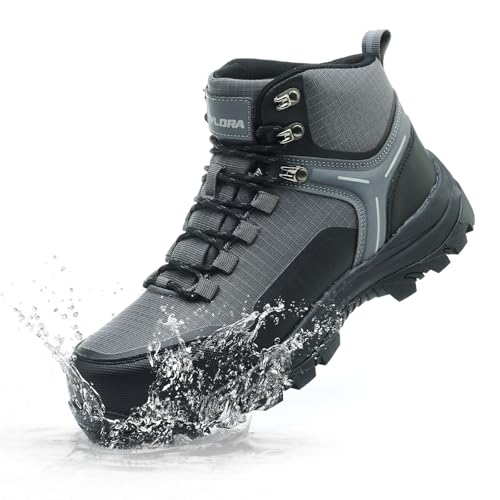
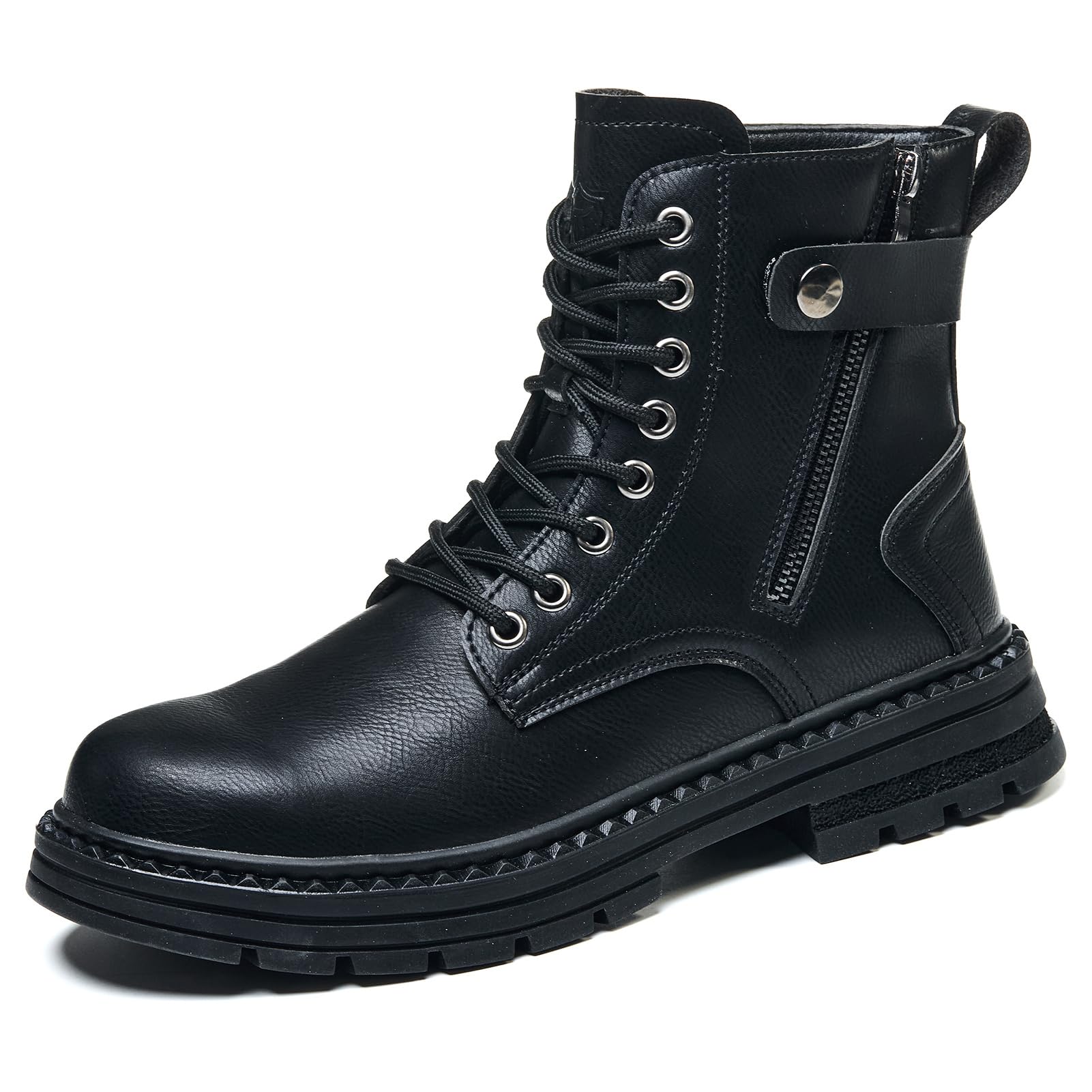


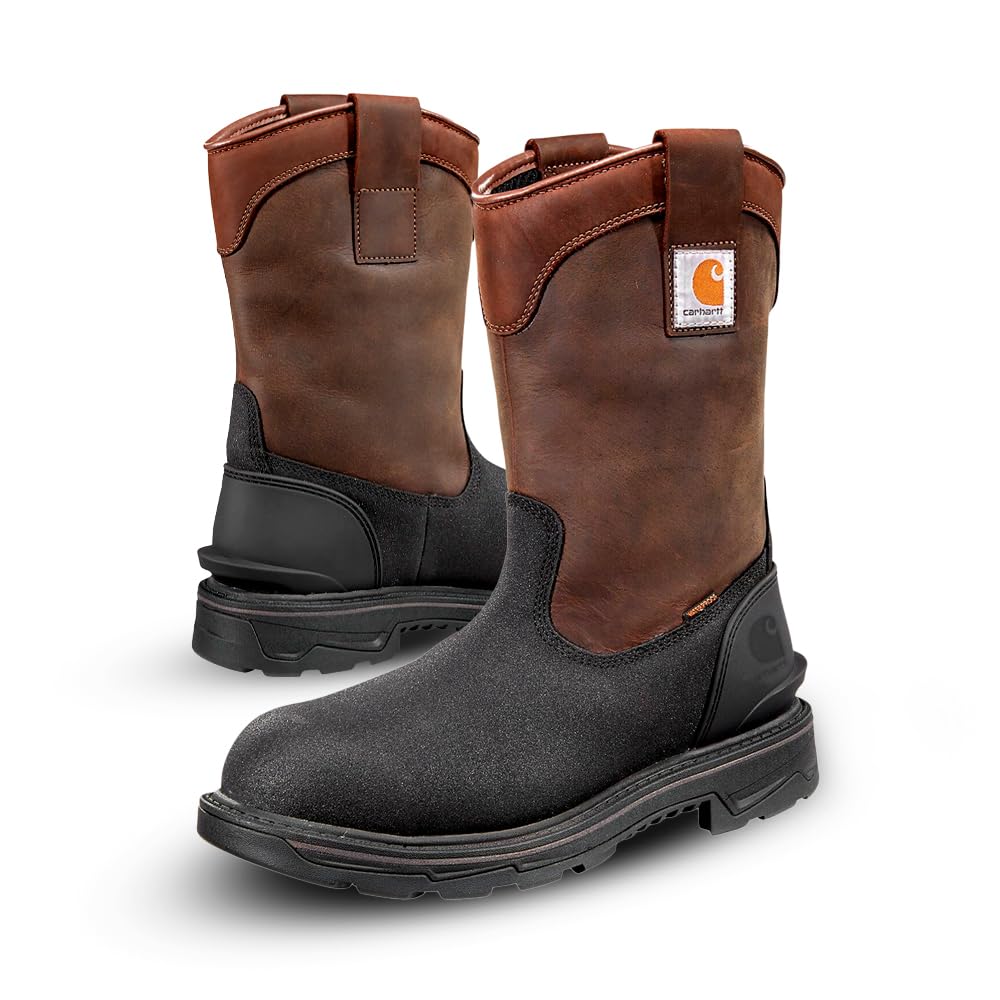
Who Should Buy Which Boots?
Start by naming your main routine. The groups below cover the most common driving patterns, and each one points to different priorities for fit, weight, and weather protection.
Long Haul Driving Days
Long haul drivers spend most of the shift seated, with long stretches between stops. Pedal feel matters a lot here, so a sole that is not too thick helps you judge pressure on the accelerator and brake. Light weight and even cushioning help reduce leg fatigue, while a roomy toe box prevents cramping during long seated hours. Keep a separate pair for yard work if your route includes wet or rough ground.
Local and Short Haul Routes
Local and short haul drivers get in and out of the cab many times a day, often on city streets and loading docks. Quick entry matters, so look for a closure you can adjust fast without a struggle. Grip matters on painted concrete and wet steps, and a stable heel helps when you climb up and down often. A mid weight style often balances pedal feel with enough support for repeated short walks.
Bad Weather and Yard Stops
Drivers who face rain, snow, or muddy yards need coverage first and pedal feel second. A waterproof upper and a lugged sole help on slick surfaces, while a higher ankle can keep out slush and debris. These boots can feel warm in summer, so choose the lightest waterproof style that still covers your needs. Dry them fully between shifts to keep the lining fresh and flexible.
Frequent Drivers With Lots of Walking
Some drivers walk a lot at warehouses, farms, or delivery points, even though driving is still the main job. For this routine, support and shock absorption matter as much as pedal feel. Look for a structured midsole, a durable outsole, and a fit that stays steady on uneven ground. If walking distance grows over time, check wear on the heel and sole, since uneven wear can change how the boot feels.
Key Features to Compare
Once you know your routine, compare features in terms of what they do for you on a real shift. The points below focus on driving comfort, walking comfort, and how long a pair stays useful.
Season also changes the balance. A pair that feels right in cool weather may feel hot in summer, and a light summer pair may offer too little coverage in winter rain. If your route crosses climates, plan for two pairs rather than one compromise pair, and store the off season pair clean and dry. This approach keeps pedal feel steady while giving your feet the right coverage for each season.
Durability and Expected Lifespan
Durability depends on materials, stitching, sole wear, and how often you walk on rough surfaces. A pair used mainly for driving can last longer than a pair used daily on gravel and concrete. Check the outsole for thinning, the upper for splits at flex points, and the heel for uneven wear. Replace boots when grip fades, support feels flat, or seams start to fail, rather than by calendar alone.
Features That Matter for Truck Driving
Truck driving asks for a mix of pedal control, cab safety, and walking grip that few other jobs combine. A sole with a clear edge helps you find pedals without looking down, while a heel that sits flat helps you move smoothly between pedals. Ankle flex matters when you climb into a high cab, and a secure closure stops the foot from sliding at key moments.
For a type by type view, see our guide to best boots for truck drivers. For pure driving styles, see our guide to best driving boots. Never adjust footwear while driving, and always check employer, maker, and local rules for required protection. No boot can guarantee protection, so choose for your surfaces and tasks.
Upper Materials and Breathability
Leather uppers often feel sturdy and resist scuffs, while mesh and knit uppers breathe better in warm weather. A leather style may need a short break in period, while a mesh style often feels soft from the first wear. Breathability matters most on long summer shifts, when sweat can make a good fit feel tight. Choose a lining that wicks moisture, and air boots out between shifts to keep them comfortable.
Fit, Sizing, and Toe Box
Fit starts with measuring feet in the afternoon and wearing your usual driving socks. A wide toe box lets toes spread, which helps on long days and during yard walks. The heel should stay put when you step up into the cab, and the boot should bend at the ball of the foot for natural pedal moves. If sizes fall between two options, try the larger size first with thinner socks, then adjust laces for a snug heel.
Common Mistakes to Avoid When Buying Boots
- Judging by price alone, without testing fit and pedal feel on a real drive.
- Ignoring durability and expected lifespan, so a soft pair wears out fast on rough yards.
- Buying too large or too small, which can cause rubbing, sliding, and tired feet.
- Skipping a warranty or return check, which leaves no room to test the fit on shifts.
- Choosing heavy protection for a mostly seated route, which adds fatigue with no benefit.
Tips to Get the Most From Your Boot
Rotate two pairs for daily wear when you can, so each pair dries fully between shifts. Air dry wet shoes away from direct heat, and clean mud from the outsole after yard stops. Keep cab floor mats clean and flat, since a curled mat can catch a heel during pedal moves, and see our guide to best truck mats for cab floor options.
Hands free calls are a separate cab choice, so see our guide to best headsets for driving when you plan that gear. Check laces and soles weekly, and replace worn pairs before grip or support fails.
FAQs
What features matter most in boots for truck driving?
Pedal feel, fit, grip, and route matched weather protection matter most for truck driving. Pedal feel comes from sole thickness and flex, while fit keeps the foot steady during long seated hours and yard walks. Grip matters on wet steps and dock floors, and weather protection should match your climate rather than every possible storm. Support, weight, and breathability come next, and they should follow your walking distance and season, so test boots in the cab before a long route.
Are expensive boots for truck driving worth it?
Expensive boots can be worth it when you need durable soles, waterproof uppers, or daily yard work, but price alone does not ensure comfort. A mid priced pair that fits well and suits your route often beats a costly pair that pinches or feels heavy. Look at stitching, sole wear, and return terms rather than price tags alone. Spend more for heavy use and wet routes, and spend less for light, mostly seated driving on dry roads.
How long is the break in period for boots for truck driving?
The break in period is often a few short wears for soft styles and one to two weeks for stiffer leather styles. Start with short local trips, then build up to longer shifts as the upper softens. Watch for hot spots on the heel and toes, and adjust laces before you blame the size. If sharp pain continues after steady short wears, the shape or size is likely wrong, and a different width may help.
Can I wear driving boots all day?
Yes, most driving boots are made for all day wear, but comfort depends on weight, fit, and walking distance. Light styles feel easier during long seated shifts, while heavier styles feel better for yard work in bad weather. Change socks during a long break if feet sweat, and loosen laces at rest stops to ease pressure. If daily soreness continues, talk with a clinician and check your size, support, and walking load.
Do I need waterproof shoes for truck driving?
You need waterproof boots only if your route regularly includes rain, snow, mud, or standing water at stops. Waterproof styles keep feet dry in those settings, but they can feel warm on dry summer routes. Water resistant styles handle light rain and dry faster, which suits mostly paved local work. If your route changes with the season, keep a waterproof pair for wet months and a lighter pair for dry months.
How should boots for truck driving fit?
Boots for truck driving should feel snug at the heel, roomy at the toes, and even across the arch, with no sharp pressure. Toes should not touch the front when you climb into the cab or walk downhill. The boot should bend at the ball of the foot, so pedal moves feel smooth and natural. Try both boots with driving socks, sit as if driving, and walk on a hard floor before you decide.
Our Verdict
Match the boot to your routine first: light and flexible for long haul days, quick entry and grip for local routes, waterproof coverage for wet yards, and steady support for heavy walking. Then check fit with your driving socks, test pedal feel, and confirm any employer or local rules. The product table above offers a quick way to compare the main options. With that match in place, best boots for truck driving becomes a clear choice based on comfort, control, and the ground you walk on each day.


