Best Boots for Truck Drivers: Every Type Compared for 2026
Disclosure: We may earn a commission when you buy through links on this page, at no extra cost to you. As an Amazon Associate I earn from qualifying purchases. Learn more

Compare truck driver boot types side by side, from waterproof styles to light styles, and learn which fit, grip, and comfort features suit days on the road.
Choosing best boots for truck drivers can feel confusing because one pair must work for long hours behind the wheel, quick stops at fuel stations, and walks across wet yards. The right choice depends less on looks and more on how your feet move, how much support you need, and how often you step outside the cab.
This guide compares the main types side by side, explains the fit and comfort features that matter most, and helps you match a style to your routine. Use the comparison table below to narrow the field before you read the detailed sections.


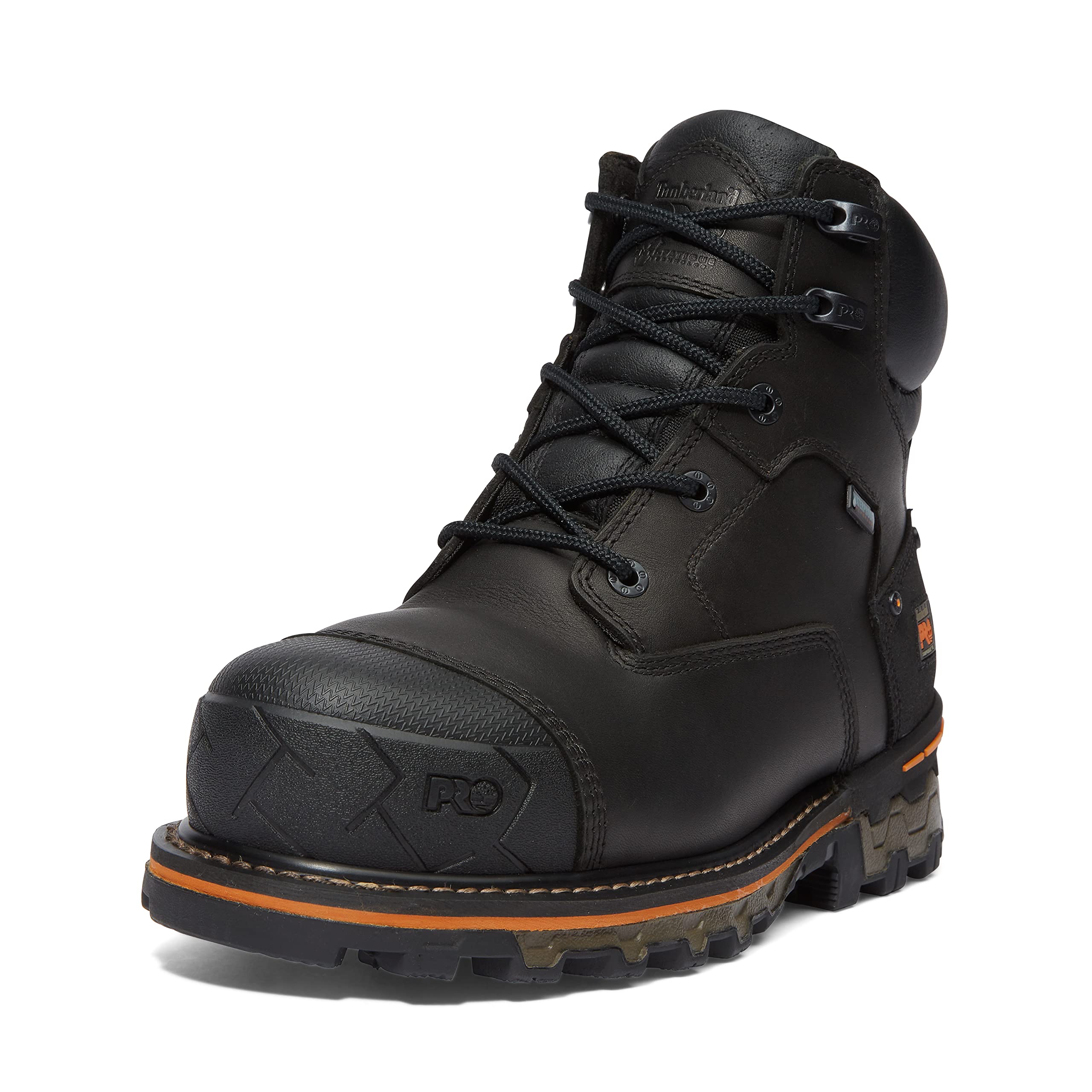

Types of Boots Compared
The table below gives a quick view of the main options. Each type suits a different mix of driving, walking, and weather, so think about your longest day rather than your shortest trip.
| Type | Best For | Pros | Cons | Typical Price |
|---|---|---|---|---|
| Leather work boots | Yard work and rough surfaces | Durable and supportive | Heavier and slower to break in | about $120 to $250 |
| Waterproof boots | Rain, snow, and wet yards | Dry feet and strong grip | Less airflow in warm weather | about $120 to $200 |
| Lightweight boots | Long driving days and short walks | Easy pedal feel and less leg fatigue | Less ankle coverage | about $80 to $150 |
| Stability and support boots | Drivers who need steady footing | Structured support and even cushioning | Heavier than light styles | about $100 to $170 |
Leather Work Boots
Leather work boots suit drivers who also load, chain down, or walk rough yards between runs. Thick leather resists scuffs and dropped objects, and a stitched or bonded sole holds up on gravel and concrete. Look for a flexible forefoot so the boot still bends for pedal work, and a heel that does not catch on the cab edge. They weigh more than lighter styles and need a short break in, so wear them on easy shifts first.
Waterproof Boots
Waterproof boots suit drivers who often walk through rain, snow, mud, or wet loading areas. A sealed membrane helps keep water out, while a lugged outsole gives grip on slick docks and gravel. The trade off is airflow, so these boots can feel warm on long summer drives. Choose a height that covers the ankle without pressing on the calf, and check that the boot still bends easily at the toes for pedal work.
Lightweight Boots
Lightweight boots suit drivers who spend most of the day seated and walk only short distances at stops. A thinner sole gives a clearer feel for the pedals, and less weight can reduce leg fatigue over a long shift. They work best when the ground is dry and even, and when you do not need heavy protection. Look for a stable heel, a roomy toe box, and a sole that grips smooth floors without catching on pedals.
Stability and Support Boots
Stability and support boots suit drivers who want steady footing and even pressure across the foot. A structured midsole can help when you stand for inspections, climb in and out of the cab, or walk across uneven yards. These styles often weigh more than light boots, so try them with the socks you wear on the job. Check that the arch support feels even rather than sharp, and that the heel stays in place when you step up into the cab.
Leather Work Boots vs Waterproof Boots: Which Should You Choose?
These two types serve different parts of a driving day, so some drivers keep both rather than choosing only one. Leather work boots win for abrasion resistance, dropped objects, and rough yard surfaces. Waterproof boots win for wet weather, muddy yards, and any task where dry feet matter most.
If you drive in dry weather and rarely leave paved areas, a lightweight pair may be enough. If rain or snow is part of your route, waterproof boots should be your main work pair, with leather work boots kept for rough loading jobs.
How to Choose the Right Boot
Fit, Sizing, and Toe Box
Measure your feet in the afternoon, when feet are often slightly larger, and wear your usual driving socks. A roomy toe box lets toes spread without rubbing, while a snug heel stops the foot from sliding forward when you brake. If one foot is larger, fit that foot first and adjust laces or straps on the other side. Swap sizes if your toes touch the front on downhill walks or if your heel lifts with each step.
Waterproofing
Waterproofing matters most for drivers who face rain, snow, or standing water at yards and docks. A membrane style boot keeps water out but also traps more heat, so it can feel warm in summer. A water resistant style sheds light rain and dries faster, but it will soak through in heavy rain. Think about your route and season, and remember that wet socks can make even a good fit feel uncomfortable.
Cushioning and Support
Cushioning affects how your feet feel after hours of sitting plus bursts of walking. Soft foam feels gentle at first but can flatten with daily use, while firmer foam often holds its shape longer. Stability styles add structure under the arch, while neutral styles let the foot move more freely. Heel to toe drop changes how your foot strikes the ground, so a lower drop may feel steadier for some drivers and less natural for others.
Break In Period and Comfort Out of the Box
Some boots feel comfortable from the first wear, while others need short wears to soften the upper and sole. Start with short trips around home or at rest stops before a long shift, and watch for pressure on the toes, heel, or ankle bones. Laces, straps, and insoles can change the feel a lot, so adjust them before you decide the size is wrong. If pain, numbness, or swelling persists, stop wearing the pair and talk with a clinician about your needs.
Features That Matter for Truck Drivers
Truck drivers need boots that work for pedal control, cab entry, and yard walks in one day. A sole that is too thick can dull pedal feel, while a sole that is too thin can feel harsh on concrete. Look for grip that holds on wet steps, a heel that does not catch on the cab edge, and an upper that flexes at the ankle.
For job site rules, see our guide to best work boots for truck drivers. Drivers who help at roadside stops may also compare best boots for tow truck drivers.
Never adjust footwear, laces, or straps while driving, and always check employer, maker, and local rules for any required protection. No boot can guarantee protection, so match the style to the task and the surface.
How to Make Your Boot Last Longer
Rotate two pairs for daily wear when you can, so each pair has time to air out between shifts. Air dry wet shoes away from direct heat, since strong heat can stiffen leather and warp soles. Clean mud and road salt from the outsole, and check laces, stitching, and heel wear often. Replace worn pairs when grip fades or support feels uneven, rather than waiting for a tear.
Boots: Your Questions Answered
What features matter most in truck driver boots?
Fit, pedal feel, grip, and weather protection matter most, in that order for most drivers. A boot that fits well keeps your foot steady on the pedals and reduces rubbing during yard walks. Grip matters on wet steps and dock surfaces, while weather protection matters only as much as your route demands. Support and cushioning come next, and they should suit your walking distance rather than a generic rating, so try boots with your driving socks and test cab entry before a long shift.
Can I wear truck driver boots all day?
Yes, many drivers wear one pair all day, but comfort depends on fit, weight, and how much you walk. A light pair may feel better for long seated hours, while a heavier waterproof pair may feel better for wet yard work. Change socks at a mid shift break if your feet sweat, and loosen laces during rest stops to ease pressure. If your feet ache every day despite a good fit, talk with a clinician and check whether your size or support needs have changed.
How long is the break in period for truck driver boots?
The break in period is often a few short wears for light styles and one to two weeks of regular use for stiffer leather boots. Wear new boots for short trips first, and pay attention to hot spots on the heel, toes, and ankle. Adjust laces or add a thin insole if pressure feels uneven, but do not force through sharp pain. A pair that still pinches after steady short wears is likely the wrong size or shape for your foot.
Are expensive truck driver boots worth it?
Higher prices often buy better materials, stronger stitching, and longer lasting soles, but price alone does not prove a good fit. A mid priced pair that fits your foot shape and route will serve you better than a costly pair that pinches. Spend more when you need waterproofing, heavy duty soles, or daily yard work, and spend less when you mainly drive on dry routes. Check the return terms so you can test the fit on real shifts.
How should truck driver boots fit?
Truck driver boots should feel snug at the heel, roomy at the toes, and even across the arch, with no sharp pressure points. Your toes should not touch the front when you walk downhill or climb into the cab. The boot should bend at the ball of the foot, not in the middle, so pedal moves feel natural. Try both boots, walk on a hard floor, and sit as if driving to check ankle flex before you commit.
Final Thoughts
Start with your routine, then choose a type that matches it: light styles for mostly seated days, waterproof boots for wet routes, support styles for steady footing, and leather work boots for rough yards. Check fit with your driving socks, test pedal feel and cab entry, and confirm any employer or local rules that apply. The product table above can help you compare the main types at a glance. With the right match, best boots for truck drivers becomes a practical choice based on fit, grip, and comfort, not guesswork.