Best Boots for Dirt Bike Trail Riding for 2026: Complete Buying Guide
Disclosure: We may earn a commission when you buy through links on this page, at no extra cost to you. As an Amazon Associate I earn from qualifying purchases. Learn more

Compare the best boots for dirt bike trail riding by protection, sole grip, fit, and price, with sizing and care tips for new and experienced riders.
Trail riding asks different things of a boot than track riding does. You dab a foot down on loose climbs, walk the bike through mud, and stand on the pegs for hours, so the best boots for dirt bike trail riding need real ankle support plus a sole that grips off the bike as well as on it.
This guide compares the main boot styles, explains what each budget buys, and covers the fit and protection details that matter on the trail. Use the product table to see how the options differ, then read on for sizing, care, and the mistakes that waste money.




Who Should Choose Which Trail Boot?
New Trail Riders on Easy Forest Roads
If most of your riding is graded forest roads and gentle two track, a flexible adventure style boot is usually enough. You get moderate ankle protection, a lugged sole you can walk in, and a boot that feels closer to a sturdy hiking boot. Riders still weighing general purpose options can also see our guide to the best dirt bike riding boots for a broader look at styles.
Technical Single Track Riders
Riders on rocky, rutted single track need the stiffest support they can tolerate. A full height boot with a hinged ankle and a strong toe box guards against rocks, roots, and a falling bike. You will walk short sections to scout lines or lift the bike, so a defined heel and a grippy arch matter more than outright softness.
Wet Weather and Mud Riders
If your trails cross streams and stay muddy for months, water management decides comfort. Look for a tall shaft, sealed seams, and a membrane bootie, and expect to pay more for real waterproofing. Riders who split time between steep bike routes and trails can compare machines in our guide to the best dirt bike for mountain trails, since heavier bikes make stronger boots worth the money.
What Each Budget Buys on the Trail
Entry Boots: about $120 to $200
Entry boots use synthetic panels, basic buckles, and a glued sole, with protection focused on the shin plate and toe cap. They suit newer riders and light trail use, and the fit is usually forgiving. Expect the ankle area to feel soft sooner, and plan on replacing them after a few hard seasons.
Mid Range Boots: about $200 to $320
This is where most trail riders should shop. You get more leather or microfiber in high wear areas, metal buckle hardware, better ankle support, and often a stitched sole that a cobbler can replace. Comfort improves too, with shaped footbeds and padding that survives long days.
Premium Boots: about $320 to $500
Premium boots add a hinged ankle system, lighter materials, and a waterproof membrane that actually lasts. The hinge lets your ankle flex forward for shifting and braking while resisting sideways twists. If you ride weekly in rough country, the extra control and durability can justify the price.
How to Choose the Best Boots for Dirt Bike Trail Riding
Choosing the best boots for dirt bike trail riding starts with honest answers about your terrain, your weather, and how much walking you really do. The factors below decide comfort and safety far more than color or brand.
Ankle, Shin, and Toe Protection
A rigid shin plate spreads the impact of roost and branches, and internal ankle cups guard the bones on both sides of the joint. A reinforced toe box protects your toes when the front wheel kicks a rock upward. No boot can guarantee protection in a crash, so treat armor as risk reduction, ride within your limits, and replace any boot after a serious impact that cracks plastic or bends the hinge.
Sole Grip and Peg Feel
Trail soles need a balance that track soles ignore. A smooth arch section sits securely on the peg, while lugged heel and toe areas bite when you paddle through mud or push the bike up a bank. Stitched soles last longer and can be resoled, while glued soles feel lighter but usually end the boot's life when they peel.
Closures, Fit, and Sizing
Most full height boots use three or four adjustable buckles plus a top strap, and metal buckles survive crashes better than plastic ones. Try boots on with your thickest riding socks, late in the day when feet are slightly swollen. Your toes should not jam the front when you press down, and your heel should lift only slightly when you walk.
Water Resistance and Breathability
A waterproof membrane keeps stream crossings and wet grass from soaking your socks, but it also traps heat on summer rides. Riders in dry country often prefer a plain boot that vents better and dries overnight. If you choose a membrane, check that the top gaiter seals against your calf, because most water enters from above, not through the walls.
Weight and Walking Comfort
A pair of full height boots can weigh about 6 to 8 pounds, and that weight swings with every step on a hike out. Lighter adventure style boots walk far better but give up ankle stiffness. Match the weight to your reality: the more you walk hills, load trailers, and move around camp, the more walking comfort matters.
Types of Dirt Bike Trail Boots
Full Height Motocross Style Boots
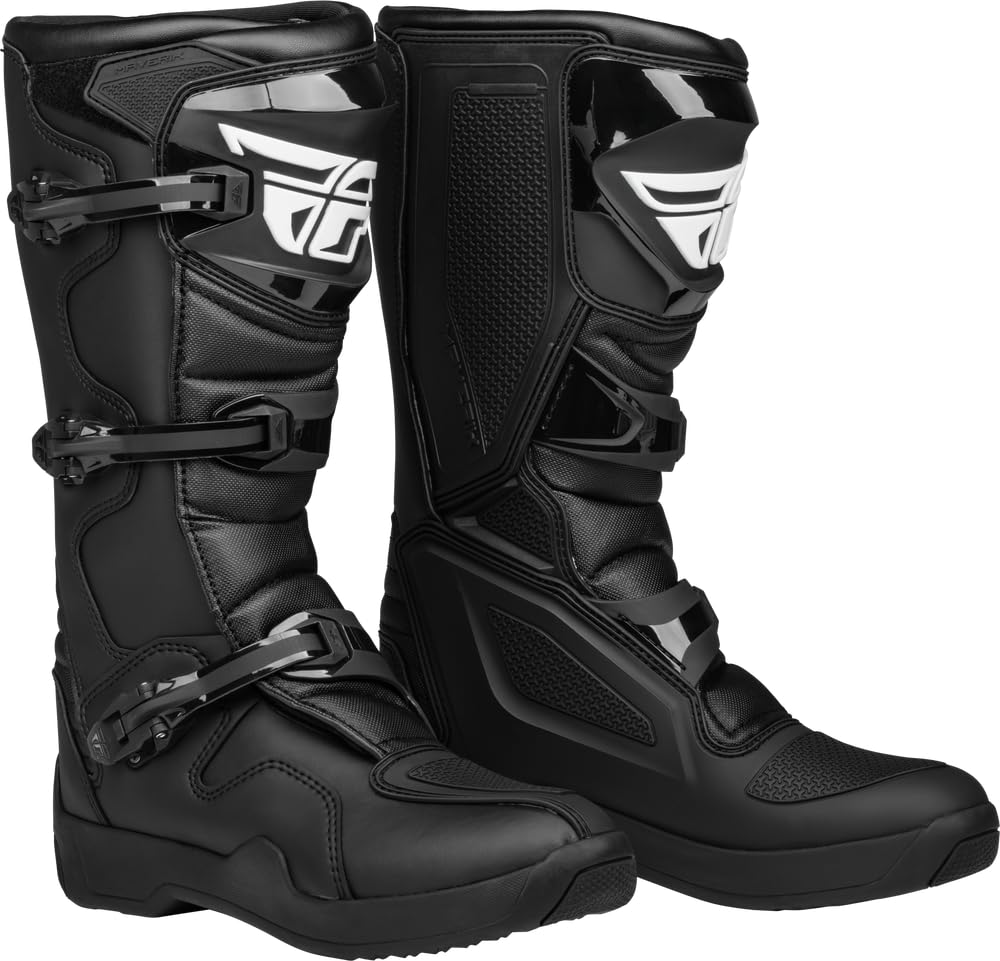
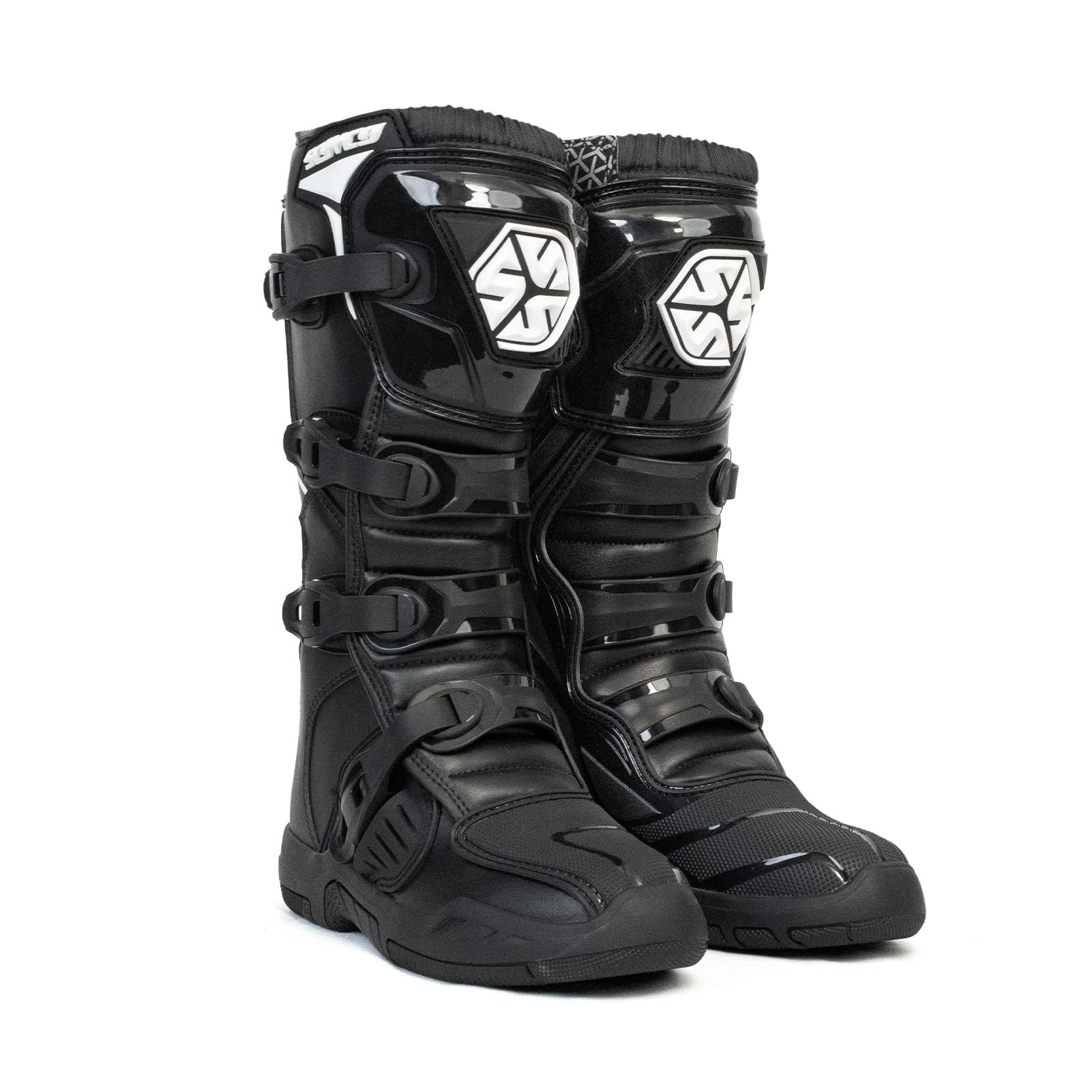
These are the tallest and stiffest option, built for impact protection first. They suit fast or technical trails where crashes involve rocks and the bike itself. The tradeoff is a clumsy feel at first and poor walking comfort on long climbs.
Adventure Style Boots
Adventure boots are shorter, softer, and shaped more like footwear than armor. They work well for mixed riding that includes pavement, gravel, and easy trails, plus walking at stops. They are the comfort pick, not the maximum protection pick.
Trials Style Boots
Trials boots favor feel and flexibility, with soft soles that read the pegs and the ground precisely. Slow technical riders who stand and balance a lot love them. They offer the least shin and ankle protection of the three, so faster trail speeds argue against them.
Common Mistakes to Avoid
- Buying motocross boots with a slick sole for muddy trails, so every foot dab slides out on wet ground.
- Sizing boots in thin street socks, then finding them painfully tight with proper riding socks.
- Choosing the tallest, stiffest boot for gentle trails, which makes shifting and walking needlessly tiring.
- Ignoring calf width, so the top strap cannot close over riding pants and the shaft fills with water and grit.
- Keeping a boot with a cracked shin plate or bent hinge, because damaged armor no longer spreads impact as designed.
Care and Maintenance Tips
- Rinse mud off after every ride and stuff the boots with newspaper so the interior dries fully before the next outing.
- Dry boots at room temperature away from heaters and direct sun, since forced heat makes leather crack and glues soften.
- Check buckles, straps, and screws monthly, and replace worn buckles before one fails mid ride.
- Inspect soles and stitching each season; a resole at the right time costs far less than a new pair.
- After any hard crash, look for cracked plastic, torn seams, and a loose ankle hinge, and retire the boot if the structure is damaged.
Frequently Asked Questions
Can I use motocross boots for trail riding?
Yes, and many riders do, especially on fast or rocky trails where protection matters most. The main drawbacks are a smooth sole that slips when you walk in mud and a stiff ankle that tires beginners. If your trails are slow and muddy, a trail focused boot with a lugged sole is usually the better match.
How tight should dirt bike trail boots feel when new?
They should feel snug around the ankle and midfoot, with clear room in front of your toes. A small amount of heel lift is normal while the boot breaks in, but numb toes or hot spots mean the size or width is wrong. Boots soften with use, yet they never grow longer, so never buy short and hope.
Are waterproof trail boots worth the extra cost?
They are worth it if you regularly cross streams, ride in rain, or face long wet grass sections. In dry regions the membrane mostly adds heat and cost, and a plain boot dries faster after the odd puddle. Remember that deep water over the top of the shaft soaks any boot, membrane or not.
How long do dirt bike trail boots usually last?
A mid range pair often lasts about three to five seasons of regular weekend riding. Sole wear, floppy ankle support, and cracked plastic are the usual end points, not the calendar. Riders who resole stitched boots and replace worn buckles can stretch a good pair well beyond that range, especially with careful drying and storage.
Should I buy boots one size up for thick socks?
Not automatically, because many riding boots are already lasted with thick socks in mind. Instead, bring your actual riding socks to the fitting and judge the real combination. Going up a full size when it is not needed lets your foot slide, which causes blisters and dulls your feel on the pegs.
Final Thoughts
Start with fit, then weigh protection against walking comfort for the trails you actually ride. Use the product table to compare soles, closures, and prices quickly. Choose the best boots for dirt bike trail riding for your terrain and weather, and the boots will quietly do their job for seasons.