
Best Boots for Tall Women for 2026: Every Type Explained Side by Side
Disclosure: We may earn a commission when you buy through links on this page, at no extra cost to you. As an Amazon Associate I earn from qualifying purchases. Learn more

Compare boot types for taller women by shaft height, fit, cushioning, and price, so you can pick a comfortable pair for daily wear, work, and weekends.
Shopping for best boots for tall women can feel confusing because the same boot can fit two people very differently when leg length, calf shape, and foot size all vary. A tall shaft that ends at a comfortable spot on one person may pinch or gap on another, and a footbed that feels supportive for a short walk may feel flat after a full day. The comparison table below lays out the main boot types side by side, so you can compare them before you narrow your choice.
This guide explains each type in plain terms, compares the main options directly, and walks through fit, cushioning, and care. It does not rank individual products or name specific models. Use it to match a boot type to your daily routine, your climate, and the way you like a boot to feel on your foot.


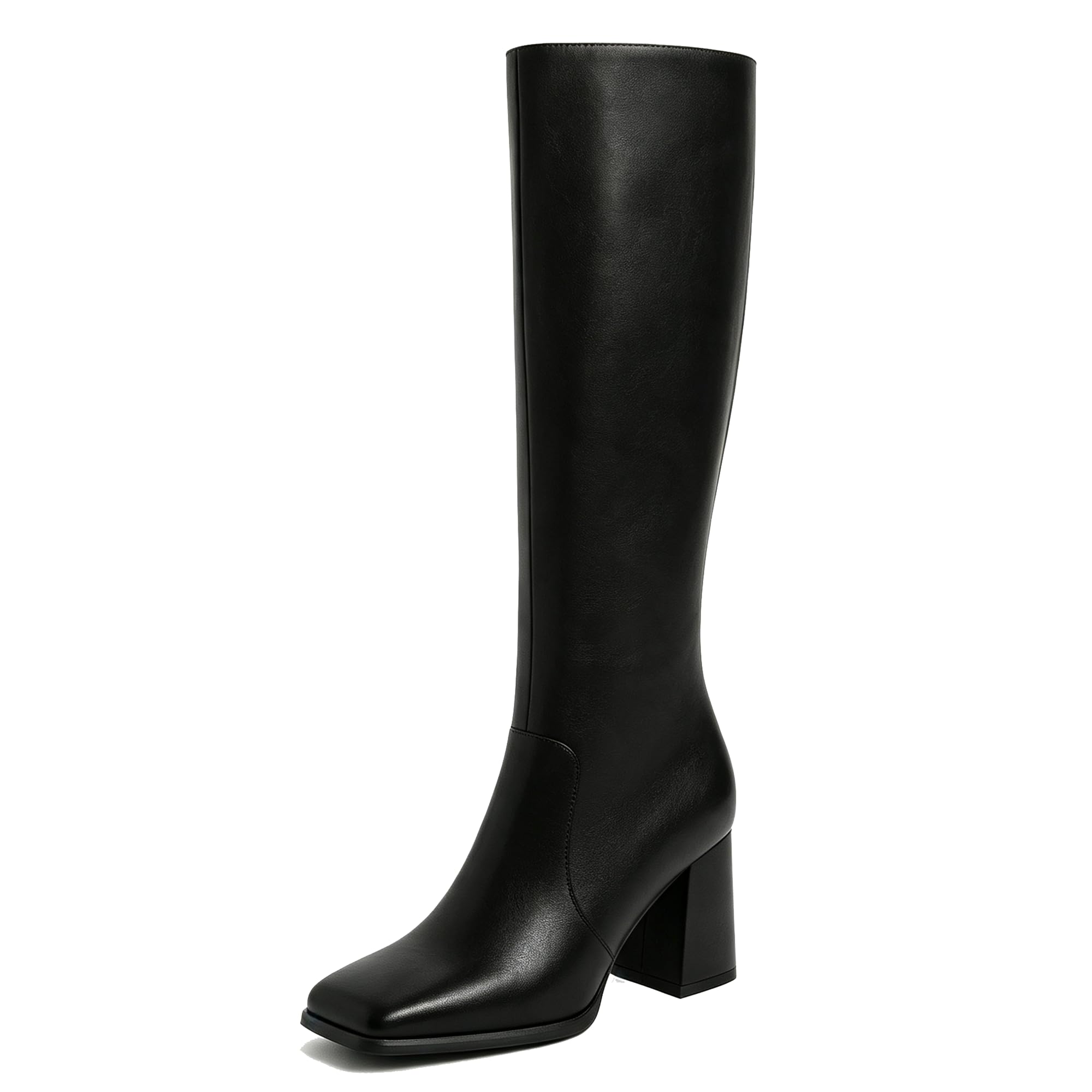

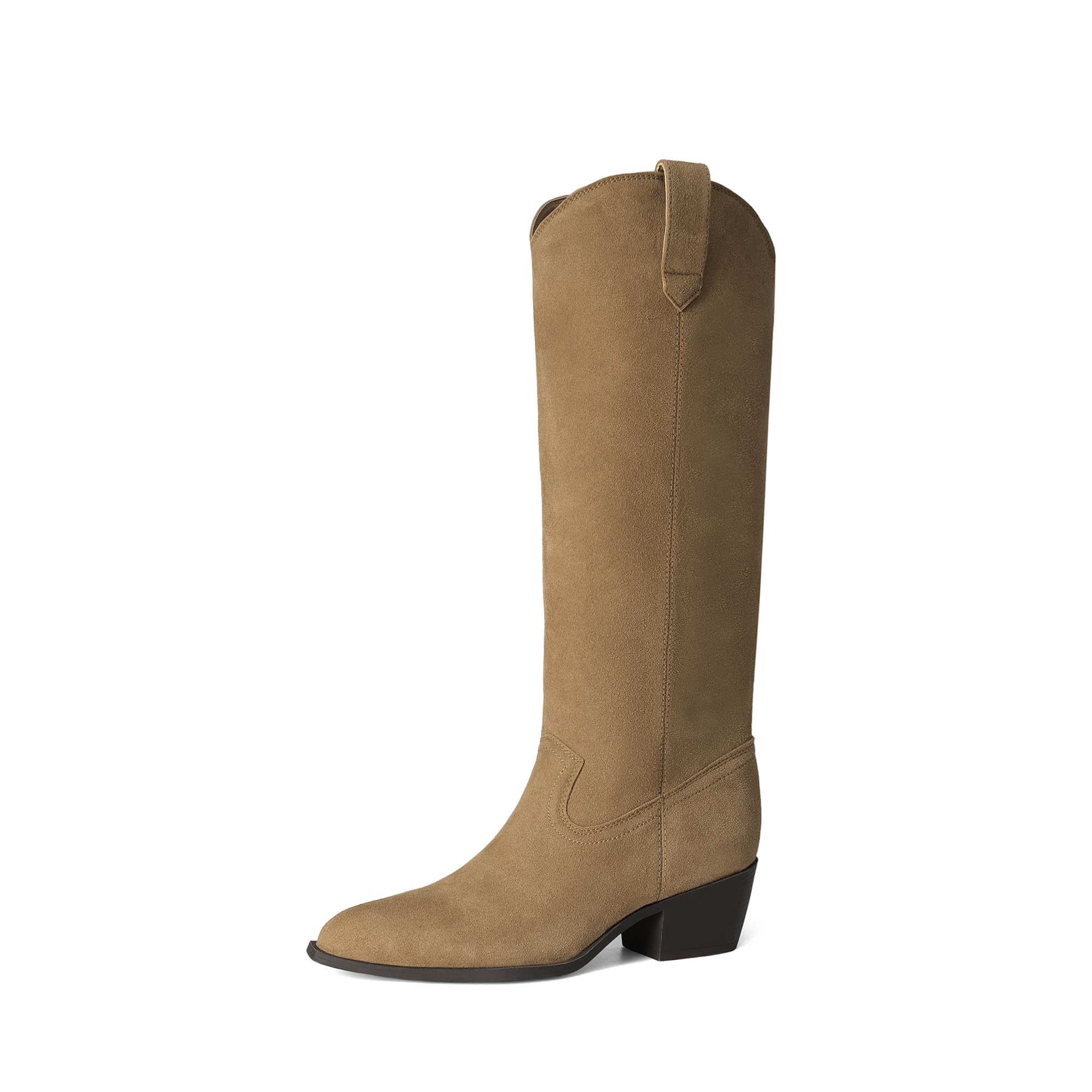
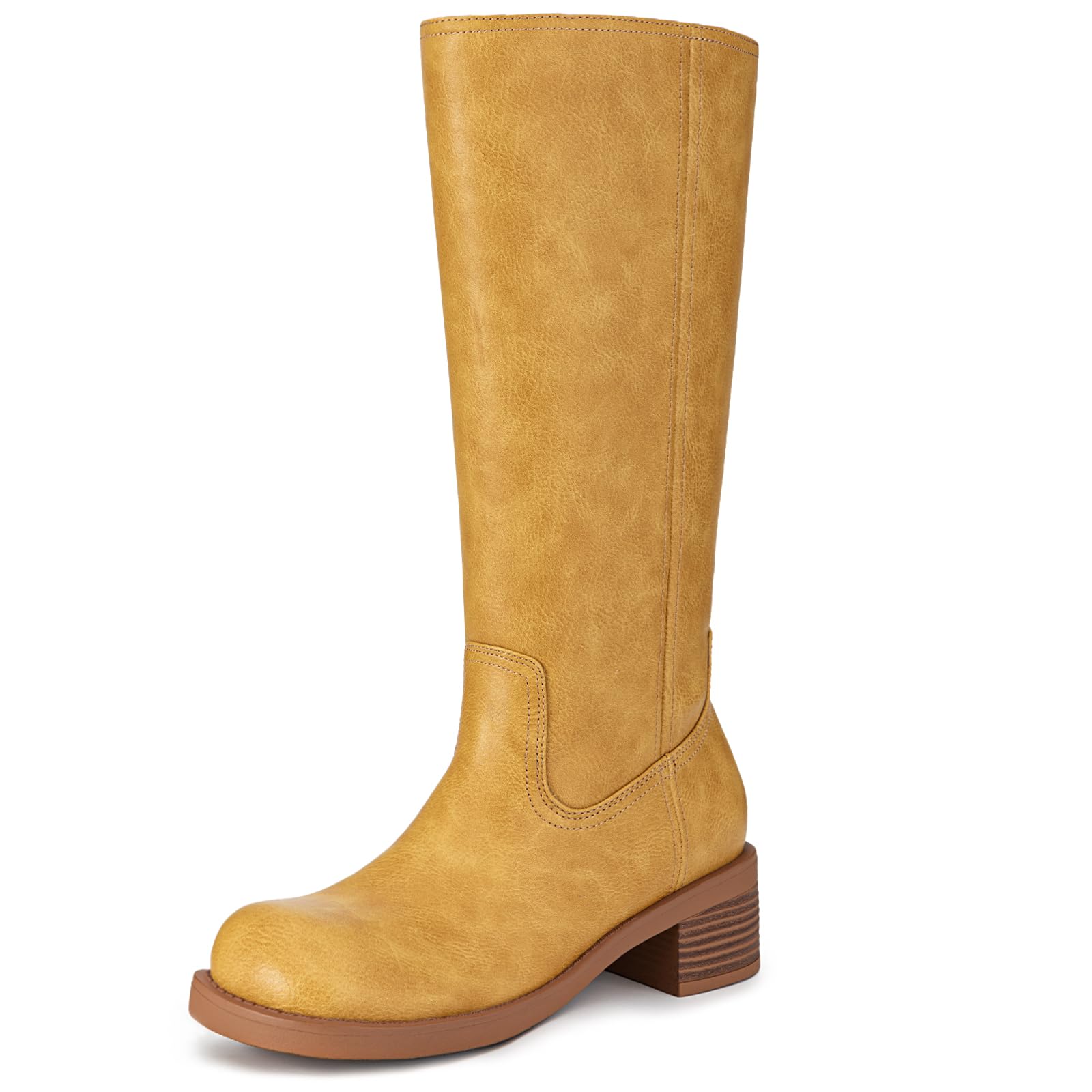

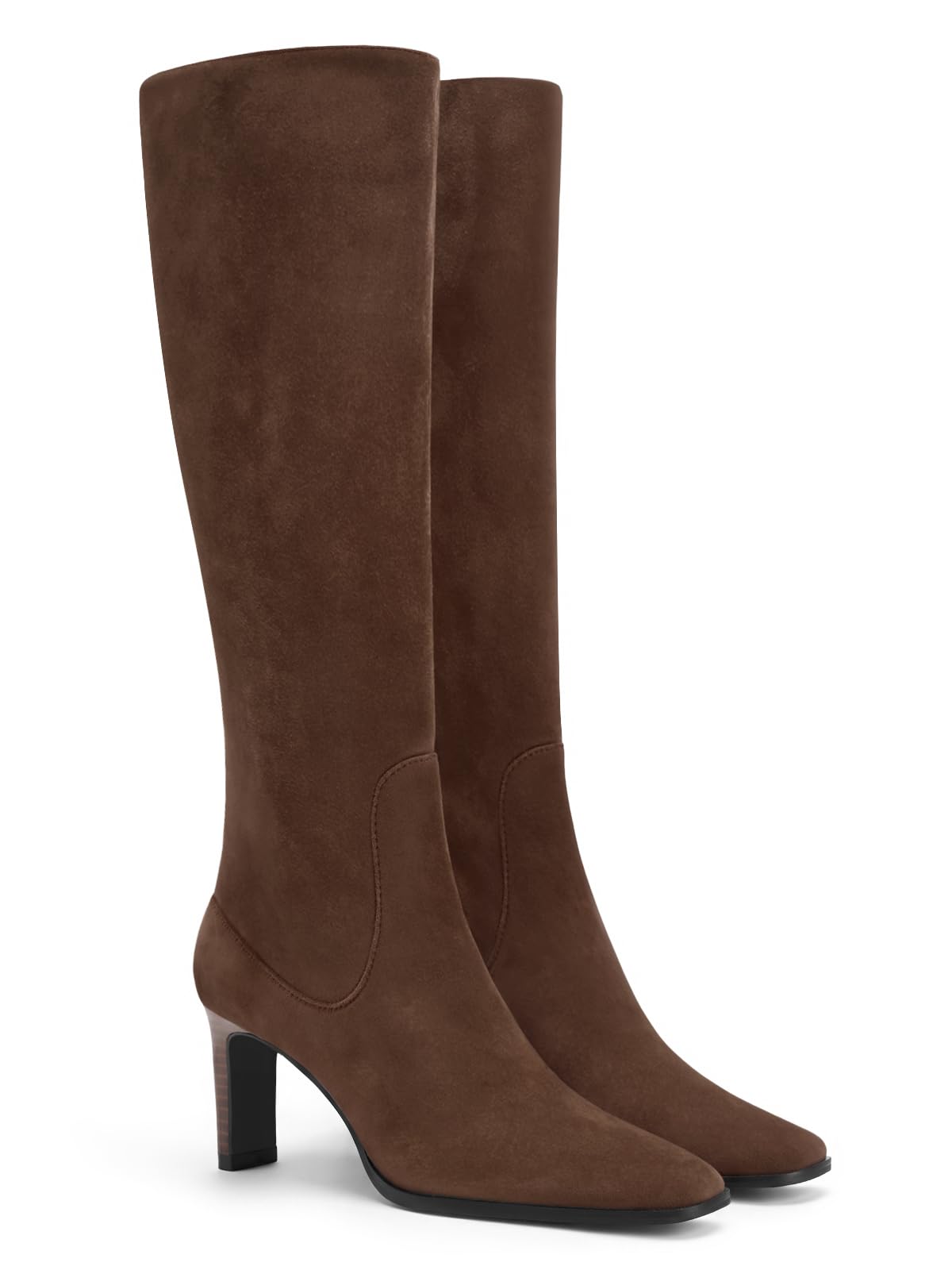
Types of Boots Compared
Most boots for taller women fall into a few broad types, and each type suits a different mix of coverage, warmth, and ease of movement. The table in the product table above gives a quick view, while the sections below explain what each type feels like in daily use. Pay attention to shaft height first, since that is the feature most affected by leg length, then look at sole grip, weight, and how easy the boot is to put on and take off.
| Type | Best For | Pros | Cons | Typical Price |
|---|---|---|---|---|
| Tall shaft boots | Full leg coverage and a polished look | Warmth and coverage | Calf fit varies widely | about $90 to $220 |
| Ankle boots | Daily wear and easy movement | Light and versatile | Less coverage in cold weather | about $70 to $180 |
| Winter and snow boots | Cold, wet, and slippery days | Insulation and grip | Heavier and bulkier | about $90 to $200 |
Tall Shaft Boots
Tall shaft boots reach up the calf and give the most coverage of any common boot type. They work well for cold mornings, wet grass, and outfits where you want a clean line from knee to foot. The main drawback is fit: a shaft that is too narrow will pinch, while a shaft that is too wide may slide down or gap at the top. Look for a shaft circumference listed by the maker, and compare it with your own calf measurement taken at the widest point.
Choose tall shaft boots when coverage matters more than agility. They pair well with longer strides and open ground, but they can feel stiff during the first few wears. A flexible shaft, a side zipper, or an elastic panel can make them easier to pull on, especially if your calf is fuller near the top of the shaft.
Ankle Boots
Ankle boots end near the ankle bone and leave the lower leg free, which makes them a good everyday choice for walking, commuting, and indoor work. They are usually lighter than tall shaft boots, and they work with a wider range of trouser lengths and skirt lengths. Because they give less coverage, they are not the best choice for deep snow or standing water, but they handle light rain and dry cold well when the upper is treated for water resistance.
Choose ankle boots when you want one pair that moves easily between home, work, and errands. Check the ankle opening carefully: a snug opening keeps the boot stable, while a loose opening can rub at the ankle bone. A cushioned collar and a secure closure help the boot stay comfortable through a long day.
Winter and Snow Boots
Winter and snow boots add insulation, a sealed lower section, and a lugged outsole for grip on packed snow and icy paths. They are the right choice when you spend time outdoors in freezing weather or walk on untreated surfaces. The extra insulation and thicker sole add weight, so they can feel clumsy indoors or on long dry walks. Try them with the socks you plan to wear in winter, since thick socks change the fit inside the boot.
For cold weather walking, see our guide to best tall winter boots for women when you want full shaft coverage with insulation. For deep snow days, our guide to best tall snow boots for women covers taller insulated options in more detail. In both cases, grip matters more than appearance, so check lug depth and sole flexibility before you decide.
Tall Shaft Boots vs Ankle Boots: Which Should You Choose?
Compare these two types across five points: coverage, ease of movement, warmth, calf fit, and versatility. Tall shaft boots win on coverage and warmth, while ankle boots win on ease of movement and versatility. Calf fit is the deciding factor for many taller women, since a tall shaft must match both leg length and calf shape, while an ankle boot avoids the calf question entirely.
If you walk outdoors in cold weather most days, a tall shaft boot is usually the better pick. If you spend most of your time indoors or you want one pair for many outfits, an ankle boot is usually the simpler choice. Some people keep both: an ankle boot for daily wear and a tall shaft boot for cold or wet days. That split also lets each pair dry fully between wears, which extends the life of both pairs.
How to Choose the Right Boot
Break In Period and Comfort Out of the Box
Most boots feel stiff at first, and the break in period is the time it takes for the upper and footbed to soften to your foot. Wear new boots for short walks indoors before a long day out, and note any rubbing at the heel, toe, or ankle. A boot that hurts sharply in the first hour is unlikely to improve much, while a boot that feels firm but even usually softens well.
Fit, Sizing, and Toe Box
Measure your feet in the afternoon, when feet tend to be slightly larger, and use the larger foot as your guide. A roomy toe box lets your toes spread naturally, which matters on long walks and on stairs. Your heel should stay in place without lifting on each step, and your longest toe should have a small gap from the front of the boot. If you wear thick socks in winter, measure and try boots while wearing those socks.
What Women Should Look For
Women specific lasts often use a narrower heel, a different arch position, and a lighter overall build than unisex lasts, and those differences matter more when leg length is greater. Check the weight of the pair, since a heavy boot tires your legs faster on long walks. Also check how easy the closure is to use with cold hands: zippers, laces, and pull tabs each feel different when you are in a hurry.
Cushioning and Support
Cushioning softens each step, while support keeps your foot aligned as you walk. A stable boot suits people whose ankles roll inward, while a neutral boot suits people whose gait stays even. Heel to toe drop, the height difference between heel and forefoot, changes how your stride feels: a lower drop often feels flatter and closer to the ground, while a higher drop can feel more cushioned under the heel. Try both feelings on a short walk before you commit.
Features That Matter for Tall Women
For taller women, three measurements matter most: shaft height, shaft circumference, and overall boot weight. Shaft height should end below the knee with room to bend, and shaft circumference should match your calf without pinching. A longer leg also means a longer stride, so outsole grip and shock absorption matter on hard surfaces. If you hike, our guide to best boots for hiking women explains trail grip and ankle support in more detail.
Care and Maintenance Tips
Air dry wet boots away from direct heat, since heat can stiffen leather and warp soles. Stuff boots lightly with paper to hold their shape while they dry, and rotate two pairs for daily wear when you can, so each pair rests between uses. Clean mud from soles and uppers after outdoor walks, and reapply a water resistant treatment when water stops beading on the surface. Check soles and stitching each season, and have worn soles repaired before the upper is damaged. With regular care, a well made pair can last several years of steady use.
Frequently Asked Questions
What makes boots for women different from unisex boots?
Women specific boots often use a narrower heel, a different arch placement, and a lighter build than unisex boots. Those changes suit a narrower heel and a different weight distribution, which can reduce heel slip and improve comfort on long walks. Fit still varies by maker, so always check the listed measurements rather than assuming a women specific label guarantees a good fit for your foot shape.
What features matter most in boots for tall women?
Shaft height, shaft circumference, and overall weight matter most for taller women. A shaft that ends too high can pinch behind the knee, while a narrow shaft can pinch the calf, so both measurements deserve a check before buying. Weight matters too, since a heavy boot tires longer legs faster on long walks, and a lugged sole adds grip on wet or uneven ground.
Can I wear tall boots all day?
Yes, you can wear tall boots all day if the fit is right and the footbed suits your stride. A roomy toe box, a stable heel, and a cushioned insole all help, and a short break in period indoors will reveal any rubbing early. If your feet ache by midday, check whether the shaft is pressing on your calf or the arch support is too high or too low for your foot.
Are expensive boots worth it?
Expensive boots are worth it when the extra cost buys better materials, a more accurate fit, or a repairable sole. Full grain leather, a stitched welt, and a quality footbed often last longer than cheaper alternatives, which can make the cost per wear lower over time. They are not worth it if the fit is wrong, since no material can fix a shaft that pinches or a toe box that squeezes.
How should boots fit?
Boots should fit snugly at the heel, roomy at the toes, and even around the calf for tall shaft styles. Your longest toe needs a small gap from the front, and your heel should not lift with each step. Try boots in the afternoon with the socks you plan to wear, and walk on a hard floor for several minutes before deciding.
Final Thoughts
The right pair comes down to three things: a shaft that matches your leg, a toe box that lets your toes move, and a sole that grips the surfaces you walk on most. Start with the boot type that fits your daily routine, then check shaft measurements and weight before you look at color or style. The product table above gives a quick recap of each type, and the links in this guide point to related options for winter, snow, and hiking use. With the right fit, best boots for tall women should feel comfortable from the first week onward, not just after months of breaking in.


