
Best Boots for Swollen Feet in 2026: Which One Fits the Way You Use It?
Disclosure: We may earn a commission when you buy through links on this page, at no extra cost to you. As an Amazon Associate I earn from qualifying purchases. Learn more
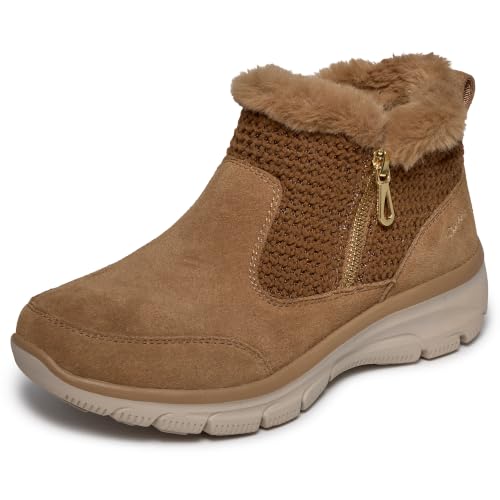
Compare the best boots for swollen feet by fit, volume and daily use, with guidance on toe box room, adjustable closures, support, sizing and care.
No single boot suits every swollen foot, because swelling changes your volume, your ankle shape and the pressure your skin can tolerate. The best boots for swollen feet match those changes to the way you spend your day. Use the comparison table below to compare room, closures and support against your own routine.
Start with when your feet are at their largest and what you do at that hour. A boot that feels fine in a quiet morning shop visit can pinch by the end of a shift. The sections below sort buyers by swelling pattern first, then by the features that control fit.


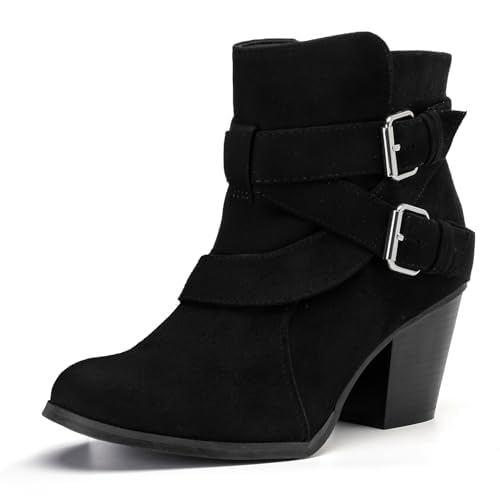
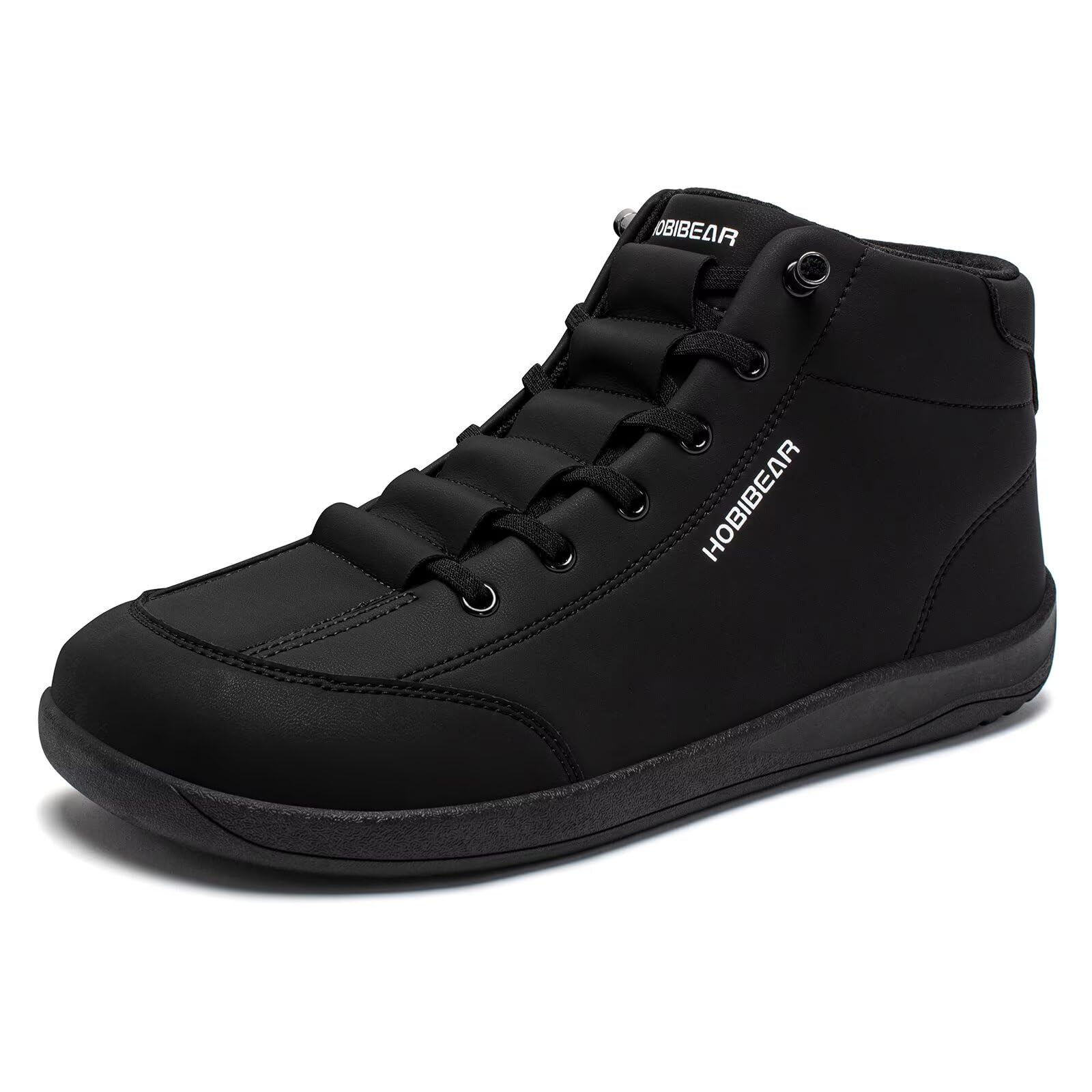
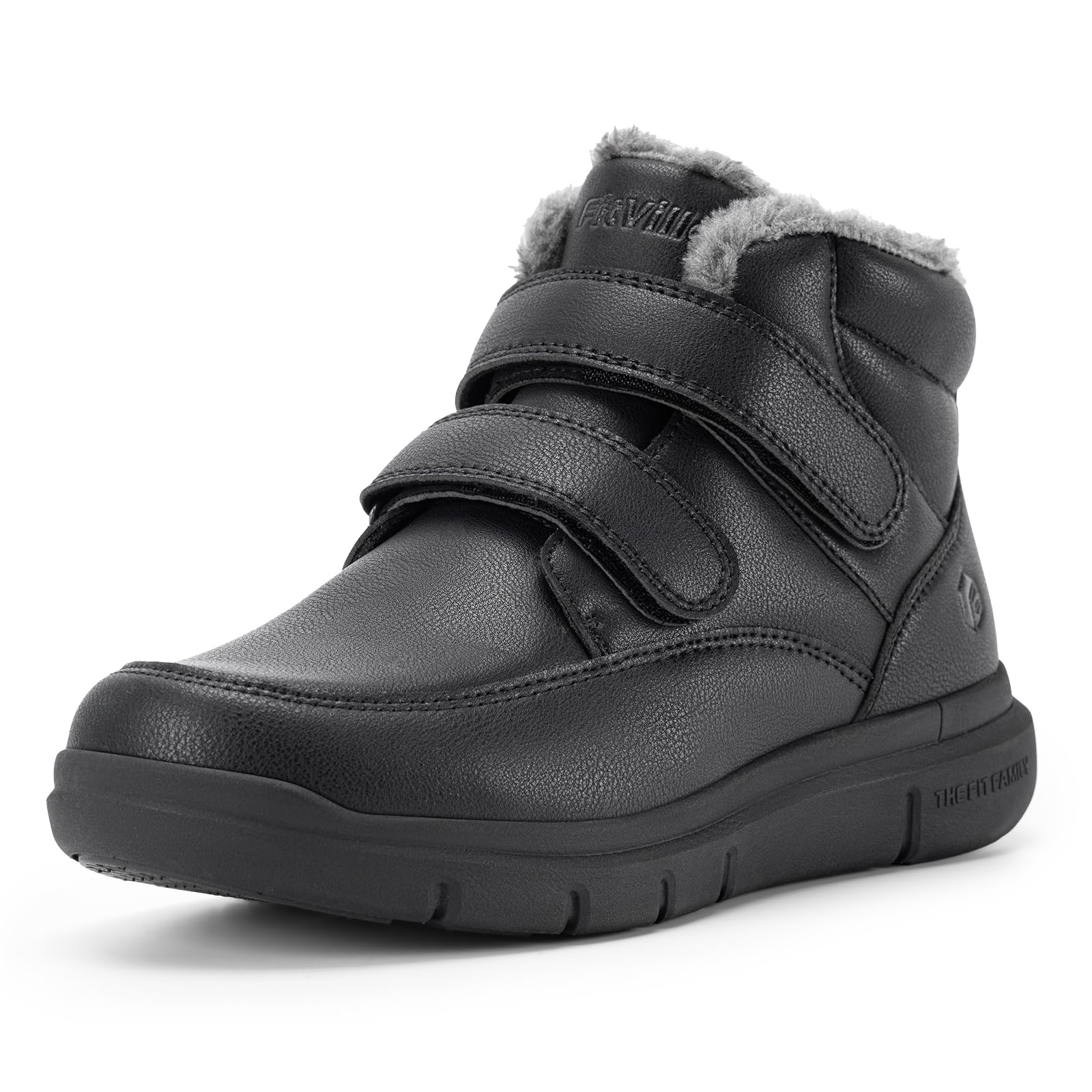


Who Gains Most From Roomier Boots?
Choose by the moment your feet give you the most trouble. That moment tells you how much adjustability, entry room and stability you actually need.
For Long Shifts Spent Standing and Walking
You need volume that can change without losing support partway through the day. Look for boots with long laces that run far toward the toes, because that layout lets you loosen the forefoot while keeping the heel held. Choose cushioning that stays springy for hours and an outsole with broad contact on hard floors. A light boot also matters, since heavy footwear adds fatigue to legs that already feel tired.
For Feet That Swell More as the Day Goes On
Your morning size and your evening size may differ enough to change how a boot feels. Prioritize closures you can adjust in small steps, soft uppers that give a little, and extra depth for thicker socks on high swelling days. Boots you can open wide also help when putting them on again after a rest feels hard. Avoid stiff shafts that press on one spot all day.
For Older Adults Who Need Easy Entry and Steady Grip
You may want a boot you can put on while seated, without pulling hard or bending for long. Wide openings, pull loops and zips at the side reduce that effort, while a low and stable heel lowers the effort of balancing. If shoes suit some days better than boots, see our guide to the best shoes for seniors with swollen feet for lower options.
Key Features to Compare
The best boots for swollen feet share one trait: they give your foot controlled room rather than simple looseness. Compare the five factors below in order.
Arch Support and Foot Type
Arch support spreads load across the foot, which matters when swelling makes your usual contact points sore. Flat feet often feel steadier with firm support and a stable heel, while high arches often need more cushioning under the arch so pressure does not stay on the heel and forefoot. If you roll inward as you walk, choose a boot that resists twisting. Match support to your foot type instead of choosing the softest insole in the shop.
Features That Matter for Swollen Feet
Adjustable volume is the feature that sets these boots apart. Laces, straps and stretch panels let the boot follow daily changes, while padding at the collar protects a tender ankle. Seek smooth linings and few internal seams, since a seam that is harmless on a normal day can rub swollen skin. Sudden swelling, swelling in one foot only, pain, redness, warmth or breathlessness need a doctor promptly, and you should talk with your clinician about your personal needs.
Fit, Sizing and the Toe Box
Measure and try boots late in the day, when your feet are closest to their working size, and wear the socks you plan to use. A roomy toe box lets your toes spread and move, while length should leave space in front of your longest toe. Check shaft room too if your ankles swell, and see our guide to the best shoes for swollen ankles and feet when ankle room is your main problem.
Stretch Uppers and Airflow for Feet That Expand
Soft leather shapes itself to your foot over time and suits cooler weather, while knit and mesh uppers feel cooler and give more easily over tender spots. Breathable panels help when heat makes swelling feel worse during the day. On the hottest days, when any closed boot feels like too much, see our guide to the best sandals for swollen feet for an open alternative you can rotate at home.
Outsole, Cushioning and Heel to Toe Drop
The outsole decides how secure each step feels on wet pavement, gravel or smooth indoor floors, so look for broad lugs or a patterned tread with real depth. Cushioning under the heel and forefoot softens impact for sore feet. Heel to toe drop is the height difference between heel and toes; a modest drop of about 4 to 8 mm suits many walkers, while a very flat boot can strain tight calves.
Boot Styles Matched to Daily Use
Style decides how the features above reach your foot. Boots with laces give the finest control over volume and suit work, walking and uneven ground where a secure hold matters. They take longer to put on, so they suit people who adjust once and stay in their boots for hours.
Boots with a side zip or stretch panels go on faster and suit rest breaks, travel and anyone who removes footwear often. Waterproof boots with sealed seams suit wet yards, winter streets and muddy paths, but choose lighter and more breathable styles for dry indoor work. Expect to pay around $60 to $120 for basic styles and about $120 to $220 for stronger leather and better support, so spend on the style your routine demands.
Common Mistakes to Avoid
Most poor choices come from judging a boot at the wrong hour or by the wrong measure.
- Buying boots after a morning fitting leaves no room when swelling peaks, so your toes and ankle get squeezed later.
- Going up a full size for width alone makes the heel slip, so each step adds friction and blisters.
- Choosing a tall and stiff shaft for support can press a swollen ankle, so walking becomes painful within an hour.
- Ignoring the return terms leaves you stuck with boots that felt fine in the shop but fail at home.
- Judging only by price can buy a soft upper with weak support, so your arches tire long before the boot wears out.
Care and Maintenance for Boots for Swollen Feet
Air dry wet boots at room temperature away from direct heat, and loosen the laces fully so air reaches the lining. Stuffing them loosely with plain paper for the first hours helps draw out moisture without changing the shape. Heat from a radiator or dryer can crack leather and warp cushioning, so patience protects the fit you chose so carefully.
Rotate two pairs if you wear boots daily, because a rest day lets cushioning recover and linings dry fully. Brush off grit, wipe leather with a damp cloth and condition it when it looks dry, following the maker directions for that material. Check linings for worn spots, since rough patches that develop inside can irritate swollen skin before the outside looks tired.
FAQ
What features matter most in boots for swollen feet?
Adjustable closures and a roomy toe box matter most in boots for swollen feet. One extra feature deserves a close look while you shop: a removable insole. It lets you swap in a thinner insole on high swelling days or add your own insert if a clinician has suggested one. That flexibility can save a boot that otherwise fits well from being set aside.
How should boots for swollen feet fit when you test them indoors?
Boots for swollen feet should hold your heel still while your toes move freely when you test them indoors. Add one test shops rarely suggest: walk down a slope or a flight of stairs. If your toes slide forward and touch the front on the way down, the length or the lacing pattern is wrong for you, even if standing still felt comfortable.
Can I wear boots for swollen feet all day?
Yes, you can wear boots for swollen feet all day if the fit stays comfortable from morning to evening. Use your lunch break wisely: sit down, loosen the laces for a few minutes and put your feet up on a low stool if one is nearby. Avoid taking the boots off for a long rest, because your feet can swell further and feel tighter when you put them back on.
Do I need waterproof boots for swollen feet?
You need waterproof boots for swollen feet only if your routine puts you in rain, puddles or wet grass for real stretches of time. Waterproof membranes also hold in warmth, which some wearers find makes feet feel more swollen on mild days. For light showers on paved routes, water resistant leather with sealed seams is often the cooler and simpler choice.
Are expensive boots for swollen feet worth the extra cost?
Expensive boots for swollen feet can be worth it when the price buys better leather, stronger stitching and a shape you can adjust in more places. Cost alone proves nothing though. A generous return window can be worth more than a premium label, because only a full day at your real size shows whether the volume range of a boot matches your swelling.
How long is the break in period for boots for swollen feet?
The break in period for boots for swollen feet is usually a few short outings spread over about one to two weeks. Leather and knit uppers ease at different rates, so judge progress by pressure points rather than by the calendar. Wear the boots at home first on a high swelling evening, because a boot that passes that test rarely surprises you outdoors.
Final Thoughts
Put adjustable volume first, then toe box room, then support that matches your foot type. Match the style to your routine, measure late in the day and keep the return terms in mind while you test at home. Use the product table above to check closures, shaft height and weight against those priorities.
When you compare best boots for swollen feet with those points in mind, the right pair is the one that still feels kind at the hour your feet are largest.


