
Best Boots for Supermoto in 2026: What Actually Matters Before You Buy
Disclosure: We may earn a commission when you buy through links on this page, at no extra cost to you. As an Amazon Associate I earn from qualifying purchases. Learn more

Compare supermoto boots by ankle protection, sole feel, sliding durability, fit and ventilation, with a clear checklist for street and track riders.
Supermoto asks more of your boots than normal street riding does. You shift often, stand on the pegs, and put a foot down in corners, so protection, peg feel, and sliding durability all matter at once. The best boots for supermoto balance those needs without feeling clumsy, and the comparison table below is easier to use once you know what to check.
Start with how and where you ride most. A short street commute, a kart track session, and a mixed route with light dirt each stress a boot in a different way. The sections below turn that riding style into a checklist covering ankle support, sole design, fit, materials, airflow, and replaceable parts.

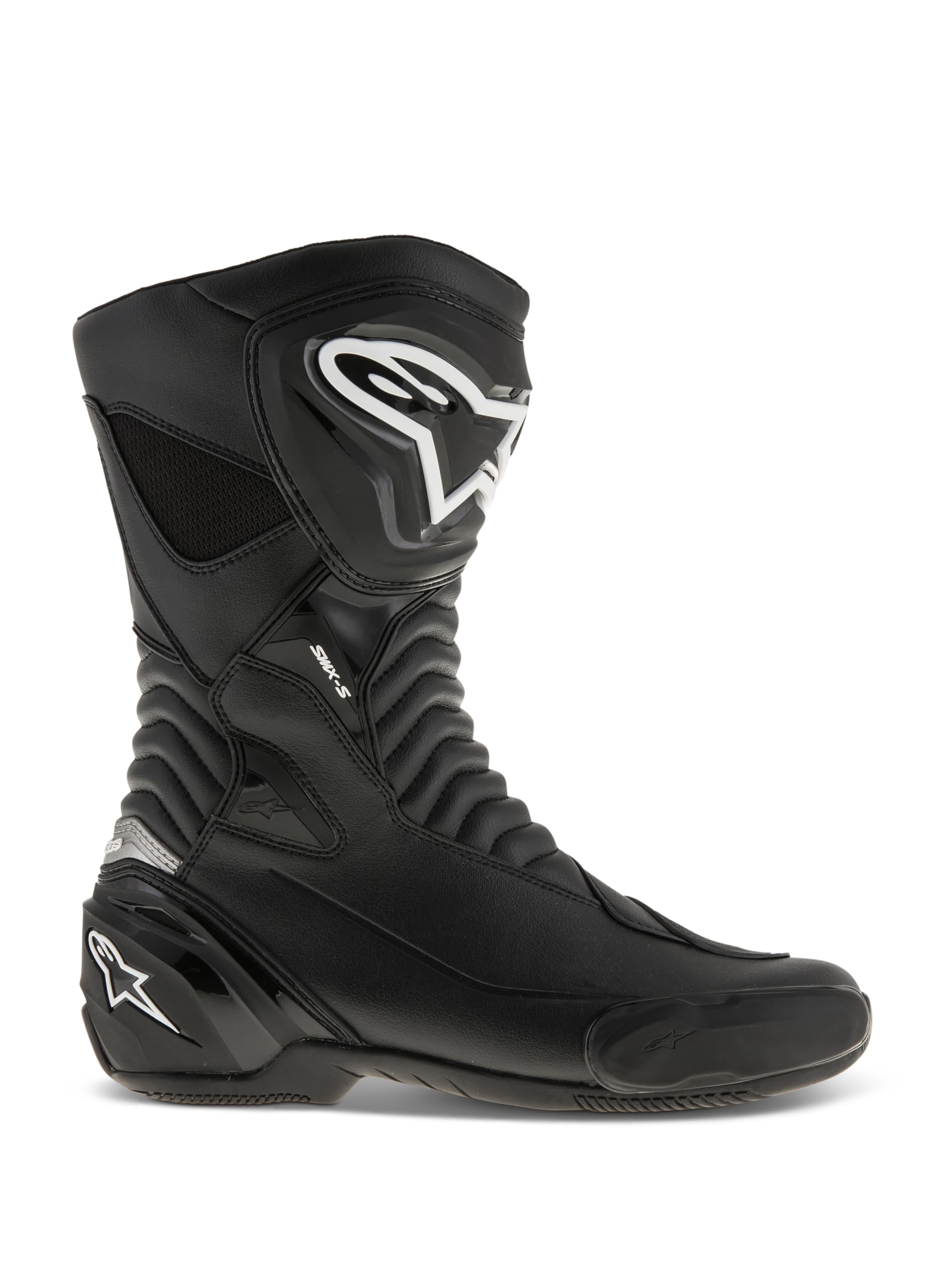

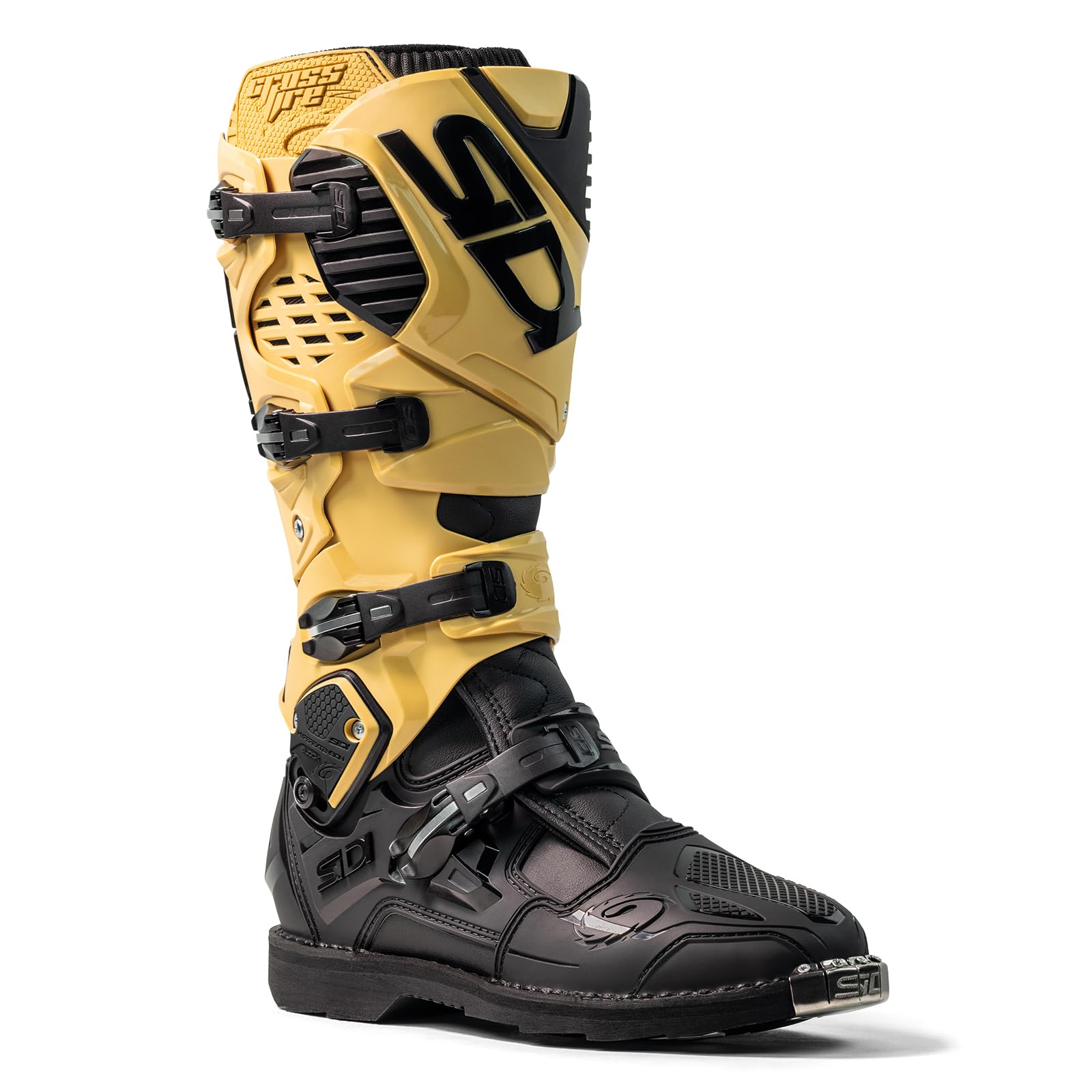


Who Should Buy Which Supermoto Boots?
Match the boot to the riding you repeat most often. A boot built for hard track sliding can feel stiff on a daily commute, while a soft street boot can wear fast and offer too little protection on a track.
Street Riders Who Ride Supermoto Bikes Daily
You need solid ankle armor and a grippy sole, but you also walk at stops and ride in changing weather. Choose a mid height or full height boot with a flexible forefoot, a secure closure, and moderate venting.
Track Day and Race Riders Who Slide a Foot in Corners
You put a boot sole and toe on the pavement on purpose, so wear protection comes first. Choose a full height race style boot with a hinged ankle brace, hard shin armor, and replaceable sliding areas on the sole and outer toe. A stiff sole supports you on the pegs during hard braking, and replaceable parts matter because sliding wears the same contact patches each session.
Riders Who Mix Pavement With Light Dirt Sections
You leave the pavement for gravel lanes or practice lots, so you need more tread and debris protection than a pure track rider. Choose a boot with a lugged but still fairly flat sole and a tall upper that keeps grit out. Avoid very deep tread, because deep lugs can catch on pegs and make small foot movements less precise on pavement.
Key Features to Compare
Compare these factors in order, because protection and sole design shape supermoto riding more than color, branding, or small comfort extras.
Ankle Support and Impact Protection for Supermoto Boots
Look for a structured ankle system, such as a hinge or brace, that limits sideways roll while still letting you flex forward to shift and brake. Hard armor over the ankle bones, shin, and heel helps spread impact force in a fall, and many quality boots carry a CE rating for motorcycle footwear. If a boot folds easily sideways in your hands, it will feel vague on the bike.
Sole Design for Peg Feel and Foot Out Sliding
The sole has two jobs that pull in opposite directions. It must grip a metal peg when you stand, yet slide in a controlled way when you skim a boot along pavement in a corner. Most supermoto soles stay fairly flat with shallow tread, a stiff midsection, and harder replaceable inserts at the toe and outer edge where sliding wear concentrates.
Fit, Sizing, and Toe Box Room for Shifter Control
Try boots late in the day with your riding socks, because feet swell slightly and that timing gives a more honest fit. Your toes should lie flat with a small gap at the front, the toe box should not pinch your forefoot, and your heel should stay seated when you flex. The toe must slide under the shift lever without forcing your ankle upward. Lasting numbness, sharp pain, or swelling after a crash needs medical care, so talk with your clinician about personal needs before riding again after an injury.
Upper Materials and Abrasion Resistance on Supermoto Boots
Most uppers use full grain leather, microfiber, or a mix of both. Leather molds to your leg over time and resists abrasion well, while microfiber is often lighter and holds its shape in heat. Look for double stitching in high stress zones, a reinforced shifter pad over the toes, and armor that stays in place instead of floating in a loose pocket.
Ventilation and Weather Protection for Supermoto Riding
Airflow and water protection pull against each other, so choose for your climate instead of chasing both at full strength. Perforated panels feel much cooler during slow track sessions and summer rides, but they let rain in quickly. A waterproof membrane keeps feet drier on wet commutes, yet it traps heat during hard riding.
Closure, Calf Fit, and Replaceable Parts on Supermoto Boots
Buckles, ratchet straps, and inner laces each set calf tension, and the best setup is the one you can adjust with gloves on. Check that the top closes over your calf and still leaves room for leathers or knee braces, because a gap at the top lets gravel and water in. Replaceable buckles, sliders, and sole inserts extend service life, since those small parts take most of the damage.
Quick Buyer Checklist for Supermoto Boots
Use this check in the store or at home during your return window. When you shop for the best boots for supermoto, a boot should pass every protection item and most fit items before price enters the decision.
- Does the ankle resist sideways bend while still flexing forward for shifts?
- Does the sole grip the peg when you stand and put weight through one foot?
- Can your toe reach under the shift lever without lifting your heel inside the boot?
- Do the buckles close snugly over your calf with your riding pants in place?
- Are the toe and outer sole sliding areas replaceable on track focused models?
- Does the boot feel secure without pressure points after ten minutes of walking?
- Is there a clear CE rating and a warranty of at least one year?
Style splits into three shapes. Full race boots give the most armor and sliding hardware, street oriented boots trade stiffness for walking comfort, and adventure leaning boots add tread and weather sealing at the cost of precise sliding feel.
Common Mistakes to Avoid
These errors are common because supermoto boots look similar in photos, even when protection and soles differ a lot.
- Choosing motocross boots for supermoto use leaves you with a deeply lugged sole that slides poorly and catches on pavement.
- Buying a size up for comfort lets your heel lift, which dulls shifter feel and raises blister risk on long rides.
- Picking a soft touring boot for track days leaves your ankle with too little support during foot out slides.
- Ignoring replaceable sole inserts means one worn toe area can end the life of an otherwise sound boot.
- Trusting vague safety claims with no CE rating leaves you guessing about the level of impact protection.
- Choosing a waterproof model for hot track use traps heat and can leave your feet soaked with sweat instead.
Care and Maintenance for Supermoto Boots
Rinse road grit off the boots with plain water after dirty rides, then air dry them away from direct heat, because hot air can stiffen leather and weaken glues. Open every buckle and pull the tongue forward so the lining dries fully. Stuffing the toe with newspaper helps draw moisture out after a wet ride.
Condition leather lightly once it looks dry, and clean microfiber with a soft brush instead of oils. Check buckle screws, slider screws, and sole inserts before each track day, and replace a slider once its wear marker shows. Stop using a boot with a cracked hinge or a separating sole, because that damage removes the protection you bought it for.
FAQ
What features matter most in boots for supermoto riding?
Ankle protection and sole design matter most in boots for supermoto riding. Those two areas decide how a boot handles a fall and a foot out slide, which are the moments that define this style. After those, check how easily wear parts can be replaced, because supermoto riding concentrates damage in small areas that wear again and again.
Are expensive supermoto boots worth the extra cost?
Expensive supermoto boots can be worth it if the extra money buys a hinged ankle system, replaceable sliders, and better armor coverage. Street focused models often cost about $180 to $300, while race focused models often cost about $300 to $550. The gap makes less sense when it only buys styling. Riders who rarely slide a foot can choose a mid priced street model and still keep solid protection.
How should supermoto boots fit around the toes and ankle?
Supermoto boots should feel snug around the ankle and midfoot, with flat toes and no heel lift when you flex. Snug is different from tight, so your toes should still spread slightly when you stand on the pegs. Try both boots together and mime a shift and a rear brake press, because a boot that feels fine while sitting can crowd the toe box once your ankle bends.
Do supermoto riders need waterproof boots?
Most supermoto riders do not need waterproof boots for track riding, but daily street riders in wet climates often benefit from them. A membrane also helps on cool morning commutes, where cold rain numbs your feet and slows your reactions. If you choose a vented boot instead, pack light rain covers for the ride home, so a surprise shower does not fill a perforated boot.
How often should supermoto boots be replaced?
Supermoto boots should be replaced when protection parts are damaged, not on a fixed mileage schedule. Replace a boot after a hard crash that cracks armor, bends a hinge, or grinds through the upper near your toes or ankle. Sole inserts and sliders can be swapped many times before that point. Twist the boot by hand each season, because one that folds sideways much more easily has lost support.
The Bottom Line
Put ankle protection first, sole feel second, and fit third, and most weak options fall away quickly. Match the style to your riding, confirm that wear parts can be replaced, and use the product table above to compare armor, sole design, and price.
Choosing the best boots for supermoto by those three points leads to a boot that supports hard riding and still feels natural at the controls. That balance keeps you riding longer and with more confidence.


