
Best Boots for Standing in 2026: Types Compared and How to Choose
Disclosure: We may earn a commission when you buy through links on this page, at no extra cost to you. As an Amazon Associate I earn from qualifying purchases. Learn more

Compare boots for standing by type, with clear guidance on cushioning, arch support, toe box fit, traction and care for long shifts on hard floors.
Standing on concrete or tile makes small fit problems feel large by the final hour of a shift. The best boots for standing spread pressure, support your arch and keep each step stable, and the right type depends on your floor, your foot shape and how wet your work area gets. Use the comparison table below to match each boot type to your day.
This guide compares boot types rather than naming individual models. You will see how supportive, waterproof, lightweight and cushioned boots differ, what each type costs and which features matter most. A short checklist then walks through fit, traction and care, so you can choose with confidence.


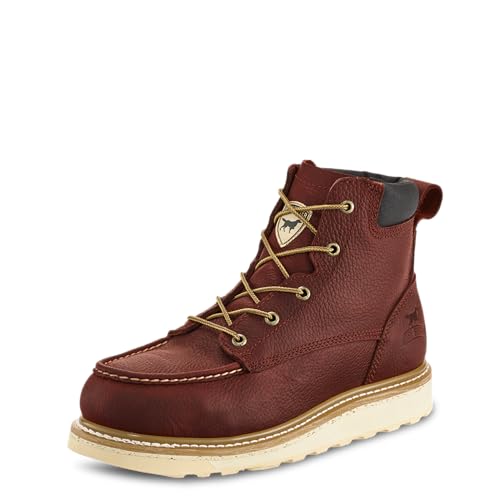


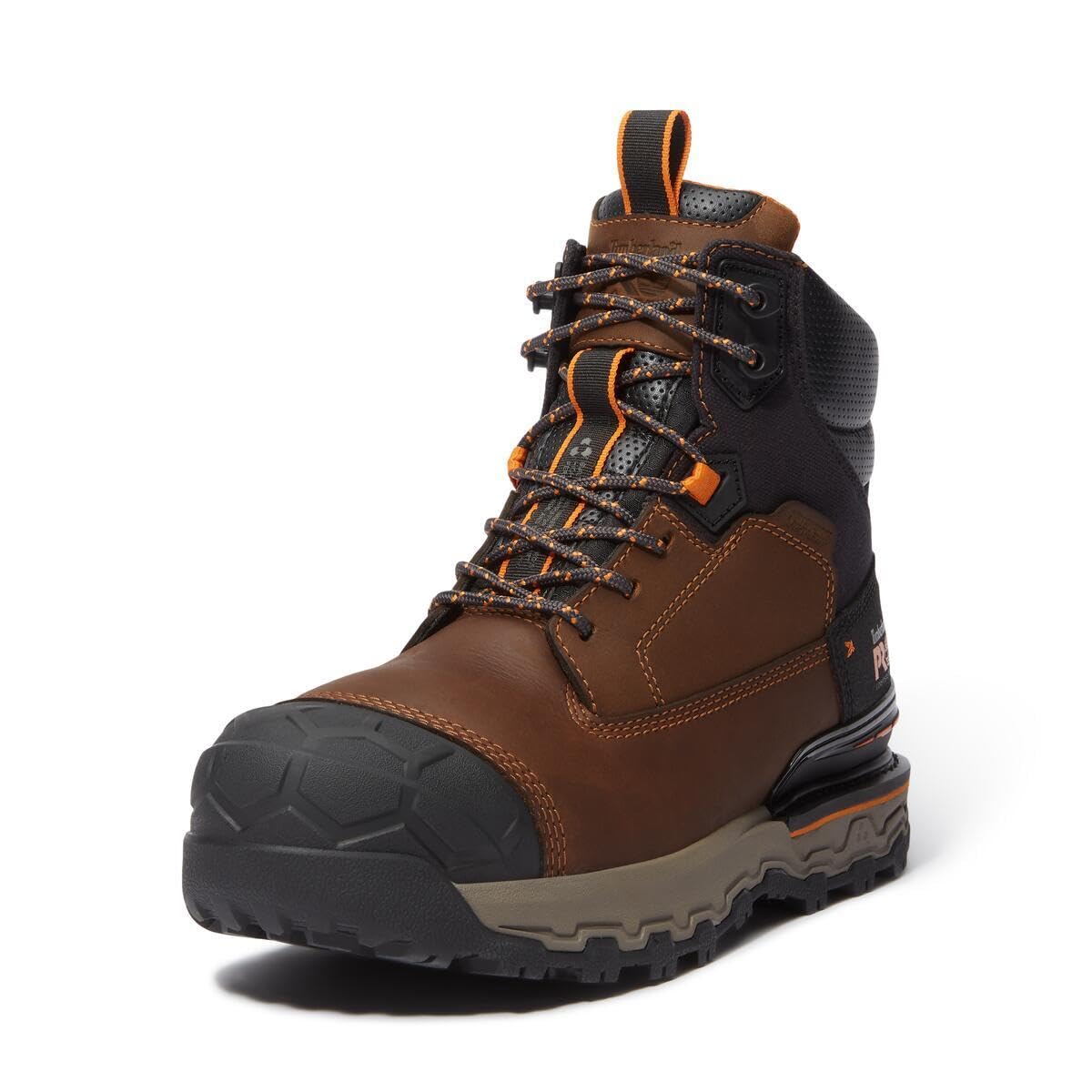
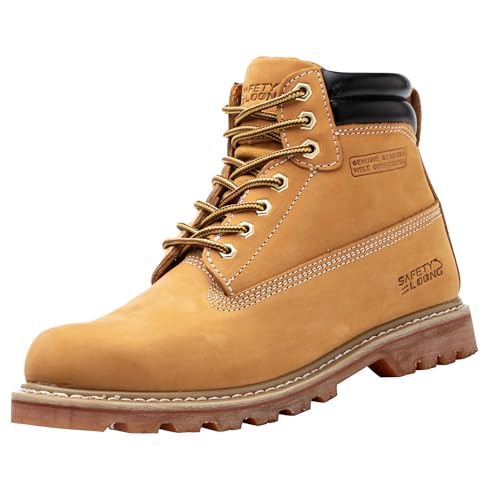


Types of Boots Compared
Boots for standing fall into four broad types, and most pairs blend traits from more than one. Start with the type that matches your floor and your main source of fatigue, then refine your choice with the fit and support checks below.
Supportive Boots for Stability on Hard Floors
Supportive boots use a firm heel counter, a stable midsole and a structured arch to limit excess foot roll while you stand in one place. A shaft that reaches the ankle adds steadiness when you pivot or carry loads. This type suits warehouse, retail and security staff who stand on concrete and want a planted feel. The trade off is weight and a stiff first week, and most pairs cost about $100 to $180.
Waterproof Boots for Wet Work Areas
Waterproof boots seal out water with a membrane such as Gore Tex or a treated leather upper, and they keep socks dry on mopped floors, in wash down areas and in rain. Sealed uppers breathe less than open mesh, so feet can feel warm during indoor shifts. This type suits kitchen, cleaning and utility crews who move between dry stockrooms and wet floors, and most pairs cost about $110 to $200.
Lightweight Boots for Moving Between Stations
Lightweight boots cut fatigue by using foam midsoles, flexible uppers and thinner outsoles, so each lift of the foot costs less effort. They feel quick during rounds and service work that mixes standing with short walks, but they offer less structure than a supportive pair. Thin cushioning can also pack down sooner under daily loads, so a mostly still role on concrete may call for a sturdier type. Most pairs cost about $80 to $150.
Cushioned Boots with a Neutral Feel
Cushioned boots place a thick, soft midsole under the heel and forefoot to absorb pressure from hard floors, and a neutral design lets your foot move without strong correction. A moderate heel to toe drop of about 8 to 12 mm shifts some load from the heel toward the forefoot. This type suits people with high arches or stiff feet who feel impact most. Very soft foam can feel unstable under heavy loads, so check lateral support before you buy, and expect to pay about $90 to $170.
Supportive Boots vs Waterproof Boots: Which Should You Choose?
Choose supportive boots when your floor is dry and your main problem is aching arches or a feeling of wobble. Choose waterproof boots when wet floors, rain or wash downs are part of the job, because dry socks help prevent blisters and cold feet. Traction matters for both types, but a waterproof pair only helps if its outsole still grips slick tile.
Many workers need both traits, and plenty of waterproof boots include firm arch support, so read the support details rather than trusting the category label. If you split time between dry and wet areas, a waterproof supportive pair is often the simpler choice. Indoors on dry floors, a breathable supportive pair will usually feel cooler.
How to Choose the Right Boots for Standing
Choosing the best boots for standing comes down to four checks you can do in store or during a first wear. Work through traction, cushioning, fit and arch support in that order, because a boot that fails any one check will bother you daily.
Grip on Tile, Concrete and Polished Floors
The outsole is the rubber layer that meets the floor, and its tread pattern decides how safely you can turn and stop. Deep lugs of about 4 to 6 mm suit gravel, mud and outdoor yards, while shallow, wide patterns grip smooth tile and sealed concrete better and track less dirt indoors. Slip resistant rubber compounds matter more than tread depth on wet kitchen floors. Match the pattern to the surface you stand on most.
Cushioning and Heel to Toe Drop for Standing
Cushioning spreads the pressure that builds when your weight stays over the same spots for hours. Look for a midsole that feels firm at the edges and forgiving under the heel, because foam that collapses sideways adds strain to the ankle and knee. Heel to toe drop is the height difference between heel and forefoot, and a moderate drop suits most standing work. A replaceable insole lets you refresh the feel later without replacing the whole boot.
Sizing for Feet That Swell During Long Shifts
Shop for fit late in the day, when your feet have spread and swollen from standing, because a boot that fits in the morning can pinch by evening. Your toes need room to splay inside the toe box, with about a thumb width of space in front of the longest toe. The heel should sit snug with little lift as you walk. If you fall between sizes, choose the larger size and adjust with thicker socks or an insole.
Matching Arch Support to Your Foot Shape
Match support to your arch shape, because flat feet often roll inward and tire the inner ankle, while high arches place more load on the heel and forefoot. A contoured footbed with a defined arch rise suits most standing work, and people with flat feet often prefer firmer support that resists collapse. Persistent foot pain, numbness or swelling that does not ease after rest needs a clinician or podiatrist rather than a boot change alone. Talk with your clinician about your personal needs.
Common Mistakes to Avoid
These errors are easy to make and easy to avoid.
- Buying boots in the morning lets afternoon swelling turn a snug fit into pinched toes by mid shift.
- Choosing deep outdoor lugs for smooth tile reduces contact with the floor and makes slips more likely.
- Picking the softest foam you can find can leave heavy loads feeling wobbly and tiring to balance.
- Wearing a brand new pair for a full shift without a break in period invites blisters and sore spots.
- Ignoring worn outsoles keeps you working on a smooth surface that no longer grips wet floors.
Care Habits That Keep Standing Boots Supportive
Brush dirt from the upper and outsole after each shift, and loosen the laces so air can reach the insole overnight. Air dry wet boots away from direct heat, because hot air can crack leather and weaken adhesives. Rotate two pairs if you stand daily, since a rest day lets the foam recover its shape.
Condition leather uppers when they look dry, and reproof waterproof boots when water stops beading on the surface. Replace insoles when they stay flat after a rest day, and retire the boots when the outsole tread is smooth or the midsole leans to one side.
Frequently Asked Questions
What features matter most in boots for standing?
Start with fit, then arch support, then cushioning, in that order, because a well featured boot still fails if the shape is wrong. One point shoppers often miss is total boot weight, and a heavy pair adds effort to every step. Try boots with your work socks, because sock thickness changes both fit and warmth.
How should boots for standing fit around the heel and toes?
Boots for standing should feel snug at the heel, roomy at the toes and free of pressure on top of the foot. A heel lock lace loop, the extra eyelet at the top, can stop heel lift without crushing your forefoot. Walk down a slope in store if you can, because toes that hit the front on a slope will ache on stairs.
Can I wear boots for standing for a full shift?
Yes, you can wear boots for standing for a full shift once the pair is broken in and the fit is right. A fresh pair of socks at midday is a simple trick many standing workers rely on, because dry socks cut friction and refresh the feel. If one spot still rubs after a week, address the fit rather than pushing through.
How long is the break in period for boots for standing?
The break in period for boots for standing is usually about one to two weeks. Leather uppers and firm supportive midsoles sit at the longer end, while soft foam and flexible fabric uppers settle within a few days. Wear a new pair for short errands first, then a half shift, so stiff areas soften gradually.
Do I need waterproof boots for standing indoors?
You need waterproof boots for standing indoors only if water reaches your feet during a shift. Occasional drips near a sink may call only for water resistant leather, while daily mopping, dish areas or spills call for a sealed membrane. Ask coworkers when floors are washed, because a boot bought for the dry morning shift may fail on the wet evening routine.
Wrapping Up
Support, fit and traction decide comfort more than any single feature, so match the boot type to your floor first and then confirm the details. Use the product table above to compare types side by side before you order.
When you choose the best boots for standing for your floor, your arch and your shift length, long hours feel far more manageable. Start with one well matched pair, care for it weekly and replace it when support fades.


