Best Boots for Strikers in 2026: Which Type Is Right for You?
Disclosure: We may earn a commission when you buy through links on this page, at no extra cost to you. As an Amazon Associate I earn from qualifying purchases. Learn more

Compare the best boots for strikers by type, upper, stud pattern, and weight, with price bands and fit advice for choosing your next soccer boots.
A striker lives on small margins: one clean contact, one quick turn, one half step of separation from a defender. That is why searches for the best boots for strikers lead to so many different shapes, from feather light synthetics to soft leather classics. Each type trades touch, weight, and grip in a different way, and the right trade depends on your ground, your level, and how you strike the ball.
This guide compares the main types side by side, then walks through fit, stud patterns, and care. The comparison table below sums up each type at a glance, and the sections after it explain how to choose with confidence.




Types of Boots Compared
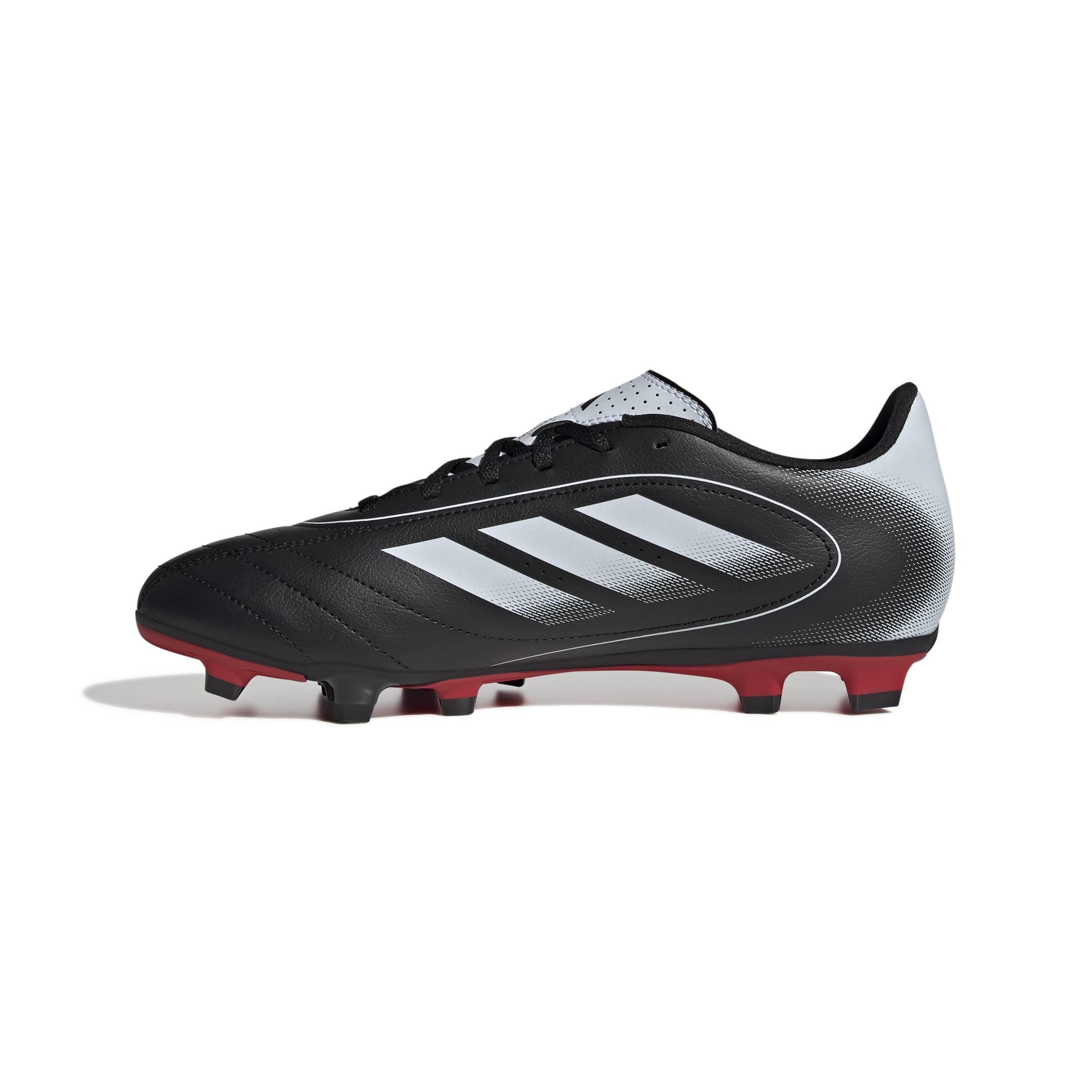
Every striker boot starts with the upper, because the upper is the striking surface. A striker wants a clean strike zone across the laces and the inside of the forefoot, with nothing bulky sitting between boot and ball. A lace cover or an offset lace line keeps that zone smooth, so contact stays predictable on volleys and first time finishes. Readers comparing names across regions will find the same classes in guides to best soccer boots for strikers, since the type names below travel well.
| Type | Best For | Pros | Cons | Typical Price |
|---|---|---|---|---|
| Lightweight synthetic boots | Fast forwards on firm ground | Very light, crisp strike feel, no break in | Less cushioning on contact, can feel stiff | around $70 |
| Leather touch boots | Finishers who value soft first touch | Padded contact, molds to the foot | Heavier when wet, needs more care | around $90 |
| Knit collar boots | Players who want a locked in ankle feel | Snug fit, smooth strike zone | Harder to put on, collar stretches over time | around $110 |
Lightweight Synthetic Boots
These boots use a thin synthetic upper over a light plate, and they are built for speed above all else. The thin material puts your foot close to the ball, so driven shots and quick toe pokes feel direct and repeatable. Because the upper barely stretches, sizing has to be right from the first wear, and players with wide feet often feel pinched across the forefoot. They suit strikers who play on firm natural grass, make runs in behind, and would rather gain a step of pace than a layer of padding.
Leather Touch Boots
Leather boots use a soft natural or engineered leather forefoot that cushions contact slightly and shapes itself to your foot over the first few sessions. That padding helps on first touch, because the ball settles instead of bouncing away, and it softens the feel of a hard struck volley. The trade offs are weight and upkeep: leather drinks in water on wet pitches and needs drying and conditioning to stay supple. They suit strikers who receive the ball with their back to goal and finish with placement rather than pure power.
Knit Collar Boots
Knit collar boots extend a sock like cuff over the ankle and usually pair it with a textured synthetic or knit upper. The cuff gives a locked in feel during cuts and turns, and the laces often sit under a cover, which keeps the strike zone smooth. Textured coatings add grip on the ball in dry weather, though the effect fades as the coating wears. These boots suit strikers who dribble at defenders and shoot off either foot, and who like a snug, close fit more than a roomy one.
Lightweight Synthetic Boots vs Leather Touch Boots: Which Should You Choose?
On strike feel, synthetics give a bare, pingy contact while leather gives a padded, quieter one, and neither is wrong. On weight, synthetics win clearly, often by a margin you can feel late in a match when legs tire. On wet weather, synthetics shrug off rain and keep their weight, while leather gains grams and needs care afterward. On value, both classes appear in guides to best football boots for strikers at similar prices, so the choice comes down to touch: pick synthetic for pace and directness, leather for control and comfort across a long season.
How to Choose the Right Boot
Fit, Sizing, and Toe Box
Fit your boots late in the day, when your feet are slightly swollen from activity, and wear your match socks for the test. A striker wants a close fit with almost no space in front of the toes, because extra room lets the foot slide on contact and blunts the strike. The toe box should hold the forefoot snugly without pressing the toes together. If you sit between sizes, the shorter size usually serves a striker better, as long as the toes do not jam against the end when you stop suddenly.
Stud Patterns Matched to Your Ground
Read the stud pattern by the ground you play on most, not by how the plate looks in photos. Firm ground plates use conical or bladed studs of moderate length to grip dry natural grass.
Artificial ground plates use shorter, more numerous studs that spread pressure and reduce the risk of the boot catching and twisting. Soft ground plates use longer, often metal tipped studs for wet and muddy fields. Using a firm ground plate on artificial turf is the most common mistake in this class, and it raises both wear and injury risk.
Features That Matter for Strikers
Strikers should weigh three features above the rest. First, the strike zone: look for a smooth forefoot with covered or offset laces, since that is where most of your shots make contact.
Second, traction at the forefoot, because your first step toward a through ball decides whether you reach it. Third, heel lockdown, because a heel that lifts during a strike leaks power before the ball ever leaves your foot. Decorative elements on the outside of the boot do nothing for finishing, so spend your attention, and your budget, on those three zones instead.
Weight and Flexibility
Boot weight shapes how fresh your legs feel in the final minutes, when most striker chances arrive. A light boot asks less of your stride on repeated sprints, and many forwards find their striking stays cleaner late in games as a result. Flexibility matters at the forefoot, where the plate should bend with your push off but stay firm enough to give the strike a stable base. Very stiff plates can feel powerful yet harsh on hard ground, so match flex to your surface as carefully as you match the studs.
Care Tips for Soccer Boots
Knock mud off the studs after every match and loosen the laces so the boots hold their shape while drying. Air dry them away from radiators and direct sun, since heat cracks leather and warps synthetic uppers.
Stuffing them with newspaper overnight pulls out moisture after wet games. Rotating two pairs across a heavy training week gives each pair a full day to dry, which extends the life of the upper and the insole. Check studs before each match and replace worn or loose ones right away.
Boots: Your Questions Answered
What features matter most in soccer boots for strikers?
A clean strike zone, forefoot traction, and firm heel lockdown matter most for a striker. One point the main sections do not cover is sock grip: socks with grip elements inside the sole of the foot reduce sliding inside the boot, which sharpens both your first step and your strike. Many strikers find that upgrade cheaper and more effective than moving up a boot class. Pair it with a snug fit and the boot you already own may suddenly feel a full level better.
Are expensive soccer boots worth it for a striker?
Expensive boots are worth it only if you play often enough to use what the price buys, mainly thinner uppers and lighter plates. Higher prices do not buy durability, and elite class boots often wear faster because their materials chase weight savings. A striker training twice a week usually gets better value from a mid priced boot replaced on schedule than from a top class boot nursed through two seasons. Spend the savings on balls, socks, and a second pair for rotation.
How should soccer boots fit a striker?
Soccer boots should fit a striker snugly, with the toes close to the end and no heel lift when you sprint or stop. A useful extra check is your toenails: keep them trimmed short, because a close striker fit plus repeated stops can bruise long nails against the toe cap. If one foot is larger, fit to the larger foot and use a thicker insole or an extra sock layer on the smaller side. Never buy a size up to grow into during a season.
Do strikers need waterproof soccer boots?
Strikers rarely need waterproof soccer boots, because most soccer uppers are not built as sealed waterproof shells and the class barely exists at this level. What matters more in rain is how the upper behaves when wet: synthetics keep their weight and strike feel, while leather absorbs water and grows heavier through a match. If you play through a wet season, a synthetic boot and a spare dry pair in your bag beat any waterproof claim. Dry the wet pair slowly afterward, never on a heater.
How often should a striker replace soccer boots?
A striker should replace soccer boots when the strike zone or the stud pattern stops doing its job, which for regular play is often after one full season. Read the studs for the clearest signal: studs worn down to uneven lengths change your footing and invite ankle turns. Also watch the upper over the big toe, where strikers wear a hole through repeated contact. If the heel counter softens and the heel starts to slip, the boot has given you its best games already.
Final Thoughts
Choose by type first, then by strike zone, stud pattern, and fit. Lightweight synthetics serve pace, leather serves touch, and knit collars serve players who love a locked in feel. The product table above pulls the classes together so you can compare them at a glance. Whichever class you pick, the best boots for strikers are the ones that let you strike cleanly in the eightieth minute, not just the eighth.