Best Boots for Spring: A First Time Buyer's Guide for 2026
Disclosure: We may earn a commission when you buy through links on this page, at no extra cost to you. As an Amazon Associate I earn from qualifying purchases. Learn more

A first time buyer guide to the best boots for spring: rain ready waterproofing, fit, weight, traction, and care explained in plain English with price bands.
Spring tests footwear in both directions at once. One week brings rain, mud, and puddles sitting across the path, and the next brings warm afternoons that make an insulated winter boot feel like an oven. Picking the best boots for spring means finding the middle ground: dry enough for wet ground, light enough for warm days, and grippy enough for slick pavement.
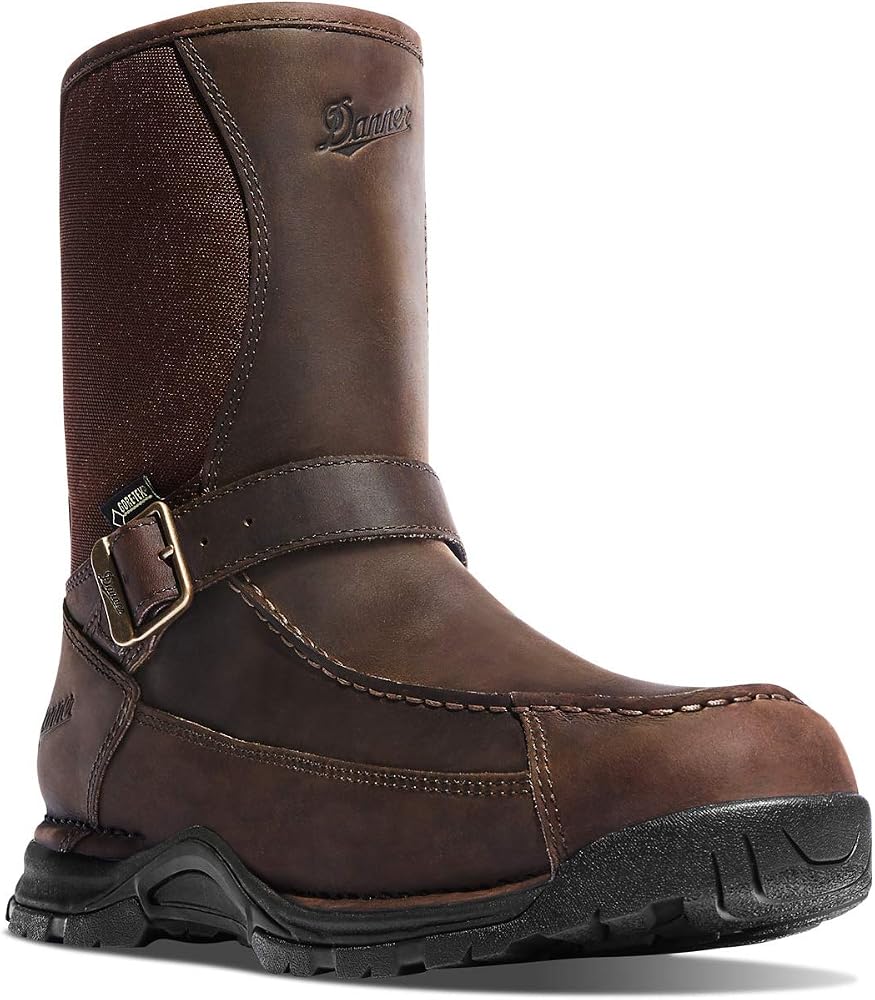
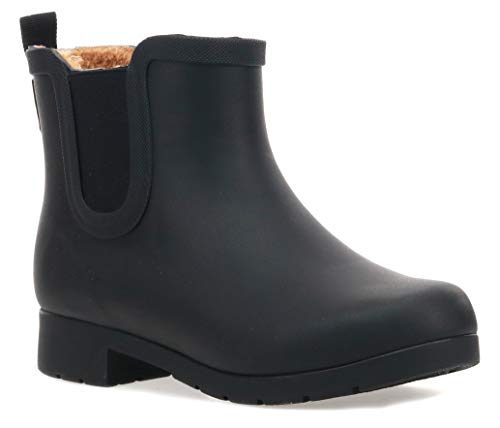
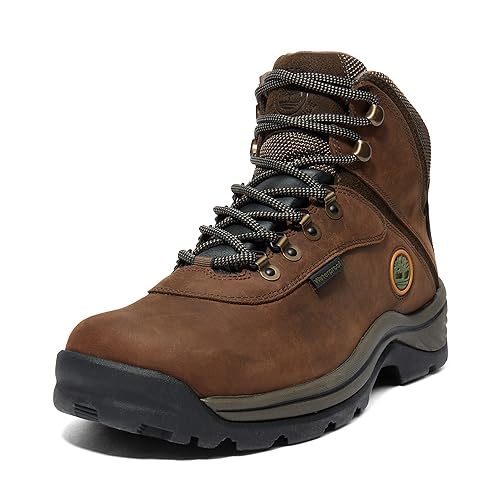
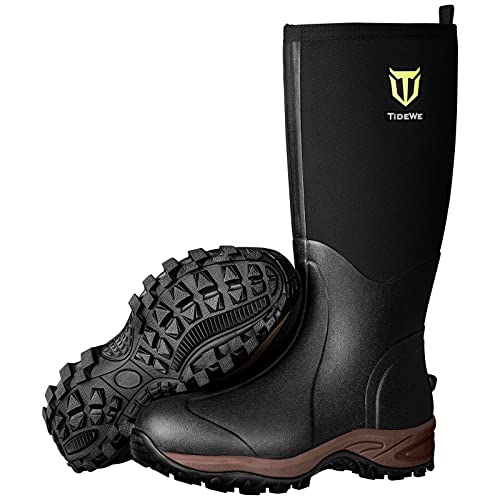
This guide is written for a first time buyer. It explains the basic parts of a boot, the specs that matter in changeable weather, the mistakes new buyers make, and the first steps to take after a purchase. The comparison table below pulls current options together in one place, so the sections that follow can focus on how to judge them well.






Boots 101: The Basics
Spring weather defines this purchase. Rain and mud are the normal ground conditions, so the boot is read first by how it handles water: a waterproof membrane or a well sealed leather upper keeps feet dry in showers, and a boot that can be rinsed clean and dried overnight stays ready for the next wet day. Breathability is the other half of the story, because a fully sealed boot on a warm afternoon traps sweat instead. The pairs that work best in this season balance the two rather than winning at one.
The parts are simple once you see them. The upper covers the foot and ankle, the midsole cushions each step, the outsole is the treaded rubber that grips the ground, and the toe box is the room around your toes. Spring boots come in ankle height styles for town and light trails, mid height hikers for rougher paths, and tall rubber styles for gardens and truly soaked ground.
Key Specs Explained in Plain English
Prices fall into three rough bands. Entry pairs run about $60 to $100 and cover dry days and light rain. The middle band, about $100 to $170, adds real waterproofing and better soles. Premium pairs run about $170 to $260 and buy lighter builds and longer lasting materials. Use the product table above as a checklist while you read the five factors below, and the bands will be easier to place.
Features That Matter for Spring
The season rewards a particular mix. Water resistance comes first, since wet ground is the default, but it should arrive without heavy insulation, which spring does not need. A lining that wicks moisture and dries fast matters more here than in any other season, because boots get wet from rain one day and from sweat the next. Weight stays moderate: winter boots are built like armor, while spring pairs should feel easy on a long walk.
Fit, Sizing, and Toe Box
Try boots on in the afternoon, when feet are at their largest, and wear the mid weight socks you actually plan to use. Spring socks are thinner than winter socks, so a boot fitted over thick winter wool will feel loose by April. Your heel should stay seated as you walk, and your toes should clear the front with room to spare for downhills. A toe box with honest width lets your toes spread on long walks, which keeps pressure even and prevents the pinched feeling that ruins a day out.
Break In Period and Comfort Out of the Box
Most modern spring boots need only a short break in. Soft uppers and cushioned collars often feel good on the first wear, while stiff leather pairs need several outings before the material gives around the ankle and forefoot. Wear a new pair around the house first, then on a short walk, then on a longer one, and stop if a hot spot appears. Walkers who need more height and grip on wet trails should also look at best spring hiking boots, which trade a little lightness for deeper lugs and firmer ankle support.
Outsole Traction and Terrain
Spring ground is slippery ground: wet pavement, muddy paths, mossy stone, and grass after rain. A moderate lug depth handles most of it, since deep lugs shed mud but feel clumsy on hard sidewalks, while shallow treads polish smooth and skate on wet stone. The rubber compound matters too, because softer compounds grip wet surfaces better and harder compounds wear more slowly. If your walks mix town and trail, choose the middle pattern rather than a boot built for only one surface.
Arch Support and Foot Type
Feet usually fall into flat, neutral, and high arch groups, and each loads a boot in its own way. Flat feet roll inward as the miles add up, so a stable midsole and a firm heel counter help. High arches absorb less shock naturally and often prefer extra cushioning. Most spring boots ship with a basic insole that can be swapped for a supportive insert matched to your arch, an inexpensive fix for many fit complaints. Pain that keeps returning is a health matter rather than a footwear matter, so have it looked at properly.
Rookie Mistakes to Avoid
New buyers make a few predictable errors, and most of them are easy to avoid.
- Buying heavy insulated winter boots for spring, then overheating and sweating through every warm afternoon walk.
- Choosing smooth soled fashion boots for muddy paths, where a flat tread has nothing to grip.
- Fitting boots in the morning over thick winter socks, then finding them loose once feet and socks change with the season.
- Leaving mud caked on boots for weeks, which dries out leather and grinds grit into seams and stitching.
- Wearing cotton socks that absorb rain and sweat, stay cold, and rub skin raw on longer walks.
Getting Started: Setup and First Use
Start with a short wear indoors, then a walk around the block, then a proper outing. This sequence confirms fit while the boots can still be exchanged, and it breaks in the upper gradually. Test the waterproofing early in a shallow puddle rather than discovering a leak on a long wet hike. Lace snugly from the bottom up so the heel locks in place, and recheck the fit once your feet warm up, because laces often need a small adjustment after the first mile.
Care in this season is mostly about mud and drying. Rinse mud off after wet walks, stuff damp boots with newspaper, and air dry them away from direct heat, which warps soles and cracks leather. Condition leather pairs once they are clean and dry so the upper stays supple through the season.
Frequently Asked Questions
What features matter most in boots for spring?
Water resistance that still breathes, moderate tread, and a moderate weight matter most. Spring asks a boot to handle rain in the morning and warmth by afternoon, so a sealed and insulated winter build is the wrong tool, and a summer shoe is too open. Add a lining that dries fast to the list, because the pair you wear tomorrow is often the pair that got wet today, and slow drying is what makes a boot feel permanently damp.
How often should I replace my boots?
Replace boots by their condition, not by a fixed schedule. The clear signs are lugs worn smooth at the heel and ball of the foot, uppers cracking at the flex points, seams opening, and a midsole that feels flat even on short walks. A pair worn only in one season often lasts several years, because it rests for most of the calendar. Keeping a worn pair for garden work stretches the life of its replacement.
How should boots fit?
Boots should fit with your heel seated, your midfoot held without numbness, and clear space in front of your toes. Always try on both feet, since one foot is usually slightly larger, and size for the larger one. Walk a slope or a set of stairs in the store if you can, because toes that touch the front on a descent will bruise on a real hill. Fit them in the socks you will actually wear.
How long is the break in period for spring boots?
Most modern spring boots settle in over a few short wears spread across about one to two weeks. Soft, lightly built pairs may need almost none, while stiff leather pairs can take longer before the ankle and forefoot flex naturally. The important rule is timing: complete the break in before a long trip or a big walking day, never during it, so the first long outing is a test of the route and not of your feet.
Can I wear spring boots all day?
Yes, a well fitted spring boot can be worn all day comfortably. The limits are heat and moisture, so on long warm days choose breathable socks and loosen the laces when you stop for a break. If you walk on several days in a row, rotating between two pairs helps a great deal, because each pair gets a full day to dry out completely. A boot that never fully dries starts to smell and wears out faster.
Are expensive spring boots worth it?
Higher prices usually buy better membranes, lighter materials, and cleaner construction, but fit still decides comfort more than cost does. A middle band boot that matches your foot will serve you better than a premium boot that pinches. Care also beats price over time: a rinsed, dried, and conditioned middle band pair will often outlast a neglected premium pair. Spend first on fit and socks, then on the boot tier.
The Bottom Line
Spring boots succeed or fail on three things: waterproofing that still breathes, a weight that suits warm days as well as wet ones, and a fit tested in the socks you will really wear. Use the product table above to compare those points across the price bands, and keep the mud rinsed off and the drying routine steady. Judge every option against those basics and the best boots for spring choice gets much easier.