
Best Boots for Spraying Chemicals in 2026: Types Compared and How to Choose
Disclosure: We may earn a commission when you buy through links on this page, at no extra cost to you. As an Amazon Associate I earn from qualifying purchases. Learn more

Compare boot types for spraying chemicals, with guidance on materials, shaft height, soles, fit and care to choose safe, comfortable coverage.
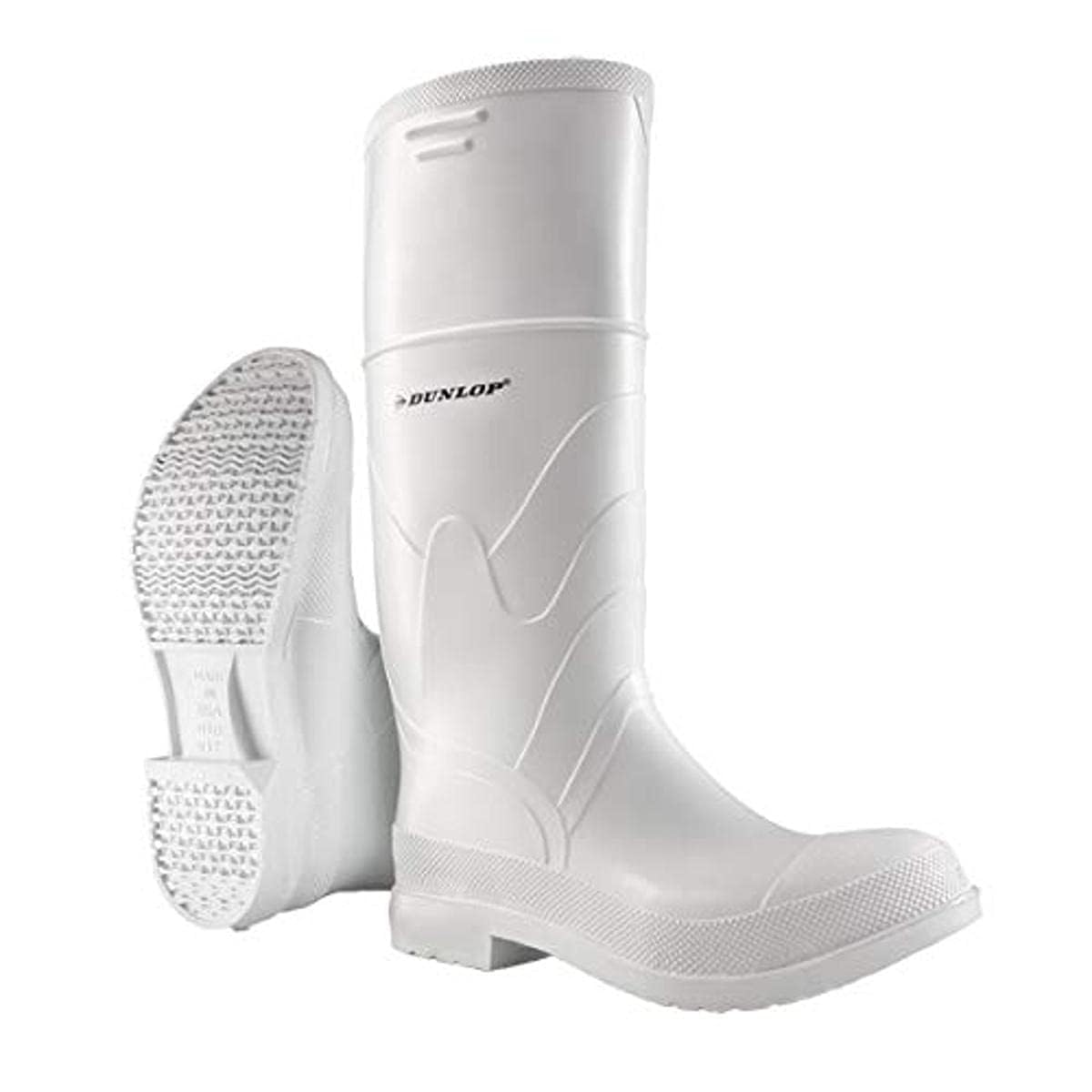
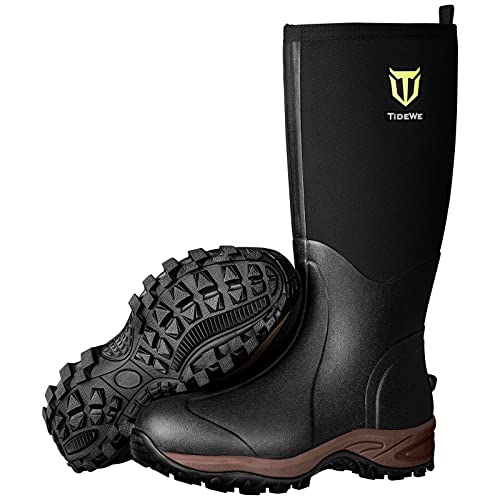
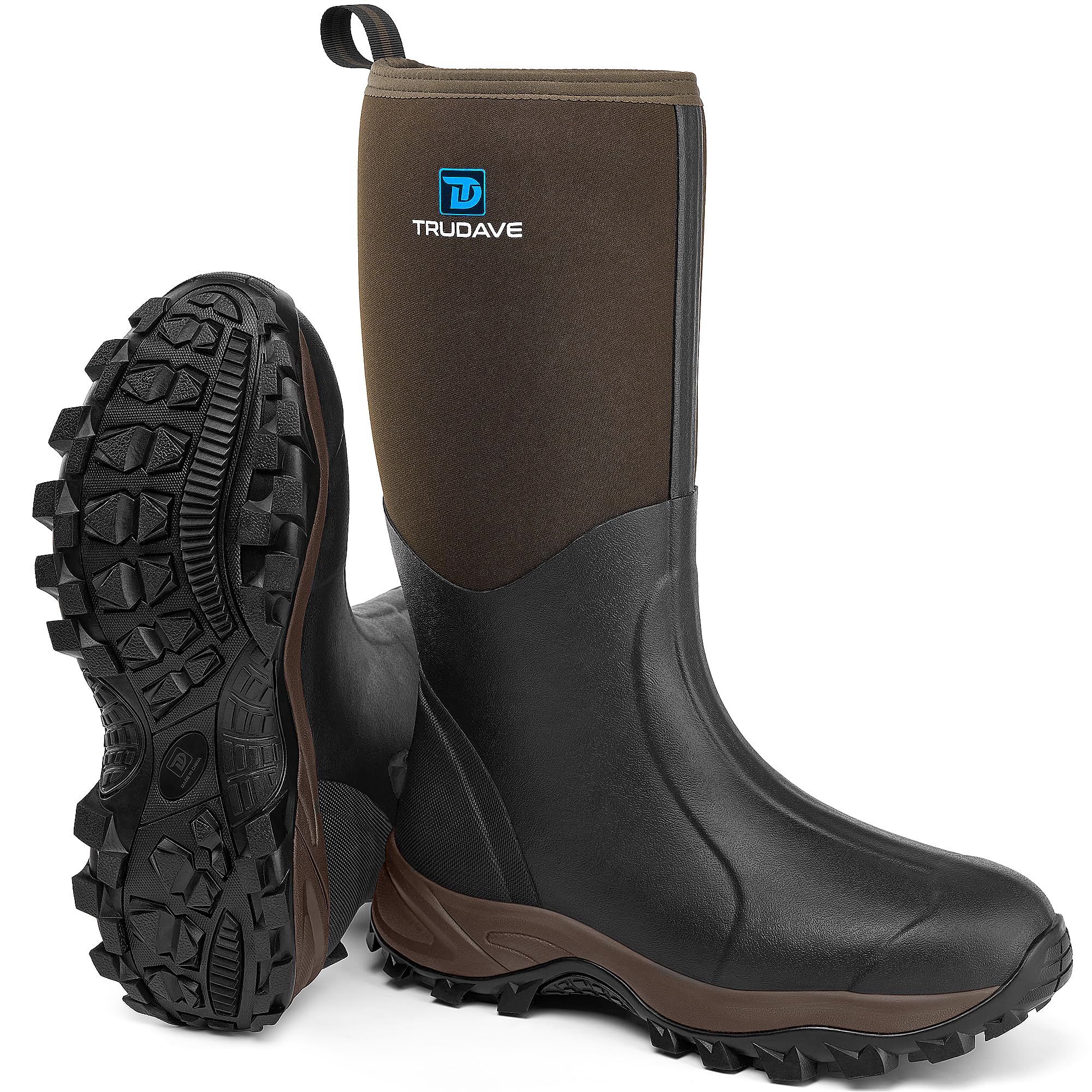
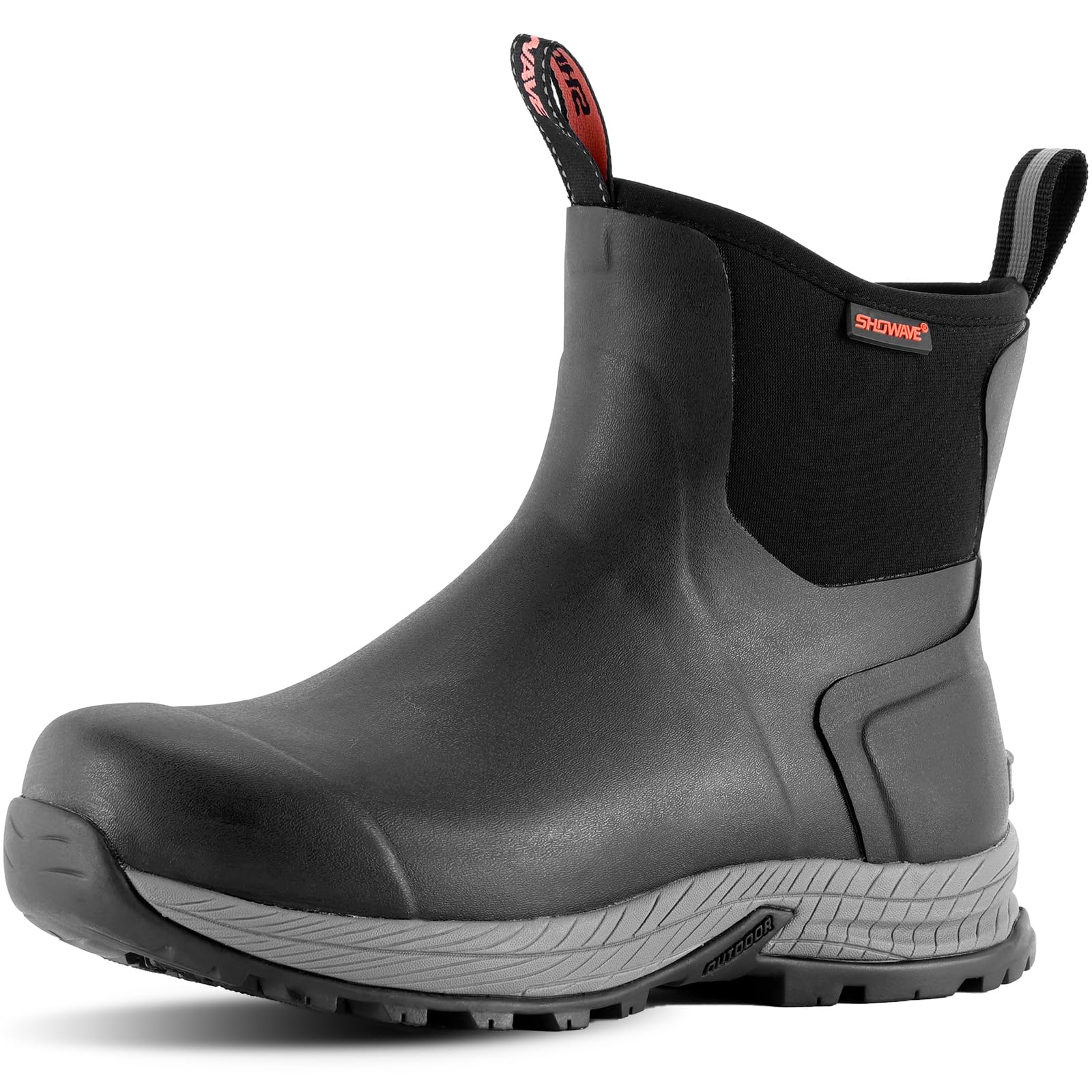
Spray work soaks your feet in a way ordinary yard work does not. Drift settles on your shins, puddles collect where you mix, and liquid runs down toward your socks. The best boots for spraying chemicals form a sealed barrier against that exposure, and the comparison table below shows the main types side by side.
Start with the chemical you spray most often and the ground you walk. A tall sealed boot that suits herbicide work on a farm may feel heavy for short lawn treatments, while a lighter boot may lack the resistance a plant crew needs.





Who Should Buy Which Boots for Spraying Chemicals?
Your spray setting decides how much coverage and resistance you need. Choose for the longest and wettest job you do in a normal week.
Farm and Field Spray Crews
You walk rows, climb in and out of cabs, and stand on wet soil or concrete at mixing stations. Choose tall boots with strong grip and room for thick socks. If you also choose equipment, see our guide to the best chemical sprayers so your boots and sprayer suit the same acres and pace.
Lawn, Pest Control and Greenhouse Workers
You spray many small sites in one day, so you enter and leave boots often and walk a lot on pavement and turf. Choose a lighter tall boot with a flexible shaft and a sole that grips wet walks. Easy rinsing matters for you, because residue from one site should never ride along to the next home or greenhouse.
Plant and Industrial Cleaning Teams
You work around stronger mixes, washdown water and slick floors, often under a site safety plan that names required footwear. Choose boots rated for the exact chemicals on your plan and check if a safety toe is required. For a broader view, see our guide to the best work boots for chemicals before you order for a crew.
Types of Boots for Spraying Chemicals Compared
All true spray boots share one trait, a sealed and nonporous shell. That is why the best boots for spraying chemicals in use are grouped here by shell material, since material decides chemical resistance, weight and durability. Porous uppers have no place in this comparison.
PVC Boots for Routine Spray Work
PVC boots are the common choice for general herbicide and fertilizer work. The shell resists water and many farm and lawn chemicals, costs about $30 to $60, and rinses clean under a hose. PVC feels stiff in cold weather and can crack after long sun exposure, so it suits routine work but may wear faster where you kneel or climb all day.
Nitrile Rubber Boots for Stronger Mixes
Nitrile rubber resists a wider range of chemicals, including many oils and solvents, better than standard PVC or natural rubber. These boots often cost about $60 to $120 and feel heavier, but the shell stays flexible at mixing stations. Choose nitrile when your labels list harsher ingredients, and confirm the maker rates the material for each chemical you use.
Neoprene and Polyurethane Boots for Comfort and Cold
Neoprene adds insulation and flex, which helps for early spring spraying and cold washdown work, while polyurethane stays light and resists abrasion on concrete. Both cost more, often about $80 to $150, and both need a label check for your exact mix. Choose these when you walk long distances or work in cold conditions and need less leg fatigue.
Key Features to Compare
Compare features in this order, material first and comfort last. A soft boot that fails against your chemical is not a bargain.
Chemical Resistance Matched to Your Product Label
Chemical resistance is not a single rating. A boot that resists a mild fertilizer may soften, swell or crack in a solvent based product, so match the shell to every ingredient on your labels. Makers publish charts that rate each material by chemical, and you should check yours before you buy. For a deeper look, see our guide to the best chemical resistant boots and keep that chart with your safety records.
Shaft Height and Coverage for Spray Drift
Most spray boots rise to just below the knee, about 14 to 16 inches tall, so drift and splash stay off your shins and socks. Wear work pants over the shaft, never tucked inside, so liquid runs down the outside of the boot. Shorter mid calf boots leave a gap that spray can enter in tall wet crops, so save them only for light tasks away from direct spray.
Sealed Construction That Keeps Liquid Out
Look for a molded one piece lower boot with no stitched seams, no laces and no fabric panels where liquid can soak in or hide. Seams and lace holes are leak paths, and porous materials can hold residue against your skin. A smooth shell also matters for cleanup, because residue washes off a plain surface fully, while stitched areas can trap chemical in small folds.
Outsole Grip, Cushioning and Arch Support
Spray floors and field paths are slick, so choose a broad outsole with deep lugs on soil or wide channels on concrete that shed liquid as you step. Inside, modest cushioning and steady arch support reduce fatigue during long passes, and a low heel to toe drop helps you stay balanced. A roomy toe box lets your toes spread on slopes, which improves stability with a full tank.
Safety Toe, Fit and Heat Trade Offs
Some sites require a steel or composite safety toe around tanks and machinery. Fit the boot with work socks on, late in the day when feet are largest, and leave a thumb width before your toes. Sealed boots do not breathe, so feet get warm. If liquid gets inside and you notice burning, blistering, strong itching or hard breathing, stop work, follow the label first aid steps, get medical help promptly, and talk with your clinician or safety lead about your exposure before you spray again.
Common Mistakes to Avoid
Most spray boot failures come from a few repeat choices.
- Wearing leather or fabric work boots for spraying lets chemical soak into the upper and stay against your skin.
- Tucking pant legs inside the shaft funnels spray and rain straight down into the boot.
- Buying short boots for tall crop work leaves your shins and socks exposed to drift and wet foliage.
- Choosing a smooth dress style sole for wet concrete raises your chance of a slip at the mixing station.
- Keeping a cracked or swollen boot in service lets liquid reach your foot through damage you can already see.
- Skipping the maker chemical chart risks pairing a shell with a product that weakens it in a single season.
Care and Maintenance for Boots Used in Spraying
Rinse the outside of your boots with clean water at the end of each spray day, before residue dries. Wash with mild soap when labels allow, rinse again, and stand the boots upright in shade to dry. Keep them away from direct heat, which can stiffen PVC and shorten the life of rubber.
Inspect the shell, shaft edge and sole each week for cracks, cuts, swelling or soft spots, and pull any damaged pair from spray work at once. Store boots upright, away from stored chemicals and sharp tools. Teams that also maintain transfer gear can see our guide to the best chemical pumps for care points that pair with a clean boot routine.
FAQ
What features matter most in boots for spraying chemicals?
Chemical resistance matched to your labels matters most in boots for spraying chemicals. After that, check that the size you want comes in a tall shaft with a wide calf option if you need it, because a resistant boot in the wrong height still leaves skin exposed. A replaceable insole is also worth seeking if you spray most workdays.
How should boots for spraying chemicals fit around the foot and calf?
Boots for spraying chemicals should fit snug at the heel, roomy at the toes and close at the calf without pinching. Try them while standing on a slight slope, since a heel that lifts on flat ground will lift more on a bank. If your calf is wide, measure it over your work pants rather than over bare skin for a truer fit.
Can you wear boots for spraying chemicals all day?
Yes, you can wear boots for spraying chemicals all day if the fit and insole suit long standing and walking. Plan short breaks to air your feet during long shifts, because sealed shells trap heat and moisture. A spare pair of dry socks to change at midday greatly improves comfort by late afternoon.
Do boots for spraying chemicals need to be fully waterproof?
Yes, boots for spraying chemicals need to be fully waterproof from sole to shaft top, with no partial rating. A boot sold as water resistant only sheds light rain and will let spray liquid pass in time. Test a new pair by standing in a tub of clean water for a few minutes and checking inside for any damp spot before first use.
Are expensive boots for spraying chemicals worth the cost?
Expensive boots for spraying chemicals can be worth the cost if you spray often and need broader chemical resistance or insulation. The extra money usually buys a better rated shell, a more durable sole and a shaped footbed. If you spray a few times a year with mild products, a basic PVC pair that fits well is a sound and safe choice.
How often should you replace boots for spraying chemicals?
You should replace boots for spraying chemicals as soon as damage or material change appears, rather than on a fixed schedule. Heavy daily use may wear a pair out in about one to two seasons, while light use can last longer. Mark the purchase date inside the shaft so you can judge age at a glance during inspections.
Wrapping Up
Put material resistance first, then shaft height, sealed construction and sole grip. Match the boot to your labels, ground and longest spray day, and use the product table above to check height, material and price.
When you choose best boots for spraying chemicals with those points in mind, you get coverage you can trust and a boot you can clean in minutes. Buy the simplest pair that meets your label needs and fits well.


