
Best Boots for Snowblowing in 2026: Stay Warm, Dry and Steady
Disclosure: We may earn a commission when you buy through links on this page, at no extra cost to you. As an Amazon Associate I earn from qualifying purchases. Learn more

Compare boots for snowblowing by insulation, shaft height, grip and fit, with a clear checklist to help you clear snow warm, dry and steady all winter.
You can dress well for cold air and still quit early if your feet fail first. Snow soaks cuffs, wind cuts through thin leather, and ice punishes careless steps behind the blower. The best boots for snowblowing keep warmth in, meltwater out, and your footing steady. Use the comparison table below to match insulation, height, and grip to your driveway.
A short flat driveway needs a different boot than a long sloped one where you stand outside for an hour. Think about snow depth, morning cold, and sock thickness. The sections below turn those answers into clear choices.





Who Should Buy Which Boots for Snowblowing?
Session length, snow depth, and slope matter more than styling. Find your group below, then carry its priorities into the sections that follow.
Homeowners With Long Driveways and Long Sessions
You may spend an hour or more outside, walking behind the blower and standing on cold pavement. Warmth comes first, so look for heavy insulation, a tall shaft, and liners you can remove and dry overnight. A boot that feels slightly roomy indoors serves you better once thick socks enter the picture.
Short Driveway Owners Who Clear Light Snow Often
Your sessions may last only ten or twenty minutes, but you repeat them many times each winter. Ease of entry matters most, so favor lighter boots with wide openings and pull loops. Moderate insulation is usually enough, and a lower shaft feels less bulky on steps and in the garage.
Owners of Sloped and Icy Driveways
You clear on a grade, turn the blower on packed snow, and cross the icy apron at the street. Grip and ankle support come first. Choose a firm shaft that holds your ankle when a foot slides, deep lugs, and a flat stance that keeps more rubber on the ground.
Key Features to Compare in Boots for Snowblowing
Shops list dozens of boots, but the best boots for snowblowing share traits tuned to wet snow, cold pavement, and steady pushing. Compare these six factors in order, and weak options become easy to spot.
Insulation Weight and Cold Ratings
Insulation is listed in grams, and it sets how long your feet stay warm. About 200 to 400 grams suits active clearing in mild cold, while 600 grams and above suits long sessions in severe cold. Printed cold ratings assume dry socks and steady movement, so treat them as a guide rather than a promise. Lasting numbness, pale or waxy skin, or pain that stays after warming up indoors needs prompt medical care, and readers with circulation concerns should ask a clinician about cold exposure.
Shaft Height and the Snow Seal at the Top
Shaft height decides whether snow stays outside the boot. Ankle height boots let deep snow pour over the top within a few steps, while shafts of about 10 to 16 inches keep most snow out on unplowed ground. A drawstring cuff closes the gap where loose snow enters, and pant legs worn over the shaft shed snow instead of funneling it inside. Match height to your deepest usual snow, because extra height adds weight to every step.
Waterproof Build and Breathable Membranes
Snowblowing mixes dry powder, wet slush, and spray thrown by the machine, so the lower boot takes constant water. Many boots pair a rubber lower section with a leather or fabric upper, which blocks ground water where it hits hardest. Full membrane builds, including Gore Tex liners, seal the whole foot but cost more and release sweat more slowly, so a breathable tradeoff appears on mild days. Sealed seams matter as much as the membrane, because needle holes leak under slush pressure.
Outsole Grip That Stays Flexible in Cold
Traction comes from lug shape and from rubber that stays soft when the temperature drops. Lugs of about 4 to 6 mm bite into packed snow, while wide flat contact areas help on smooth ice and sealed concrete. Hard plastic soles turn stiff and slick in deep cold, so look for flexible rubber. A modest heel edge gives you a brake point when you walk down a slope behind the machine.
Fit, Toe Box, and Sizing With Thick Socks
Warmth depends on blood flow, and blood flow depends on room. Try boots late in the day, when feet are largest, wearing your thick clearing socks. Your toes should wiggle freely in the toe box, with about a thumb width ahead of your longest toe. The heel should stay seated when you walk. Many buyers go up half a size from street shoes, and that extra room is a feature rather than a fitting error.
Stability, Cushioning, and Use With Gloves
A firm shaft and a flat, low heel to toe drop keep your stance planted while you push, turn, and back up with the blower. Cushioning in the midsole softens concrete during long sessions, and total weight matters, since heavy boots tire your legs. Finally, test closures with gloves on. Large pull loops and wide lace hooks save real frustration at a cold door.
Types of Boots for Snowblowing Compared
Most suitable boots fall into three families. Each trades warmth, weight, and support differently, so match the family to your session length and snow depth first.
Tall Pac Boots With Removable Liners
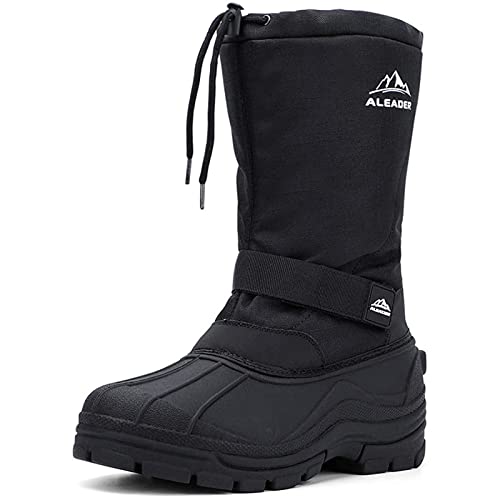
Pac boots combine a rubber lower section with a tall upper and a thick removable liner. They are the warmest common choice and suit deep snow, severe cold, and long sessions. The liner pulls out for fast drying on back to back storm days. Their cost is weight and bulk, and most fall around $120 to $250.
Insulated Rubber Boots
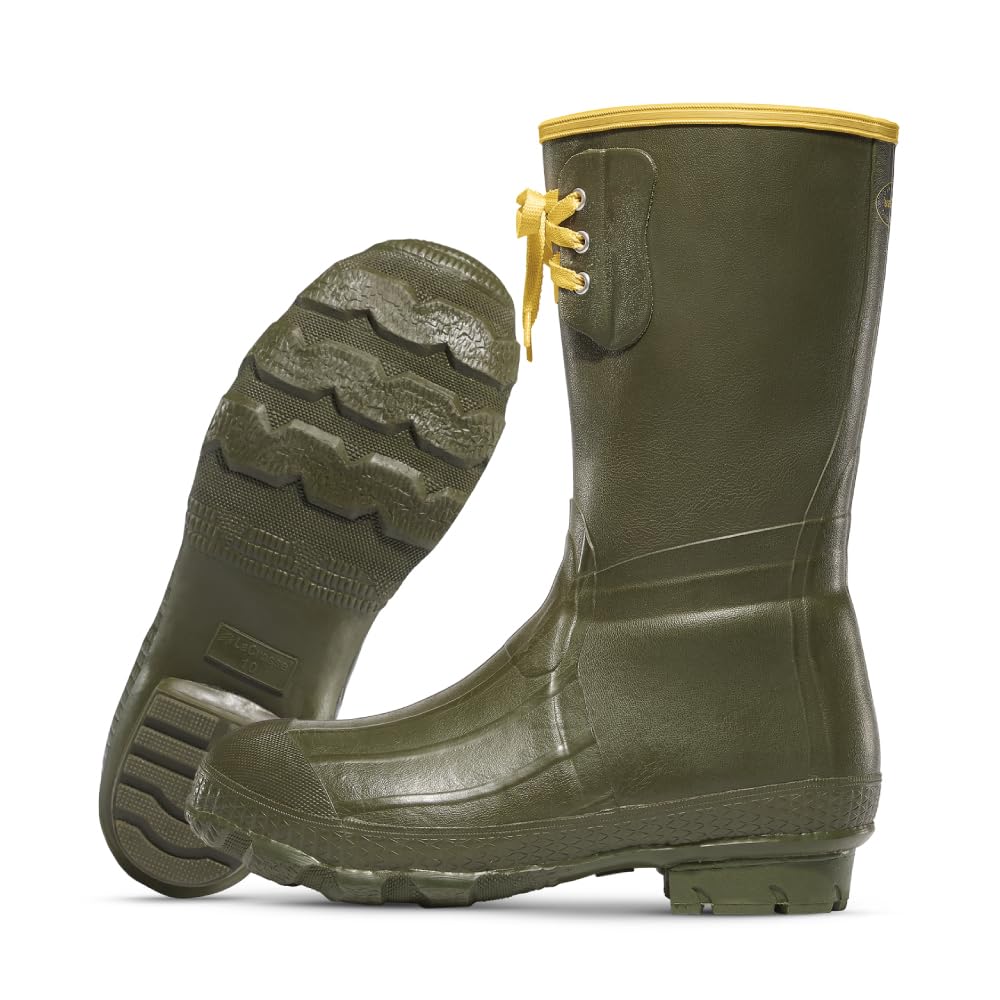
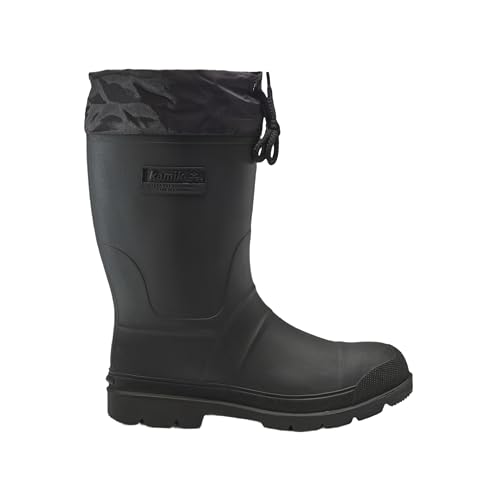
These boots use a fully rubber shell with insulation bonded inside. Slush, road salt, and spray rinse off in seconds, and nothing absorbs water. They suit wet snow near the melting point and puddles at the curb. Support and breathability are weaker than in laced boots, and most cost about $80 to $180.
Low Insulated Work Boots
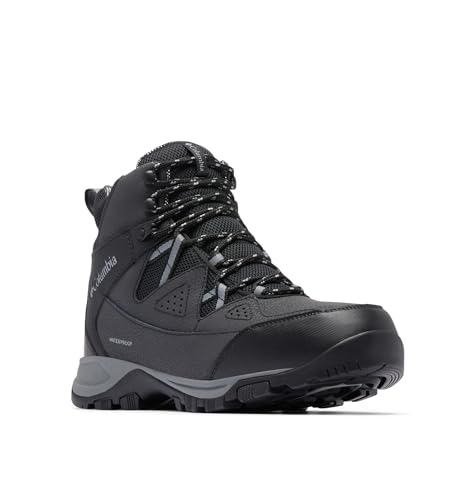
Low boots walk like sturdy work boots, with insulation and a waterproof membrane added. They feel familiar, suit driving, and fit light snow and short sessions. Their limit is height, since snow above the ankle enters quickly in unbroken drifts. Most cost about $90 to $200.
Common Mistakes to Avoid When Buying Boots for Snowblowing
Most regrets with winter boots come from a short list of buying errors.
- Choosing fashion boots with smooth soles leaves you sliding on the first icy patch.
- Buying a tight fit in the hope of warmth restricts blood flow and makes your toes colder.
- Picking ankle height boots for deep snow lets snow pour in and soak your socks.
- Trusting a printed cold rating alone leads to boots that feel cold at the street.
- Wearing cotton socks holds moisture against your skin and drains heat all session.
- Leaving wet boots by the door between storms keeps liners damp and slowly flattens the insulation.
How to Make Boots for Snowblowing Last Longer
Drying is the habit that protects warmth. Pull liners out after wet sessions and air dry boots and liners at room temperature, away from direct heat, because hot air cracks leather and warps rubber. Stuffed paper can pull moisture from the toe area overnight. Boots stored dry start the next storm at full warmth.
Clean off road salt and grit with a damp cloth, since salt dries leather and stains fabric. Condition leather as the maker directs, check seams and lace hooks each fall, and store boots upright out of direct sun.
FAQ
What features matter most in boots for snowblowing?
Warmth, shaft height, and grip matter most, in the order your climate demands. Start with the coldest morning you clear on, rather than the average. Before you buy, flex the sole by hand and reject any boot that feels stiff as a board at room temperature, since cold only makes rubber harder. A fair return policy helps too, because an indoor fit test with your own socks beats any size chart.
Do snowblowing boots need to be fully waterproof?
Snowblowing boots benefit from full waterproofing, but the wettest risk is often slush near the melting point rather than cold powder. Dry snow at very low temperatures brushes off fabric uppers, while chute spray and curb puddles soak boots fast. If your winters hover near freezing, pay for sealed seams and a rubber lower section. In dry powder country, strong water resistance plus tall shafts may serve you just as well.
How long does the break in period last for snowblowing boots?
The break in period for snowblowing boots is usually short, often two or three sessions. Thick liners compress to the shape of your foot, and stiff uppers soften at the ankle bend. Rubber boots change the least, so their first fit is close to their final fit. Wear new boots on a short session first, because a rub spot that feels minor indoors can grow painful once cold and pushing combine outside.
How often should I replace boots for snowblowing?
Replace boots for snowblowing when warmth, grip, or sealing fails, not on a fixed schedule. A liner that stays flat after airing out no longer traps heat well. Cracked rubber, seams that weep in slush, and lugs worn smooth at the heel each end a boot useful life. Many owners get four to eight winters from a good pair.
Can I wear boots for snowblowing for other winter work?
Yes, boots for snowblowing handle shoveling, firewood hauling, and winter yard work well, because the same warmth and grip apply. The main caution is driving. Tall pac boots are wide and stiff, and they can crowd pedals in small cars. Many owners keep spare shoes in the garage and change before driving. For long walks on cleared pavement, lighter low boots feel better.
Our Verdict
Decide by session length, snow depth, and slope. Long cold sessions call for tall pac boots, wet slush calls for insulated rubber, and short light clearing suits low insulated work boots. Fit with thick socks on, leave room in the toe box, and demand lugs that stay flexible in the cold.
When you judge the best boots for snowblowing by warmth, height, and grip first, the right pair is easy to recognize in the product table above. Buy for your coldest regular morning, keep boots dry between storms, and every session gets shorter and safer.


