
Best Boots for Snow Tubing in 2026: What Each Price Tier Buys
Disclosure: We may earn a commission when you buy through links on this page, at no extra cost to you. As an Amazon Associate I earn from qualifying purchases. Learn more

Compare the best boots for snow tubing by price tier, insulation, grip and fit, so you can stay warm and dry on every climb back up the hill.
Snow tubing boots work harder than they look. You sit low in the tube with your heels dragging through snow to steer and slow down, then stand in line or walk back up the hill. Prices run from about $60 to $250, and the gap is not just a logo. The best boots for snow tubing keep snow out at the cuff, grip packed snow on the climb, and stay warm while you sit still. The comparison table below shows where the money goes.
This guide follows the money first: who each style suits, which features change a tubing day most, and what each tier delivers in warmth, traction and durability.


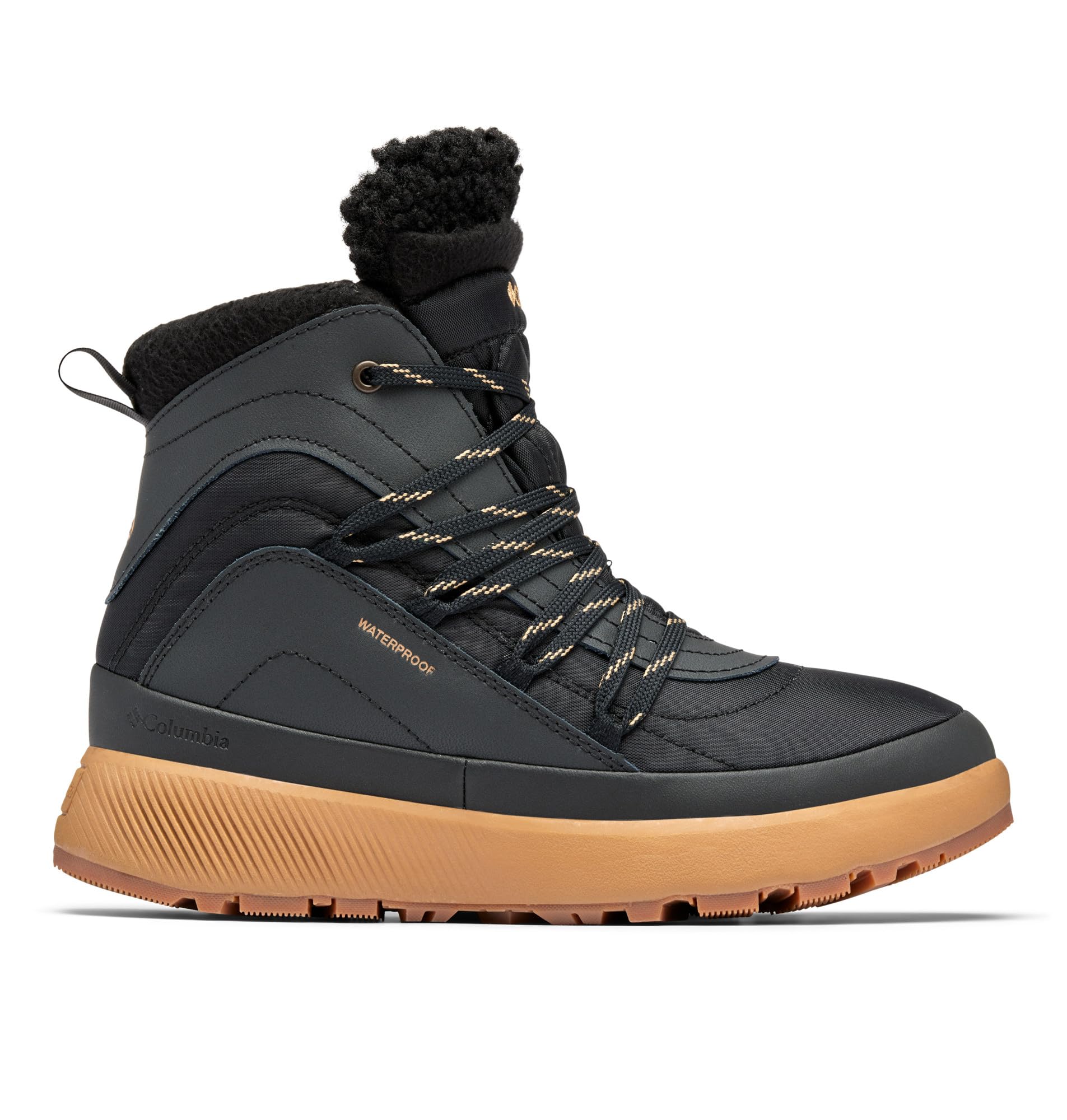
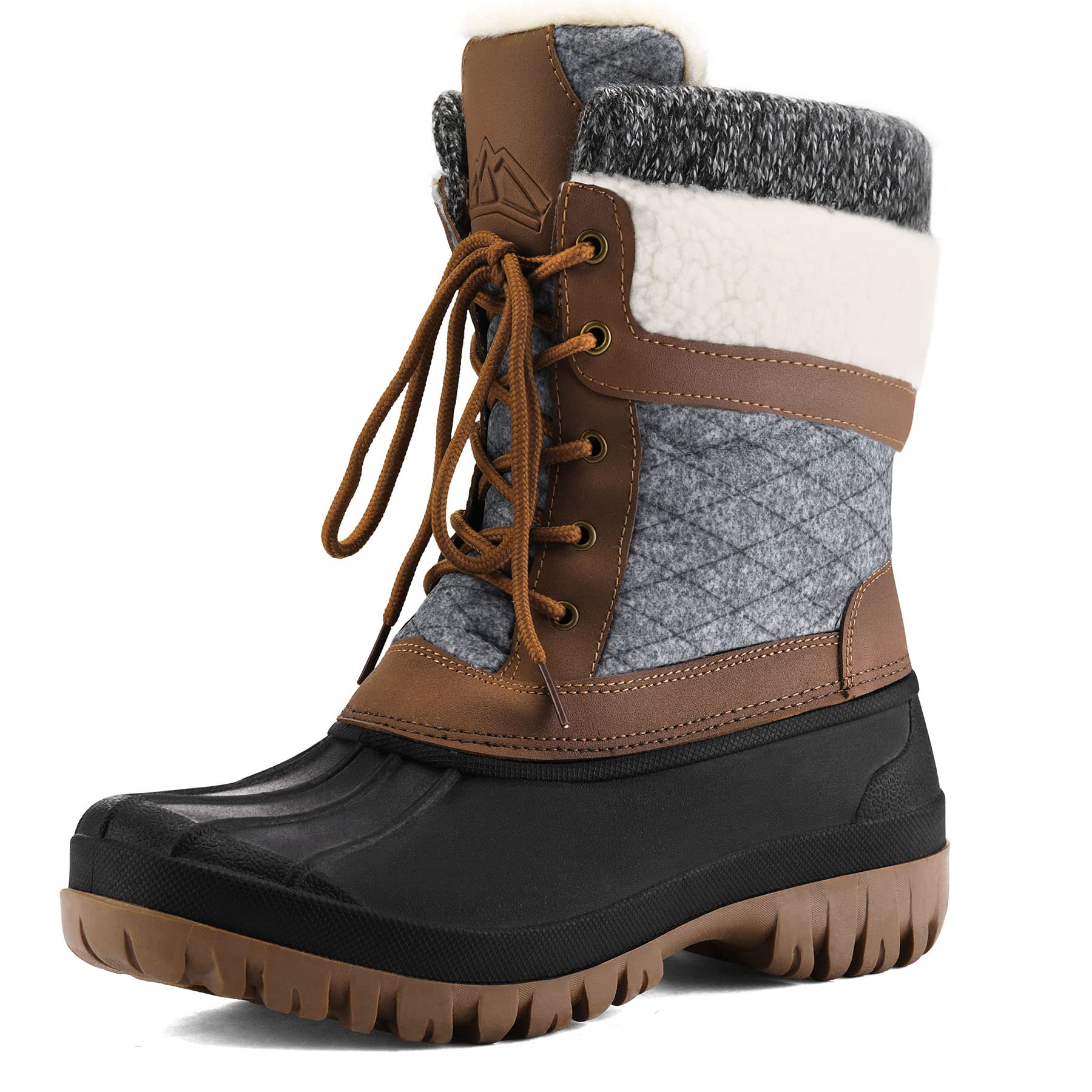
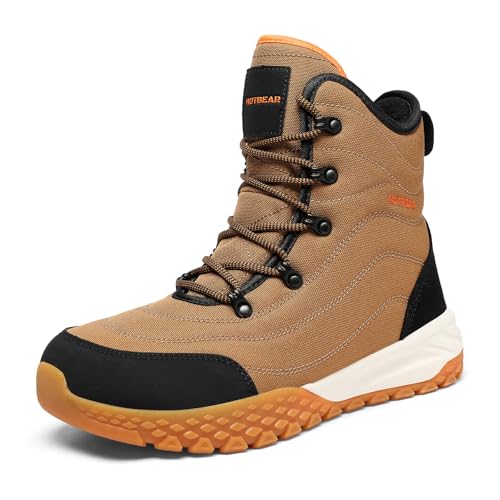

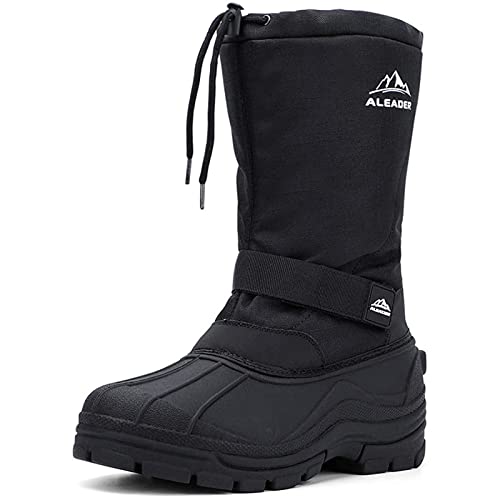
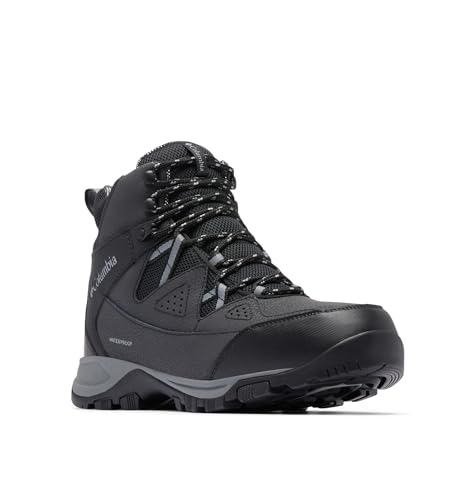
Who Should Buy Boots Suited to Snow Tubing
Occasional Tubers Heading Out a Few Times Each Winter
If you tube two or three times a season, you need warmth and dryness more than premium materials. A mid height waterproof boot with basic insulation and a lugged sole covers rental hill runs. Spend on thick winter socks before a higher tier, because a budget boot with the right socks often feels warmer than a costly boot worn with thin cotton ones.
Families Spending Full Days at Tubing Parks
Parents and kids stand around far more than they slide, waiting in lines and walking to the lodge, and standing time is when feet get cold. Insulation and a dry liner matter more than stiff support, and wide openings help small hands cope with gloves on. Women in this group may also want to see our guide to the best ladies snow boots, since sizing and calf fit differ from unisex styles.
Regulars Who Tube Most Weekends and Walk Every Hill
If your hill has no lift, you climb for every run, and that changes the brief completely. Weight, heel hold and outsole grip decide how fresh your legs feel by the tenth climb. A secure fit stops the boot pulling against your heel as you drag your feet to brake.
Key Features to Compare in Snow Tubing Boots
Waterproof Shell and a Shaft Tall Enough to Shed Snow
Tubing puts your feet in the snow on purpose, since your heels plow a trench as you brake and spray flies up the leg. A waterproof lower shell stops melt water soaking through where the boot flexes. A shaft of about 8 to 11 inches with a gusseted tongue keeps snow from slipping in over the top. For everyday winter wear, see our guide to the best snow boots.
Insulation for Sitting Still and Standing in Line
Warmth ratings for winter boots often assume steady walking, which builds body heat. Tubing breaks that pattern, since you sit in a cold tube, then stand still in a line. Choose insulation a step warmer than you would for a winter hike at the same temperature. Synthetic fill of about 200 to 400 grams suits most parks, and a breathable liner helps sweat escape.
Outsole Grip for Climbing and Braking in Snow
The outsole is your brake and your climbing tool. Deep lugs of about 4 to 6 mm bite into packed snow on the walk up, and widely spaced lugs shed snow instead of packing flat and skating. Rubber that stays flexible in cold weather grips better than hard plastic soles. A defined heel edge helps most, because you brake by digging your heels in as the tube slows.
Fit, Toe Box Room, and Heel Hold With Thick Socks
Try boots late in the day, wearing the thick socks you will tube in, because feet swell slightly and sock bulk changes the fit. Your toes should wiggle freely in the toe box and never press the front, since cold toes often come from a cramped box. Some heel lift is normal in stiff boots, but repeated slipping means blisters on a real hill.
Closures You Can Work With Gloves On
You will adjust your boots outdoors, in the cold, with gloves on. Long laces with large eyelets tighten in stages, snug at the ankle and looser over the instep, and are simple to replace when they fray. Wide pull loops help you haul the boot on without sitting down. A drawcord cuff seals the gap where snow enters during a fall, while tiny hooks you cannot grip get left loose.
Weight, Flex, Cushioning, and Arch Support for Repeated Climbs
Heavy boots add real work to a day of hill climbs, so lighter insulation with the same warmth is worth paying for. The sole should flex at the ball of the foot for a natural stride. Midsole cushioning softens the jolt of stepping off the tube onto hard snow. Modest arch support stops feet aching during long standing waits, and stability helps when you cross rutted snow carrying a tube.
What Your Tubing Budget Buys at Each Tier
Beyond the boot itself, budget for thick wool blend socks, spare laces and replacement insoles every season or two. Those costs apply at every tier, which is why the cheapest boot is rarely the cheapest day out once wet socks cut a session short. Treat the best boots for snow tubing decision as a cost per season choice.
Budget Tier, About $60 to $100: Sound Warmth, Basic Grip
Budget boots usually pair a rubber lower shell with a fabric shaft, basic synthetic insulation and a simple lace closure. That recipe keeps feet dry and warm for a few hours, which covers most casual outings. The trade offs show in sole grip on ice, slow drying liners, and cushioning that packs down by the second season.
Midrange Tier, About $100 to $170: Warmer Liners and Real Traction
This is where most tubing regulars should land. Boots here add denser insulation, sealed seams, deeper lugs and rubber that stays grippy in colder weather. If you want one pair for tubing, shoveling and winter walks over several winters, start here. Our guide to the best winter snow boots covers similar ground.
Premium Tier, About $170 to $250: Lighter Warmth That Lasts Longer
Premium boots earn their price through lighter high loft insulation, tougher abrasion resistant shells and soles that keep their edge after many seasons. The warmth gain over midrange boots is smaller than the durability gain. This tier suits frequent tubers, colder regions and anyone keeping one pair for five winters or more.
Common Mistakes to Avoid When Buying Tubing Boots
- Buying low boots, so sprayed snow pours in over the cuff on the first braking run.
- Wearing cotton socks that hold cold moisture against the skin, so feet chill inside warm boots.
- Sizing down for a neat fit, so thick socks crush your toes and cut circulation.
- Choosing smooth fashion soles, so the walk back up turns into a slide on packed snow.
- Leaving the cuff and laces loose, so the boot shifts as you brake and snow works in.
- Judging warmth by a five minute store try on, so you miss how cold sitting still feels.
Care and Maintenance for Snow Tubing Boots
Dry your boots after every outing, because insulation that stays damp loses warmth and starts to smell. Pull the liners or insoles out, loosen the laces and let air circulate at room temperature overnight. Keep boots away from direct heat such as radiators, since strong heat can crack rubber shells.
Brush off dried mud and road salt after each trip, then wipe the shell with a damp cloth, because salt dries out fabric and leather. Check laces for fraying and lugs for worn edges each season, and replace flat insoles. Store boots upright with the shafts open, so the insulation keeps its loft.
FAQ About Boots for Snow Tubing
What features matter most in boots for snow tubing?
Waterproofing, insulation and heel grip matter most, in that order, because your feet stay in contact with snow while you sit, brake and climb. One point buyers miss is cuff height relative to their pants: pants with built in gaiters pair well with shorter boots, while jeans and plain snow pants need a taller shaft to seal the gap.
Do boots for snow tubing need to be waterproof?
Yes, boots for snow tubing need real waterproofing, not just a water resistant spray. Your heels drag through wet snow for minutes at a time, and spray melts on warm fabric and soaks through coatings. Also check the tongue area, because many boots are waterproof only below the ankle, and tubing spray lands exactly at tongue height on faster runs.
How should boots for snow tubing fit with winter socks?
Boots for snow tubing should feel roomy in the toes and secure at the heel and ankle with your thickest winter socks on. Walk down an incline in the store if you can, since toes that tap the front on a slope will ache after a day of braking. Bring your own socks to the fitting, and if you sit between sizes, choose the larger one.
Can you wear boots for snow tubing all day at a tubing park?
Yes, you can wear boots for snow tubing all day if the fit leaves toe room and the sole flexes at the ball of the foot. The bigger comfort risk is moisture, because sweat from hill climbs dampens socks during long sessions. Pack spare dry socks, change at lunch, and loosen your laces indoors so your feet dry before the afternoon runs.
Are pricier boots for snow tubing worth it for a family trip?
For a single family trip, pricier boots are rarely worth it, because budget and midrange pairs deliver the same dry, warm afternoon. The calculation changes if the boots will pass between siblings or serve for school snow days all winter, where tougher soles stretch the value. Renting at the park is another option for one off trips, though rental stock varies in fit.
Wrapping Up
Start with waterproofing and cuff height, check that the outsole bites when you press your heel into packed snow, and fit the boot around your thickest socks. Then let your calendar decide the tier: a few outings a year point to budget or midrange, while weekly climbs reward premium durability. Whichever tier you choose, the best boots for snow tubing are the ones you forget about once the tube starts moving. Compare your shortlist against the product table above before you order.


