
Best Boots for Snow Traction: Every Type Explained Side by Side for 2026
Disclosure: We may earn a commission when you buy through links on this page, at no extra cost to you. As an Amazon Associate I earn from qualifying purchases. Learn more

Compare winter boot types for icy sidewalks, packed snow, and slush. Learn about grip patterns, insulation, waterproofing, and fit before you buy.
When sidewalks turn icy and parking lots hide patches of packed snow, ordinary footwear can feel uncertain with every step. The best boots for snow traction give you a steadier footing by pairing a grippy outsole with a stable fit, warm insulation, and protection from slush. This guide compares the main winter boot types side by side so you can match the right design to your daily route, your climate, and your budget.
Use the comparison table below as a starting point, then read the details that matter for your conditions. A boot that works well for a short walk to a bus stop may not suit a long shift outdoors, and a heavily insulated pair may feel too warm for a mild winter city. Focus first on grip, then on warmth, waterproofing, and fit.

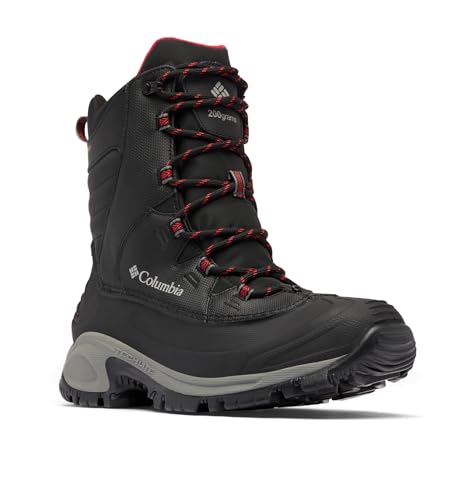


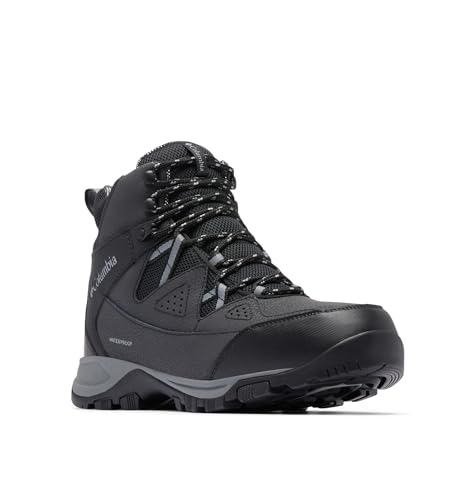
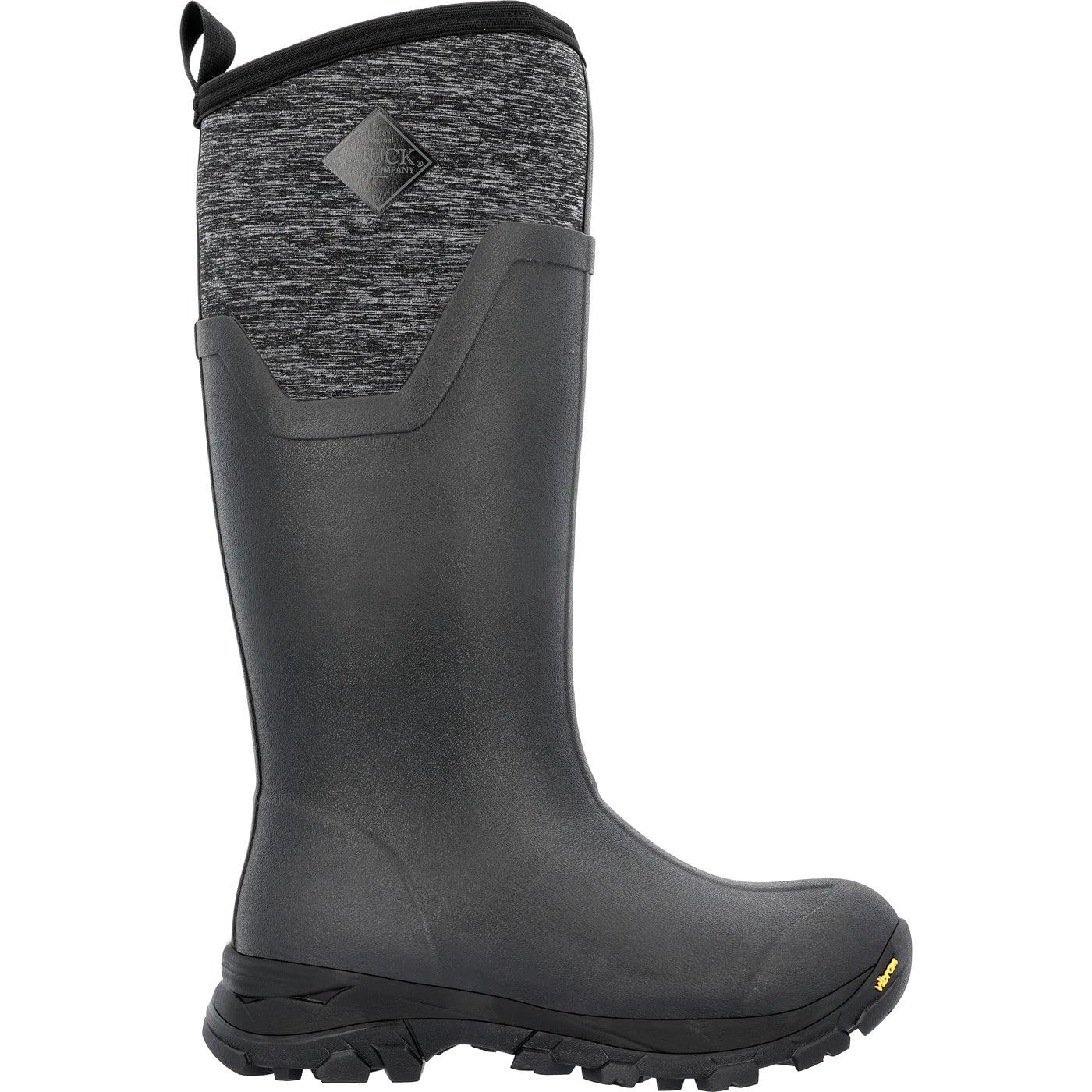

Types of Winter Boots Compared
The table below sums up the main choices. After it, each type is explained in more detail so you can see the trade offs behind the short descriptions.
| Type | Best For | Pros | Cons | Typical Price |
|---|---|---|---|---|
| Tall waterproof winter boots | Deep snow and wet slush | High coverage and strong grip | Heavier and warmer | about $120 to $220 |
| Mid height snow boots | Daily winter walking | Balanced warmth and mobility | Less coverage in deep drifts | about $90 to $180 |
| Lightweight winter walking boots | Mild winters and short trips | Easy to walk in and pack | Less insulation for extreme cold | about $70 to $150 |
Tall Waterproof Winter Boots
Tall winter boots cover the ankle and much of the lower leg, which helps keep snow out when you step through drifts or unshoveled paths. They usually pair a waterproof upper with a thick, lugged outsole that bites into packed snow and slush. Many designs also include a gaiter style collar or a drawcord top that closes the gap around a pant leg. These boots suit people who walk through deep snow, clear driveways, or spend long periods standing outdoors in winter weather.
The trade off is weight and warmth. A tall, heavily insulated boot can feel bulky on a short errand, so choose this type when deep snow and wet conditions are common on your route.
Mid Height Snow Boots
Mid height snow boots sit above the ankle but below the calf, a height that balances protection with freedom of movement. They are a practical choice for daily winter walking, school runs, commuting, and neighborhood errands in areas with regular snow. Most use a waterproof membrane or a treated upper, plus an outsole with widely spaced lugs that shed snow rather than packing it into the tread. Insulation levels vary, so you can choose a lighter pair for active walking or a warmer pair for standing still.
This type is often the easiest to live with through a whole winter, since it is lighter than a tall boot and simpler to store by the door. Its main limit is coverage in deep, unplowed snow.
Lightweight Winter Walking Boots
Lightweight winter walking boots look and feel closer to sturdy walking shoes, with a winter outsole and weather resistant materials added for cold months. They suit mild winter climates, cleared sidewalks, and people who value a natural stride and a lighter step. Because they flex more easily, they can feel comfortable for all day wear on mixed surfaces such as pavement, indoor floors, and light snow. Some designs include a removable insole, which lets you adjust cushioning or make room for a thicker sock.
The limit is cold and depth. Lightweight boots usually carry less insulation, so they work best when most of your walking is on cleared ground with only occasional snow and ice. For a closer look at general winter footwear options, see our guide to best snow boots and compare insulation and height across designs.
Tall Winter Boots Compared With Mid Height Boots: Which Should You Choose?
Compare the two types on grip, warmth, coverage, weight, and ease of use. Tall boots win on coverage and deep snow performance, while mid height boots win on mobility, weight, and everyday convenience. Grip itself depends more on outsole design than on height, so compare lug depth, lug spacing, and rubber softness in cold weather rather than assuming a taller boot always grips better. Warmth depends on insulation thickness and on how much air your foot has inside the boot, not only on shaft height.
Choose tall boots if you regularly face deep snow, slushy streets, or long outdoor shifts. Choose mid height boots if your paths are usually shoveled and you want one pair that handles most winter days without feeling bulky.
How to Choose the Right Boot
Start with your worst regular conditions, not your worst imaginable storm. A boot chosen for a rare blizzard will feel heavy on the other ninety days of winter, while a boot chosen for mild days will leave you cold and wet when a real storm arrives. List the surfaces you walk on most, the longest time you spend outside, and whether you stand still or keep moving. Those answers point to the right balance of grip, insulation, and height.
Features That Matter for Snow Traction
Snow traction comes from the outsole, not from a single marketing claim. Look for deep, widely spaced lugs that can press through slush and shed packed snow, plus a rubber compound that stays flexible in cold weather. A harder rubber may feel durable indoors but can turn slick on ice, while a softer cold weather compound tends to grip better at low temperatures. Also check the heel shape: a broad, flat heel gives a stable landing, while a narrow or rounded heel can feel tippy on uneven ice.
Some boots add small metal studs, which can help on smooth ice but may feel awkward on bare pavement or indoor floors. For mixed routes, a well designed rubber lug pattern is often more practical.
Waterproofing and Breathability
Waterproofing matters because wet feet get cold fast, even in a well insulated boot. A waterproof membrane inside the upper blocks melting snow and slush, while a water resistant treatment on the outside helps water bead and roll off. The trade off is breathability: a fully sealed boot can trap sweat during active walking, which then cools and leaves feet damp from the inside. Look for a design that balances sealing with ventilation, and wear moisture wicking socks to manage sweat on longer walks.
Seams, zippers, and lace openings are common weak points, so check how they are sealed or covered. After wet days, dry boots away from direct heat so the materials keep their shape.
Fit, Sizing, and Toe Box
Fit shapes both comfort and safety. A boot that is too loose lets your foot slide, which reduces grip and can cause blisters, while a boot that is too tight restricts circulation and makes feet feel colder. Measure your feet in the afternoon, when they are slightly larger, and try boots with the socks you plan to wear in winter. Your toes should have room to wiggle without hitting the front on downhill steps, and your heel should stay seated without lifting with each stride.
A roomy toe box helps on cold days because it leaves space for warm air and a thicker sock. For fit ideas aimed at different foot shapes, see our guide to best women's snow boots with traction and compare its sizing notes with the pair you are considering. As general guidance only, talk with a doctor if you have persistent or worsening foot pain, numbness, or swelling.
Durability and Expected Lifespan
Winter boots wear out through abrasion, salt exposure, and repeated flexing in cold weather. The outsole usually shows wear first, especially at the heel and the ball of the foot.
Judge replacement by performance, not by age alone. If the lugs look smooth or the waterproofing no longer holds, retire the pair from icy routes even if it still looks acceptable.
Setup and Care Tips
Break in new winter boots gradually with short walks before relying on them for a long icy route. This lets you spot pressure points and adjust lacing while you are still close to home. Lace snugly at the ankle for support but leave the forefoot relaxed enough for toe movement. If your boots have removable liners, take them out to dry after wet days, and store boots upright in a cool, dry place away from radiators.
Rotate two pairs for daily wear when you can, since a full day of drying keeps insulation lofted and reduces odor. For more everyday winter options, see our guide to best ladies snow boots when you want to compare lighter designs with the taller and mid height types above.
Frequently Asked Questions
What features matter most for grip on snow and ice?
Lug depth, lug spacing, and cold weather rubber flexibility matter most, because they decide whether the sole can bite into snow and stay pliable on ice. A broad heel and a stable platform also help, since they keep your foot level at landing instead of rolling. Waterproofing and insulation matter for warmth, but they do not replace a well designed outsole. Test a new pair on a safe, short icy patch near home before a long walk, and check that the tread still looks sharp after the first season.
Do I need fully waterproof boots for winter walking?
Fully waterproof boots are worth it if you walk through slush, melting snow, or standing water, since wet socks chill feet quickly. For mostly dry, cleared sidewalks in a mild winter, a water resistant boot with a treated upper may be enough and may breathe better. Consider how often you step off cleared paths and how long you stay outside. If in doubt, choose waterproofing for storm days and keep a lighter pair for dry days.
Are expensive winter boots worth the extra money?
Higher prices often buy better outsole rubber, stronger waterproofing, and more durable stitching, which can matter on icy ground. They do not automatically buy better grip, so compare the tread pattern and the materials rather than the price tag alone. A mid priced boot with deep lugs and a proven waterproof design can outperform a costly fashion boot with a smooth sole. Spend more when you face harsh conditions daily, and spend less when your winters are mild and your routes are cleared.
Can I wear winter traction boots all day?
Many mid height and lightweight winter boots are comfortable for all day wear, especially when they flex well and fit correctly. Heavier tall boots may tire your legs during a long indoor day, so change into lighter footwear indoors when you can. Check for heel lift, toe pressure, and ankle rubbing during a trial walk, since small fit problems grow worse over hours. If pain, numbness, or swelling persists, seek medical advice rather than pushing through in the same pair.
How long is the break in period for winter boots?
Most winter boots feel noticeably better after several short walks spread over a week, as the upper softens and the footbed settles. Stiff leather or heavily insulated designs may need longer, while soft synthetic boots may feel comfortable almost at once. Wear them around the house and on short outdoor trips first, and adjust lacing or insoles before a long route. If sharp pressure or rubbing does not ease after a reasonable trial, the fit is likely wrong rather than merely stiff.
The Bottom Line
Choose grip first, then match warmth and height to your regular winter conditions. Deep lugs, flexible cold weather rubber, and a stable heel give you the footing you need, while waterproofing and a roomy, well fitted toe box keep that footing comfortable. The best boots for snow traction for you are the pair that handles your usual surfaces without feeling heavy or cramped, so use the product table above to shortlist types, then compare tread, fit, and insulation before you buy.


