
Best Boots for Snow Removal: Matching the Right Model to Your Routine for 2026
Disclosure: We may earn a commission when you buy through links on this page, at no extra cost to you. As an Amazon Associate I earn from qualifying purchases. Learn more

Pick the best boots for snow removal by routine, with guidance on insulation, grip, fit and waterproofing.
There is no single pair of boots that suits every snow clearing routine, because a quick driveway pass and a full morning of clearing deep drifts ask very different things of your feet. Choosing the best boots for snow removal starts with your own pattern of work, how long you stay outside, how deep the snow gets, and how much ice you cross. Match those details first and the right specifications become much easier to spot.
The comparison table below brings the main options together so you can weigh height, insulation, and fit side by side. If you are still working out what your own routine really demands, see our guide to the best snow boots for me for a broader starting point. This guide then walks through each decision in plain terms, from outsole grip to toe box room.
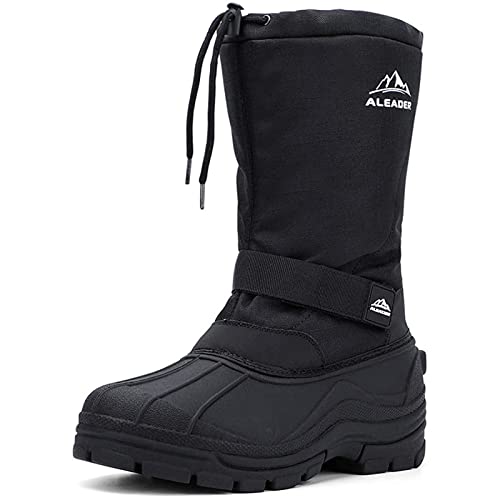

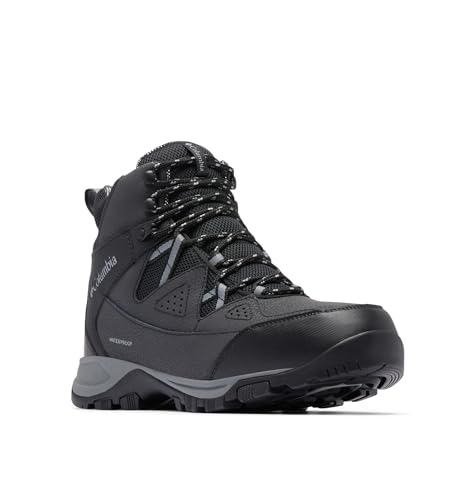
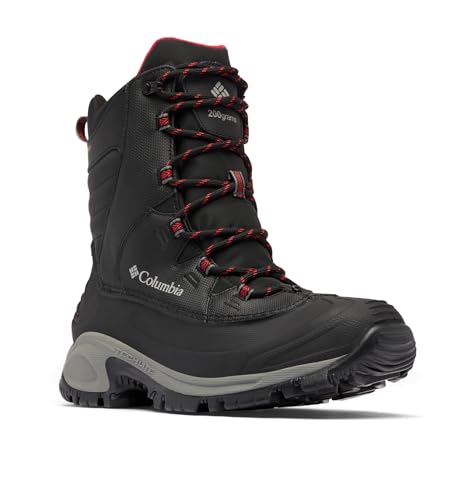

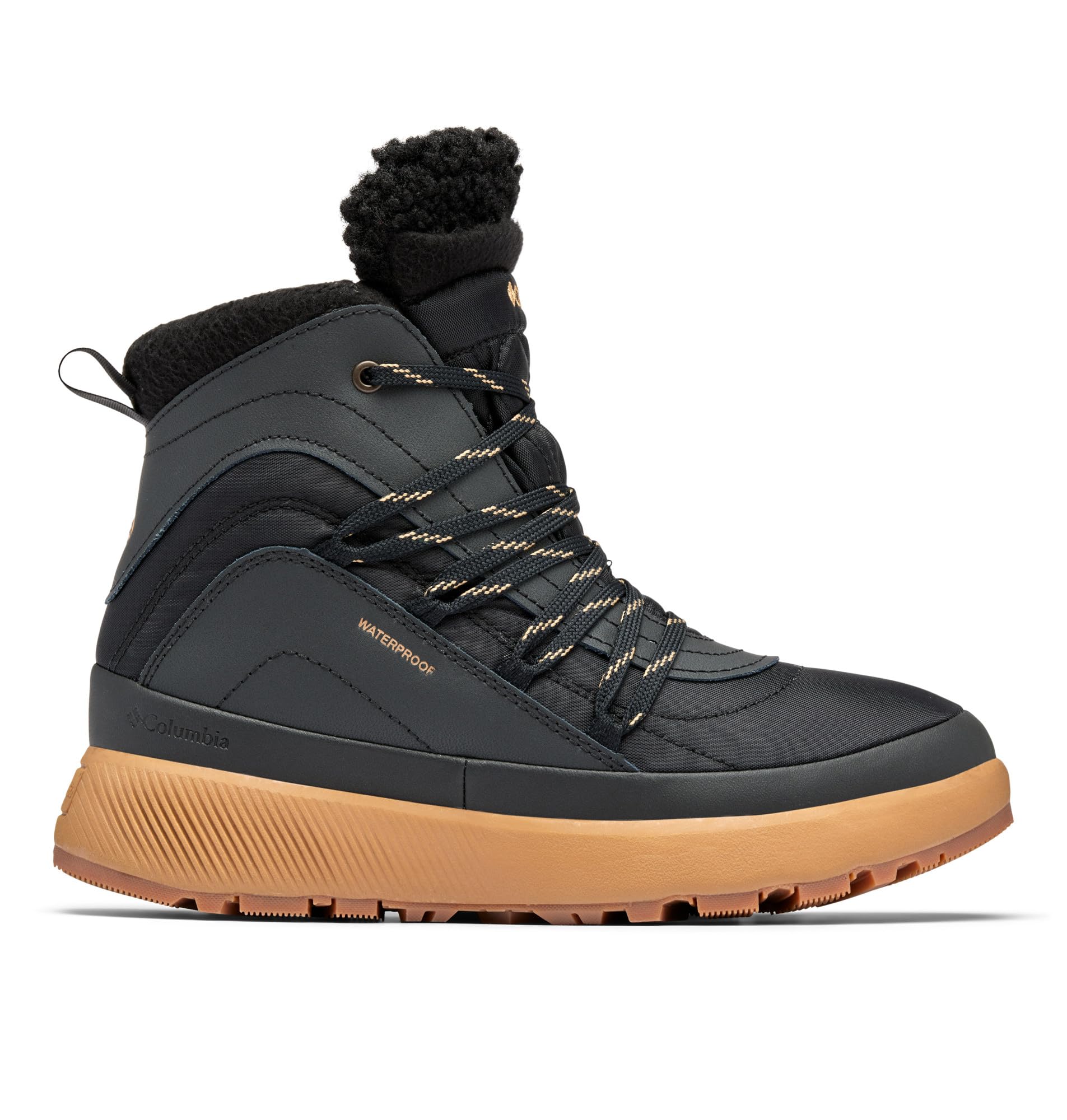
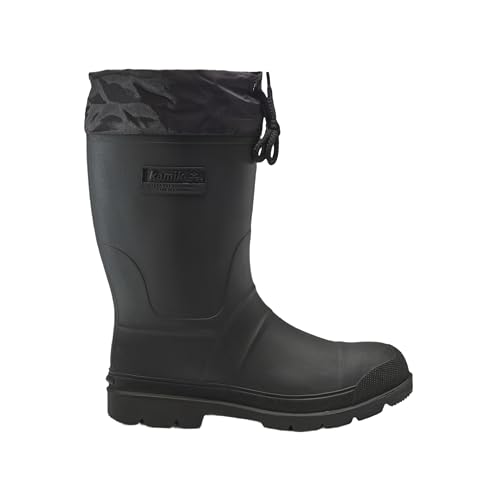


Who Should Buy Which Boots for Snow Removal?
Buyers tend to fall into three broad groups, and each group should rank the same features in a different order. Read the group that sounds most like you, then carry its priorities into the feature sections that follow.
For Occasional Users and Short Driveways
If you clear a short driveway and a front walk a few times a month, you need warmth and grip more than extreme specifications. Look for moderate insulation, a waterproof upper, and a lug pattern that bites on packed snow without feeling clumsy on cleared pavement. Easy entry matters too, because a boot you can pull on quickly is one you will actually wear for a ten minute job. Modest prices in this group, often under $100, usually cover those needs well.
For Frequent Users and Long Sessions
If you clear a long driveway, help neighbors, or maintain a small property through the whole season, your boots work almost like work footwear. Prioritize stronger ankle stability, generous cushioning under the heel, and an upper that resists cracking after many freeze and thaw cycles. A replaceable insole helps, since the original footbed often packs down before the rest of the boot wears out. For steady use like this, see our guide to the best winter snow boots.
For Deep Snow, Ice, and Severe Cold
If your routine involves drifts above the ankle, rural lanes, or temperatures that stay well below freezing for weeks, treat protection as the top priority. Choose a taller shaft, heavier insulation, and a sealed construction that keeps slush from soaking through at the seams. Falls during clearing work often happen on the hidden ice layer under fresh snow, so test grip on a small icy patch before you start. If toes become persistently numb, or skin turns pale and hard after you come inside, seek medical care promptly, since those can be signs of frostbite.
Key Features to Compare
The product table above can help you line up specifications quickly, but numbers only help when you know what each one changes outside. The best boots for snow removal share a few traits, yet the right balance among them depends on your climate and your feet. Work through the factors below and note which two or three matter most for your routine.
Features That Matter Most for Snow Removal Work
Clearing snow combines standing, pushing, lifting, and turning on uneven ground, so a boot must grip and support at the same time. A deep lug outsole sheds packed snow instead of clogging, which keeps each step planted while you push a shovel or guide a snow blower. Stability through the midfoot matters when a loaded shovel twists your stance. A gusseted tongue and sealed seams matter as well, because snow works its way into small openings while you walk through drifts.
Insulation Weight and Temperature Ratings
Insulation is usually listed in grams, and common choices run from about 200 grams for active use in milder cold to 1000 grams or more for very cold, slower paced work. More insulation is not automatically better, because too much warmth makes feet sweat during hard shoveling, and damp socks then chill quickly once you slow down. Temperature ratings are rough guides rather than guarantees, since activity level, socks, and circulation all change how warm a boot feels. Match the rating to your coldest typical morning, not the coldest night you can remember.
Fit, Sizing, and Toe Box
Measure your feet in the afternoon or evening, when they are at their largest, and measure while wearing the thick socks you plan to use outside. Your toes should have room to spread and wiggle, since a roomy toe box helps circulation and therefore warmth. A boot that pinches across the forefoot may feel snug in the store yet turn painful and cold after twenty minutes of work. If you fall between sizes, most snow clearing boots work better a half size up, as long as the heel stays seated and does not lift with each step.
Upper Materials and Breathability
Full grain leather uppers resist abrasion from ice and shovel edges and can last for years with basic care, though they weigh more and need time to dry. Synthetic shells and rubber lowers shrug off slush completely and suit routines that cross wet, salted pavement. Waterproof membranes, including Gore Tex in some models and house brand membranes in others, block outside moisture while letting some vapor escape. Breathable construction matters more than many buyers expect, because a fully sealed boot can trap sweat during hard work and leave socks damp from the inside.
Arch Support and Foot Type
Standing and pushing on sloped, uneven snow loads your feet differently than walking on flat floors, so arch support deserves real attention. Flat feet often do best with a firmer insole that limits inward rolling, while high arches usually need more cushioning to spread pressure across the foot. If you use orthotic inserts, bring them when you try boots on and confirm the boot has enough depth to hold them without crowding the toes. Readers shopping for a family member can see our guide to the best snow boots for man for sizing notes specific to men.
Shaft Height, Weight, and Closure Style
Shaft height should sit above the deepest snow you normally walk through, with common choices running from about 8 to 14 inches. Taller boots keep snow out but add weight and can feel stiff during a long session, while shorter boots feel nimble and suit plowed or shoveled paths. Laces give the most adjustable fit and let you loosen the top for driving, while pull on styles trade that adjustment for speed. If you shop for someone else in the household, our guide to the best ladies snow boots explains how women specific lasts change fit around the calf and heel.
Common Mistakes to Avoid When Buying Boots
Most disappointing purchases come from a handful of repeat errors rather than from poor quality boots. Skim this list before you order.
- Buying by price alone, which often means thin insulation and a smooth outsole that slips on the first icy morning.
- Choosing a fashion height shaft for deep snow work, so snow spills over the top and soaks your socks within minutes.
- Ordering your regular shoe size without allowing for thick socks, which leaves toes cramped, cold, and sore.
- Ignoring the return window and warranty terms, so a sizing mistake discovered after the first storm cannot be fixed.
- Assuming the warmest rated boot is always best, which leads to sweaty feet and damp socks during active clearing.
- Testing fit only while standing still indoors, instead of walking, bending, and mimicking a shoveling stance.
Tips to Get the Most From Your Boots
A good pair should serve several seasons if you treat it well between storms. Dry wet boots at room temperature away from direct heat, because radiators and heaters can crack leather and weaken adhesives in the sole. Stuffing the boots loosely with newspaper for the first hours helps draw moisture out of the insulation. Brush off road salt after each outing, since salt dries leather and stains fabric uppers when it sits.
Rotate two pairs if you clear snow on back to back days, giving each pair a full day to dry and recover its cushioning. Check the outsole lugs each fall and spring, and plan a replacement once the tread looks smooth at the heel and ball of the foot. Store boots upright in a dry place out of direct sunlight, with the shafts supported so they do not fold and crease. For a wider look at everyday winter pairs, see our guide to the best snow boots.
Boots for Snow Removal: Your Questions Answered
What Features Matter Most in Boots for Snow Removal?
Grip, waterproofing, and insulation matched to your climate matter most in boots for snow removal. Start with a deep lug outsole and a sealed upper, then choose insulation weight based on how active you are while clearing. One point buyers often miss is tongue construction, because a tongue attached to the upper on both sides blocks the slow leak that soaks many socks.
How Should Boots for Snow Removal Fit?
Boots for snow removal should fit snugly at the heel and midfoot, with clear space in front of your longest toe. Try them on with your winter socks late in the day, then walk and crouch to copy a shoveling stance. Your heel should stay down as you step, while your toes never press the front when you lean forward. If your feet swell noticeably during long sessions, a lace up style lets you ease the fit partway through the job.
Do Boots for Snow Removal Need to Be Waterproof?
Yes, boots for snow removal should be waterproof in nearly every climate, because melting snow and slush soak untreated uppers fast. A waterproof membrane or a rubber lower section keeps meltwater out during a full clearing session. The one exception is very cold, dry powder in regions where snow rarely melts on contact, and even there a treated upper helps. Remember that waterproofing only works below the top of the shaft, so deep drifts can still pour in from above.
Can You Wear Boots for Snow Removal All Day?
You can wear boots for snow removal all day if the fit and support suit your feet, though most pairs are heavier than everyday shoes. Cushioning and arch support decide how your feet feel by afternoon more than insulation does. Choose a moderate insulation weight so your feet do not overheat indoors between trips outside. Changing into dry socks at midday makes long days far more comfortable.
How Long Is the Break In Period for Boots for Snow Removal?
The break in period for boots for snow removal usually runs from a few short wears to about two weeks of regular use. Stiffer leather uppers take the longest, while soft synthetic shells often feel comfortable almost at once. Wear new boots around the house and on short errands first, rather than debuting them during a major storm. A hot spot that appears in the first hour is a useful warning to adjust socks or lacing before it becomes a blister.
Are Expensive Boots for Snow Removal Worth It?
Expensive boots for snow removal are worth it when you clear often, face severe cold, or need a wide range of sizes and widths. Higher prices usually buy denser insulation, stronger outsoles, and uppers that resist cracking over several seasons. Occasional users with short driveways rarely gain much from the top price tier, since their boots see few hours each winter. A practical approach is to set your budget by hours of use per season, not by the worst storm you can imagine.
Final Thoughts
Start with your routine, then weigh insulation, grip, and fit in that order, and most of the decision makes itself. The product table above gathers the specifications that matter so you can compare pairs without opening a dozen tabs. Choose the best boots for snow removal for the work you actually do, and your feet will stay warm and steady through the whole season. Prices and availability can change, so check the product page before ordering.


