
Best Boots for Snow Plowing in 2026: Everything to Know Before Your First Purchase
Disclosure: We may earn a commission when you buy through links on this page, at no extra cost to you. As an Amazon Associate I earn from qualifying purchases. Learn more

New to buying boots? Our simple guide to the best boots for snow plowing explains the basics, key specs, and smart tips so your first purchase is the right one.
Plowing snow asks more of your feet than a normal winter day does. You climb icy cab steps, stand on frozen pavement, walk through slush while you clear edges, and sit with pedals for long stretches. The best boots for snow plowing keep you warm, dry and steady through all of it, and the comparison table below lets you check the key specs once you know what they mean.
This guide is written for a first purchase, so it starts with the basics. You will learn the terms sellers use, the numbers worth paying for, and the fit checks that matter before a storm arrives.


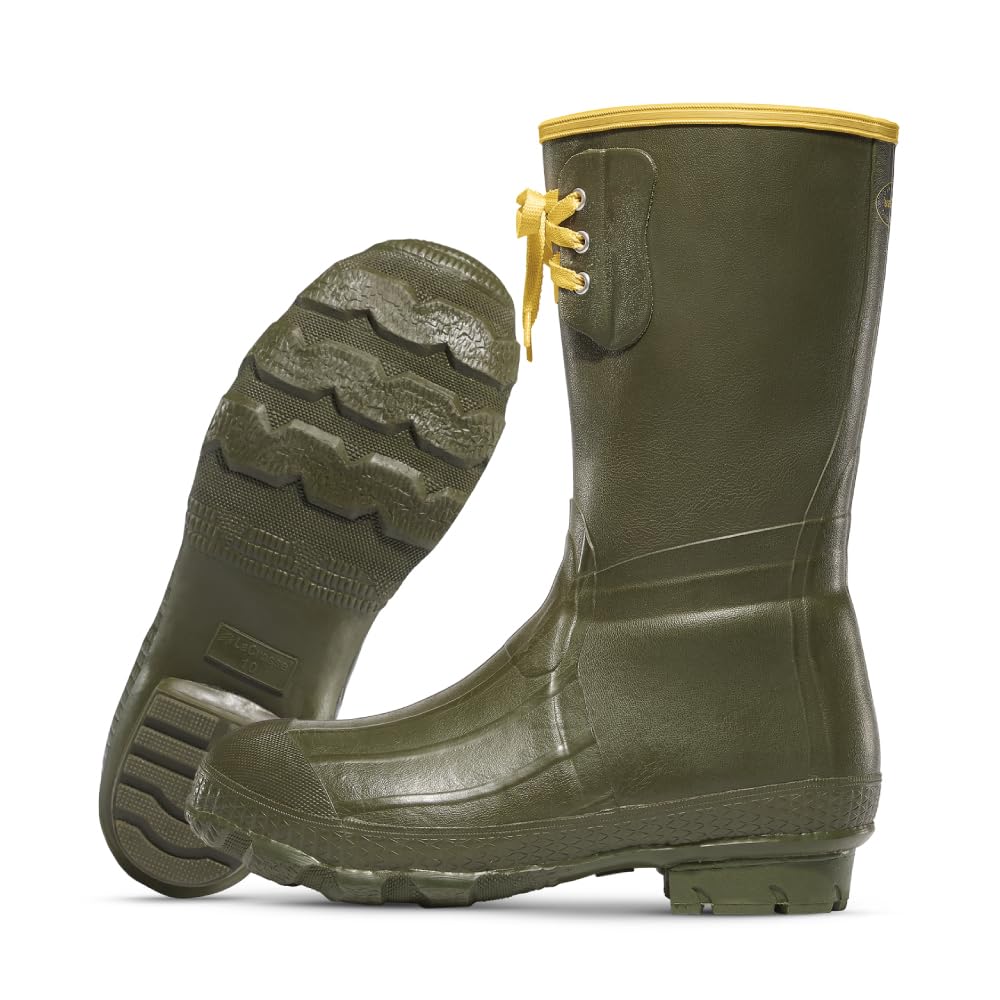

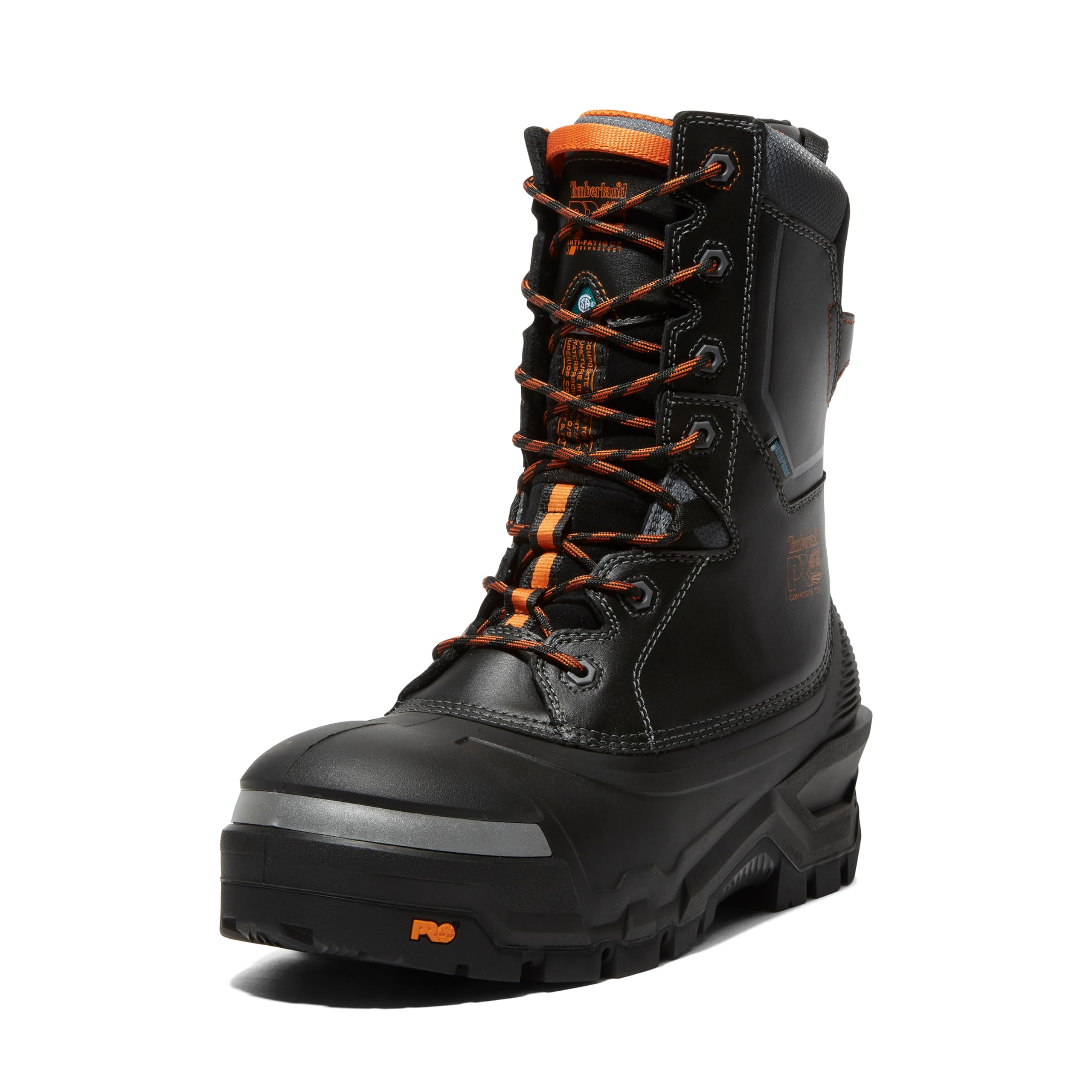

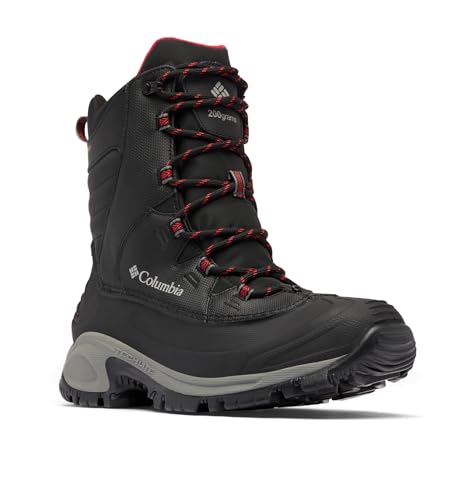


Boots 101: The Basics for Snow Plowing Work
A plowing boot is a tall winter work boot built for three jobs at once. The upper wraps your foot and lower leg to block snow and slush. The insulation holds warmth while you stand still on cold ground. The outsole grips ice, packed snow and wet concrete, and the midsole cushions each step. A good pair also stays comfortable on pedals, since many drivers spend half a shift seated.
A few terms appear on every listing. The shaft rises above your ankle, and a taller shaft keeps deep snow out. The toe box is the space around your toes. A lug is one block of rubber on the outsole, and deep lugs bite into loose snow. For the wider category, see our guide to the best snow boots.
Who Should Buy Which Boots for Snow Plowing?
Your role during a storm decides which features matter most. When you shop for the best boots for snow plowing, start with the group below that matches your work.
Plow Truck Drivers Who Also Shovel and Spread Salt
You move between a warm cab and cold pavement many times a night. Choose a mid height boot that flexes at the ankle so pedal control stays natural. Pull loops help you change quickly, and flat contact in the middle of the sole grips pedals while lugs at the edges grip snow.
Tractor and Loader Operators Climbing Icy Steps
You climb metal steps and stand on cold steel platforms, often in the dark. Choose strong ankle support and a firm heel that seats securely on a step edge. A composite safety toe protects your feet around equipment without pulling as much cold through the boot as steel can.
Sidewalk and Property Crews on Foot All Shift
You walk the most and stand on concrete the longest, clearing entrances, ramps and loading areas. Choose the lightest boot that still carries enough insulation for your region, with generous cushioning under the heel and forefoot. A roomy toe box matters more for you than for seated drivers, since feet swell during long walks.
Plowing Boot Specs in Plain Language
Sellers list many numbers, but only a few decide whether a boot works on a plow route.
Insulation and Shaft Height for Deep Snow
Insulation is sold by weight, and common winter boots carry about 200 to 1200 grams. Around 200 to 400 grams suits drivers who move in and out of a heated cab. About 600 to 800 grams suits crews who stay outside in cold regions, and the highest ratings suit still work in severe cold. A shaft of about 10 to 14 inches keeps snow out when you step off a cleared path.
Keeping Meltwater Out During Long Storm Shifts
A waterproof membrane is a thin layer inside the boot that blocks liquid water while letting some vapor escape. Boots built with Gore Tex use one well known membrane, and many brands use their own versions. Sealed seams and a gusseted tongue matter just as much, since slush enters at stitch lines and at the tongue gap. The trade off is air flow, because a sealed boot can feel damp from sweat during indoor breaks.
Traction for Icy Lots and Truck Steps
The outsole decides whether you stay upright on a frozen lot. Deep, widely spaced lugs shed snow instead of packing it flat, and softer rubber stays grippy in deep cold where hard rubber turns slick. A defined heel edge helps you brake your step on slopes and cab steps. Smooth soles have no place on a plow route. Strap on traction aids can help on glare ice, but the boot itself should grip well first.
Fit Over Thick Socks for Hours Behind the Plow
Measure your feet late in the day, when they are at their largest, and wear the thick socks you plan to work in. Your toes should wiggle freely and never press the front on a slope, since tight toes lose warmth as blood flow slows. Allow roughly a thumb width beyond your longest toe. Widths differ by brand, so wide sizes help if your forefoot feels pinched. A snug heel with a roomy front is the fit to aim for.
Arch Support, Cushioning and Stability for Long Shifts
Support inside the boot shapes how tired your legs feel after a storm. A firm arch suits flat feet and helps limit inward roll on uneven snow, while a softer, cushioned insole suits high arches. Cushioning is a balance, since very thick soles can feel vague on pedals. Heel to toe drop in work boots is usually modest, and a lower drop feels stable on ice. If foot pain keeps returning after shifts, talk with a clinician about your personal needs.
Weight, Flexibility and Safety Toes Around Equipment
Every extra pound on your foot is lifted thousands of times in a walking shift, so lighter boots save energy when warmth ratings are equal. Forefoot flexibility helps you kneel to hook a chain, while a stiff shank helps on ladder rungs and step edges. Safety toes come in steel, composite and alloy forms. Steel is strong and common, composite weighs less and transfers less cold, and alloy sits between the two. Choose one if your employer requires it.
Getting Started: First Fit Checks and Your First Shift
When your boots arrive, wear them indoors first with your work socks. Walk stairs, crouch, and press an imaginary pedal to check that the ankle flexes without pinching. Lace from the bottom with even tension, snug at the ankle and looser at the top. Check that pant legs or snow gaiters overlap the shaft.
Break the boots in over a few short outings before a full storm shift, since stiff leather molds slowly to your feet. For colder rated styles, see our guide to the best winter snow boots. On your first route, carry spare dry socks in the cab.
Common Mistakes to Avoid
First time buyers tend to repeat the same errors.
- Buying your normal shoe size leaves no room for thick socks, so your toes go cold and numb on route.
- Choosing warmth by price alone can buy a heavy boot you dread wearing on route.
- Ignoring outsole tread leaves you sliding on the first icy lot, even if the upper is warm and dry.
- Wearing cotton socks traps sweat against your skin, so your feet chill once you stop moving.
- Skipping the break in period turns a long shift into blisters and sore ankles.
- Letting the shaft sit under narrow pant legs funnels snow straight into the boot.
Care and Maintenance for Plowing Boots
Salt is the main enemy of a plowing boot. Brush off snow before you come inside, then wipe the upper with a damp cloth to lift salt residue before it dries into the material. Rinse soles as well, since packed salt and grit keep working on stitching. For fit notes on narrower lasts, see our guide to the best ladies snow boots.
Dry wet boots at room temperature with the insoles removed and the tops open. Keep them away from direct heat such as radiators, since strong heat cracks leather and weakens glue lines. Store the pair upright in a dry place, and condition leather uppers when the surface looks dry or pale.
Boots for Snow Plowing: Your Questions Answered
What features matter most in boots for snow plowing work?
Warmth, waterproofing and outsole grip matter most, in that order for most routes. A boot that fails on any one of the three ends a shift early. Beyond that trio, check details such as reflective trim for night routes near traffic, and glove friendly pull loops for cold starts.
Are expensive boots for snow plowing worth the extra cost?
They can be worth it when the higher price buys more insulation or a better membrane. Budget pairs around $80 to $130 suit light routes and mild regions. Pairs around $150 to $250 often add warmth and materials that survive several seasons of salt. Pay for the spec you lack.
How often should I replace boots for snow plowing?
Replace them when the tread lugs wear smooth, the insulation packs flat, or water starts entering at the seams. For a busy contract route, that can arrive after two to four hard seasons. At home, flex the boot and watch for cracks or gaps at the sole line.
How long does the break in period last for boots for snow plowing?
Most pairs need about one to two weeks of short wears before the fit feels natural. Stiff leather styles take the longer end of that range, while soft synthetic styles settle sooner. If a hot spot appears on your heel, adjust lacing and sock thickness early, since a small rub becomes a blister during a twelve hour storm.
Can I wear boots for snow plowing all day during a long storm shift?
Yes, you can wear them all day if the fit, weight and warmth match your route. Plan two short foot breaks where you loosen the laces and let air move. Drivers who sit for hours often prefer a slightly lower insulation rating, since a hot cab plus a heavily insulated boot makes feet sweat.
Wrapping Up
Start with your role, then match insulation, waterproofing and grip to your region and route. Fit the boots with your real work socks and break them in before the first big storm. Use the product table above to compare shaft height, warmth ratings and weight.
Chosen with those points in mind, the best boots for snow plowing disappear on your feet and let you focus on the route.


