
Best Boots for Snow and Rain: What Actually Matters Before You Buy for 2026
Disclosure: We may earn a commission when you buy through links on this page, at no extra cost to you. As an Amazon Associate I earn from qualifying purchases. Learn more

Use a checklist to compare boots for snow and rain, covering waterproofing, insulation, traction, fit, and care, so you can choose a pair for winter weather.
Choosing best boots for snow and rain is easier when you judge every pair on the same checklist instead of on looks or on a single feature. Snow and rain create different problems: snow calls for insulation and grip on ice, while rain calls for sealing and quick drying. A good winter boot must handle both, often on the same day, without feeling heavy or clumsy.
Use the comparison table below as a reference while you work through the checklist in this guide. The sections that follow explain each point in plain terms, show you what to check before you buy, and flag the warning signs that point to a poor choice.
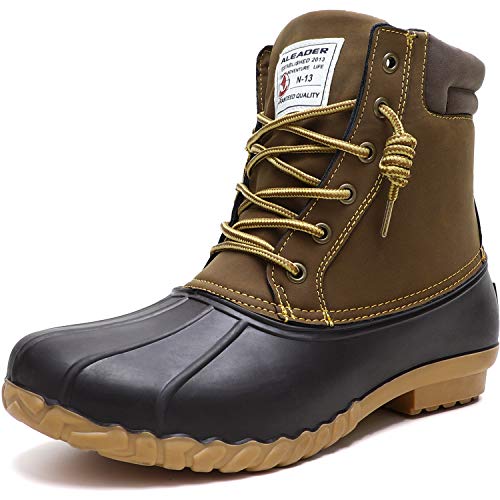
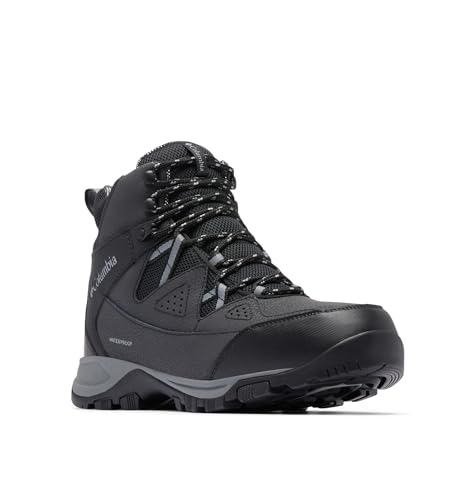



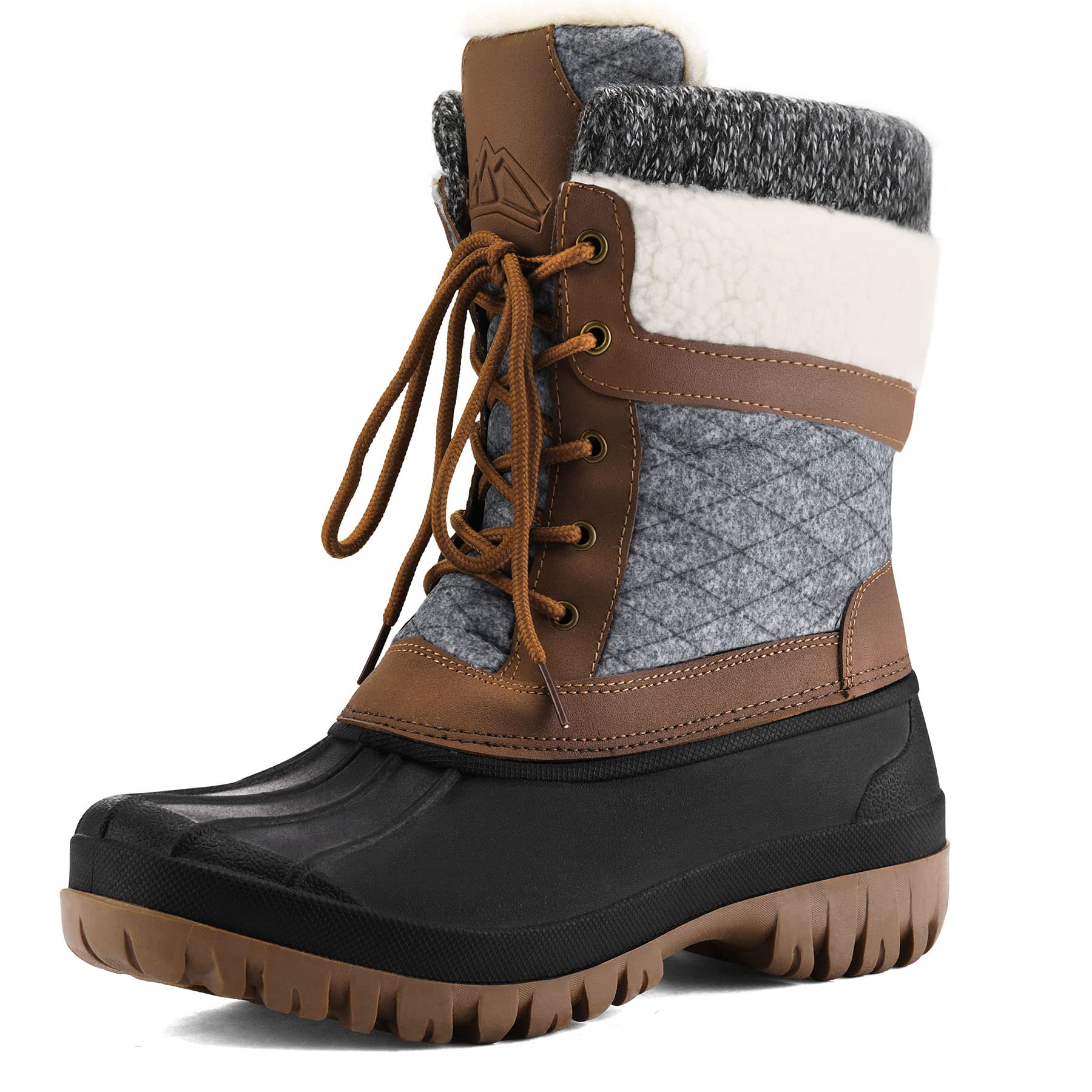

A Feature Checklist for Winter Boots
Think of this section as a checklist, not a test report. Each point names what to look for and what counts as a good result, so you can compare any two pairs fairly. Bring the checklist with you when you shop, and score each pair on fit, sealing, insulation, and grip.
Features That Matter for Snow and Rain
Snow and rain demand a boot that seals out water, stays warm, and grips slick ground. Look for sealed seams, a gusseted tongue that blocks slush, and a sole that bites into snow and wet pavement. Insulation should match your climate and activity level, since a very warm boot can feel clammy on a mild rainy day. Balance is the goal, not the highest rating on any single spec.
Fit, Sizing, and Toe Box
Fit decides comfort more than any other feature in winter boots. Measure your feet in the afternoon and wear the thick socks you plan to use in cold weather. A roomy toe box lets your toes move, which helps circulation and warmth, while a snug heel keeps the boot stable on slick ground. If your toes press the front on a downhill step, try another size or width.
Waterproofing and Membranes
True waterproofing comes from sealed seams and a waterproof membrane, not from a surface coating alone. A coating sheds light rain for a while but wears off, while a membrane keeps working as long as the seams stay sealed. The trade off is breathability: a fully sealed boot can trap moisture from sweat, so look for a lining that manages moisture well. Check whether the boot is rated as waterproof or only water resistant before you trust it in deep slush.
Upper Materials and Breathability
Uppers for winter boots mix leather, treated fabric, and rubber to balance protection and weight. Leather resists scuffs and water well, fabric panels reduce weight, and a rubber lower shell guards against slush and road salt. Breathability matters even in winter, because damp socks chill feet fast. Favor a lining that wicks moisture and dries reasonably fast between wears.
Break In Period and Comfort Out of the Box
Winter boots should feel comfortable on a short first walk, with only mild stiffness that eases over a few wears. A boot that pinches badly at first rarely improves enough in cold weather, when feet swell slightly and socks add bulk. Wear new boots indoors for short periods first, and check for pressure at the toes, the ankle bones, and the top of the foot. Swap the insole if the stock insole feels flat, since that change often improves warmth and comfort.
Outsole Traction and Terrain
Outsole design decides how steady you feel on ice, packed snow, slush, and wet pavement. Deeper lugs shed snow better, while a softer rubber compound grips ice more reliably in cold weather. Look for a tread pattern with many edges and channels that clear slush instead of packing it in. Test the grip on a slick surface when you can, and remember that no sole grips bare ice perfectly, so slow down on icy steps.
Spending Guidance by Need
Price levels in winter boots differ in sealing, insulation, and sole quality. Use need, not price, to set your budget, and compare pairs on the checklist points rather than on marketing claims.
Lower Price Choices
Lower price winter boots often use a water resistant coating, basic insulation, and a simple sole pattern. They can serve well for short trips, light snow, and occasional rain. Check seam sealing and sole grip carefully at this level, since those points vary most. Plan to replace them sooner under daily winter use, and keep a second pair for rotation when you can.
Middle Price Choices
Middle price winter boots usually add a waterproof membrane, better insulation, and a sole compound that stays flexible in cold weather. This range suits most buyers who face regular snow and rain through winter. Look for sealed seams, a gusseted tongue, and a lining that manages moisture. Many buyers find the best balance here between warmth, weight, and replacement cost.
Higher Price Choices
Higher price winter boots often bring tougher uppers, warmer and lighter insulation, and soles designed for ice and deep snow. They may also offer a more precise fit and better long term sealing. Paying more makes sense for long outdoor days, deep snow, or daily winter commuting. Even at this level, confirm the fit with winter socks, since warmth means little if the boot pinches.
Quick Buyer Checklist
- Do the seams look sealed, and does the tongue block slush from entering the boot?
- Does the boot fit well with thick winter socks, with room for your toes to move?
- Is the insulation right for your climate and activity level, not just the coldest rating?
- Does the sole grip wet pavement and packed snow, and does it stay flexible in the cold?
- Can you walk comfortably for at least twenty minutes without pressure points?
- Does the lining manage moisture, and does the boot dry reasonably fast between wears?
- Are the closure and laces easy to adjust with cold hands or gloves?
- Does the warranty cover seam or sole failure for a reasonable period?
Red Flags to Watch For
Watch for vague waterproof claims with no mention of sealed seams or a membrane, since those boots often leak in slush. Be wary of insulation ratings with no context about activity level, and of soles that feel hard and slick in cool weather. Very short warranties, missing care guidance, and inconsistent sizing reports all point to a risky buy. If a listing hides the weight, the shaft height, or the sole material, treat that gap as a warning and compare another pair.
Care and Maintenance Tips
Good care extends the life of winter boots a lot. Air dry wet boots away from direct heat, since radiators and heaters can crack leather and warp soles. Remove the insoles to dry them separately, and brush off road salt before it stains the upper. Inspect the tread and seams each month in winter, replace boots when the tread wears smooth or the seams start to leak, and rotate two pairs for daily wear so each pair dries fully and lasts longer.
Boots: Your Questions Answered
What features matter most in boots for snow and rain?
Sealed seams, a waterproof membrane, sound insulation, and a grippy sole matter most, because they decide whether your feet stay dry, warm, and steady. Fit comes next, since a roomy toe box and a snug heel keep circulation and balance in good shape. Breathability matters too, because damp socks chill feet fast in winter. Judge each pair on all of these points together, not on one impressive spec alone.
Do I need waterproof boots for snow and rain?
Waterproof boots help a lot when you face slush, puddles, or steady rain, since wet feet lose warmth fast. A waterproof membrane with sealed seams gives the strongest protection, while a water resistant coating suits light rain and short trips. Consider how deep the water you cross tends to be and how long you stay outside. For regular winter use, full waterproofing is usually worth the extra cost and slight weight.
How often should I replace my winter boots?
Replace winter boots when the tread wears smooth, the seams leak, or the insulation packs down and stops warming your feet. Daily winter use wears boots faster than occasional use, and road salt speeds up upper damage. Inspect the soles, seams, and lining each month during winter, and plan on a new pair sooner if you walk long distances daily. A second pair for rotation can stretch the life of both pairs.
Can I wear snow and rain boots all day?
Many people wear winter boots all day, but comfort depends on fit, weight, insulation, and how much walking the day involves. A well fitting pair with good arch support usually feels better after hours than a heavier pair with poor support. Choose insulation for your activity level, since an overly warm boot can feel clammy indoors. See a clinician if foot pain, numbness, or swelling persists, since those signs need professional advice.
Are expensive winter boots worth it?
Expensive winter boots are worth it when the extra cost buys sealing, insulation, or traction that matches your winter routine. Long outdoor days, deep snow, and daily commuting all raise the value of better materials and construction. For light snow and short trips, a midrange pair often gives similar comfort at a lower total cost. Compare seam sealing, sole design, and fit first, and let price follow those points.
How long is the break in period for winter boots?
Most winter boots break in over a few short wears, as the upper softens and the insole shapes to your foot. Stiff leather pairs may take longer than fabric pairs, but pain that stays sharp after several wears points to a fit problem, not a break in issue. Wear new boots indoors first with winter socks, and check for pressure at the toes and ankle bones. If pressure persists, try another size or width before the return window closes.
The Bottom Line
Start with sealed seams and a waterproof membrane, then check insulation, sole grip, and fit with winter socks. Use the checklist to compare pairs fairly, and watch for red flags like vague waterproof claims or hard, slick soles. For related options, see best snow boots, best rain and snow boots for women, best men's rain snow boots, and best snow boots for man. Review the product table above once more, and choose the best boots for snow and rain for the winter days you actually face.


