
Best Boots for Snake Protection: Matching the Right Model to Your Routine for 2026
Disclosure: We may earn a commission when you buy through links on this page, at no extra cost to you. As an Amazon Associate I earn from qualifying purchases. Learn more

Match the best boots for snake protection to your routine with advice on shaft height, fang resistant panels, fit and waterproofing.
There is no single pair of boots that suits every person who walks snake country. A tall, stiff boot that serves a surveyor in dense brush all week can feel like overkill for someone mowing a rural lot twice a month. The right choice depends on how high snakes can strike where you walk, how many hours you stay on your feet, and what ground you cross. This guide helps you choose the best boots for snake protection for your own routine, so you can compare the comparison table below with a clear list of priorities.
Start by thinking about coverage first and comfort second, because a protective boot you leave in the truck protects nothing. The sections below walk through shaft height, fang resistant materials, fit, waterproofing, and support, then match those factors to real routines.


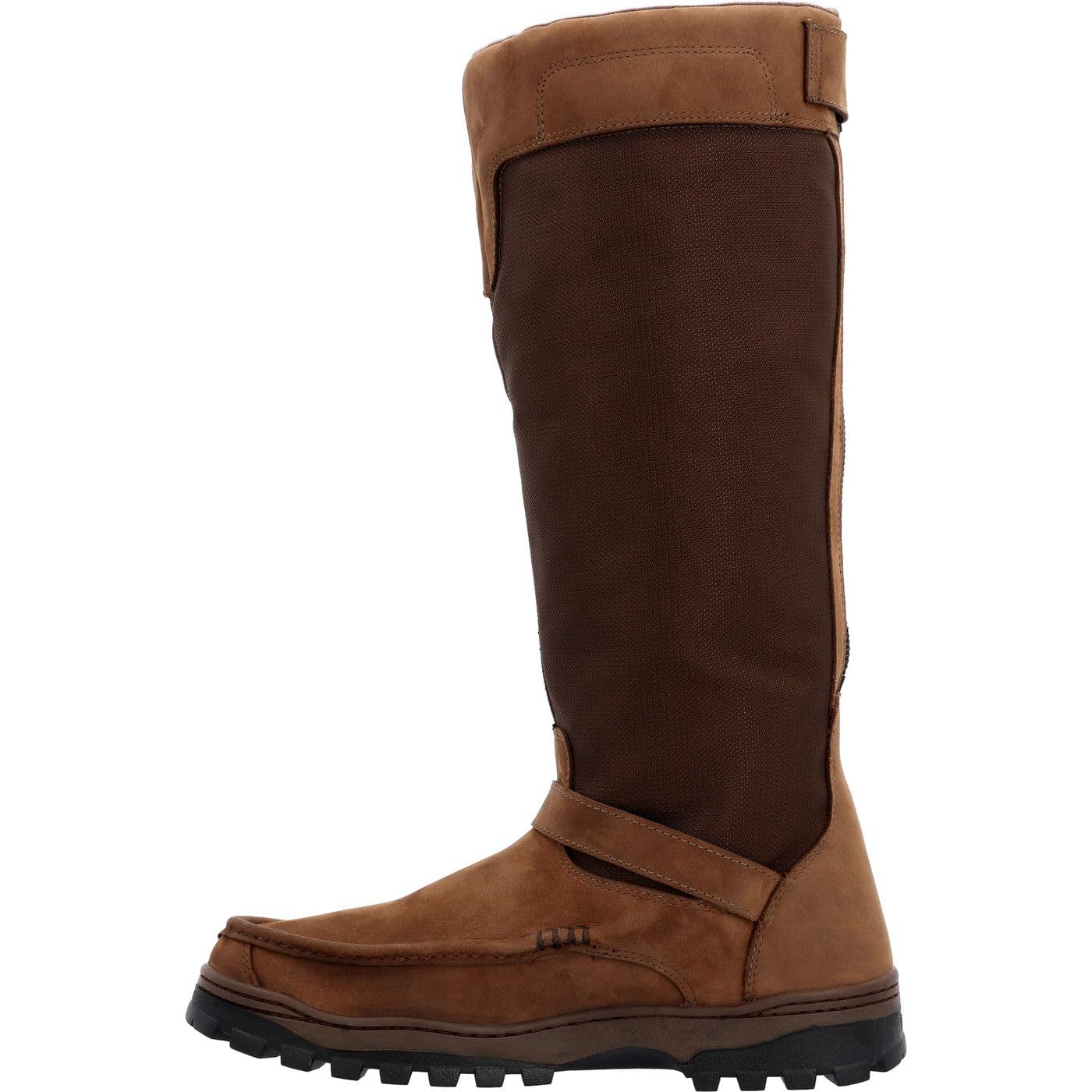


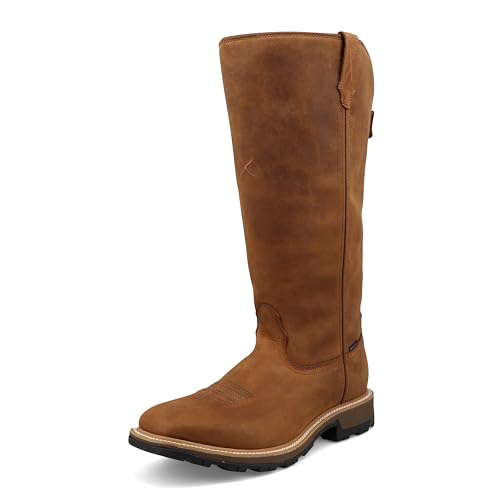


Who Should Buy Which Boots for Snake Protection?
Buyers fall into a few clear groups, and each group should weight the features differently. If you are still deciding between a general protective boot and a taller hunting style, see our guide to the best snake boots for a broader look at the category before you narrow down by routine.
Daily Field Workers and Frequent Users
If you clear land, check fences, work utility lines, or walk the same brushy ground most days, you need the most complete coverage you can tolerate for long hours. Look for a shaft that reaches close to the knee, a reinforced lower leg panel, and a durable outsole that shrugs off thorns and sharp rock. You will wear these boots more in a month than casual users do in a year, so solid stitching, a replaceable insole, and a clear warranty matter more than a low price.
Hikers Who Cover Miles in Snake Country
Hikers need protection that does not punish them at mile eight. A slightly lighter boot with a flexible forefoot, good ankle stability, and a cushioned midsole suits long trail days better than the stiffest work boot. Coverage still matters, since most strikes land on the ankle and lower leg. If trails are your main use, see our guide to the best hiking boots for snake protection for advice focused on distance walking.
Hunters Moving Through Brush and Wet Ground
Hunters often leave the trail before dawn, cross creeks, and sit still for long stretches, so they need quiet, waterproof boots with strong grip on wet leaves and mud. A taller shaft helps when pushing through briars and tall grass where you cannot see your feet. Scent control and quiet soles can matter as much as protection for this group. For a closer look at that mix, see our guide to the best snake boots for hunting.
Weekend Users and New Buyers
If you only need protection for yard work, firewood trips, or a few hikes each season, a mid height boot with honest fang resistant panels is usually enough. You do not need the tallest or heaviest model, and spending less leaves room in the budget for good socks and a spare insole. Focus on a comfortable fit you can wear for two or three hours without hot spots, because occasional users rarely break in a very stiff boot fully.
Key Features to Compare
Shaft Height and Coverage Area
Shaft height is the single biggest protection decision. Most venomous snakes strike the lower third of the leg, so a shaft around 14 to 17 inches that reaches just below the knee covers the zone where nearly all bites land. Shorter boots around 8 to 10 inches protect the ankle and foot but leave the calf exposed. Coverage should wrap the full leg, front and back, not just the front panel. Check that the protective layer runs from the foot up through the whole shaft, and remember that no boot can promise complete safety, so staying alert on the trail still matters.
Fang Resistant Materials and Construction
Protective boots rely on dense woven fabrics, thick leather, rubber, or layered synthetic panels that fangs cannot easily push through. Look for a stated snake guard or fang resistant layer rather than plain thick leather alone, because ordinary work boot leather is not built for this job. Seams and zippers are weak points, so covered zippers and reinforced stitching deserve a close look. If you want to understand how full coverage designs differ from standard boots, see our guide to the best snake proof boots. Even with protective gear, treat any bite as an emergency: move away from the snake, call 911, and get to an emergency department right away, because swelling, trouble breathing, and spreading pain need immediate medical care.
Fit, Sizing, and Toe Box
Fit your boots in the afternoon, when your feet are at their largest, and wear the thick socks you plan to use outdoors. Your toes should have room to spread without striking the front on downhill steps, and your heel should stay seated when you walk. Many protective boots run stiff and narrow, so a roomy toe box helps on long days. Men shopping across brands should note that sizing varies a lot between makers, and our guide to the best snake boots for men covers fit notes for wide feet in more detail.
Waterproofing and Breathability
Waterproof boots keep your feet dry in wet grass, shallow creeks, and muddy fields, and many use a waterproof membrane such as Gore Tex paired with sealed seams. The trade off is heat, since waterproof liners release moisture slowly in hot weather. If you mostly walk dry, dusty ground in summer, a breathable unlined boot with good ventilation may serve you better and dry faster after a soaking. Think about your wettest typical day rather than your driest, because cold wet feet end outings early and blister faster than dry ones.
Outsole Traction, Cushioning, and Support
A lugged rubber outsole with deep tread grips wet rock, loose dirt, and slick roots, and a defined heel helps on steep descents. Cushioning in the midsole softens long days on hard ground, while arch support and a stable heel counter reduce fatigue and ankle rolls. Most protective boots use a moderate heel to toe drop that suits walking rather than running. If you know your feet roll inward or stay neutral, match the boot to that pattern, since a stability design under a neutral foot can feel pushy and tiring over miles.
Weight, Break In, and Expected Durability
Tall protective boots are heavier than hiking shoes, often around 3 to 5 pounds per pair, and the stiffer models need a gradual break in over several short walks before a long day. Leather and dense woven shafts hold up for years of brush work, while glued soles and thin linings wear sooner. Inspect the bond between the upper and the outsole, because that joint takes constant flexing. A boot that feels slightly firm at first usually softens in the right places, but sharp pressure points rarely disappear with wear.
How to Check Coverage and Fit Before a Long Outing
Before your first long day, wear the boots at home and walk stairs, slopes if you have them, and uneven yard ground for at least half an hour. Confirm the shaft does not rub the back of your knee when you crouch, and check that the top opening is snug enough that debris and brush cannot slip inside easily, yet loose enough to avoid cutting circulation. Tuck your pant legs the way you will wear them outdoors, since fabric bunched inside the shaft creates pressure points. Finally, practice fastening zippers or laces with gloves on if you work in cold weather, because closures you cannot manage in the field tend to get left loose.
Common Mistakes to Avoid
- Choosing by price alone, which often means thin panels and a short shaft that leave your calf exposed to a strike.
- Buying a tall boot but wearing it unzipped or loosely laced, which lets fangs and brush reach skin the boot was meant to cover.
- Ignoring fit and toe room, which leads to blisters and blackened toenails that cut a trip short.
- Assuming any thick leather work boot is protective, which leaves you guarded by material never built to stop fangs.
- Skipping the break in period and heading out for a full day, which turns a stiff new boot into sore heels and hot spots.
- Forgetting to check the warranty and return terms, which matters when a sole bond or zipper fails in the first season.
Care Tips to Make Protective Boots Last Longer
Brush off mud and let wet boots air dry slowly away from direct heat, since high heat cracks leather and weakens sole adhesives. Pull the insoles out after wet days so the inside dries fully and odor stays down. Condition leather uppers as the maker directs, and store boots upright with the shafts supported so they do not fold and crease the protective layer. Recheck zippers, lace hooks, and sole bonds each season, and rotate two pairs if you wear them daily so each pair dries completely between uses. Retire a boot when the protective shaft is cut, deeply gashed, or delaminating, because damage in that layer is exactly where protection fails.
Boots for Snake Protection: Your Questions Answered
What features matter most in boots for snake protection?
Shaft height and the fang resistant layer matter most, because they decide how much of your leg is covered and whether fangs can pass through. After those two, fit and outsole grip decide whether you will actually wear the boots and stay steady on rough ground. One extra point many buyers miss is closure design: a covered zipper or a lace system that stays tight keeps the shaft sealed against your leg, while a loose top opening lets brush and debris inside.
Are expensive boots for snake protection worth the cost?
Higher prices usually buy taller coverage, tougher woven panels, better waterproof membranes, and stronger sole bonding, which suit daily users well. Casual users who walk a few hours each month often get the same real protection from a mid priced boot that fits properly. What extra money should never buy is a shorter shaft for your use case, so compare coverage first and treat brand names and styling as the last tie breaker, not the reason to spend more.
How should boots for snake protection fit?
They should feel snug through the heel and midfoot with clear space in front of your toes, and the shaft should hug your calf without squeezing. A useful home test is to walk down a slope or staircase: if your toes jam the front, size up or try a wider fit. Remember that protective shafts soften only slightly, so a boot that pinches hard across the instep on day one is the wrong shape for your foot, not a boot that needs more time.
Do boots for snake protection need to be waterproof?
No, waterproofing is a comfort choice rather than a protection requirement, since the fang resistant layer works whether it is wet or dry. Choose waterproof boots if you cross creeks, walk wet grass at dawn, or hunt swampy ground. Choose an unlined breathable model if your work is hot and dry, and add a waterproof sock for the rare wet day instead. Either way, dry the boots fully after each wet outing to protect the lining and the leather.
How often should boots for snake protection be replaced?
Replace them when the protective layer is damaged, the outsole is worn smooth, or the shaft no longer stands and seals around your calf, rather than by a fixed date. For many users that point arrives after several seasons of regular use. A practical habit is to inspect the lower shaft closely each spring for cuts, fraying, and soft spots, because a boot can look fine at a glance while its guard layer is already compromised in one small area.
Can boots for snake protection be worn all day?
Yes, the right pair can be worn all day, provided the fit suits your feet and you finish the break in period first. All day comfort depends on cushioning, arch support, and total weight more than on the protective layer itself. If your job mixes driving, standing, and walking, a slightly shorter and lighter boot often wins over the tallest option, because a boot that exhausts your legs by midday tends to get swapped for unsafe footwear.
The Bottom Line
Match the boot to your routine: full height coverage and tough panels for daily brush work, lighter flexible pairs for long trail miles, and honest mid height protection for weekend chores. Use the product table above to compare shaft height, materials, and waterproofing side by side against the factors in this guide. When you find the best boots for snake protection for how you actually spend your days outdoors, you get protection you will wear every time, and that consistency is what keeps you safer in snake country.


