Best Boots for Sledding: A First Time Buyer's Guide for 2026
Disclosure: We may earn a commission when you buy through links on this page, at no extra cost to you. As an Amazon Associate I earn from qualifying purchases. Learn more

Learn how to choose boots for sledding with plain guidance on insulation, traction, fit and waterproofing for first time buyers heading to the hill.
Sledding looks simple until your feet get cold, wet, or tired halfway up the hill. Choosing the best boots for sledding is about three jobs at once: keeping snow out, keeping warmth in, and gripping a packed slope while you climb back up. This guide starts with the basics and walks you through each choice in plain language.
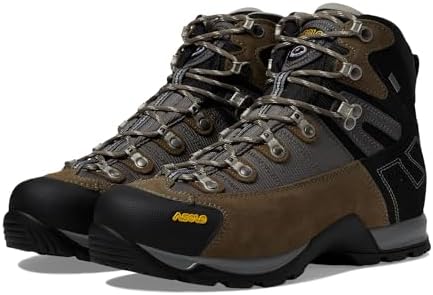
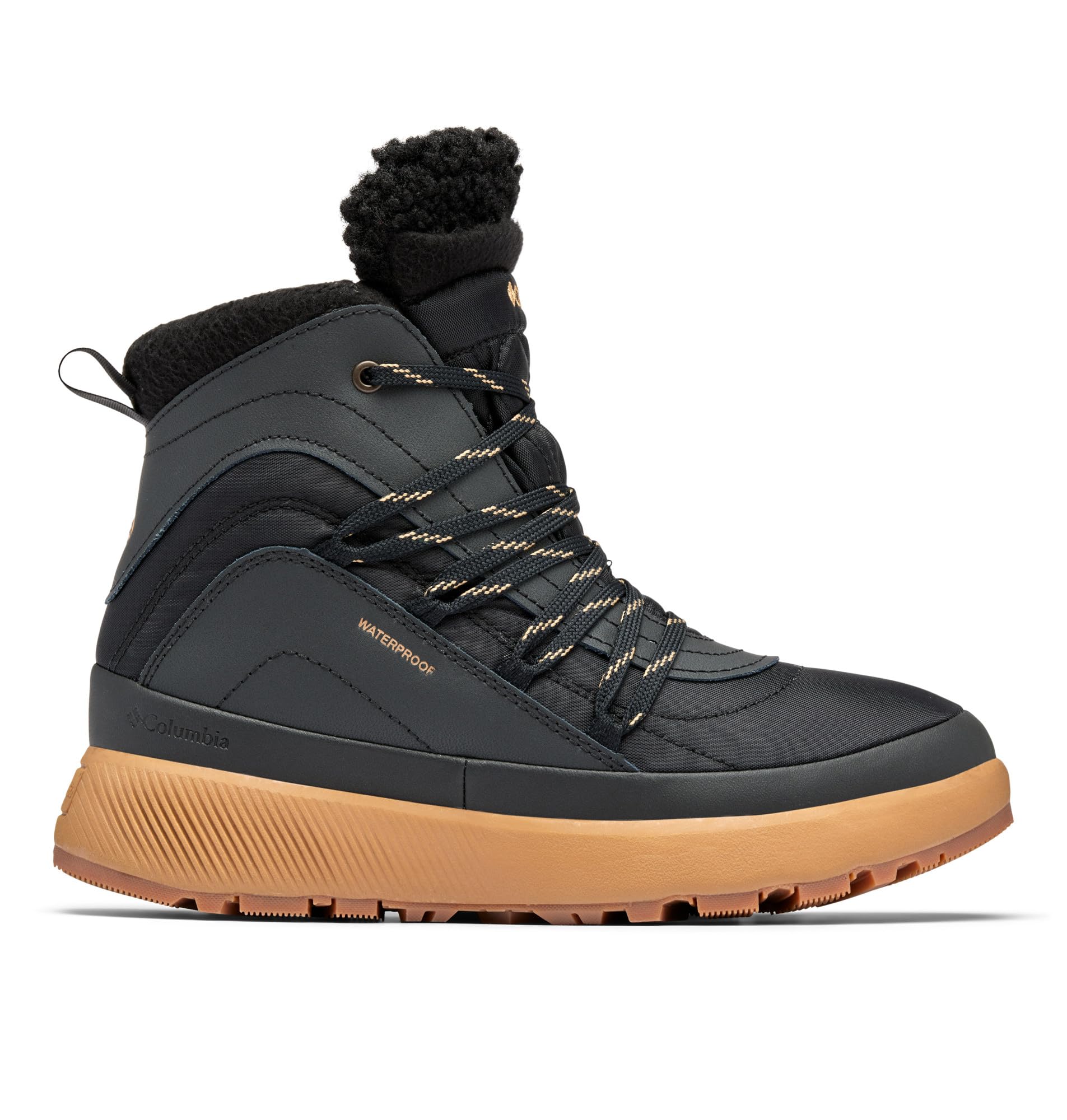
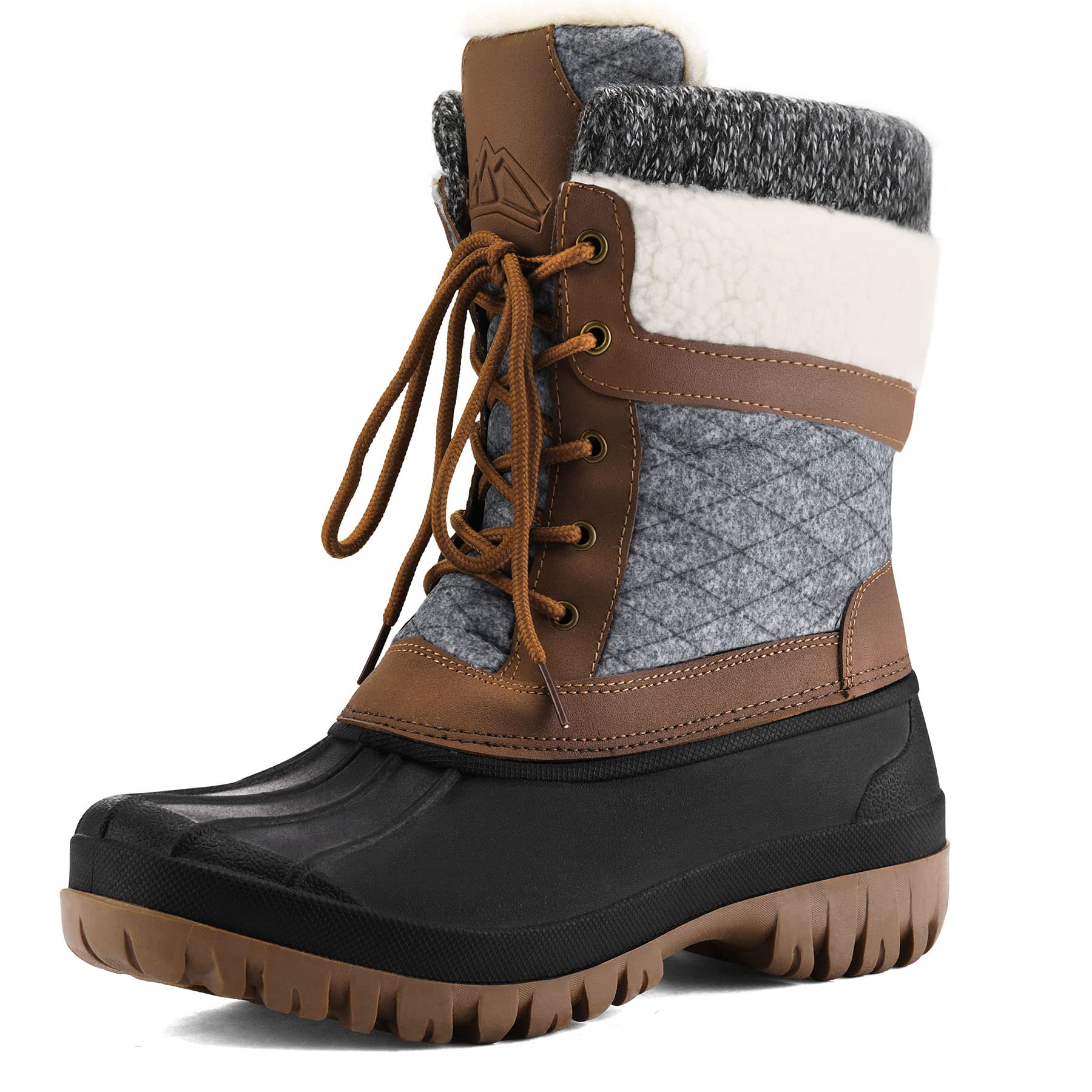
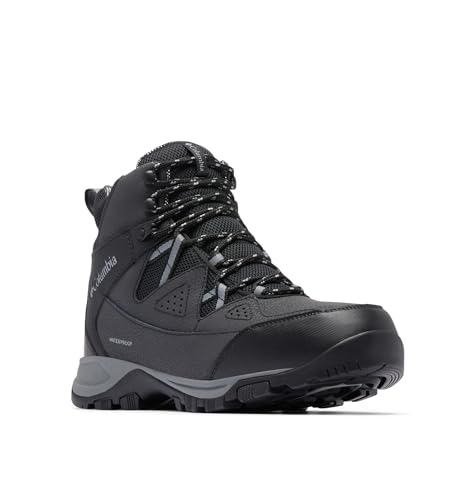
You do not need expert gear or a big budget, but you do need boots built for snow rather than shoes borrowed from another season. Use the comparison table below to see how styles differ, then read on to learn which features matter for your hill and weather.



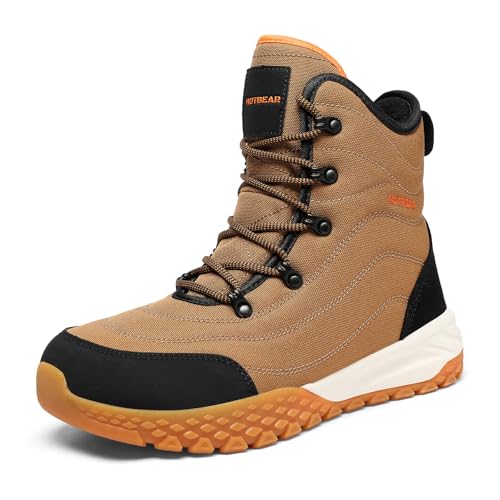

Boots 101: The Basics for a Sledding Day
A sledding boot is a winter boot made for deep snow and slippery slopes. The upper covers the ankle and often rises to mid calf, a waterproof layer blocks melted snow, and insulation holds warmth while you wait. The outsole uses deep lugs, which are raised rubber blocks that bite into packed snow.
Your day also shapes what you need. A short visit to a gentle hill asks less of a boot than hours at a steep slope in falling snow. Think about temperature, snow depth, and how often you will climb, because those details guide nearly every choice.
Who Should Buy Boots Made for Sledding?
Most buyers fall into one of three groups below.
Occasional Visitors to a Local Hill
If you sled a few times each winter, comfort and value matter most. Look for moderate insulation, a waterproof upper, and a closure you can adjust with gloves on. A flexible sole helps because you will walk short distances rather than trek for miles.
Parents Who Stay Out as Long as the Kids Do
Parents often stand in snow, pull sleds uphill, and walk far more than they ride. You need stronger traction, a taller shaft, and room for thick socks. If your feet stay cold while you watch from the side of the hill, choose the warmer option.
Frequent Sledders Who Climb Steep Hills
If you go out most snowy weekends, durability and grip become your top concerns. A sturdier upper, a protective toe cap, and deeper lugs pay off on icy paths. The best boots for dog sledding guide shows a related use where grip and warmth matter for long hours outside.
Key Features to Compare
Insulation and Warmth for Sledding Boots
Insulation is the layer inside the boot that traps warm air around your foot. Many winter boots use synthetic fill measured in grams, and common choices run from about 200 to 400 grams. Lower amounts suit active days in mild cold, while higher amounts suit standing still in deep cold. More fill adds bulk and weight, so match the warmth to your coldest planned day rather than buying the thickest boot you can find.
Waterproofing and Snow Protection
A waterproof membrane inside the upper blocks liquid water while letting some vapor escape, and sealed seams close the gaps where snow melt often enters. Treated leather and coated fabrics shed surface snow, but they can soak through on long wet days if there is no membrane behind them. If your snow is usually wet and heavy, choose full waterproofing. If your snow is dry and outings are short, water resistance may be enough.
Traction and the Outsole in Cold Weather
The outsole decides whether each uphill step holds or slides. Look for deep, widely spaced lugs that clear snow instead of packing flat, plus rubber that stays flexible in the cold, because stiff rubber skates on ice. A slight heel helps you brake while walking down a packed path. On polished ice no lug replaces caution, so slow down and use the rougher edge of the path.
Shaft Height, Snow Cuffs, and Closures
Shaft height is how tall the boot rises on your leg, and taller shafts block snow that kicks up while you climb or tumbles in during a spill. A soft cuff at the top helps seal the gap around your pants. Laces give the closest fit, buckles adjust fast with gloves, and pull on styles are quick for short trips. Choose the closure you can tighten firmly, because a loose top lets snow pour in.
Fit and Toe Room for a Full Day on the Hill
Try boots late in the day, when feet are at their largest, and wear the thick socks you plan to sled in. Your toes should wiggle freely and never press the front when you kick gently or stand on a slope, because cramped toes feel cold fast. Leave roughly a thumb width of space before your longest toe. If you fall between sizes, most first time buyers do better with the larger size and a thicker sock.
Weight, Flex, and Durability
You lift each boot hundreds of times while climbing, so extra weight tires your legs sooner than you expect. A boot should flex at the ball of the foot for natural walking, yet feel firm at the ankle to steady you on uneven snow. For durability, check for a reinforced toe, strong stitching at flex points, and an upper that resists scrapes from ice and sled edges. Heavier builds last longer but suit frequent use best.
Types of Sledding Boots Compared
Pac boots pair a rubber lower section with a taller upper and a removable liner, and they shine in deep, wet snow. Their fit can feel roomy, so they suit thick socks and long, slow days better than fast hill climbing. Removable liners dry faster overnight, which matters on trips with sledding on consecutive days.
Insulated snow boots use a single built upper with fixed insulation and a laced or buckled fit. They feel closer and lighter than pac boots, which helps when you climb often. If you want one pair for the sled hill and winter errands, the best snow boots for sledding guide covers that closer fitting style in more depth.
Winter hiking style boots are shorter and firmer, so they climb well and support the ankle on rough ground. Their lower shaft lets deep snow in more easily, though, and their insulation is often lighter. For most first time buyers, the best boots for sledding are the taller insulated style, because snow protection matters more than walking speed on a sled hill.
Rookie Mistakes to Avoid
Most first purchase regrets come from avoidable errors.
- Buying rain boots or fashion boots for snow, which leaves your feet cold and your steps unsure on slopes.
- Choosing your normal shoe size without thick socks, which squeezes your toes and makes them cold within the hour.
- Picking smooth soles for a steep hill, which turns every climb into a slide backward.
- Wearing cotton socks, which hold cold moisture against your skin and chill your feet even inside warm boots.
- Ignoring shaft height for deep snow, which lets snow spill over the top and soak your socks.
Getting Started and Care for Sledding Boots
Before your first outing, wear your boots indoors with sledding socks, check for rubbing at the heel and toes, and practice tightening the closure with gloves on. Take one short walk on snow before a big day, so you can adjust laces early. Bring spare dry socks in the car, because changing socks often restores warmth faster than anything else.
After each trip, pull out removable liners, loosen the closure, and air dry the boots away from direct heat, which can crack leather and weaken glues. Brush off dried mud, wipe salt marks with a damp cloth, and store the boots upright in a dry place. Watch your feet on cold days too. Skin that stays numb, turns pale and hard, or blisters after warming needs prompt medical care, so seek help right away and talk with a clinician about cold exposure if it happens.
FAQ
What features matter most in boots for sledding on a family hill?
Warmth, waterproofing, and traction matter most, in that order for most families. A family hill means long waits and repeated short climbs, so cold feet end the day sooner than tired legs do. Also check that the boot opens wide enough to get a foot in fast while wearing gloves, because slow entry wastes warmth at the car.
Do sledding boots need to be fully waterproof?
Yes, full waterproofing is the safer choice for sledding boots in wet snow. You kneel, fall, and drag your feet through slush, so water reaches the boot from every angle. In dry powder and short outings you can manage with less, but a membrane also helps when snow melts on a warm boot during the ride home.
How often should sledding boots be replaced?
Replace sledding boots when the lugs wear smooth, the waterproof layer leaks, or the insulation stays flat and cold. For most casual users that point arrives after several winters rather than on a fixed schedule. Check the boots each autumn by flexing the sole and looking for cracks, and test an older pair in shallow snow before a long day out.
Can sledding boots be worn all day at the hill?
Yes, sledding boots can be worn all day if the fit leaves room for blood flow and thicker socks. All day wear adds one extra need: a cushioned insole, because standing on hard packed snow tires the soles of your feet. Take your boots off during a long lunch break indoors, which lets moisture escape and resets warmth for the afternoon.
Are expensive sledding boots worth it for a first purchase?
Not always, because a mid priced pair around $80 to $150 usually covers warmth, waterproofing, and grip for casual sledding. Higher prices mainly buy lighter weight, stronger materials, and warmer insulation for severe cold. Spend more only if you sled often or in very low temperatures. One smart first move is to put the savings toward wool blend socks, which improve any boot.
Final Thoughts
Start with your coldest, longest day in mind, then choose warmth and waterproofing first, traction second, and a fit that leaves your toes free with thick socks. Pac boots suit deep wet snow, insulated snow boots suit most hills, and shorter styles suit shallow snow. Compare your shortlist in the product table above, and you will find that the best boots for sledding are the pair that keeps you warm, dry, and steady until the last run.