
Best Boots for Sweaty Feet at Every Price in 2026: What Your Money Really Gets You
Disclosure: We may earn a commission when you buy through links on this page, at no extra cost to you. As an Amazon Associate I earn from qualifying purchases. Learn more

See what the best boots for sweaty feet cost at each price band, which airflow and lining features are worth paying for, and which extras you can skip.
Boots that promise dry feet sit at almost every price, and the price tags tell you very little on their own. Finding the best boots for sweaty feet means knowing which parts of a boot actually move air and moisture, and at which price those parts become real instead of decorative. Some cheap boots breathe honestly well, and some expensive ones are sealed boxes.
This guide walks through the price bands in order, then separates the features worth paying for from the ones you can skip. The comparison table below gives the short version, and the sections after it show where each extra dollar goes.


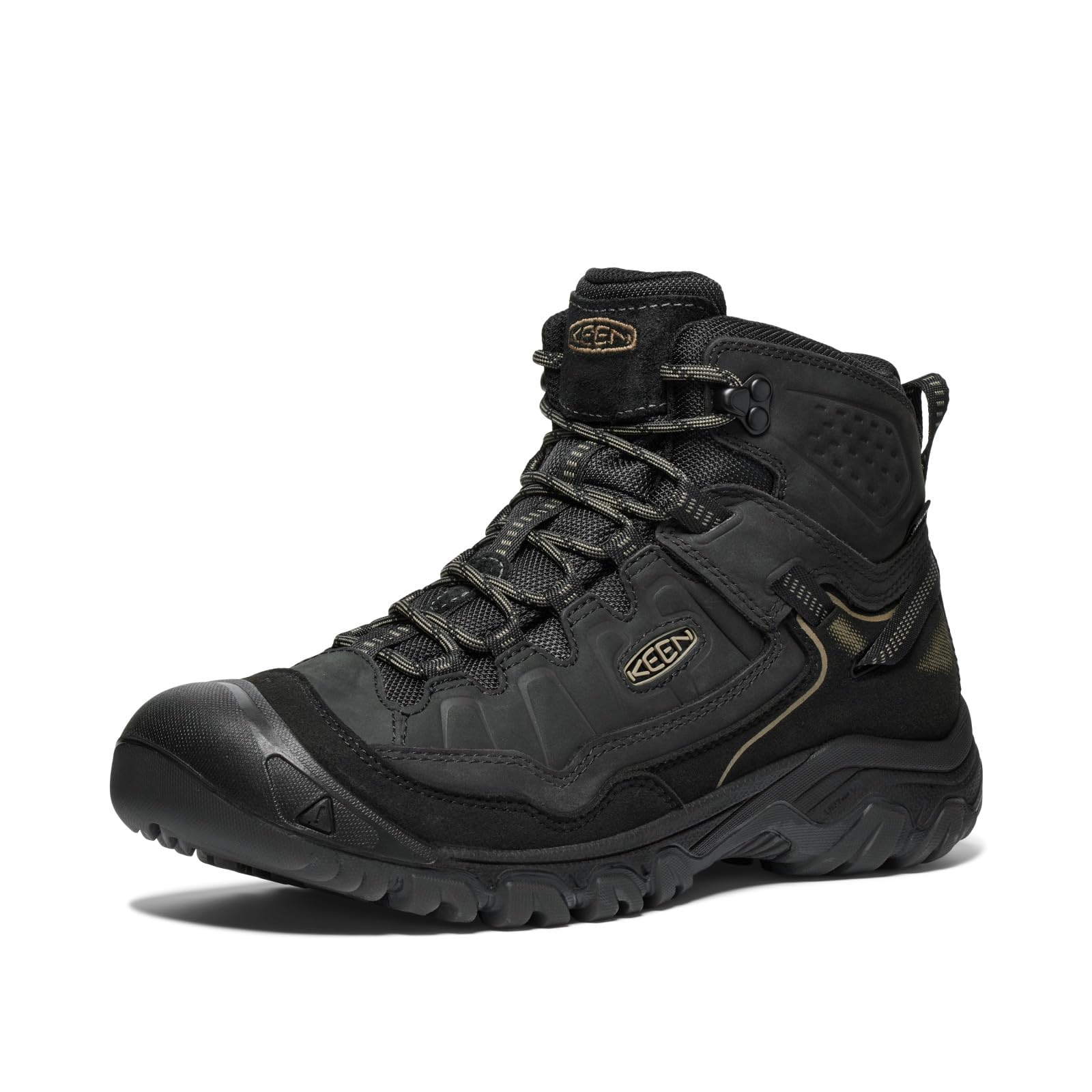

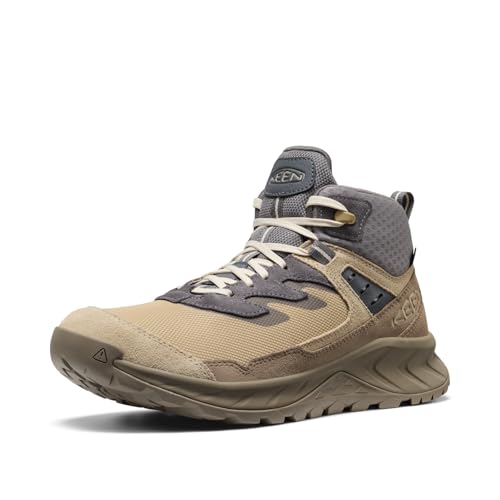

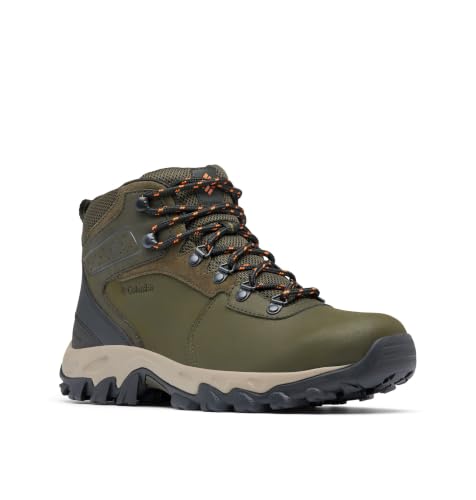


Boots for Sweaty Feet by Price Band
Every band below works or fails on the same basic physics. Vents and mesh panels govern how much air flows through the boot, and air flow governs how fast sweat evaporates instead of soaking your socks. A boot with open mesh over the toes and sides can move a surprising amount of air as you walk, because each step pumps the upper like a bellows. Keep that picture in mind as the prices rise, since you are mostly paying for better versions of that airflow, plus linings that handle the moisture the air misses.
Budget Band: Simple Mesh and Honest Basics
Budget boots at about $40 to $80 usually pair a mesh forefoot with a plain foam insole and a basic fabric lining. The airflow can be genuinely good, because cheap mesh is often thin and open, but the lining holds moisture once it gets wet and dries slowly overnight. Soles and uppers wear faster at this level, so expect a shorter service life. This band suits buyers who need relief from hot feet now, work mostly in dry settings, and accept replacing boots more often.
Midrange Band: Better Linings and Shaped Insoles
Midrange boots at about $80 to $140 are where most buyers with sweaty feet should shop. Linings step up to moisture wicking fabrics that pull sweat off the skin and spread it so it can dry, and insoles gain real shape plus perforations that let air reach the sole of the foot. Mesh gets tougher and better placed, with protection where you need it and openness where you do not. Guides to best work boots for sweaty feet show this same pattern, since jobsite boots hit their stride in this band too.
Premium Band: Climate Linings and Odor Control
Premium boots at about $140 to $220 add climate regulating linings, antimicrobial treatments that slow odor build up, and insoles with airflow channels carved through them. Uppers mix leather in high wear zones with engineered mesh in the flex zones, so durability and breathing stop fighting each other. This band suits people on their feet all day in warm workplaces, and hikers comparing best hunting boots for sweaty feet will recognize the same tier logic in field boots.
What Changes as the Price Rises
The first thing extra money buys is a better lining, which matters more than the outer shell for sweaty feet. Cheap linings absorb sweat and hold it against your skin, while wicking linings move it outward to where air can finish the job. The second upgrade is the insole: perforated or channeled insoles stop the sole of the foot from sitting in a puddle of its own sweat. The third is upper engineering, where mesh is mapped to hot zones instead of spread everywhere by default.
One honest warning applies at every band: a waterproof membrane always trades away some air flow, because a barrier that keeps rain out also slows vapor going out. Some premium membranes manage the trade better than budget ones, which is one place the extra money is real. But no membrane boot breathes like an open mesh boot, so buyers whose main problem is sweat rather than rain should usually skip the membrane and put the savings toward a second pair.
Features Worth Paying For (and Ones to Skip)
Pay for airflow paths, wicking linings, and insoles you can remove and wash. Skip sealed fashion leather, heavy insulation you did not ask for, and scented sprays sold as a fix for a boot that never dries. For hot days off the trail entirely, open footwear such as the options in guides to best sandals for sweaty feet moves more air than any boot can, so a cheap pair of those can stretch your boot budget further.
Fit, Sizing, and Toe Box
Fit shapes airflow more than most buyers expect. A boot that squeezes the forefoot presses the upper tight against your skin and blocks the pumping action that moves air as you walk. Look for a toe box with room to wiggle your toes and a fit that holds the heel without clamping the midfoot. Try boots late in the day with the socks you actually work in, since feet swell and a morning fit can mislead you.
Features That Matter for Sweaty Feet
The sock is half of the dry foot system, and it deserves the same attention as the boot. A moisture wicking sock made from synthetic fibers or merino wool pulls sweat off the skin and hands it to the boot lining, while a cotton sock absorbs it and stays wet all day. Change socks at midday on long shifts and the same boots will feel dramatically drier. Odor is read from your wash routine more than from any treatment: washable insoles and linings you can air out nightly keep smell under control.
Cushioning and Support
Cushioning matters because tired feet sweat more and swell more across a long day. A boot with moderate cushioning and arch support that matches your foot spreads pressure evenly, which keeps hot spots from forming under the ball of the foot. Very soft soles can trap heat by wrapping the foot in foam, so a balanced midsole beats a plush one here. Trail users comparing best hiking boots for sweaty feet will see the same balance advised for long miles.
Waterproofing and Membranes
Choose a membrane only when outside water is a bigger problem than inside sweat, such as winter slush or wet grass at dawn. Winter designs in guides to best winter boots for sweaty feet face the hardest version of this choice, since insulation and membranes stack together. For dry and indoor heat, an unlined or mesh boot with no membrane will always feel cooler. If you do need the membrane, budget for the premium band, where the vapor trade is handled best.
Weight and Flexibility
Lighter boots ask less of your legs, and legs that work less hard produce less heat over a shift. Flexible forefoot panels also help the bellows effect, because a boot that bends with your step pumps more air than a rigid one. Heavy safety boots can still work for sweaty feet if their linings are good, but weight is the first place to compromise when you have the choice. Check the listed weight per pair, not per boot, when you compare.
Long Term Costs to Factor In
The boot price is only part of what dry feet cost. Budget for wicking socks at about $12 to $20 a pair, a spare set of insoles at about $15 to $30 so one set can dry while you wear the other, and a replacement cycle, since mesh uppers often wear out before leather ones. A second pair for rotation costs more upfront but can double the life of both pairs, because each gets a full rest day to dry out.
Frequently Asked Questions
What features matter most in boots for sweaty feet?
Airflow through the upper, a wicking lining, and a removable insole matter most in boots for sweaty feet. One factor the main sections leave out is rotation: alternating two pairs day by day keeps either pair from starting the morning already damp, and damp starts are when odor and blisters take hold. If your budget forces a choice between one premium pair and two midrange pairs, the two pair rotation usually wins for daily wear.
How often should I replace boots worn by sweaty feet?
Replace boots worn by sweaty feet when the lining starts to break down, which often happens before the sole wears out. Watch for a lining that stays damp by morning, an insole that has compressed flat, or an odor that survives washing, since all three signal that the moisture system has failed. Heavy daily use can bring that point at about a year, while rotated pairs last much longer. The upper may still look fine when the inside has given up.
How long is the break in period for breathable boots?
The break in period for breathable boots is short, usually a few wears over one week, because mesh and fabric uppers flex from the start. Leather and mesh hybrids take longer, closer to two weeks of regular use, as the leather zones soften. Wear new boots for short periods first and carry your old pair as backup on long days. Blisters during break in often come from damp socks rather than stiff materials, so start each wear with a dry pair.
Do waterproof boots make sweaty feet worse?
Waterproof boots do make sweaty feet worse when the wetness threat comes from inside rather than outside, because the membrane slows vapor escape. The exception is cold and wet work, where keeping slush out prevents a far bigger soaking and the warmth trade is acceptable. Activity level decides it: a slow paced worker in rain may do fine in membranes, while a fast paced worker in the same rain overheats. Match the boot to where your water actually comes from.
How should boots for sweaty feet fit?
Boots for sweaty feet should fit with a thumb of room in the toe box and a secure heel, tested while wearing your thickest work socks. A fit detail worth adding is the two sock test: try the boot with a thin sock and a thick sock, and choose the size that works with both, since sock weight changes with the season. Lace firmly at the ankle to stop heel slip, which pumps warm air out and pulls cool air in with each step.
The Bottom Line
Airflow first, lining second, price band third: that order will steer you right at any budget. The product table above gathers the current classes so you can compare bands quickly. Midrange money buys the features that matter, and rotation does the rest. Choose the best boots for sweaty feet for the water you actually face, and your feet will stay drier than any price tag promises.


