
Best Boots for Dog Sledding of 2026: Complete Buying Guide
Disclosure: We may earn a commission when you buy through links on this page, at no extra cost to you. As an Amazon Associate I earn from qualifying purchases. Learn more

Choose the best boots for dog sledding by warmth, traction, fit and waterproofing for long cold days with your team.
Dog sledding asks more of your feet than a normal winter walk. You stand on narrow runners for hours, step off to run up hills, and stand in deep snow while you harness, feed, and water the team. Choosing the best boots for dog sledding means balancing serious warmth with enough feel and flexibility to work the brake and move quickly around the sled.
This guide walks through warmth, fit, traction, and boot types so you can match a pair to your trails. Use the comparison table below to line up insulation, height, and closure styles before you read the detail.
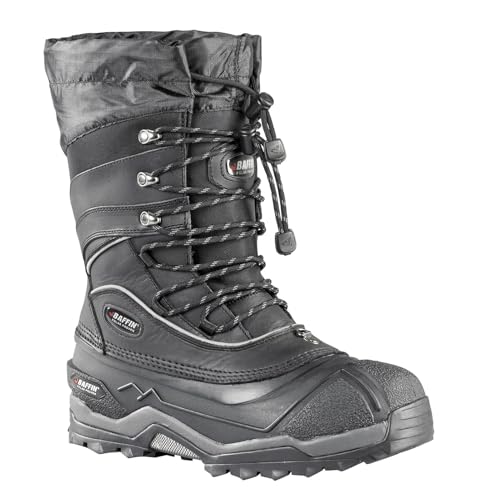
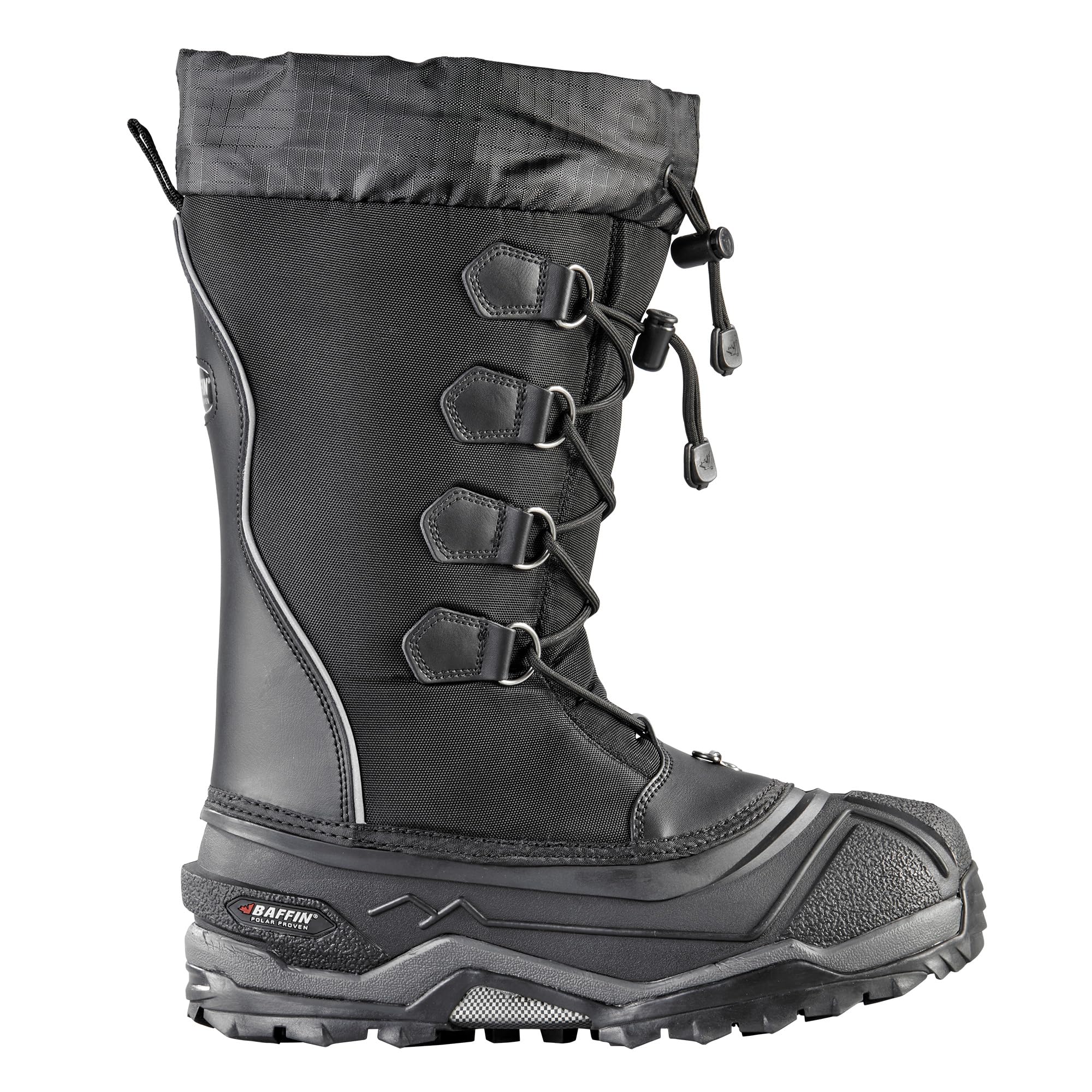

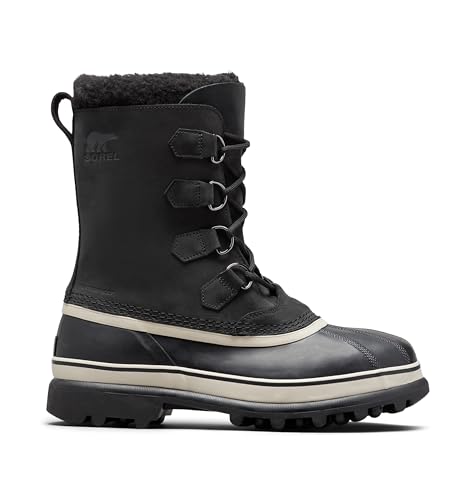

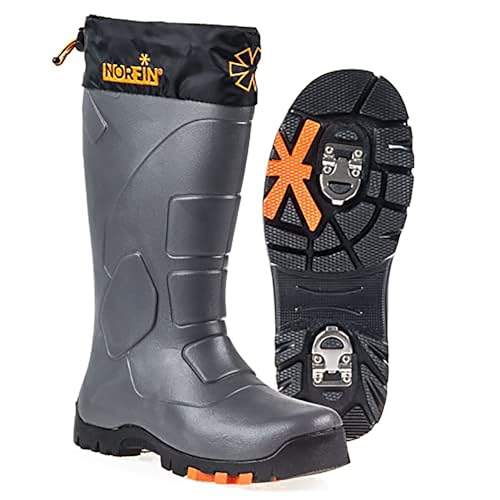

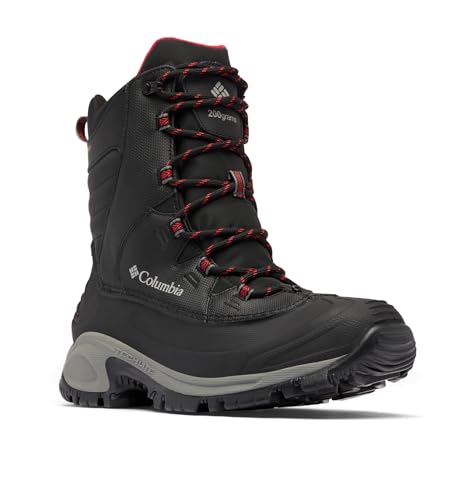

Who Should Buy Boots for Dog Sledding?
Mushers share cold ground and long hours, but your role changes what your boots must do. Start with the group that sounds most like you.
Mushers Running Long Distance Trails
You spend hours standing on the runners, stepping on and off the brake, and camping or checking in at remote stops. Prioritize the warmest insulation you can still move and brake in, plus a tall shaft that keeps snow out in overflow and drifted trail. Warmth comes first because your feet stay fairly still while the dogs do the work.
Handlers and Kennel Workers
You may never ride the runners, yet you are outside from the first feeding to the last bedding change. You walk icy yards, carry water, and kneel in snow to check feet and harnesses. Look for strong traction, a waterproof lower section that shrugs off slush, and a closure you can work with gloves on. A shorter and lighter boot often suits this constant walking better than a tall expedition style pair.
Sprint Racers and Dryland Trainers
Short fast races and fall training on dirt trails call for a different balance. You run beside the sled or rig far more, so flexibility, cushioning, and a secure fit matter more than extreme insulation. Many trainers use a lighter insulated boot on snow and switch to lightweight shoes on dry dirt, then return to full boots once the ground freezes.
How to Choose: A Complete Buying Guide
Choosing the best boots for dog sledding starts with your coldest expected day, not your average one. Work through the factors below, and use the product table above to check which models offer the insulation, height, and outsole you settle on.
Warmth and Insulation
Manufacturers rate many winter boots to a stated temperature, but that number assumes you are moving and wearing suitable socks. A musher standing still on runners generates far less heat, so choose a rating well below your expected low, often 20 to 40 degrees below zero for serious winter trails. Removable liners add warmth and let you dry the insulation overnight on multi day trips.
Cold feet are not only a comfort issue. Numbness that does not fade after you come inside, skin that looks pale or waxy, or blistering after a run can signal frostbite and needs prompt medical care. Talk with a clinician about circulation problems or diabetes before long cold outings, since reduced feeling can hide early injury.
Fit, Sizing, and Toe Box
Try boots late in the day, when your feet are at their largest, and wear the thick socks you plan to use on the trail. You want room to wiggle your toes freely, because a roomy toe box traps warm air and keeps circulation moving. A fit that feels snug in thin socks will turn painfully tight once heavy socks and a liner go in. Many mushers size up by half a size or a full size.
Heel hold still matters even with that extra room. Your heel should stay seated when you walk and press the brake, while the front lets your toes spread. Walk up and down a slope to check that your toes never jam into the front, since repeated jamming on descents bruises toenails.
Upper Materials and Breathability
Full grain leather uppers resist abrasion from sled parts, dog nails, and frozen brush, and they break in to your foot over time. Synthetic uppers built from nylon weigh less and dry faster after a wet day. Rubber lower sections shrug off slush and kennel water entirely. Every upper still needs to stay breathable enough that sweat can escape, because damp insulation loses warmth fast.
Weight and Flexibility
Heavy boots cost energy every time you step off the sled to run or handle dogs at a stop. Lighter boots feel nimble and reduce leg fatigue on long training runs. The trade is that very light boots usually carry less insulation and a softer sole. Match the balance to your role: distance mushers accept more weight for warmth, while sprint racers and handlers who walk all day favor the lighter end.
Arch Support and Foot Type
Standing on runners and walking snow all day loads your arches in a way flat ground does not. Boots with a neutral platform and moderate cushioning suit most feet, much like neutral shoes do for walking. If you overpronate or have flat feet, look for firmer arch support or room for your own insole. A modest heel to toe drop, roughly 8 to 12 mm in lighter styles, can ease calf strain while running beside the sled.
Waterproofing With Gore Tex and Other Membranes
A waterproof membrane such as Gore Tex keeps meltwater and overflow out while letting some vapor escape, which suits boots worn in deep snow. Fully rubber lowers are simpler and completely waterproof, but they trap more sweat on warmer days. Sealed seams matter as much as the membrane itself, since stitched seams can wick water straight through. If your trails cross creeks or wet coastal snow, waterproofing moves near the top of your list.
Outsole Traction and Terrain
The outsole is your only contact with icy runners, packed trail, and frozen kennel yards. Deep lugs around 5 to 6 mm bite into snow, while softer rubber compounds stay grippy on cold ice where hard rubber turns slick. A defined heel helps you hold the brake and dig in on short climbs. Smooth soles have no place here, because one slip while handling a hooked up team can injure you or loose the dogs.
If you also run dogs on groomed trails meant for general winter sport, see our guide to the best sledding boots for lighter recreational options. Those boots suit short outings, but most lack the insulation and height that long hours with a dog team demand.
Types of Boots for Dog Sledding
Most mushing boots fall into a few broad families. Knowing the family that fits your climate narrows the field fast.
Insulated Pac Boots
Pac boots pair a rubber lower section with a leather or fabric shaft and a thick removable liner. They are the classic choice for deep cold because the liner holds warmth and comes out for drying each night. They feel bulky compared with fitted boots, so they suit standing and steady walking better than running. For the coldest northern trails, this family remains the safe default.
Technical Winter Boots
These fitted boots borrow their shape from hiking footwear, with laced uppers, membrane waterproofing, and a precise fit. They give better control on the runners and feel far better when you run beside the sled. Their insulation usually trails the warmest pac boots, so they fit coastal climates, shoulder seasons, and racers who generate plenty of heat.
Rubber and Neoprene Boots
Tall rubber and neoprene boots shine during wet chores, spring slush, and kennel work where water matters more than extreme cold. Insulated versions handle mild winter days well and rinse clean in seconds. Their flat soles and loose fit limit them on trail, and uninsulated pairs turn cold quickly once temperatures fall well below freezing.
Lightweight Boots for Dryland Training
Fall dryland work on dirt and gravel needs grip and ankle support without winter bulk. Light insulated boots handle cool mornings, while true winter boots would overheat your feet within the hour. Keep this pair separate from your snow boots so mud and grit never grind into the liners you depend on in January.
Outfitting the Rest of the Team
Your boots protect you, but the dogs in front of the sled need paw protection of their own on ice, crust, and abrasive snow. After a run, check every foot for packed snow, cracks, and cuts, and rest any dog with a sore paw. For dogs that need coverage on harsh winter trails, see our guide to the best dog boots for winter, which covers sizing by paw width and closures that stay on at speed.
Not every dog needs full winter coverage on every outing. On milder days, lighter paw wear can be enough, and our guide to the best dog shoes explains where that option makes sense. Introduce paw wear at home first so the dog walks normally in it before a run.
Common Mistakes to Avoid
- Buying your street shoe size, which leaves no room for thick socks and warm air, so toes go numb early in the run.
- Trusting the printed temperature rating as a promise, which leads to cold feet because standing on runners builds far less heat than walking.
- Choosing smooth or shallow tread, which slips on icy runners and packed yards when you can least afford a fall.
- Wearing cotton socks, which hold sweat against the skin and chill your feet as soon as you stop moving.
- Skipping gaiters or snow cuffs on a shorter boot, which lets snow pour over the top and soak your socks from above.
- Taking brand new boots straight onto a long run, which turns a small pressure point into blisters hours from the trailhead.
How to Make Your Boots Last Longer
Good mushing boots should serve several seasons if you dry and store them with care.
- Dry liners nightly. Pull liners out after every run and air dry liner and shell away from direct heat, which can crack leather and warp rubber.
- Rotate pairs on heavy weeks. Alternating two pairs gives insulation a full day to recover its loft and dry between outings.
- Clean grit from lugs and seams. Brush frozen dirt out of the outsole and away from stitching, since trapped grit grinds at seams and coatings.
- Condition leather uppers. Work a suitable dressing into leather shafts a few times each season so the material stays supple and sheds snow.
- Store them dry and upright. Keep boots in a cool dry place with shafts supported, never crushed under gear or left damp in a sled bag.
- Watch liners and insoles. Replace a packed down liner or insole before you replace the whole boot, since lost loft is usually why an older pair suddenly feels cold.
Frequently Asked Questions
What features matter most in boots for dog sledding?
Warmth, traction, and toe room matter most in boots for dog sledding. Choose insulation rated well below your coldest expected temperature, deep lugs in a cold friendly rubber compound, and a toe box that lets you wiggle your toes in thick socks. One extra point many buyers miss is closure: laces and straps you can adjust with gloves on save real time at every stop.
Can mushers wear boots for dog sledding all day?
Yes, mushers can wear boots for dog sledding all day when the fit leaves toe room and the socks manage moisture well. Standing still cools feet faster than walking, so add a movement break each hour to restore circulation. If one foot stays numb long after the other warms up, treat that as a fit or circulation warning rather than something to push through.
Are expensive boots for dog sledding worth the cost?
Expensive boots for dog sledding are worth it when the extra money buys a removable liner, a proven membrane, and a repairable build. Higher prices, often about $150 to $300, also tend to bring cold rated rubber that stays grippy in deep cold. Paying more for styling or warmth far beyond your climate adds little, so match the spend to your coldest real trail day.
How should boots for dog sledding fit with thick socks?
Boots for dog sledding should fit with about a thumb width of space ahead of your longest toe in your thickest socks. Your toes must wiggle freely, yet your heel should not lift with each step. A useful extra check is to kick a firm surface gently: if your toes strike the front, the boots will punish you on descents.
How often should you replace boots for dog sledding?
Replace boots for dog sledding when the liner stays flat after drying, the outsole lugs wear smooth, or cracks appear in the rubber lower section. Many mushers get three to five seasons from a quality pair used mainly on snow. Inspect boots at the start of each season rather than on a fixed schedule, because storage and kennel chemicals age rubber at different rates.
Final Thoughts
Start with warmth rated for standing still, add a roomy toe box, deep cold weather traction, and waterproofing that matches your snow. The right best boots for dog sledding pick disappears on your feet, leaving you free to watch the trail and your team. Compare the product table above once more with your coldest day in mind. Prices and availability can change, so check the product page before ordering.


