
Best Boots for Switzerland: A Buying Guide for 2026
Disclosure: We may earn a commission when you buy through links on this page, at no extra cost to you. As an Amazon Associate I earn from qualifying purchases. Learn more
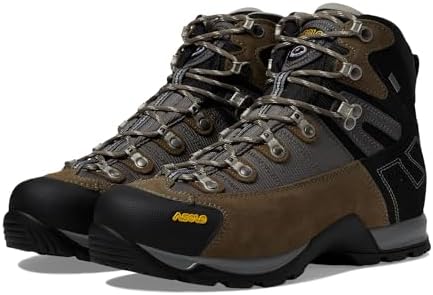
Find boots for a Switzerland trip that handle alpine trails, wet cobblestones and long train days, with clear guidance on fit, grip and warmth.
A single trip to Switzerland can move from dry valley paths to rain slick station platforms and snow dusted village lanes in one afternoon. The best boots for switzerland handle that mix, because weather and ground change fast with altitude. This guide shows you how to judge fit, grip, warmth and waterproofing, so you can use the comparison table below with a clear plan.
Think first about how your days will split. Many visitors walk more than they expect, linking trains, old town streets, lake paths and mountain hikes. Your boots have to suit the hardest ground on your itinerary, not the easiest sightseeing day.


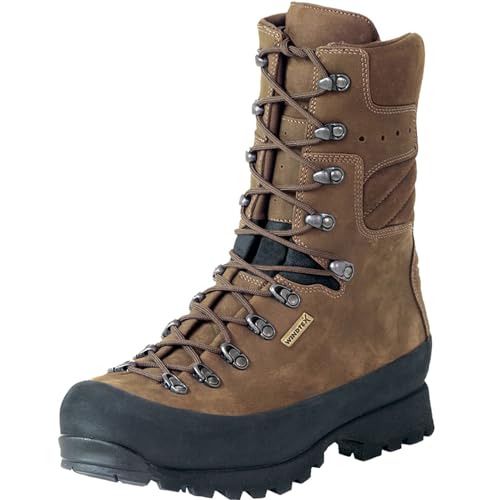


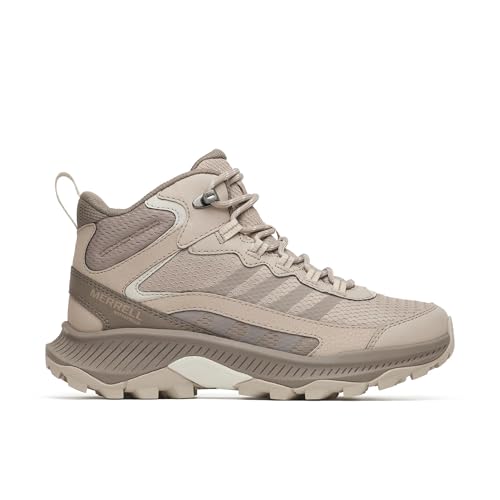
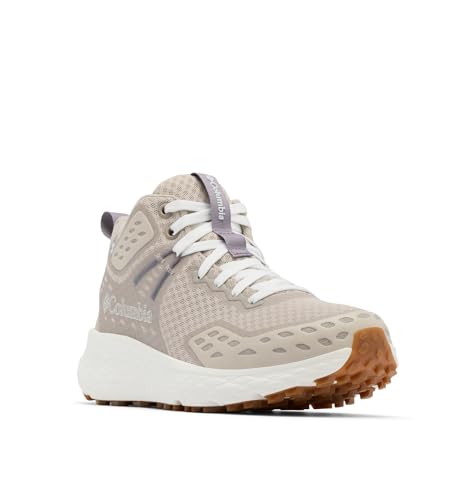

Who Should Buy Boots for a Trip to Switzerland?
Start with your route and season. The three groups below cover most visitors, and your trip may blend two of them.
Alpine Day Hikers Walking Above the Villages
You ride a cable car up, then walk rocky paths where roots, loose stone and stream crossings are common. Choose a boot that rises above the ankle bone, with a firm sole that resists twisting on uneven ground. A protective toe cap and a grippy lug pattern matter more for you than a soft, flexible feel on this kind of route.
City Travelers Touring Old Towns by Train
Your walking happens on cobblestones, station stairs and museum floors, often for six or more hours at a stretch. A lighter boot with generous cushioning under the heel and forefoot will feel kinder than a stiff mountain model. Look for a sole with many small contact points, since smooth leather soles slide on wet stone.
Winter Visitors in Snowy Mountain Towns
You need warmth and traction on packed snow, slush and shaded icy lanes. Insulated boots with a tall shaft keep snow out when you step off a cleared path, and a deep lug pattern helps on frozen ground. If cold weather is the core of your trip, see our guide to the best winter boots for switzerland for insulation choices.
Key Features to Compare
Compare boots in a fixed order, starting with the factors that can ruin a day fastest. Choosing the best boots for switzerland means matching each factor to your season and route.
Waterproofing With Gore Tex and Sealed Seams
A waterproof membrane such as Gore Tex blocks rain and slush while letting sweat vapor escape, and sealed seams close the gaps where panels join. This matters in Switzerland because showers arrive quickly and puddles linger on shaded stone. Full leather uppers with a membrane suit wet weeks and snow, while lighter fabric and leather mixes dry faster after a soaking. The trade off is warmth, since a membrane boot breathes less than an open mesh shoe in a hot valley.
Grip and Lug Pattern for Wet Stone and Snow
The outsole decides whether wet cobblestones and muddy descents feel secure or sketchy. Lugs of about 4 to 6 mm bite into dirt and snow, while softer rubber compounds grip smooth wet rock better than hard rubber. Wide spacing between lugs sheds mud instead of packing flat. Check that the heel has a defined edge, because that edge is what slows you on a steep downhill path.
Fit, Sizing and Room in the Toe Box
Measure both feet late in the day, when they are at their largest, and size for the longer foot. You want about a thumb width of space ahead of your longest toe, and a heel that stays put as you step. A roomy toe box lets toes spread on long descents and leaves space for thicker socks in cold months. Feet swell during long travel days and at altitude, so a fit that feels snug in a shop can turn painful by day three.
Ankle Support, Stability and Arch Support
A boot that rises above the ankle limits how far the joint can roll on loose stone, and a firm heel cup keeps the rear foot steady. Underfoot, arch support spreads pressure along the foot instead of loading only the heel and ball. Travelers with flat feet often prefer a more structured insole, while high arches usually need more cushioning above the insole. If you carry a loaded daypack, favor support over softness, since a wide base and a stiff shank reduce wobble on uneven ground.
Weight, Breathability and Warmth for the Season
Weight adds up over thousands of steps. Many hiking boots weigh about 2 to 3 pounds per pair, while insulated winter models weigh about 3 to 4 pounds. Lighter boots suit train travel and summer valleys, where breathable panels limit sweat. Heavier boots earn their weight on rocky routes and in snow, where insulation and a tall shaft protect you. Match warmth to your lowest expected temperature, not your average day, because standing still cools feet faster than walking does.
Types of Boots for Switzerland Travel
Each type below is built around a different main job. Pick the type that matches your hardest planned day.
Waterproof Hiking Boots for Mixed Routes
This is the most versatile choice for a trip that mixes towns, lake paths and marked mountain trails. You get ankle coverage, a lugged sole and a membrane for wet weather in one pair. It suits travelers who can pack only one pair and want that pair to handle a surprise shower or a muddy ascent.
Insulated Winter Boots for Snow and Ice
Built for cold first, these boots add insulation through the foot and ankle, plus a taller shaft that seals against deep snow. The sole rubber stays grippy in cold conditions, when ordinary rubber turns hard. They feel too warm for summer hiking, but for a December trip built around snowy towns and Christmas markets, they are the right tool.
Lightweight Touring Boots for Cities and Trains
These boots borrow the shape of a hiking boot but use lighter materials and a more flexible sole for pavement and station stairs. They pack smaller and pair easily with everyday travel clothes. The limit is protection, since thin uppers and shallow lugs struggle on rocky or muddy paths. Choose them when your walking stays on streets and gentle valley trails.
Common Mistakes to Avoid
Most boot problems on a Swiss trip come from a short list of buying errors.
- Buying smooth soled fashion boots for old town streets leaves you sliding on wet cobblestones after the first rain shower.
- Sizing boots with thin cotton socks makes the same pair crush your toes once you switch to thick hiking socks.
- Starting a trip in brand new boots risks blisters on day one, because stiff uppers need short walks at home first.
- Choosing heavy mountaineering boots for a city and rail itinerary tires your legs on stairs and pavement all day.
- Ignoring the return window means a poor fit discovered at home becomes an expensive pair you cannot exchange.
Care and Maintenance for Travel Boots
Brush dried mud off the uppers and soles after each wet day, then let the boots air dry at room temperature with the insoles removed. Keep them away from hotel radiators, since hot air can crack leather and weaken sole glues. Stuffing the toe with plain paper pulls moisture out overnight without stretching the upper.
Before a trip, check the laces for fraying, press the midsole for soft spots and look for loose stitching near the toe. Renew the water repellent finish when water stops beading on the surface, following the maker directions for your upper material. Store boots upright with the shaft open, so air can move through the lining.
FAQ
What features matter most in boots for a Switzerland trip?
Grip, waterproofing and fit matter most, in that order for most visitors. One point many buyers miss is elevation, because a valley town can feel mild while a pass two hours away still holds snow in spring. Check the forecast for the highest place on your route, not only your hotel town.
Can boots for Switzerland be worn all day while sightseeing?
Yes, boots for Switzerland can be worn all day while sightseeing if the fit leaves toe room and the sole flexes at the ball of the foot. Long train rides add a wrinkle, because sitting still lets feet stiffen and swell slightly. Flex your ankles and stand for a few minutes each hour. Rotating to light shoes for one evening also lets the lining dry fully.
How long is the break in period for new hiking boots before a Switzerland trip?
Most new hiking boots need about two to three weeks of short, growing walks before a Switzerland trip. Start with an hour on flat ground, then add hills and a loaded daypack, because downhill steps stress different spots than level walking does. If a hot spot appears at the same place twice, adjust the lacing or sock before the trip rather than hoping it fades.
Are expensive boots worth buying for a Switzerland trip?
Expensive boots are worth buying when the higher price pays for a resoleable build, better rubber or a membrane that lasts beyond one trip. Cost per wear is the fair test, since a pair used on three trips beats a cheap pair replaced each year. For a single short city trip, a modest touring boot is usually enough, and good wool socks change comfort more than a small step up in price.
How often should I replace boots used for alpine hiking?
Replace boots used for alpine hiking when the tread at the heel and ball wears smooth, the midsole feels flat and harsh, or the upper cracks where it bends. Mileage alone is a rough guide, because rocky ground grinds soles faster than forest paths do. Set the boots on a table and sight along the heel, since a heel that leans to one side signals worn support.
Final Thoughts
Let your route decide. Hikers need ankle support and deep lugs, city travelers need cushioning and wet stone grip, and winter visitors need insulation with room for thick socks. Fit every candidate late in the day, with your trip socks on.
Compare your shortlist in the product table above, check the return terms, and order early enough to break the pair in at home. When you choose best boots for switzerland with your hardest day in mind, one pair can carry you from station platform to mountain path in comfort.


