Best Boots for Skinny Jeans in 2026: A Budget Guide
Disclosure: We may earn a commission when you buy through links on this page, at no extra cost to you. As an Amazon Associate I earn from qualifying purchases. Learn more

Compare boots for skinny jeans across budget, midrange, and premium tiers, with guidance on shaft height, ankle fit, and materials for a clean tucked in look.
Boots that pair well with slim denim range from about $40 fashion pairs to $300 leather staples, and the gap is not just branding. The best boots for skinny jeans get the proportions right: a slim shaft that meets the hem without bunching, an ankle opening that hugs rather than gaps, and a toe shape that keeps the line of the leg clean. Price mainly changes the materials, the construction, and how many seasons the pair survives.
This guide walks through three spending levels and the styling details that matter at each one. The comparison table below shows the main boot styles side by side, and the sections after it explain which tier fits daily wear, occasional outfits, or a long term wardrobe staple.


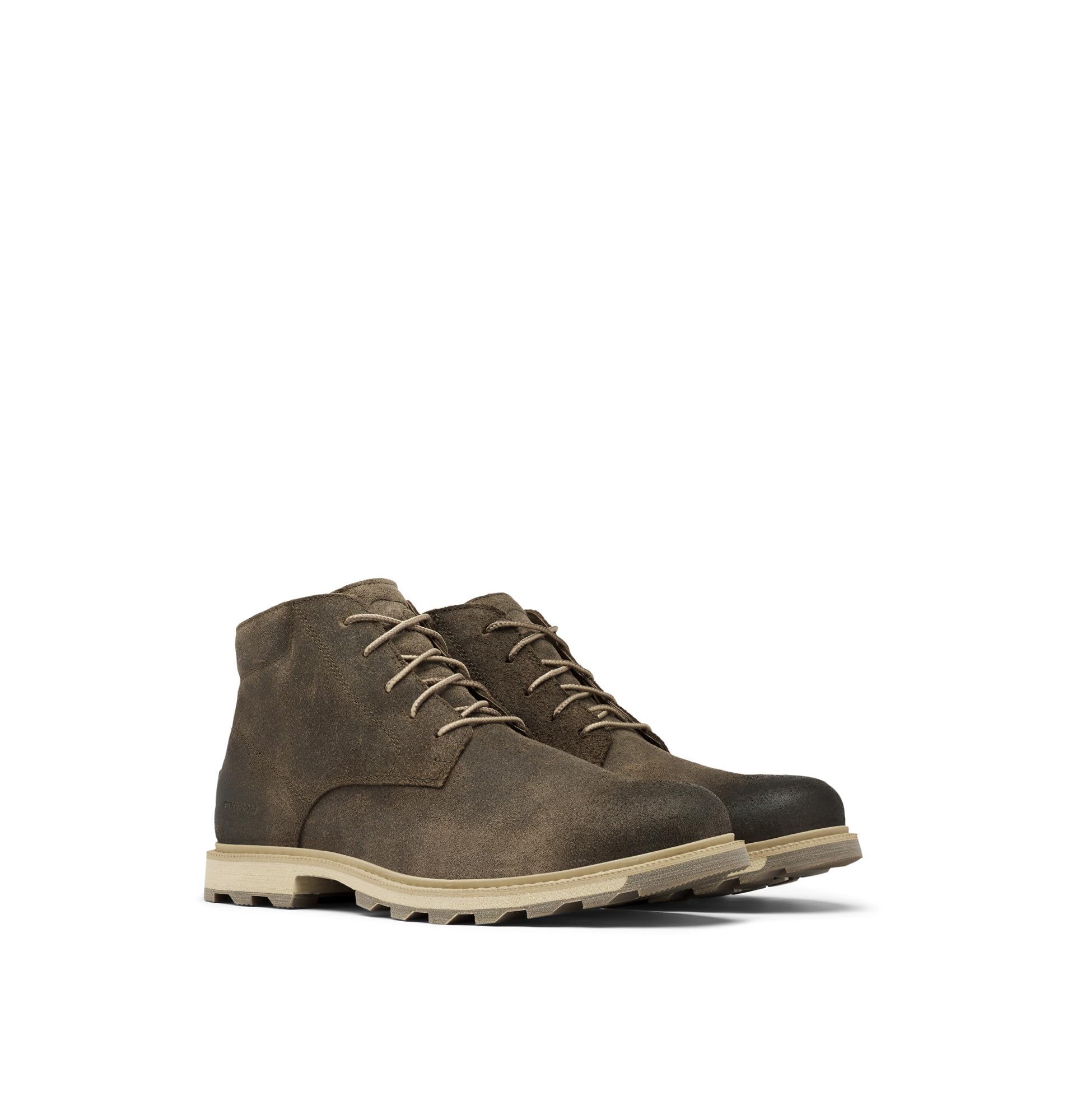


Three Spending Levels for Boots That Suit Slim Denim
Easygoing Pairs at about $40 to $80
Budget boots for this look are usually synthetic ankle boots or simple Chelsea styles with elastic side panels. They nail the silhouette, since the shafts are slim and the profiles are low, but the materials show wear faster and the soles are thin. They suit occasional wear, trend testing, or a second pair in a color you are not sure about yet. Expect glued construction and modest cushioning.
The Wardrobe Workhorse Tier at about $80 to $160
Midrange money buys real or high quality faux leather, stitched soles on many styles, and better shaped ankle openings that sit close to the leg. This is where Chelsea boots, lace up ankle boots, and slim heeled styles become comfortable enough for full days. For most people building outfits around skinny jeans several times a week, this tier delivers the best balance of looks, comfort, and lifespan.
The Long Haul Tier at about $160 to $300
Premium pairs use full grain leather, leather linings, and resoleable construction on some dressier styles. The leather molds to your ankle over time, so the fit against a slim hem gets cleaner with wear rather than sloppier. Colors are usually richer and hardware is metal rather than coated plastic. Buy at this level when the boots are a core part of your style and you plan to keep them for years.
What Your Money Gets You at Each Price Tier
Shaft Shape and Ankle Fit by Tier
At every price, the key measurement is the shaft circumference relative to your ankle and calf. Budget pairs tend to run wider and stiffer, which can leave a visible gap above the hem. Midrange and premium shafts are cut closer and use softer materials that follow the leg.
A close shaft matters more than heel height for this look, because a gaping boot top breaks the narrow line that makes skinny jeans work. Taller western shafts follow different pairing rules, which our guide to the best skinny jeans for cowboy boots covers in detail.
Materials and Finish by Tier
Starter pairs rely on synthetic uppers that look smooth from a distance but crease sharply and peel at stress points. Midrange pairs step up to corrected leather or convincing microfiber with a more natural grain. Premium full grain leather resists creasing, takes polish, and develops a patina instead of a crack pattern. If your outfits lean dressy, the finish difference is the first thing other people notice at close range.
Soles and Comfort by Tier
Thin fashion soles dominate the budget tier and transmit every sidewalk crack to your feet. Spending more adds cushioned insoles, flexible stitched soles, and rubber grip layers that help on wet pavement. Heel shapes also improve, with stacked or rubber capped heels that feel steadier than hollow fashion heels. None of these are hiking boots, but the midrange tier and up should handle a full day of city walking without complaint.
Features Worth Paying For (and Ones to Skip)
Features That Matter for Skinny Jeans
Skinny jeans end at or below the ankle bone, so the boot top has to meet that hem cleanly. Look for shaft heights around 5 to 7 inches for ankle boots worn over the hem, or shorter openings if you prefer the hem to fall over the boot. A tapered toe, almond or slightly pointed, extends the leg line, while a chunky lug sole widens the whole silhouette.
Zipper or elastic entry keeps the shaft slim without laces bulking under the denim. If you are starting from the denim side instead, our guide to the best skinny jeans for ankle boots covers the rises and hem widths that meet a boot shaft cleanly.
Upper Materials and Breathability
Leather breathes moderately and stretches slightly to match your ankle, which is why it dominates the higher tiers. Suede gives a softer, casual texture that pairs well with washed denim, though it needs a protective spray against rain. Knit and sock style uppers hug the leg closest of all and feel light, but they offer little structure or weather protection. Mesh belongs in athletic shoes, not in boots meant for this look, so skip it here.
Fit, Sizing, and Toe Box
Measure your feet in the afternoon and try boots on with the exact jeans and socks you plan to wear, since a slim hem changes how the shaft sits. Your toes should not press the front even in pointed styles, and the ankle opening should admit one finger at most beside your leg. Pointed toes effectively shorten the usable length, so many people go up half a size in sharp styles. If foot pain keeps returning in fashion footwear, talk with a doctor rather than sizing up endlessly.
Weight and Flexibility
Light boots keep an outfit feeling effortless and are easier on your feet through a long day, but very light fashion pairs often achieve it with thin soles. A moderate weight with a flexible forefoot is the sweet spot for city wear. Stiff, heavy boots fight the slim line of the jeans and tire your legs. Flex the boot by hand before buying; the sole should bend at the ball of the foot, not in the middle of the arch.
Long Term Costs to Factor In
Leather pairs add small upkeep costs: conditioner, a suede brush and spray if you choose suede, and heel cap replacements every year or two on heeled styles. Premium resoleable boots can gain years from a resole that costs far less than a new pair. Budget synthetics cannot be repaired meaningfully, so their low price repeats every season or two.
Cost per wear usually favors the midrange tier for regular use and the premium tier for daily staples. For a broader look at denim cuts that work with boots in general, see our guide to the best jeans for boots.
Frequently Asked Questions About Boots for Skinny Jeans
Should boots for skinny jeans go over or under the hem?
Most ankle boots look best with the hem resting just at the top of the shaft or tucked slightly inside it, which keeps the leg line unbroken. Very short booties can sit under a longer hem, but the jeans may catch on the boot edge as you walk. A small cuff works with lace up styles when you want a casual break in the line. Try both arrangements in a mirror, since proportions vary with your height and the rise of the jeans.
What heel height works best with boots for skinny jeans?
A heel around 1 to 2 inches suits most people and most outfits, adding length to the leg without turning the boots into special occasion footwear. Flat Chelsea styles work too, especially in casual settings, as long as the shaft stays slim. Very high or very chunky heels shift the outfit toward a dressy or rugged look, which may or may not be your goal. Comfort decides in the end; a heel you cannot walk in ruins the clean line anyway.
How long does the break in period last for leather boots for skinny jeans?
Leather ankle boots usually soften over about one to two weeks of regular wear, with the ankle collar and forefoot flexing first. Wear them around the house in short sessions before a full day out, and use thicker socks during the first outings. Synthetic pairs barely change with wear, so their first day fit is their final fit. If a leather pair still pinches after two weeks, the size or shape is wrong rather than the break in being incomplete.
Can boots for skinny jeans be worn in wet weather?
Smooth leather pairs with rubber soles handle light rain fine once treated with a water repellent cream or spray. Suede needs a dedicated protector spray and still dislikes heavy rain, so keep suede for dry days. Deep puddles and slush call for a waterproof boot instead, and styling comes second there. After any wet outing, stuff the boots with paper and dry them away from direct heat so the leather keeps its shape.
Are expensive boots for skinny jeans worth the higher price?
They are worth it when you wear the style weekly, because full grain leather keeps its shape at the ankle, resists creasing, and can be resoled, so the clean fit against the hem lasts for years. For a trend you expect to drop within a season, a budget pair gives the same silhouette at a fraction of the cost. The midrange tier is the sensible default, with real leather and stitched construction at a price that does not demand a decade of wear to justify.
The Bottom Line
Judge these boots by shaft fit first, materials second, and heel comfort third. The best boots for skinny jeans meet the hem without a gap, keep a tapered toe line, and feel steady through a normal day. Check your favorite tier against the product table above, try pairs on with the jeans you actually wear, and let cost per wear, not the sticker alone, make the final call.