Best Boots for Ski Resort of 2026: Complete Buying Guide
Disclosure: We may earn a commission when you buy through links on this page, at no extra cost to you. As an Amazon Associate I earn from qualifying purchases. Learn more

Choose resort ski boots with clear help on flex, last width, liner warmth, binding fit and sole grip for lifts, lodges and walking at the base.
A resort day asks a lot from one pair of boots. You stand in cold lift lines, walk icy lots and lodge steps, and then need steady control the moment you unload. Choosing the best boots for ski resort use starts with fit, flex and warmth, not with color or the stiffest shell on the wall.
This guide covers flex, last width, liner volume and sole type. Use the comparison table below to narrow your short list, then run the fit checks here before you pay.

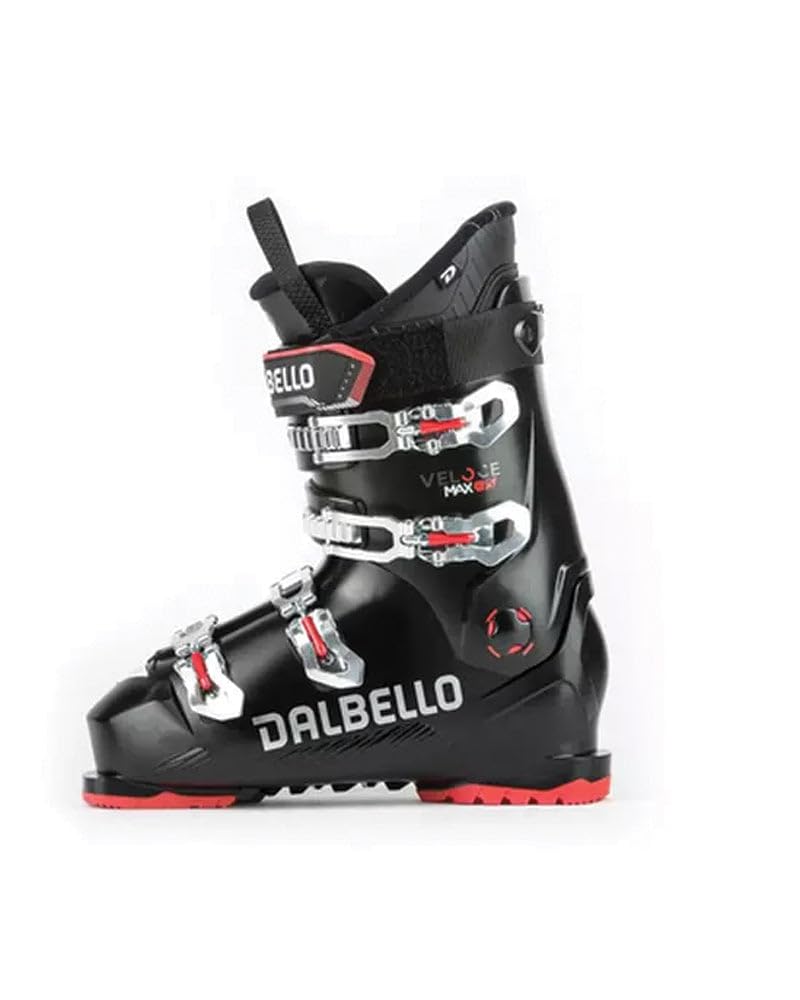
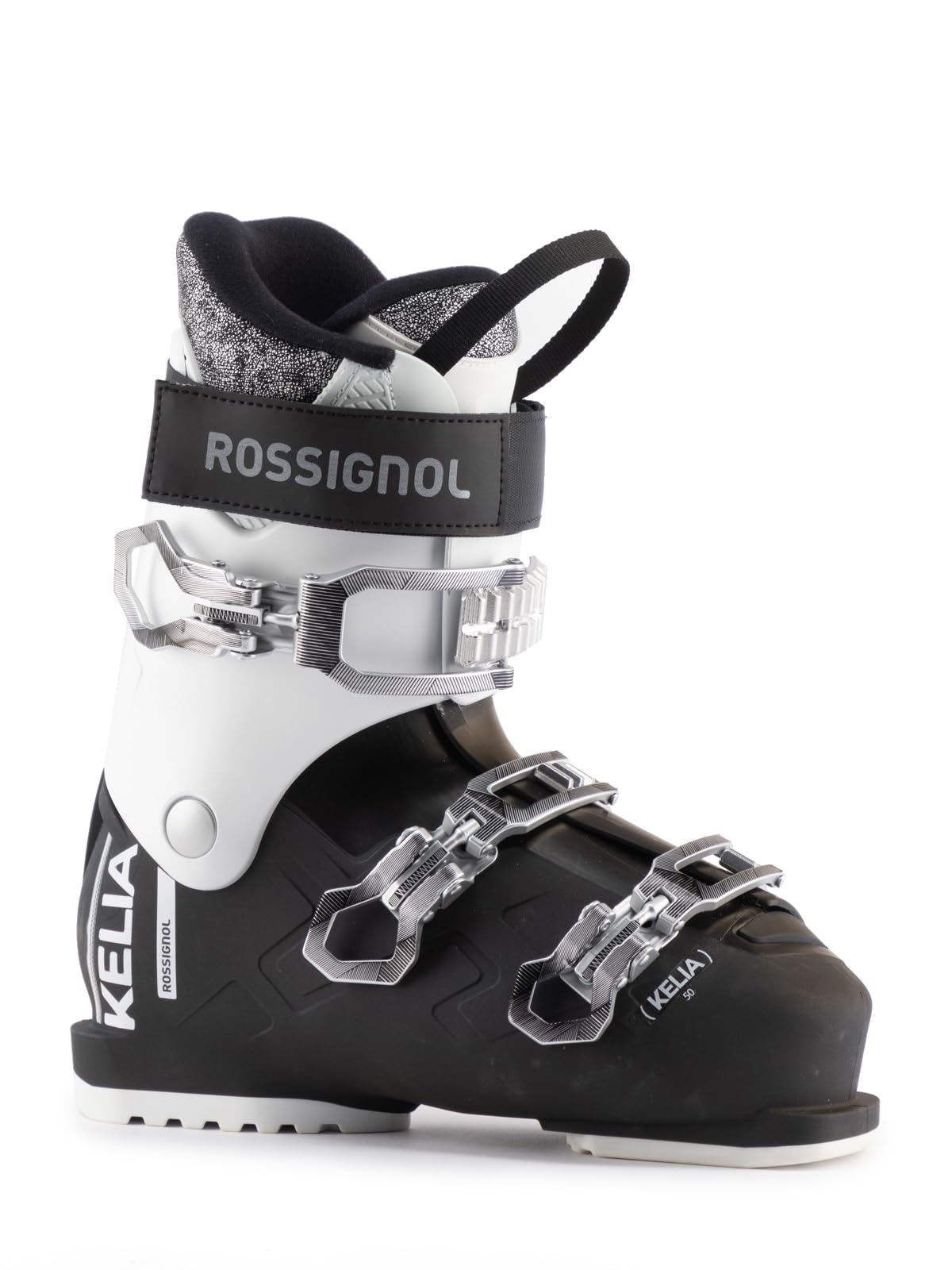
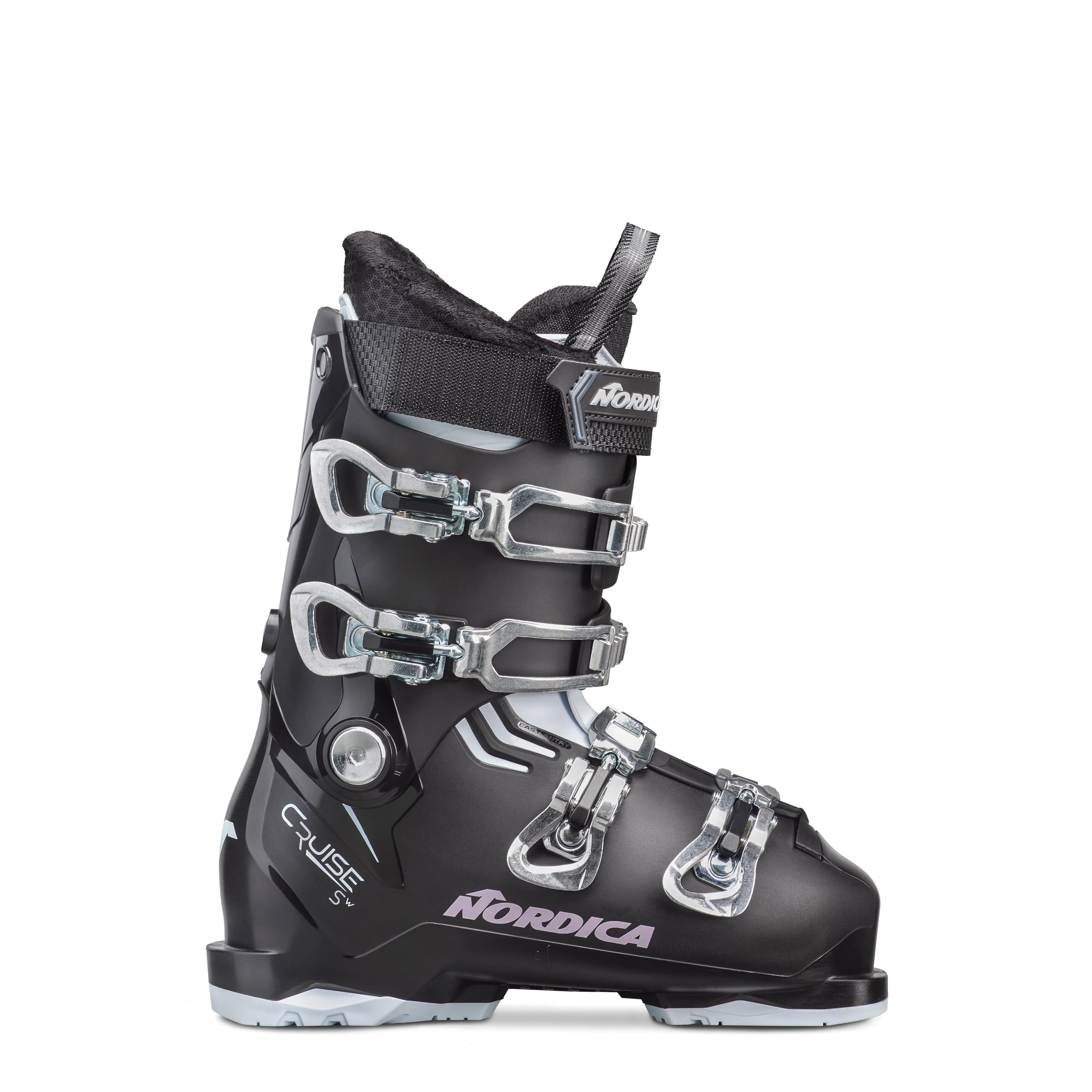


Who Should Buy Resort Ski Boots for Lift Served Days?
Resort boots are built for groomed runs, lifts and lodge breaks, so comfort over six or more hours matters as much as control.
New Resort Skiers Learning on Groomed Runs
If you are still linking turns on green and easy blue runs, look for a softer flex and a liner that feels snug without sharp pressure. A forgiving shell lets your ankles flex forward, which helps you stay balanced at low speed.
Intermediate Skiers Who Spend Full Days on Mixed Resort Terrain
Skiers who handle most blue runs and some black runs need a medium flex that supports faster turns without punishing small mistakes. Look for close heel hold, a liner you can heat mold, and enough warmth for long chair rides in wind. Try two last widths side by side before you size up.
Advanced Resort Skiers Who Ski Fast on Steep Groomed Runs
Strong skiers who carve at speed need a stiffer shell, a low volume fit and a liner that holds the heel firmly under load. Extra stiffness sends leg movements to the ski with less delay on hard snow and ice.
Key Features to Compare
When you compare the best boots for ski resort use, judge these five factors in order, starting with fit. For a broader view first, see our guide to the best ski boots before you narrow to resort only models.
Flex Rating Matched to Your Skill, Weight and Speed
Flex describes how hard a shell resists forward bending, and most adult resort boots fall between about 70 and 130. Lower numbers feel forgiving at slow speeds, while higher numbers support heavier skiers and faster, more forceful turns. The number is not standard across brands, so a 100 from one maker can feel stiffer than a 110 from another. Heavier skiers should start near the top of each range.
Last Width and Internal Volume for Your Foot Shape
Last width is the shell width at the forefoot, often listed around 98 to 104 millimeters, and volume is the room above your foot and around your ankle. Narrow feet swim in wide shells and lose heel hold, while wide feet in narrow shells get numb toes. Many women find a lower cuff more comfortable, so see our guide to the best women's ski boots if unisex lasts pinch your calves. Lasting numbness, sharp pain or toes that stay pale after warming need prompt care, so stop skiing and talk with a clinician about your personal needs.
Liner Warmth and Fit Options You Can Adjust
The liner is the soft boot inside the shell, and it does most of the work for warmth and heel hold. Thin liners feel precise but cold, while thicker resort liners add insulation for slow lifts and windy ridges. Many liners can be warmed and molded in a shop, which eases pressure over one ankle bone without loosening the whole boot. Replacement liners can later restore a packed out fit.
Buckles, Power Strap and Walk Mode for Resort Walking
Most resort boots use four buckles plus a wide strap at the top of the cuff, and small moves on the buckle ladders fine tune pressure without crushing your foot. Tighten from the ankle buckles upward so your heel settles back first. A walk mode frees the cuff to tilt as you walk to the lift, which reduces calf strain. If you also plan to tour, see our guide to the best ski boots for touring and resort for models built to do both jobs.
Sole Grip and Binding Compatibility at the Resort
Resort soles come as flat alpine soles or as rockered GripWalk soles with rubber pads for walking. GripWalk gives surer footing on wet lodge floors and icy steps, but it only works with bindings marked as GripWalk compatible, so check that list before you buy. Flat soles fit standard alpine bindings and feel less secure when you walk. Have a trained technician set release values rather than adjusting bindings yourself.
Types of Resort Ski Boots and How Sizing Works
Resort boots split mainly by flex and volume, so match a type to your skiing first and then shop within that type.
Soft Flex Boots for Learning and Relaxed Cruising
Soft flex boots suit new skiers, lighter skiers and anyone who skis at relaxed speeds on groomed runs. They are easier to flex in cold weather and more tolerant of a stance that sits a little back.
Medium Flex Boots for Progressing Resort Skiers
Medium flex boots are the resort workhorse for skiers on blue and black groomed runs, balancing control with comfort. Most offer heat moldable liners and replaceable sole pads. If you take an occasional guided day beyond the ropes, see our guide to the best ski boots for resort and backcountry before choosing a pure alpine shell.
Stiff Flex Boots for Strong and Heavy Resort Skiers
Stiff flex boots suit advanced skiers, heavier skiers and racers who train on resort courses. The shell holds its shape under strong leg pressure, and the fit is usually lower in volume, so entry can take effort on a cold morning.
Boots for Kids and Youth Skiers at the Resort
Kids and youth boots use softer flex and fewer buckles, and sizes change fast as feet grow, so many families rent or buy with a trade in plan. Leave a small amount of toe room for growth, but keep the heel down when your child flexes forward.
Mondopoint Sizing and the Resort Fit Check
Ski boots use Mondopoint sizing, which is your foot length in centimeters, so a foot that measures 27 centimeters long usually starts near size 27 or 27.5. Try boots late in the day with one thin ski sock, stand and flex forward, and check that your toes brush the front while standing straight but pull clear when you bend your knees.
Common Mistakes to Avoid
- Buying ski boots in your street shoe size leads to a shell that is too long and a heel that lifts.
- Choosing the stiffest flex for your level makes slow turns harder and leaves your shins sore.
- Wearing thick cotton socks in resort ski boots traps moisture and makes feet colder on chair rides.
- Pairing GripWalk soles with bindings that are not marked compatible can stop the binding from releasing as designed.
- Judging fit in two minutes misses pressure that builds once the liner warms and feet swell.
- Storing wet boots in a closed bag after the trip grows odor and breaks down liner foam over the season.
Care and Maintenance for Resort Ski Boots
After each day, open every buckle, pull the liners partway out and let shell and liner dry at room temperature away from direct heat. Radiators and hot air vents can warp liner foam, so patience protects your fit. Wipe salt and grit from soles, because grit in the lugs can change binding fit.
For storage, buckle the shell loosely on its normal settings so the plastic keeps its shape, and keep the boots dry and out of sunlight. Once a season, inspect sole pads for wear and check that buckle screws are snug. If release behavior feels wrong, have the full setup inspected by a qualified ski technician before you ski again.
Frequently Asked Questions
What size resort ski boots should you buy in Mondopoint?
Buy the Mondopoint size closest to your measured foot length, then confirm it with a standing fit check in the shop. A useful extra test is the shell check, where a fitter removes the liner and measures space behind your heel with your toes touching the front. About one finger of space suits most resort skiers.
How stiff should resort ski boots be for a new skier?
A new skier should start in a soft flex range and move up only when turns feel limited by the boot rather than by technique. One sign you have outgrown a soft shell is the cuff folding forward when you drive a turn on a steeper blue run, even with good form. Renting two flex levels on one trip shows the difference at low cost.
Can resort ski boots handle all day skiing without foot pain?
Yes, resort ski boots can stay comfortable all day when the volume matches your foot and you pace buckle tension across the day. Loosen buckles during lunch and on long chair rides to restore blood flow, then close them from the ankle upward before your next run. Unbuckling fully at lunch also rests your calves.
How long do resort ski boots last before the fit changes?
Most resort ski boots keep their best fit for about 100 to 150 days of skiing, and the liner usually softens before the shell wears out. Occasional skiers may take many seasons to reach that point, but warmth and heel hold fade gradually. A fresh liner or footbed can extend life when the shell still checks out sound.
Do resort ski boots for kids need the same fit checks as adult boots?
Yes, kids resort ski boots need the same heel hold and toe checks as adult boots, adjusted for growth and softer flex. Watch how your child walks in the lodge, because clomping with a lifting heel often shows a boot that is too large even when the child reports no pain.
Our Verdict
Start with an honest measure of your foot, match flex to the runs and speeds you truly ski, and confirm sole and binding fit before price enters the choice. With those points settled, the best boots for ski resort days are the pair you forget about by the second run, so use the product table above to compare types that fit your plan.