
Best Boots for Shtf: Buying Guide for 2026
Disclosure: We may earn a commission when you buy through links on this page, at no extra cost to you. As an Amazon Associate I earn from qualifying purchases. Learn more

Choosing the best boots for shtf comes down to fit, support, waterproofing and durability for long walks with a load.
When power fails, roads flood, or a storm forces you to leave home on foot, your footwear stops being a daily detail and becomes basic safety gear. The best boots for shtf keep your feet dry, supported, and free of blisters when you may need to walk far, carry weight, and work outdoors with no chance to change shoes.
This guide explains how to judge fit, support, waterproofing, and durability for emergency use. Use the comparison table below to compare shaft height, closure style, and weight side by side, then read the sections that match your climate and terrain.


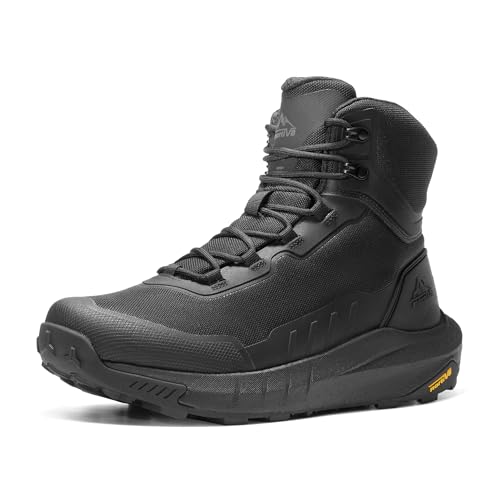

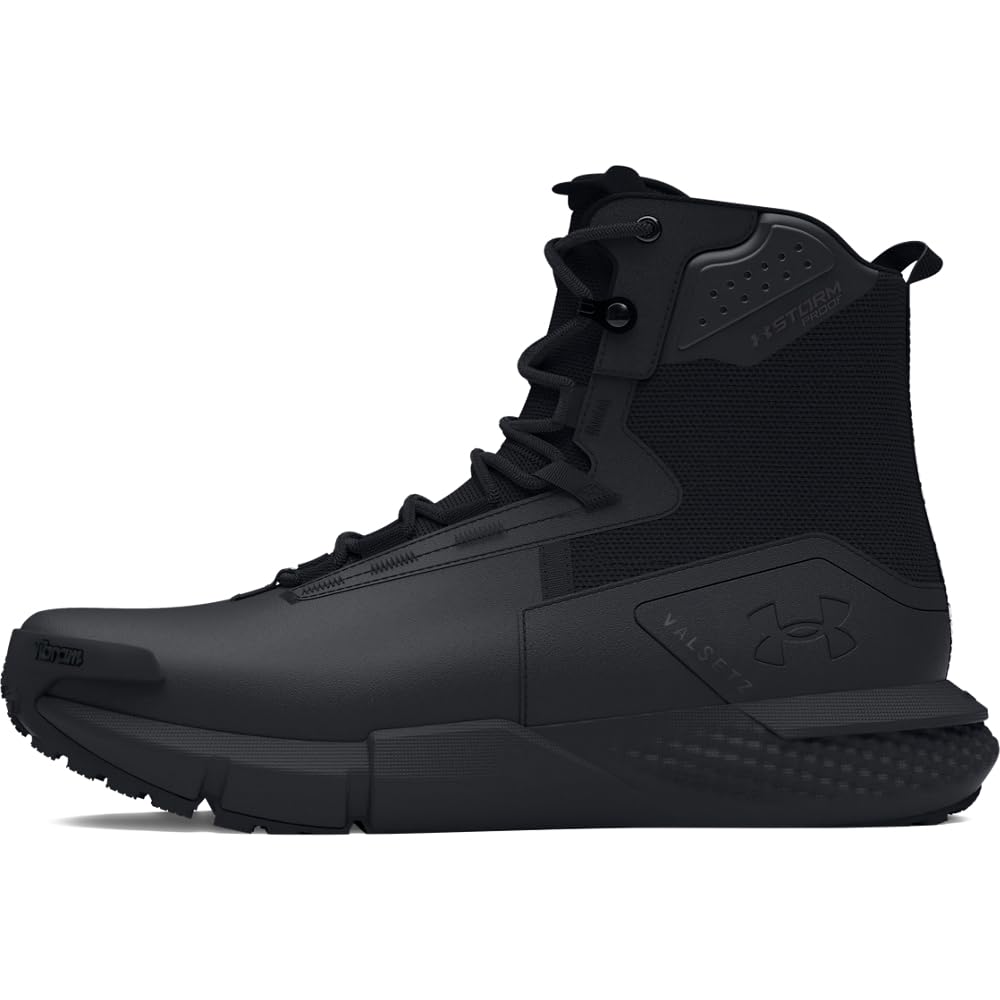
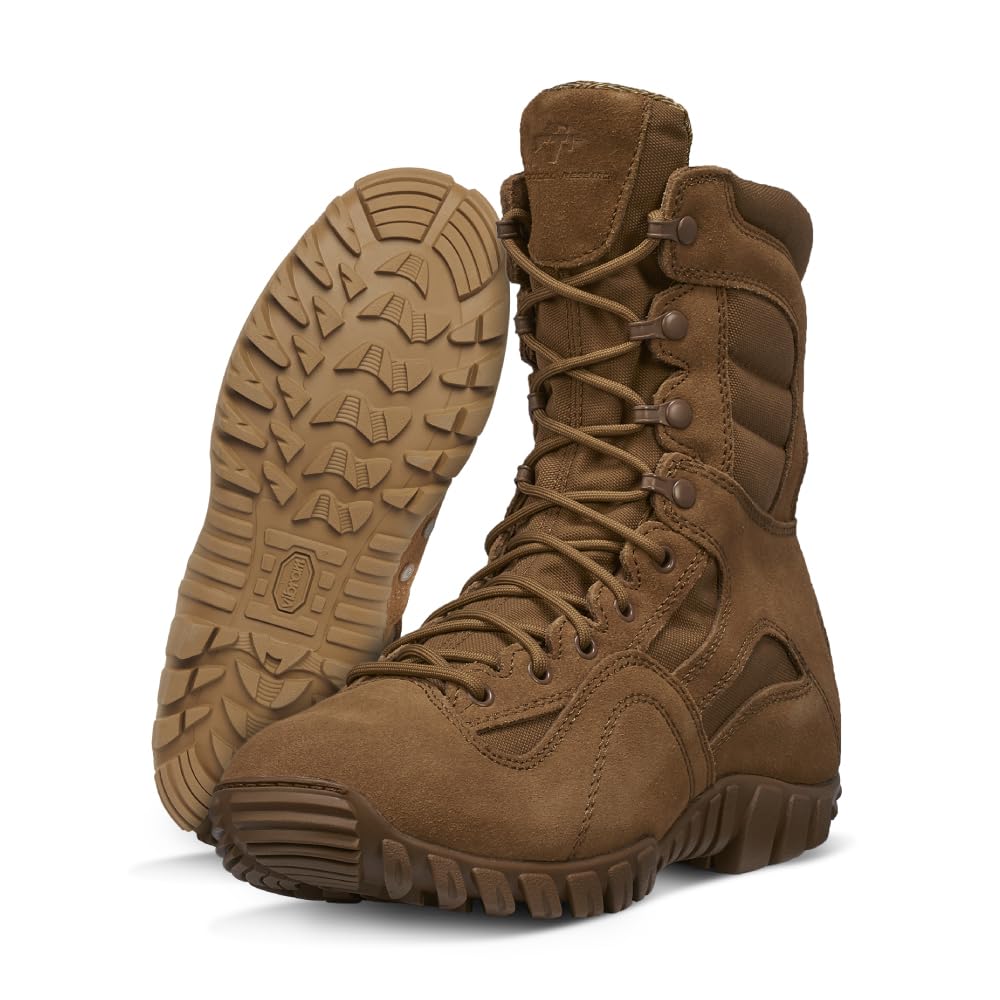


Who Should Buy Boots for SHTF?
Not every household needs the same boot. Your location, job, and likely route matter more than a tough look, so start with the group below that sounds most like your real life.
Rural Households Facing Storms and Power Loss
If you live where storms knock out power, flood low roads, or drop trees across driveways, you need boots that handle mud, standing water, and debris cleanup for hours. A taller shaft, a lugged outsole, and room for thick socks help during cold snaps and wet work. Choose a pair you can also wear for winter chores, so the boots stay broken in instead of stiff from years in a closet.
Urban and Suburban Walkers Who Might Leave on Foot
City and suburb residents may face a different problem, which is distance on pavement if fuel, transit, or road access fails. Lighter boots with real cushioning and a flexible forefoot reduce fatigue over concrete and asphalt, where a stiff sole can feel punishing by mile five. Look for a secure heel, subdued colors, and a fit that works with the pack you would actually carry.
Hikers, Campers, and Workers Already on Rough Ground
If you already hike, hunt, farm, or work outdoors, your emergency boot can simply be the sturdy pair you trust, plus a backup in a different height or weight. Daily use proves fit, reveals hot spots, and keeps leather conditioned. The key extra step is planning for wet crossings and cold mornings, since a fair weather trail boot may leave you short when conditions turn.
How to Choose Boots for SHTF Use: Buying Guide
Choosing the best boots for shtf starts with honest questions about distance, load, water, and temperature where you live. The factors below explain what each spec changes on your feet, so you can match the product table above to your plan instead of buying the heaviest boot on the shelf.
Features That Matter for SHTF Use
Prioritize ankle support, a protective toe, and an outsole with deep lugs that shed mud and grip wet rock, roots, and loose gravel. A gusseted tongue keeps stones and water from slipping inside, while metal eyelets and strong laces survive repeated tightening with cold or gloved hands. Weight matters too, because every extra ounce on your feet costs energy over a long walk, so balance protection against the distance you expect to travel.
Fit, Sizing, and Toe Box
Shop and measure late in the day, when feet are at their largest, and try boots with the exact socks you plan to wear. Your toes should clear the front when you kick a step or walk down a slope, and the toe box should let toes spread without sliding side to side. Bring any insoles you use, walk for several minutes, and size up if one foot is larger or if thick winter socks crowd the forefoot.
Durability and Expected Lifespan
A single piece leather upper or a tightly woven synthetic upper with few seams usually outlasts panels joined by many stitched sections, since seams are common failure points. Check stitching, welt or cement construction, and whether the sole can be replaced by a cobbler. With regular wear, a quality boot often serves for several years and hundreds of miles, while a stored pair still needs checks, because adhesives and foam age even in a closet.
Waterproofing, Gore Tex, and Other Membranes
A waterproof membrane keeps rain, puddle water, and wet snow out, which protects warmth and skin during long wet days. The trade off is heat, since waterproof boots breathe less than unlined boots and can feel hot in summer or during fast walking. If your climate is dry, a breathable leather or mesh panel boot that dries quickly may serve you better than a membrane boot that, once soaked inside, takes far longer to dry.
Arch Support and Foot Type
Good arch support spreads load across the foot and can reduce ache under a pack, especially if you have flat feet and tend to roll inward as you tire. Readers with high arches often need more cushioning under the heel and forefoot, plus an insole shape that fills the midfoot. Replace the thin factory insole if it collapses quickly, and treat sharp heel pain, numbness, or pain that changes how you walk as reasons to see a clinician or a foot specialist before a long trip.
Cushioning, Stability, and Heel to Toe Drop
Cushioning in the midsole softens impact on pavement and packed trails, while a firm heel counter and a wide base add stability on uneven ground and when you step over debris. Heel to toe drop, the height difference between heel and forefoot, is often around 8 to 12 mm in hiking boots, and a higher drop can ease calf strain for new boot wearers. Unlike neutral shoes made for smooth roads, these boots should feel steady when you turn with weight on your back.
Upper Materials and Breathability
Full grain leather resists abrasion from brush, rock, and rubble, molds to your foot over time, and can be conditioned to shed light rain. Synthetic and mesh uppers weigh less, break in faster, and dry sooner after a creek crossing, but sharp debris can cut them more easily. Many strong designs mix both, with leather around the base and lighter panels above the ankle.
Types of Boots to Consider
Boot categories overlap, but the three styles below cover most emergency plans. Match the style to your terrain first, then fine tune fit within that style.
Light Hiking Boots
Light hiking boots sit just above the ankle, weigh less than traditional backpacking boots, and suit pavement, gravel roads, and maintained trails. They work well for warm climates and for readers who value speed and comfort over maximum protection. Their limits show in deep mud and rocky ground, where a low shaft and softer sole offer less defense against twists.
Waterproof Boots
Waterproof boots pair a membrane or treated leather with sealed seams, and they suit wet regions, snow, and work around standing water after storms. They are the safer default when cold rain is likely, since wet feet lose heat fast and blister more easily. In hot weather, plan extra socks and rest stops, because trapped sweat can make these boots uncomfortable in high heat.
Tall Work and Tactical Style Boots
Tall boots, often around 8 inches high, support the ankle, shield the shin from brush and debris, and often use side zips or speed laces for fast entry. Many work versions add a safety toe for cleanup tasks, though that toe adds weight. Choose this style for rubble, farm work, and rough country, and confirm the sole still grips wet concrete and metal steps.
Common Mistakes to Avoid
Most boot failures in an emergency start as buying or storage mistakes months earlier. Watch for these frequent errors.
- Buying boots a size too small for thick socks leaves toes bruised and numb on the first long downhill walk.
- Storing brand new boots without any break in time almost guarantees blisters when you finally need them for distance.
- Choosing a heavy mountaineering boot for flat pavement wastes energy and can cause knee and hip ache over long miles.
- Trusting a waterproof label while wearing cotton socks still leaves feet wet from sweat and prone to blisters and chill.
- Ignoring a loose heel at the store leads to friction, lifted toenails, and painful hot spots once a pack adds weight.
- Keeping boots in a hot car trunk or damp basement weakens glue and leather, so the sole may separate when stressed.
How to Break In and Care for Your Boots
A boot that lives in a box is not ready gear. Break in, storage, and simple care decide whether your pair helps or hurts on the day you need it most.
- Break in new boots with short walks first, then longer walks with your loaded pack, so hot spots show up close to home where you can adjust socks or lacing.
- Air dry wet boots at room temperature away from direct heat, with the insoles removed and the tongues open, since strong heat can crack leather and weaken sole glue.
- Clean mud from the outsole and upper after each outing, then condition leather once it looks dry, so the material stays flexible and resists cracking.
- Store boots clean, dry, and loosely laced in a cool place, and wear them for chores every few months to check fit, foam, and sole bonding.
- Carry spare laces and a small blister kit in your emergency bag, and replace worn laces before they snap during a walk.
- Rotate two pairs if you wear boots daily, giving each pair a full day to dry, which slows odor and foam breakdown.
Frequently Asked Questions
What features matter most in boots for shtf?
Ankle support, a grippy lugged outsole, and a fit with room for swelling matter most in boots for shtf. Beyond the spec sheet, test your pair while climbing stairs, kneeling, and carrying water jugs, since emergencies involve chores as much as walking. A boot that feels fine on a flat store floor can pinch when you crouch, and finding that out early costs nothing.
Are expensive boots for shtf worth the extra cost?
Price alone does not guarantee readiness, and many capable boots sell for about $100 to $250. Paying more can bring better leather, replaceable soles, and stronger stitching, but a modest boot that fits well beats a costly pair that hurts. Spend first on fit, socks, and insoles, then on durability, and skip paying extra only for a military look with no added function.
How long is the break in period for boots for shtf?
Most boots for shtf need about two to three weeks of regular short walks before they feel ready for a long day. Stiff leather styles can take longer, especially around the ankle collar and the flex point at the toes. Keep a simple log of walk length and any sore spots, because steady progress on paper makes it easier to tell a normal adjustment ache from a fit problem that will not improve.
Can you wear boots for shtf all day?
Yes, you can wear boots for shtf all day if the fit is right and you manage moisture during breaks. Sit down when you can, loosen laces briefly, and change into dry socks at midday if your feet feel damp. Ending the day with a few minutes of foot elevation and airing helps skin recover, which matters more on the second and third days in a row.
Do you need waterproof boots for shtf?
You need waterproof boots for shtf only if cold rain, snow, or standing water is likely where you live. In a dry region, a non waterproof boot plus treated leather and good socks may keep you more comfortable, since it dries faster after sweat or a rare crossing. A middle option is keeping waterproof socks in your kit, which adds rain protection without forcing a membrane boot in summer heat.
Final Thoughts
Start with fit, then match waterproofing, support, and weight to your terrain and the load you may carry. Compare your short list with the product table above, wear your choice often, and store it ready with spare laces and socks.
The right best boots for shtf are not the toughest looking pair on the shelf, but the pair you can walk and work in all day without thinking about your feet. Choose carefully now, break them in well, and your boots will be one problem already solved.


