
Best Boots for Short Fat Legs: Fit and Buying Guide for 2026
Disclosure: We may earn a commission when you buy through links on this page, at no extra cost to you. As an Amazon Associate I earn from qualifying purchases. Learn more

Boots for short fat legs need wide calf room, a balanced shaft height, and a roomy toe box. Compare boot types, fit checks, and comfort features.
Boots often fail on short, fuller legs for two reasons. The shaft ends at an awkward point on the calf, and it is too narrow to close without pinching. The best boots for short fat legs solve both problems with proportion, calf room, and an easy entry. Use the comparison table below to check shaft height and circumference first.
Your leg length and calf shape should drive every choice that follows. A boot that looks balanced on a tall leg can cut a short leg in half visually and press into the widest part of your calf. This guide matches shaft height, fit, and boot type to your measurements.
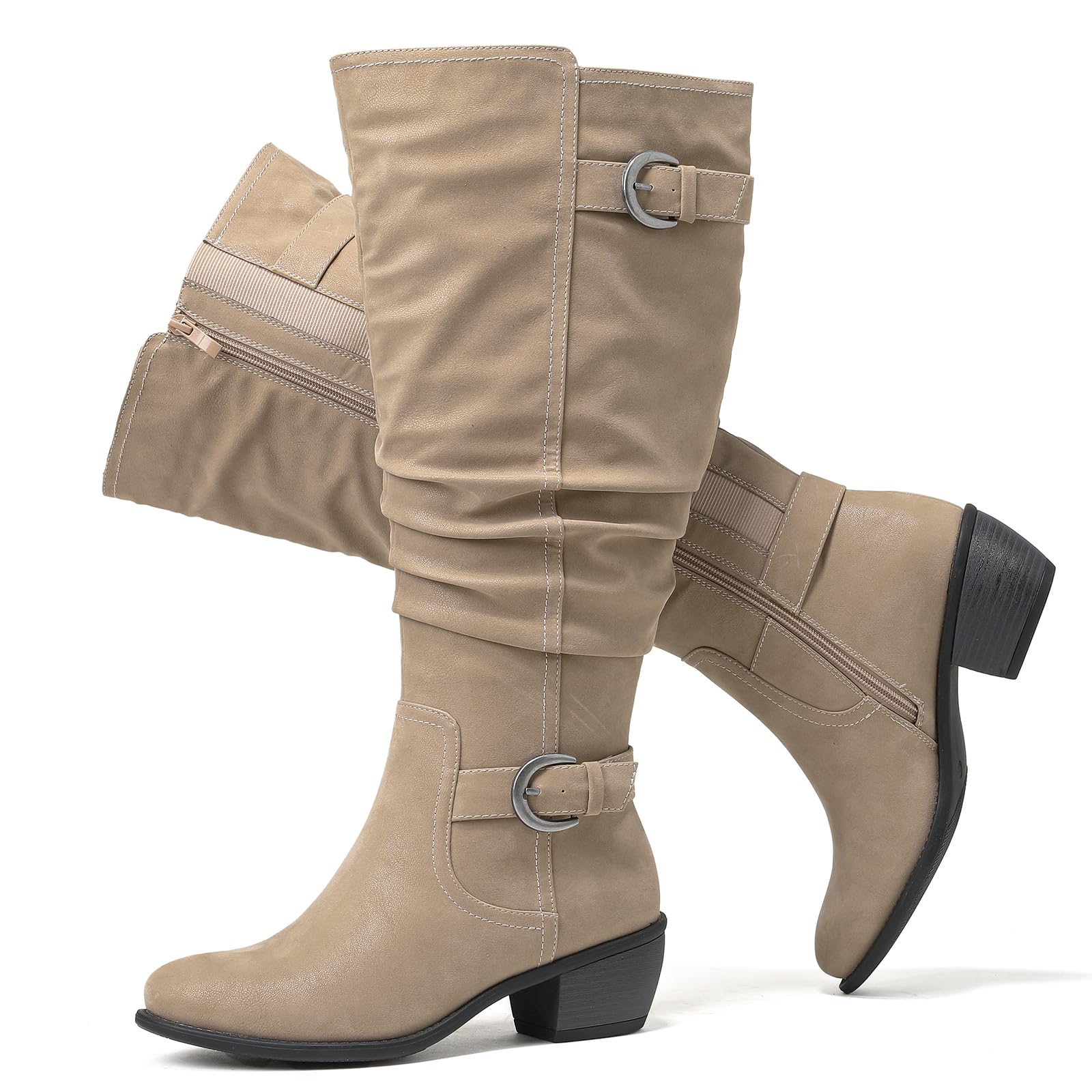

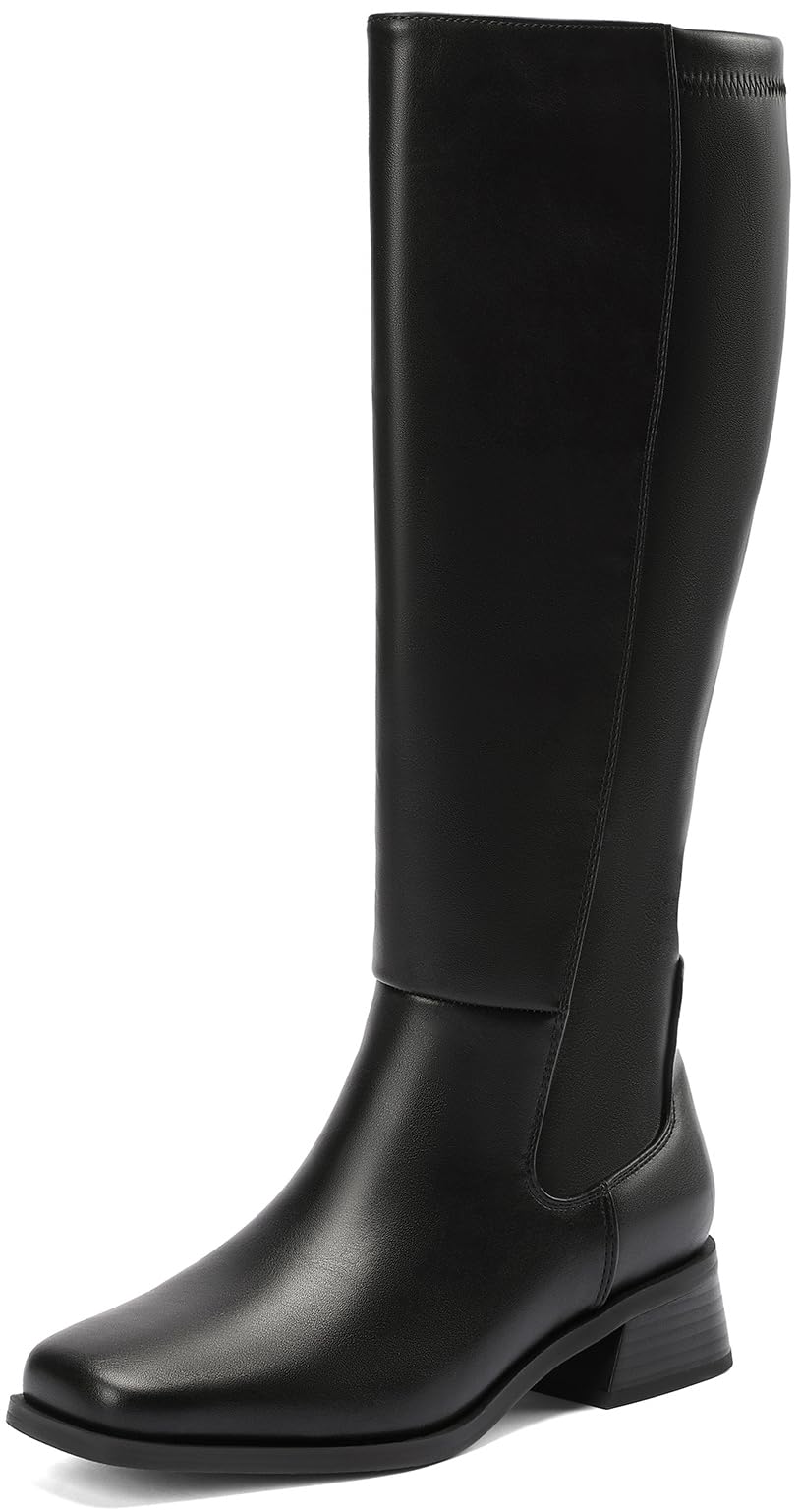


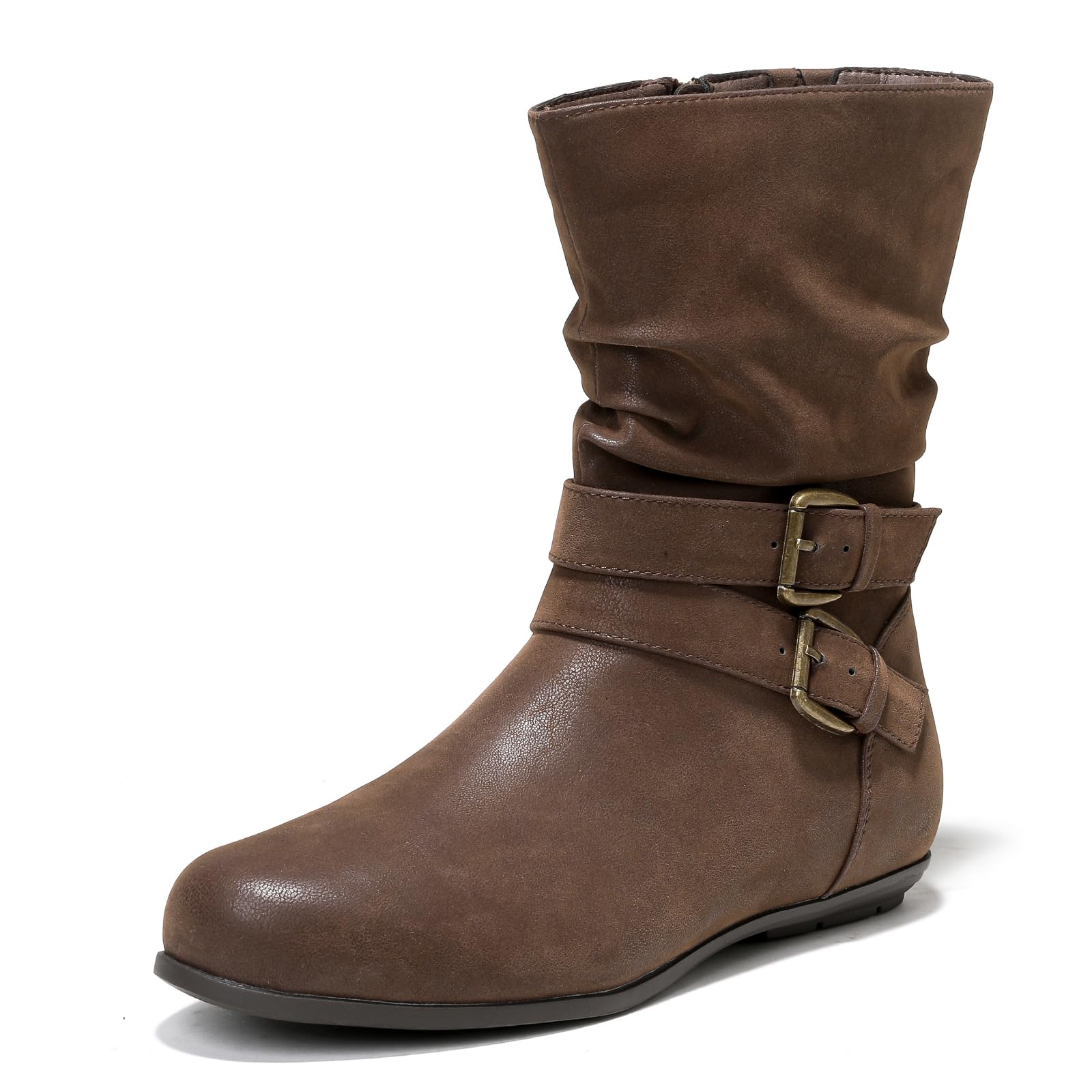
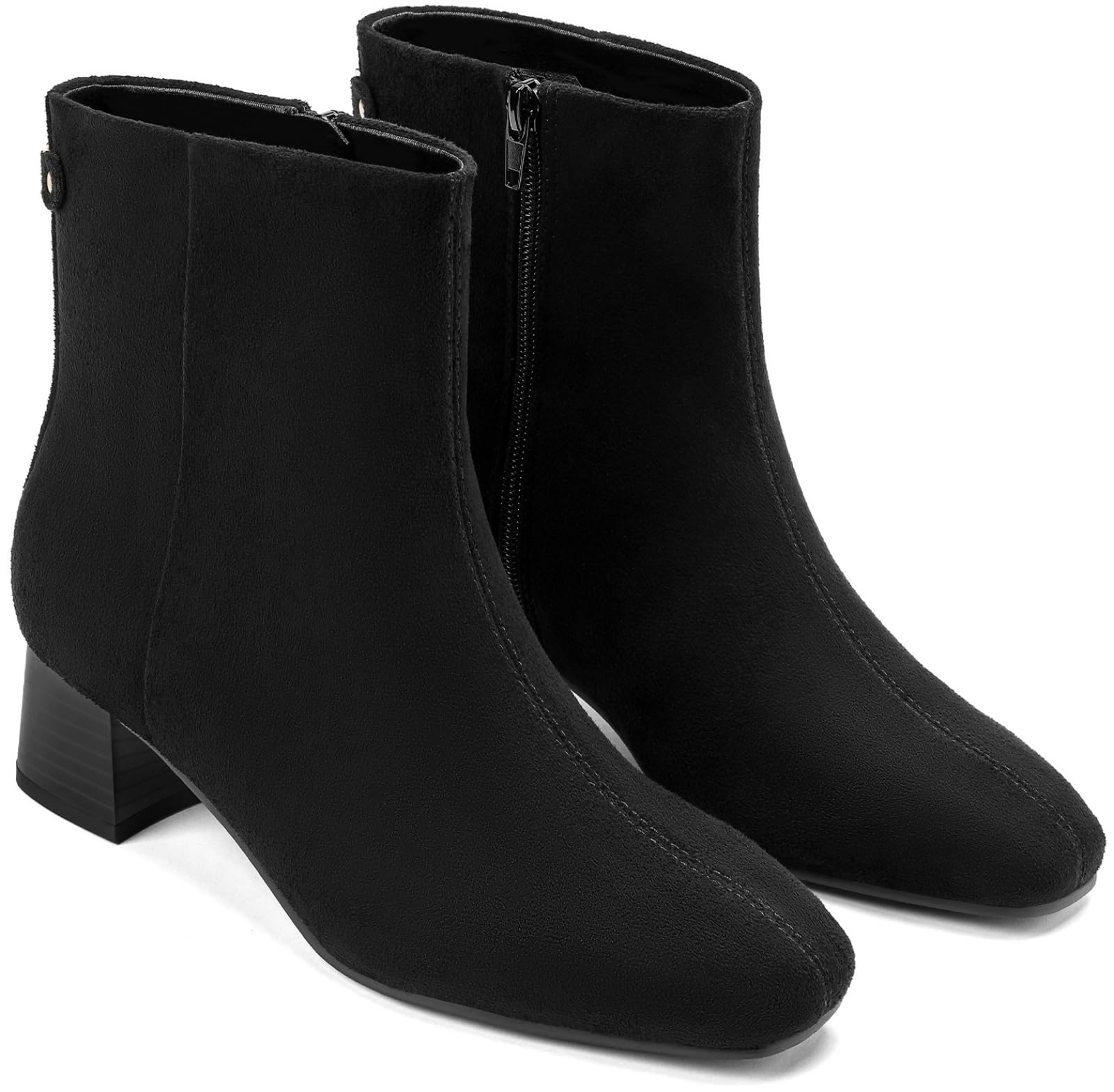
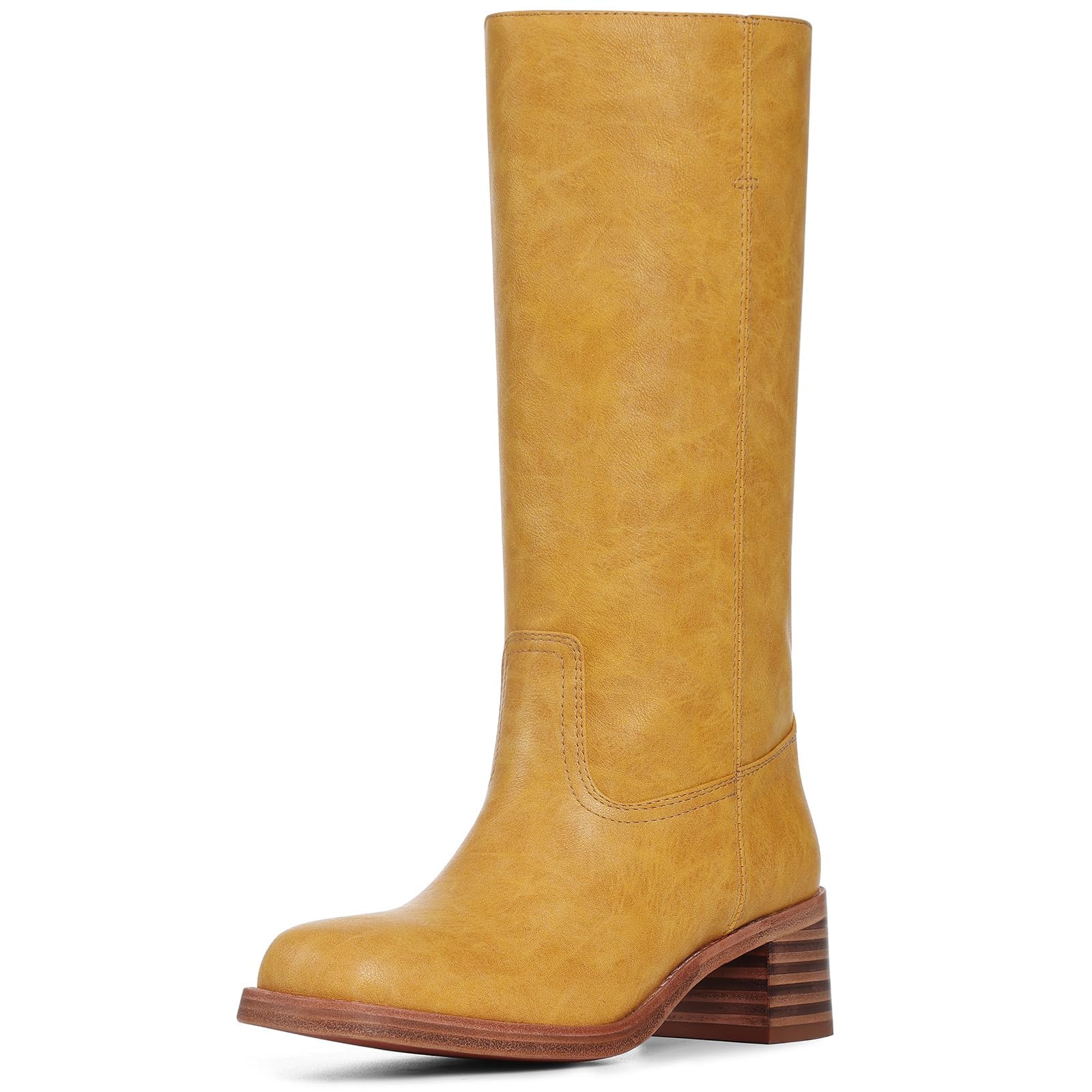
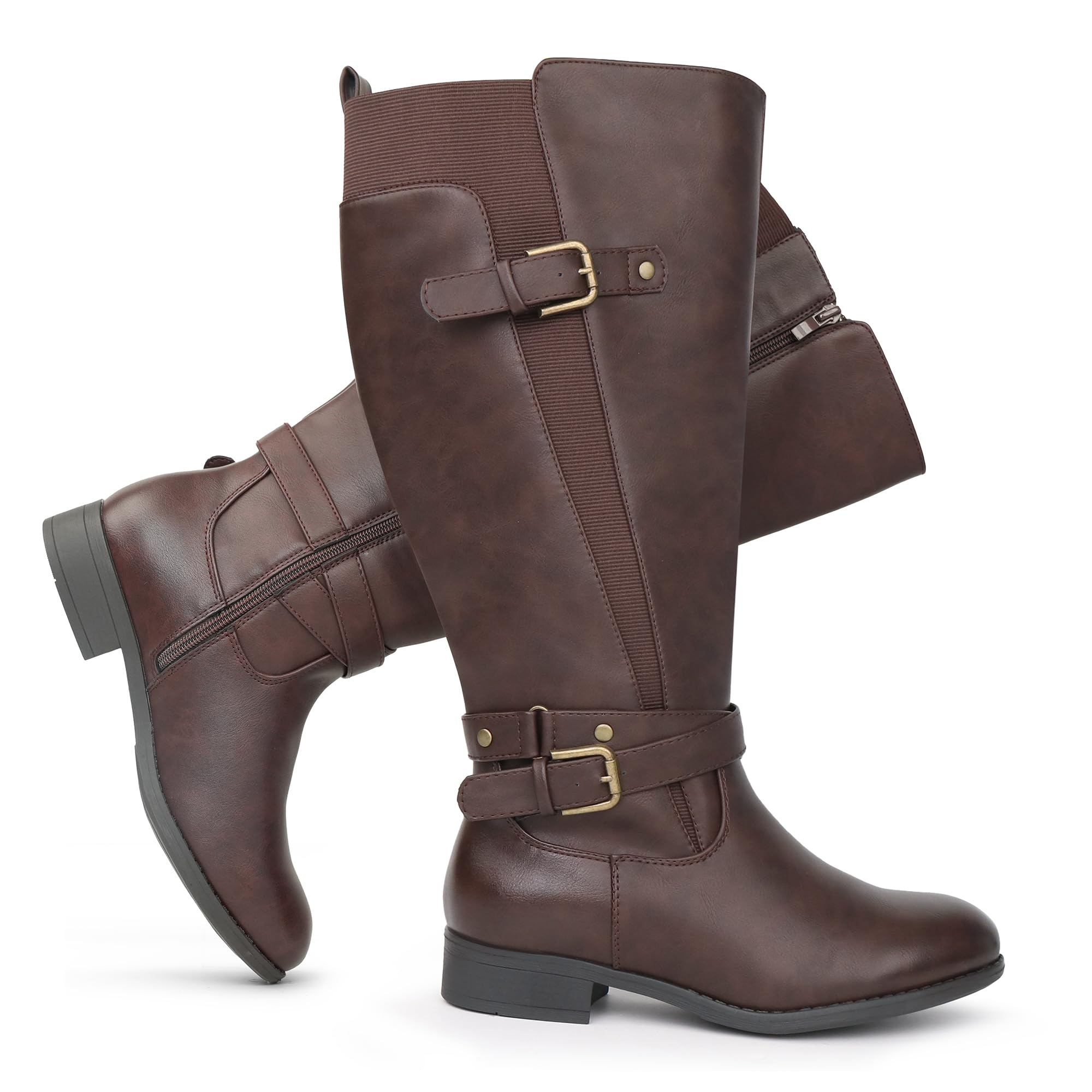
Who Should Buy Which Boots for Short Fuller Legs?
Start with the problem you meet most often when you try boots on. Your answer points to the shaft height and entry style that deserve your budget.
Short Legs With Fuller Calves That Tall Shafts Squeeze
You zip a tall boot halfway and the shaft stops at the widest part of your calf. Look for ankle and mid calf shafts that end below that point, or choose a true wide calf shaft with room to spare. A side zip with a stretch panel gives you easy closure.
Petite Walkers Who Want a Longer Looking Leg Line
You want boots that add visual length instead of chopping your outfit at mid calf. Choose a shaft that ends just above the ankle bone or just below the knee, since both points read as clean lines. A modest heel and an almond toe extend the line, while a bulky rounded toe shortens it.
Workers and Commuters on Their Feet All Day
You need calf comfort plus foot support for long shifts and daily walks. Prioritize cushioning under the heel, steady arch support, and a shaft edge that does not rub on stairs. A lighter boot reduces leg fatigue by late afternoon.
Key Features to Compare
Compare these factors in order, because shaft fit decides whether the rest of the boot ever feels comfortable.
Shaft Height and Leg Proportion
Shaft height is measured from the sole up the back of the boot. Ankle shafts run about 3 to 6 inches, mid calf shafts about 7 to 11 inches, and tall shafts about 12 to 15 inches. On a short leg, a shaft ending at the widest calf point squeezes and shortens your silhouette. End below that point, or clear it and stop below the knee crease.
Shaft Circumference and Calf Room
Circumference is the inside measurement around the top of the shaft, and it matters more than foot size here. Standard shafts measure about 14 to 15 inches, wide calf shafts about 16 to 18 inches, and extra wide shafts up to about 20 inches. Measure your calf over your usual socks, then add about half an inch. The best boots for short fat legs leave that margin without gaping.
Entry, Zips, and Stretch Panels
An easy entry saves daily effort and protects the shaft from strain. A full length side zip lets you place your foot and calf calmly instead of pulling and twisting. Elastic gussets and back stretch panels add give as calves swell slightly through the day.
Toe Box, Arch Support, and Cushioning
Fuller legs often come with wider feet, so the footbed deserves the same care as the shaft. A roomy toe box lets toes spread and reduces rubbing, especially in styles that taper fast. Look for arch support that meets your arch without pushing, plus cushioning under the heel and ball of the foot. A firm heel counter adds stability when the shaft is soft.
Heel Height, Heel to Toe Drop, and Stability
A block heel of about 1 to 2 inches adds length to a short leg while keeping your balance secure. Very flat boots can strain calves on long walks, and a narrow tall heel makes each step less steady. Heel to toe drop describes how much higher the heel sits than the forefoot, and a gentle drop suits daily wear. Choose a wide heel base.
Outsole Traction and Upper Materials
A rubber outsole with lugs about 3 to 5 mm deep grips wet pavement and light trails, while a smooth leather sole suits dry floors only. Leather uppers mold to your calf over time, but they need more break in patience. Knit uppers feel breathable and forgive calf shape changes, though they offer less structure. Waterproof boots with a Gore Tex lining keep rain out.
Boot Types Compared for Short, Fuller Legs
Each type below solves a different proportion or calf problem. Match the type to your wardrobe and weather before you compare prices.
Ankle Boots for Everyday Proportion
Ankle boots end above the ankle bone and leave most of your calf free, so calf width rarely blocks the fit. They pair well with cropped trousers, dresses, and leggings, and a small V shape at the front opening adds visual length.
Mid Calf Boots for Coverage Without Knee Pressure
Mid calf boots give more warmth and coverage, but the shaft top must land below your widest calf point, so measure before you order. For cold weather pairs, see our guide to the best winter boots for short legs for insulated options built around a shorter leg.
Tall Wide Calf Boots for a Clean Long Line
Tall boots can flatter short legs when the shaft stops just below the knee and the calf room is honest. Look for back stretch panels and a top edge that sits flat when you sit. For more proportion ideas, see our guide to the best boots for short legs.
How to Measure Your Calf and Check Boot Fit
Measure in the afternoon, when your legs are at their fullest, and measure both legs since one calf is often larger. Sit with your foot flat, wrap a soft tape around the widest part of your calf, and note the height from floor to knee crease.
In the boot, your toes need about half an inch of space, your heel should lift only slightly, and the shaft should close without skin bulging over the top edge. Walk, sit, and climb a step before you decide. Sudden swelling in one leg, new calf pain, numbness, or a change in skin color needs prompt medical care, and you should talk with your clinician about personal fit needs if swelling or circulation concerns affect your legs. On warm days, see our guide to the best sandals for short legs for open options with the same proportion logic.
Common Mistakes to Avoid
- Buying a standard shaft for a wide calf strains the zip and leaves the top edge pressing into your skin.
- Choosing a shaft that ends at the widest calf point makes short legs look shorter and pinches when you sit.
- Measuring your calf in the morning leads to boots that feel fine at breakfast and painfully tight by evening.
- Judging fit while standing still misses heel slip and shaft rub that appear once you walk and climb stairs.
- Picking a tall narrow heel for extra height trades away stability and tires your calves on long walks.
- Sizing up in foot length to gain calf room leaves your heel sliding and your toes gripping.
Care and Maintenance for Boots on Fuller Calves
Unzip boots fully before you take them off, since pulling against a closed zip stretches the shaft and stresses the teeth. Wipe leather with a damp cloth after wet streets, then let boots air dry away from direct heat.
Condition leather about once a month during heavy wear, and brush suede with a dry brush to lift dirt. Check stretch panels each season for thinning, because a worn panel quietly steals the calf room you paid for. Store boots standing in a cool, dry place.
FAQ
What features matter most in boots for short fat legs?
Shaft circumference and shaft height matter most, ahead of style details. A boot you cannot close comfortably will never become a favorite, no matter how good the footbed feels. After calf fit, check the entry style, because a full side zip changes daily wear more than a decorative buckle.
How long is the break in period for boots on fuller calves?
Most leather boots soften within about one to two weeks of short daily wears. Start with an hour at home, then add time as the ankle and calf areas relax. Stretch panels and knit uppers need almost no break in at all.
How should boots fit on short legs with wide calves?
Boots should close fully with a small margin at the shaft and a steady hold at the heel. Your calf should feel supported, not compressed, and you should be able to slip one finger inside the top edge. Try the car test: sit with knees bent for ten minutes to reveal pressure that standing hides.
Do I need waterproof boots for short fat legs?
You need waterproof boots only if rain, slush, or wet grass is part of your normal week. A waterproof lining adds warmth and a little stiffness, which can reduce stretch at the calf. For mostly dry commutes, water resistant leather with a protective spray is often more comfortable.
Can I wear boots for short fat legs all day?
Yes, you can wear boots for short fat legs all day when the shaft fits and the footbed supports your arch. Alternate heel heights across the week so your calves work at varied angles. A brief midday walk keeps stiffness away better than sitting still.
Are expensive boots for short fat legs worth the cost?
Expensive boots are worth the cost when the price buys real wide calf sizing, replaceable soles, and full grain leather. Those features extend wear for years, while a low price with a narrow shaft is money lost. Mid priced boots around $100 to $250 often cover daily needs well.
Final Thoughts
Measure your calf, choose a shaft height that respects your leg length, and insist on an entry you can close without a fight. Compare your shortlist against the product table above, paying closest attention to circumference numbers rather than photos.
When you shop for best boots for short fat legs with your own measurements in hand, the right pair stops feeling like luck. Buy the boot that fits the leg you have.


