
Best Boots for Metal Roofing of 2026: Complete Buying Guide
Disclosure: We may earn a commission when you buy through links on this page, at no extra cost to you. As an Amazon Associate I earn from qualifying purchases. Learn more

Grip on smooth panels, ankle support, and fit decide the best boots for metal roofing. Here is how to choose a pair for your pitch and workload.
A metal roof is one of the least forgiving surfaces you will stand on. Smooth panels, morning dew, and a steep pitch can turn an ordinary work boot into a liability, so the best boots for metal roofing are built around grip, ankle support, and a sole that stays in full contact with the panel. This guide walks you through the features that matter, how boots should fit, and which style suits your kind of work.
Start with the comparison table below to see how current options stack up on sole type, height, and waterproofing. Then use the sections that follow to match those specs to the roofs you actually climb.


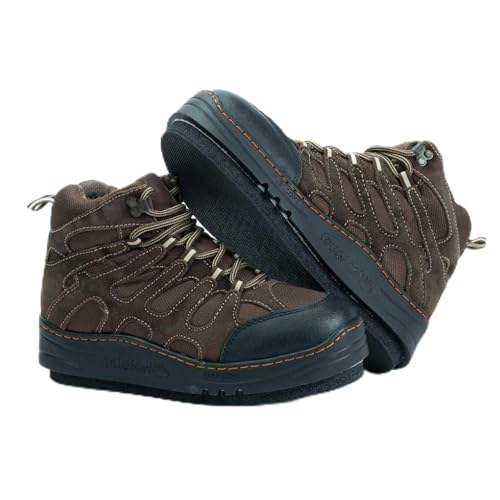


Who Should Buy Which Boots for Metal Roofing?
Your daily tasks decide what you need far more than any single spec sheet. A crew member who spends eight hours walking panels needs different footwear from a homeowner who climbs up twice a year to clear a valley. The three groups below cover most buyers, and for a broader look at footwear for roof work in general, see our guide to the best roofing boots.
Installers Who Walk Panels All Day
If you install standing seam or ribbed panels for a living, your boots are safety gear, not just footwear. Look for a soft rubber outsole that grips painted metal, a flat sole profile with no deep lugs, and firm ankle support for walking slopes. A cushioned midsole matters too, because hours of standing on ribbed panels push pressure into your heels and arches. Weight counts as well, since tired legs make sloppy footing more likely.
Repair Crews Working Steep Pitches
Repair work often means short jobs on steep, older roofs where panels may be faded, chalky, or damp. You need maximum grip and a boot that locks your heel in place so your foot does not slide inside the boot on a slope. A defined heel breast, the stepped area at the back of the sole, helps you brace against battens and roof jacks. Pair the boots with proper fall protection, and treat any pitch you cannot walk comfortably as a job for staging or a lift.
Homeowners Doing Occasional Roof Work
If you climb onto your own metal roof to clean gutters or check flashing, you still need real grip, but you may not need a premium pro boot. A mid height boot with a soft, flat outsole and a roomy fit will serve you well for a few days of use each year. Do not climb in running shoes or worn sneakers, because hard, aged rubber slides on painted metal even when the roof looks dry.
How to Choose Boots for Metal Roofing: A Buying Guide
The sections below break down each buying factor in the order most roofers think about them: grip first, then fit, then the materials and comfort features that decide how a boot feels after a full week. Across all of them, the best boots for metal roofing share one trait: every feature serves secure footing on smooth panels. If you also work on shingles or tile, our overview of the best work boots for roofing covers how sole choices change across roof types.
Features That Matter Most on Metal Panels
Grip on metal comes from rubber compound and contact area, not from deep tread. Soft rubber compounds bite into smooth painted panels, while hard compounds skate across them. A mostly flat outsole with fine siping, the thin slits cut into rubber, keeps more rubber touching the panel at once. Avoid aggressive hiking style lugs, because only the lug tips touch the metal and the boot can pivot on them. Also check that the sole will not mark panel coatings, since some dark, hard soles leave scuffs on light colored roofs.
Fit, Sizing, and Toe Box
Try boots on in the afternoon, when your feet are at their largest, and wear the socks you plan to roof in. Your toes should have room to spread and brace on a slope, so look for a generous toe box rather than a tapered fashion shape. Aim for about a thumb width of space in front of your longest toe, because feet slide forward on steep pitches and jammed toes quickly turn painful. If you are between sizes, choose the larger size and adjust with lacing or a thicker insole.
Durability and Expected Lifespan
Metal roofing is hard on boots. Panel edges and exposed fasteners chew up stitching, and constant flexing on slopes breaks down midsoles faster than flat ground work does. Leather uppers with minimal seams tend to last longest, and a sole that is stitched as well as glued resists separation on a sun baked roof. Under daily professional use, expect a good pair to last one to two seasons before the outsole rubber hardens or wears smooth, at which point grip, the whole reason you bought them, is gone.
Break In Period and Comfort Out of the Box
Full leather boots usually need one to two weeks of shorter wears before the upper softens around your ankle and toes. Wear them for ground work and half days on low slopes first, rather than debuting them on a steep install. Boots with padded fabric collars and synthetic uppers tend to feel comfortable right away, though they often give up some long term durability. During break in, watch for hot spots on your heel and toes, because a blister on a roof is more than an annoyance when you need steady footing.
Upper Materials and Breathability
Full grain leather is the classic choice because it resists abrasion from panel edges and holds its shape under ladder rungs. Suede and nubuck look similar but scuff faster and soak up water more readily. Synthetic and mesh uppers are lighter and more breathable, which your feet will appreciate on a hot roof, but they wear through sooner where panels rub. Many roofers compromise with a leather lower section and a padded, breathable collar, getting abrasion resistance where it counts and airflow around the ankle.
Waterproofing With Gore Tex and Other Membranes
A waterproof membrane such as Gore Tex keeps morning dew, wet valleys, and light rain from soaking your socks, which matters because wet feet blister faster. The trade off is airflow: membrane boots run warmer in summer, and once water comes over the top, they dry slowly. If most of your work is dry weather installation, water resistant leather treated with conditioner may serve you better. If you do repairs year round in a wet climate, true waterproof boots earn their place despite the extra warmth.
Cushioning and Support
Cushioning in a roofing boot has a different job than in a running shoe. You stand and shuffle on hard, sloped metal for hours, so a firm, shock absorbing midsole protects your heels and knees without feeling wobbly. Very soft, thick soles reduce your feel for the panel and can roll on ribbed profiles, so stability matters more than plushness. Heel to toe drop, the height difference between heel and forefoot, is usually modest in roofing boots, and a lower drop keeps your weight centered for balance. If you have flat feet, choose a boot with a supportive footbed or room for your own insoles.
Main Types of Boots for Metal Roofing
Stability and Support Boots
These are the traditional choice: leather uppers, higher cuffs, firm midsoles, and flat rubber soles. They give your ankles backing on uneven panels and hold up to daily job site abuse. The downside is weight and a real break in period. They suit full time installers and anyone on steep pitches, where ankle support matters more than saving a few ounces.
Waterproof Boots
Waterproof boots add a sealed membrane and often a gusseted tongue that keeps debris and water out. They suit repair crews who work through damp mornings and wet seasons, and homeowners who climb up after storms. Expect them to feel warmer in summer and to cost more than similar non membrane models. For dry climate installers, they are often more boot than the job requires.
Lightweight Boots
Lightweight models use synthetic uppers, thinner midsoles, and lower cuffs to cut fatigue on long climbs and big roofs. They are easier on your legs and usually need no break in, which suits ground crews, inspectors, and occasional users. The trade off is lifespan and ankle support, so they are a poor match for daily steep pitch work.
Common Mistakes to Avoid
- Buying boots with deep hiking lugs, because only the lug tips touch a smooth panel and the boot can skate sideways without warning.
- Choosing hard rubber soles made for concrete, because hard compounds slide on painted metal even when the tread pattern looks aggressive.
- Wearing boots that are too small, because your feet slide forward on a pitch and you end up with blackened toenails and numb toes.
- Ignoring scuff risk, because some dark soles mark light colored panel coatings and leave you cleaning or paying for cosmetic damage.
- Keeping boots in service after the outsole wears smooth, because the grip you depend on is gone long before the upper falls apart.
- Treating boots as fall protection, because no footwear replaces a harness, anchor, and rope on a steep or tall roof.
How to Make Your Roofing Boots Last Longer
Care for these boots is simple, and most of it is about protecting the rubber and leather that your safety depends on. Brush off metal filings and grit after each job, because tiny shards work into stitching and cut it over time. Rinse stubborn mud off with a garden hose at ground level. Let wet boots air dry at room temperature away from direct heat, since heaters dry out leather and can crack the cement that bonds the sole.
Condition leather uppers every few weeks to keep them supple and water resistant, and check the outsole monthly for smooth spots, cuts, and separation at the toe. Rotate two pairs if you roof daily, giving each pair a full day to dry between wears. Store boots upright in a dry place, and replace worn laces early, because a snapped lace on a ladder is a problem you can easily prevent.
Frequently Asked Questions
What features matter most in boots for metal roofing?
A soft rubber outsole with a mostly flat profile matters most, because grip on smooth panels comes from rubber compound and contact area. After that, look for ankle support, a roomy toe box, and a sole that will not scuff panel coatings. One point buyers often miss is cold weather flexibility: rubber that hardens in the cold grips far less on frosty morning panels.
How long is the break in period for leather roofing boots?
Most full leather roofing boots need one to two weeks of regular wear before they feel fully shaped to your feet. Shorten the process by wearing them for ground tasks first and flexing the sole by hand before the first wear. If a boot still pinches the same spot after two weeks, that is a fit problem rather than a break in stage, and exchanging sizes beats hoping it will stretch on a steep roof.
Can boots for metal roofing be worn all day?
Yes, boots for metal roofing can be worn all day when the fit is right and the midsole matches your arches. Roofers stand more than they walk, so heel cushioning and a stable, fairly flat sole matter more than running shoe style softness. If your feet ache by midday, try a supportive replacement insole before blaming the boot, and wear padded work socks rather than thin socks that let your foot slide.
Are expensive boots for metal roofing worth the money?
Higher prices usually buy better rubber compounds, stronger stitching, and leather that survives panel edges longer, all of which matter for daily professional use. Occasional users get less benefit, because a mid priced boot already covers weekend needs. One useful check is resoling: some premium boots can be resoled, spreading the cost over more seasons, while budget boots are disposable once the sole smooths out.
Do boots for metal roofing need to be waterproof?
No, boots for metal roofing do not always need to be waterproof, and many installers prefer plain leather for summer work because membrane boots run hot. Waterproofing earns its keep for repair crews working wet mornings and rainy seasons. A middle path is water resistant leather plus a conditioner treatment, which sheds dew and light splashes while breathing better than a sealed membrane on a hot roof.
How often should boots for metal roofing be replaced?
Replace boots for metal roofing when the outsole tread looks smooth or shiny in the ball and heel zones, even if the upper still looks fine. For full time roofers that is often after one to two seasons; occasional users may get several years. A simple test helps: if the boot slips on a damp, low slope surface at ground level where a new boot holds, its working life is over.
Final Thoughts
Choosing well comes down to three things: a soft, flat rubber outsole that truly grips painted metal, a fit with room for your toes to brace on a slope, and support that keeps your ankles and arches steady through a full day. Match the boot type to your work, and use the product table above to compare current options side by side. Pick the best boots for metal roofing for your pitch, climate, and workload, and your feet will be one less worry up there.


