Best Boots for Security Guards: A Practical Buying Guide for 2026
Disclosure: We may earn a commission when you buy through links on this page, at no extra cost to you. As an Amazon Associate I earn from qualifying purchases. Learn more

Compare security guard boots by cushioning, fit, grip, and price, with guidance on uniform rules and long shifts, so you can choose the right pair for work.
Security work means long hours on your feet, much of it standing on concrete, tile, or asphalt with short bursts of walking between posts. The wrong boots turn the last hours of a shift into a battle with sore heels and tired legs. This guide to the best boots for security guards explains which features protect your feet through full shifts, how the main types differ, and what each price band realistically gets you.
The comparison table below summarizes the main boot types by support, weight, and typical price. After it, the buying guide walks through fit, cushioning, grip, and waterproofing in the order that matters for guard work, so you can shortlist a pair that also satisfies your employer uniform policy.





What Each Price Band Gets You
Entry Level Boots: About $50 to $80
Entry level pairs cover the basics: a polishable black upper, a cushioned insole, and a rubber outsole with modest tread. They suit new guards and part time staff who need compliant footwear quickly. Expect simpler foam that packs down within a year of full time wear, and fewer width options. For a first job they are a reasonable start if the fit is right.
Mid Range Boots: About $80 to $140
The mid range is where most full time guards land, because the upgrades target shift comfort directly. Expect better arch support, more durable midsole foam, lighter construction, and a wider choice of widths and heights. Outsoles grip wet floors more confidently, and uppers hold a shine longer between polishes. If you work five or more shifts a week, this band usually delivers the best value per hour worn.
Premium Boots: About $140 to $220
Premium pairs add full grain leather, waterproof membranes, and construction that can often be resoled or repaired rather than replaced. Support systems are more structured, which helps guards with demanding posts or heavier builds. The higher price only pays off if you wear them daily and maintain the leather, because the advantage is lifespan and sustained comfort over years.
How to Choose: The Buying Guide
Features That Matter for Security Guards
Guard work blends standing, walking, and sudden responses, so prioritize grip, cushioning, and a neat uniform ready appearance. Check your employer uniform and safety rules before buying, because some sites require a polishable toe, a specific boot height, or safety toe protection rated for the site. Ankle support matters for outdoor posts and uneven ground, while indoor posts reward lighter, quieter soles that will not mark polished floors.
Fit, Sizing, and Toe Box
Measure your feet late in the day, when they are at their largest after hours of standing, and try boots on with your work socks. You want a thumb width of space in front of your longest toe and a heel that stays put without slipping. A roomy toe box lets your toes spread during long static posts, which reduces hot spots. If you fall between sizes, choose the larger one and adjust with insoles or thicker socks.
Cushioning and Support
Cushioning absorbs the repeated impact of hard floors, while arch support keeps the foot from rolling inward as muscles tire late in a shift. Guards who stand in one place need softer, thicker midsoles; guards who walk patrol routes need a balance of cushion and stability so the boot does not feel wobbly on stairs. If foot pain persists or worsens despite well fitted boots, see a doctor rather than simply buying a softer pair.
Waterproofing and Membranes
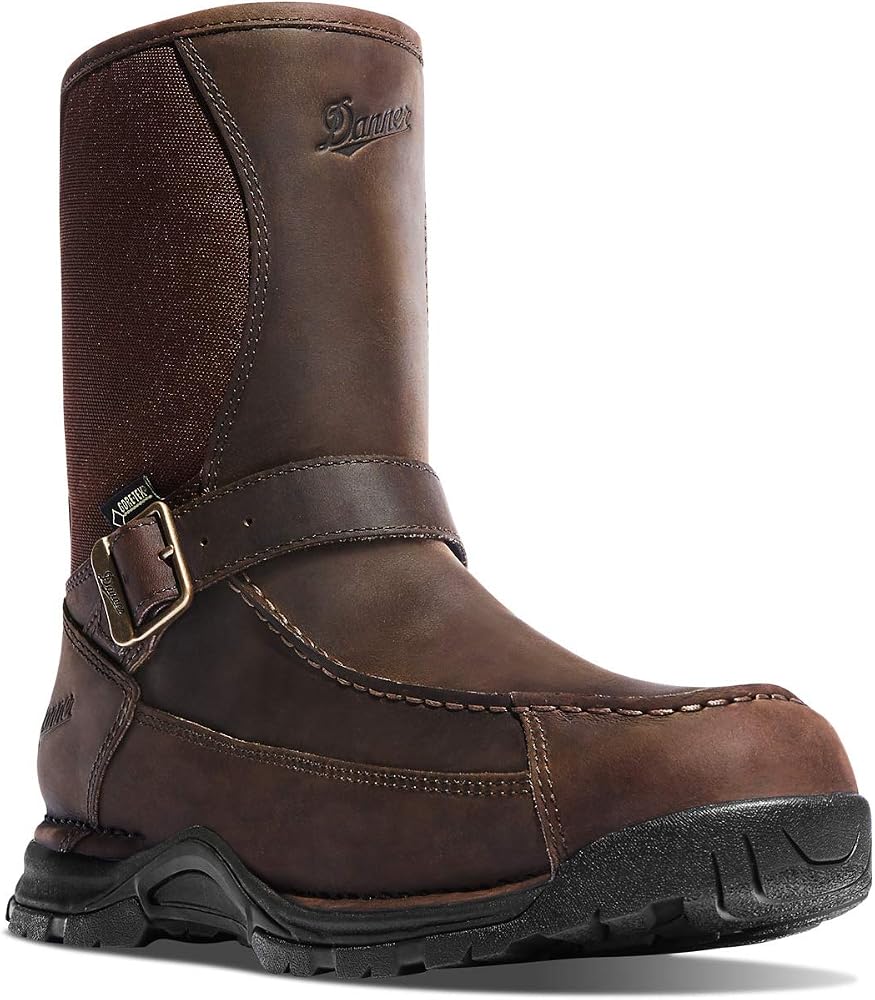
Waterproof membranes such as Gore Tex keep rain and puddles out during outdoor posts, gate duty, and parking lot patrols in wet weather. The trade off is warmth: waterproof boots breathe less, so indoor guards in heated buildings often find them hot by mid shift. Choose waterproofing when your post regularly takes you outside in the rain, and choose plain breathable leather or mesh panels when you work indoors year round.
Weight and Flexibility
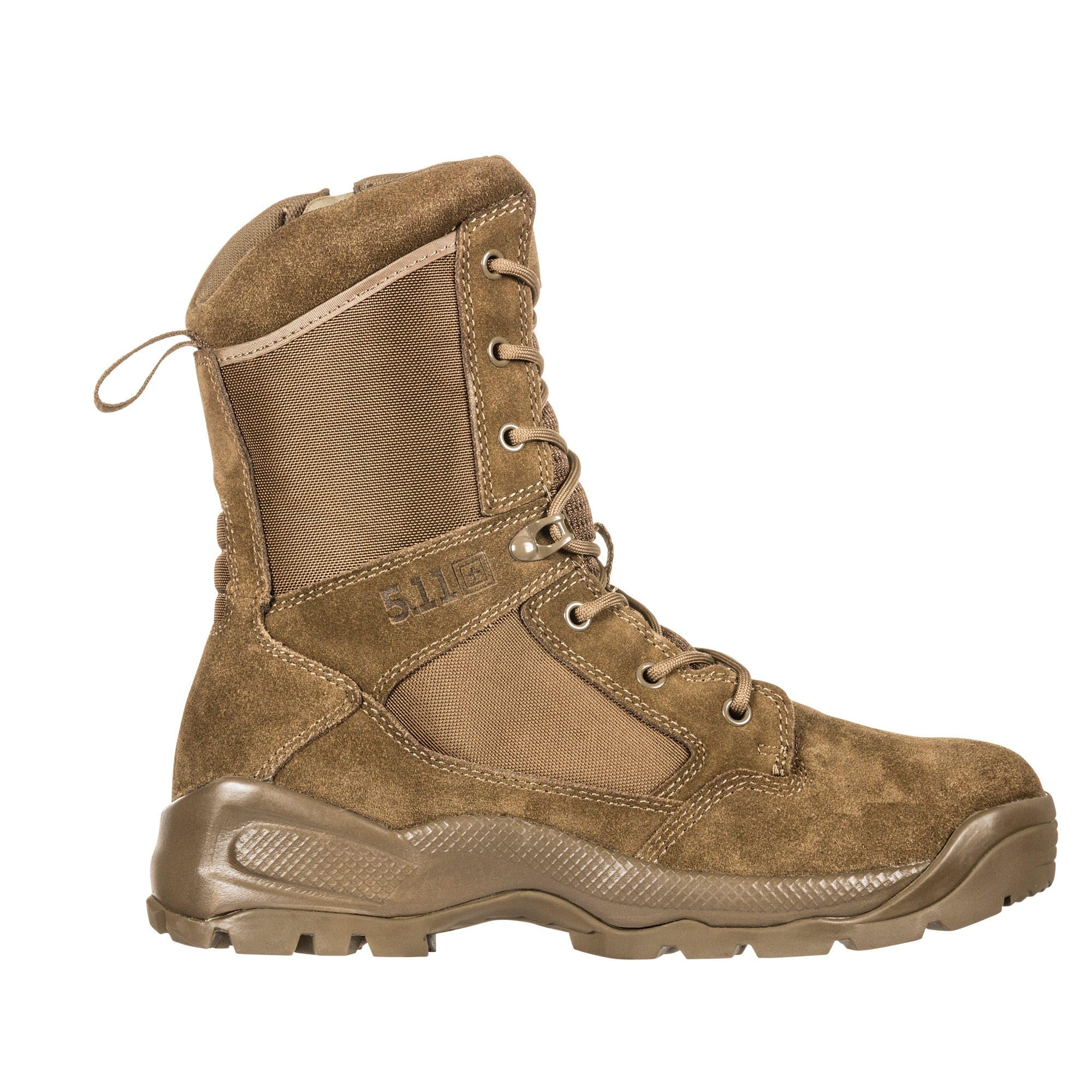
Heavy boots tire your legs across a twelve hour shift, so lighter pairs built from leather and synthetic panels suit high step count posts. Flexibility at the forefoot matters for crouching, stairs, and driving between sites. The trade off is protection: the lightest boots usually give up some ankle support and toe protection. Match the weight to your route, not to a spec sheet.
Durability and Expected Lifespan
Full time guards can wear out budget foam and tread within a year, while well built leather boots often last two to three years with care. Judge durability by outsole thickness, stitched rather than only glued construction, and whether the insole is replaceable. Rotating two pairs extends the life of both, because the foam recovers between shifts. Replace boots when the tread smooths out or the midsole feels flat, even if the upper still looks presentable.
Upper Materials and Breathability
Full grain leather polishes to a uniform shine and shrugs off scuffs, which is why many employers prefer it. Split leather and synthetic panels cut weight and cost but mark more easily. Mesh sections improve airflow for indoor posts yet cannot be polished and may fail uniform inspections. Many boots blend leather at the toe and heel with lighter panels along the sides, balancing appearance, weight, and ventilation in one design.
Types of Security Boots
Waterproof Patrol Boots
Built for outdoor posts, these pair sealed seams and membranes with deeper tread for wet pavement and grass. They suit guards who patrol perimeters, lots, and loading areas in all weather. The downside is heat indoors and a longer drying time after a soaking. If your route keeps you outside for most of the shift, this is the default type to start from.
Lightweight Tactical Style Boots
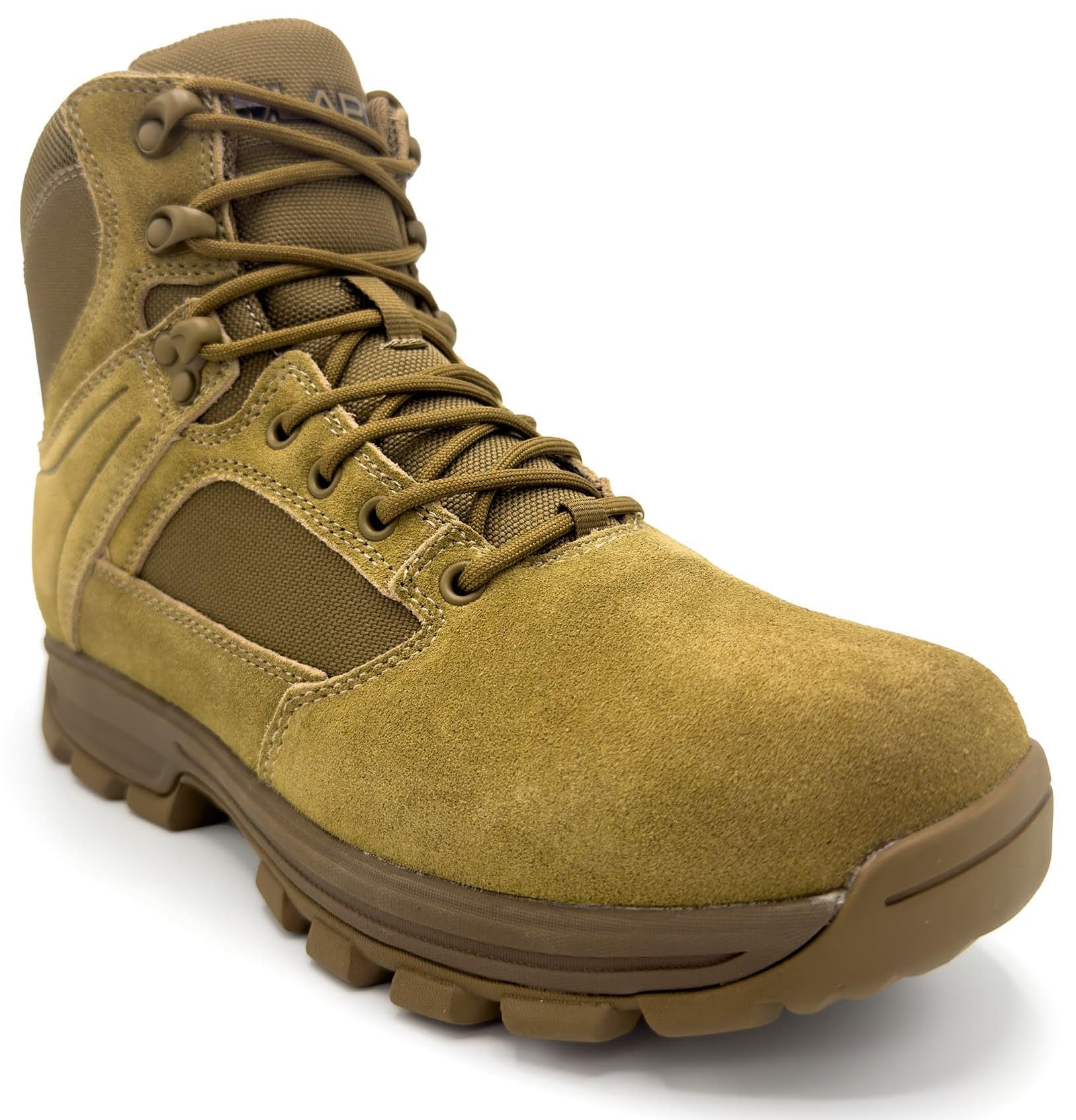
These borrow the low weight and flexible feel of athletic footwear while keeping a black, uniform friendly look. They suit indoor posts, mall and hospital work, and any route with constant walking. Support and water resistance are usually modest, so they are less ideal for rough outdoor ground. Many guards pick them as a summer or indoor pair alongside heavier boots.
Support Focused Boots for Hard Floors
Designed around structured arch support and firm midsoles, these help guards who stand at fixed posts on concrete or tile for most of a shift. They feel stiffer at first and need a short adjustment period. Guards with flat feet or heavy builds often benefit most. They appear in the same guide category as the best security boots, where support features are compared directly.
Polished Leather Duty Boots
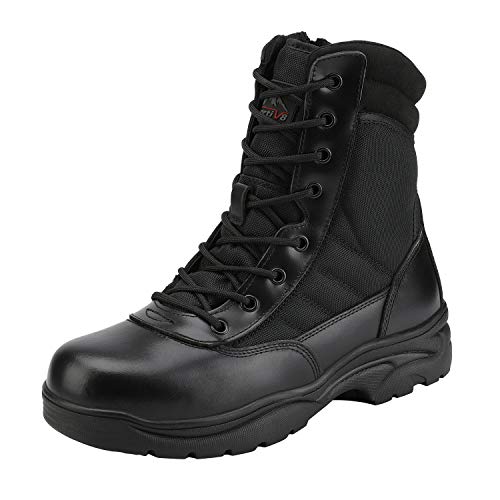
The traditional choice for formal posts, these prioritize a mirror shine, clean lines, and durable leather over ventilation. They fit corporate, courthouse, and front desk duties where appearance is inspected. They run warmer and heavier than mixed material designs. With regular polishing and conditioning, a good pair holds its appearance through years of daily wear.
Care and Maintenance Tips
- Air dry wet boots away from direct heat, and stuff them with newspaper to draw out moisture overnight.
- Rotate two pairs on consecutive shifts so the cushioning foam fully recovers between wears.
- Lace firmly from the bottom eyelets upward to stop heel slip and the blisters it causes.
- Clean and polish leather weekly, since dried out leather cracks and loses its water resistance.
- Replace worn insoles first when comfort fades; it is cheaper than replacing the whole boot.
- Retire boots when the outsole tread wears smooth, because grip on wet floors drops sharply.
Boots for Security Guards: Your Questions Answered
What features matter most in boots for security guards?
Grip, cushioning, and a uniform compliant appearance matter most. Look for a rubber outsole that holds on wet tile, a midsole that still feels supportive at hour ten, and a polishable black upper if your employer inspects footwear. Many guards find the best boots for security guard work are simply the ones matching their post: waterproof for outdoor routes, light and breathable for indoor patrols.
How should security guard boots fit?
They should fit snugly at the heel and midfoot with about a thumb width of space before your toes. Try them on in the evening with work socks, because feet swell during the day and even more during a shift. Walk stairs and crouch before deciding; pressure points that feel minor in the shop become painful by mid shift. Never rely on a long break in period to fix a poor fit.
Can security guards wear the same boots all day?
Yes, a well fitted pair is designed for full shifts, including twelve hour rotations. Comfort over that span depends on cushioning that has not packed down, socks that manage moisture, and a fit that leaves room for natural swelling. If your feet ache badly by the end of every shift, the boots are too small, worn out, or unsuited to your floor type, and swapping insoles or rotating pairs usually helps.
How often should security guards replace their boots?
Most full time guards replace boots every one to two years, depending on mileage and construction. Budget pairs worn daily may feel flat within a year, while quality leather boots rotated with a second pair can last three years. Judge by feel and function rather than the calendar: replace them when tread smooths, support sags, or the upper cracks, because worn boots raise your risk of slips and sore joints.
Do security guards need waterproof boots?
Only guards whose posts take them outdoors in wet weather truly need waterproofing. Rain, puddles, and wet grass will soak plain leather or mesh quickly, and wet feet blister fast on patrol. Indoor guards usually prefer breathable uppers, since waterproof membranes trap heat during long shifts in heated buildings. If your route mixes both, a waterproof pair for winter and a breathable pair for summer covers the year comfortably.
Are expensive security guard boots worth it?
They are worth it for full time guards who wear one pair daily, because better foam, leather, and construction hold comfort and grip far longer. The savings show up over years, not weeks. Part time guards or those still in probation periods often do better starting in the mid range and upgrading once they know their post. Spending more never fixes a bad fit, so sort sizing first and budget second.
The Bottom Line
Start with fit, then match type to your post and budget using the product table above. A mid range pair with real arch support, honest grip, and a uniform ready finish covers most guards well. Chosen that way, the best boots for security guards are the pair you forget you are wearing by the final hour of the shift.