Best Boots for Search and Rescue by Budget: A Practical Guide for 2026
Disclosure: We may earn a commission when you buy through links on this page, at no extra cost to you. As an Amazon Associate I earn from qualifying purchases. Learn more

Compare the best boots for search and rescue at every price point. Learn what you get at budget, midrange, and premium levels and where spending more pays off.
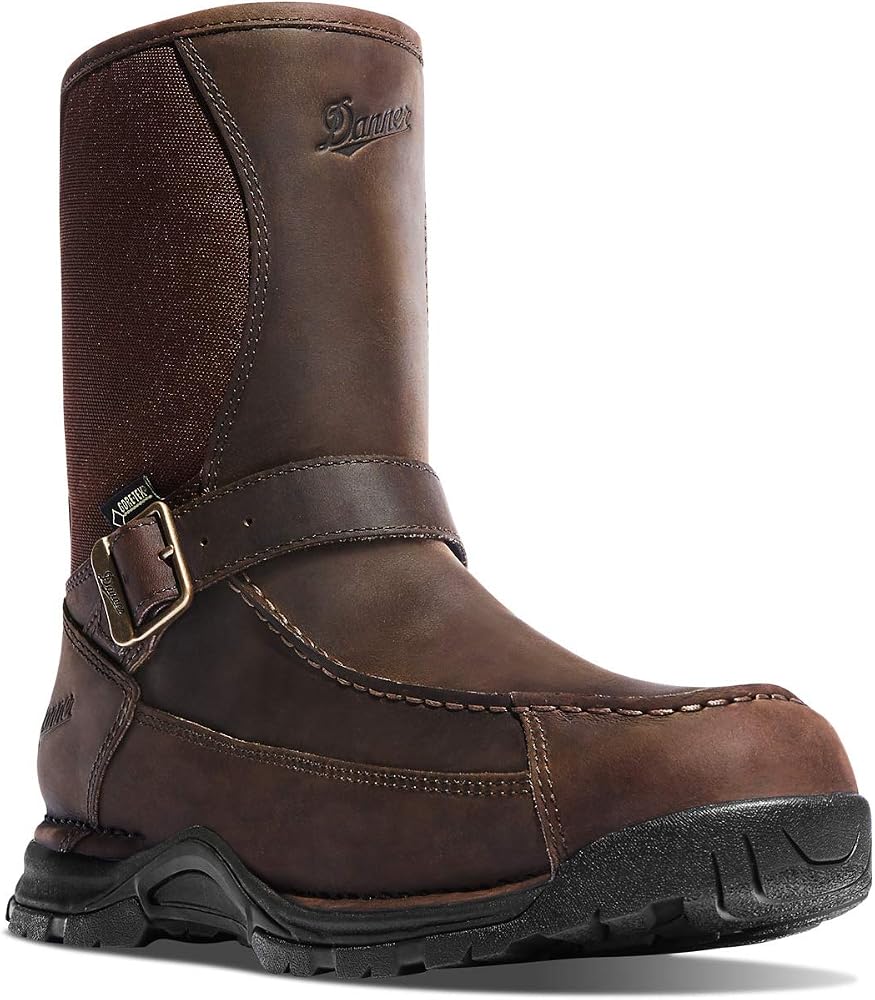
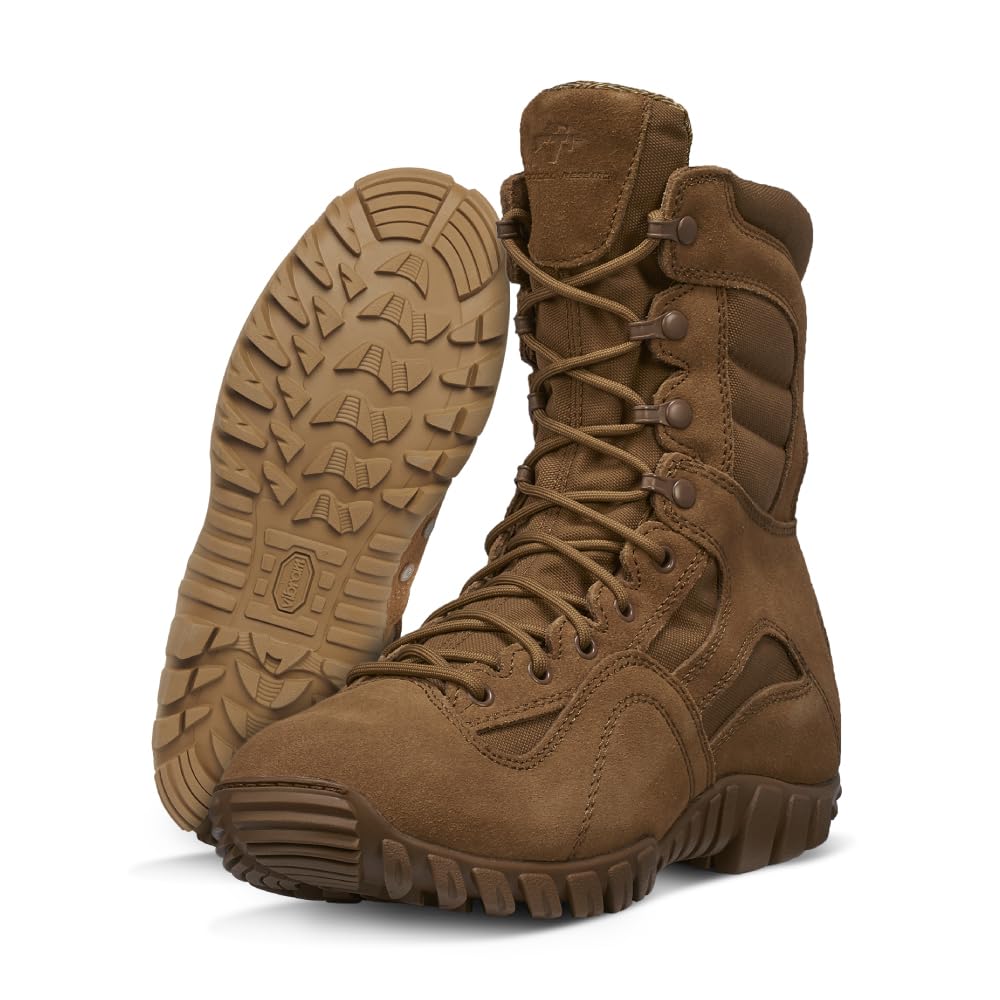
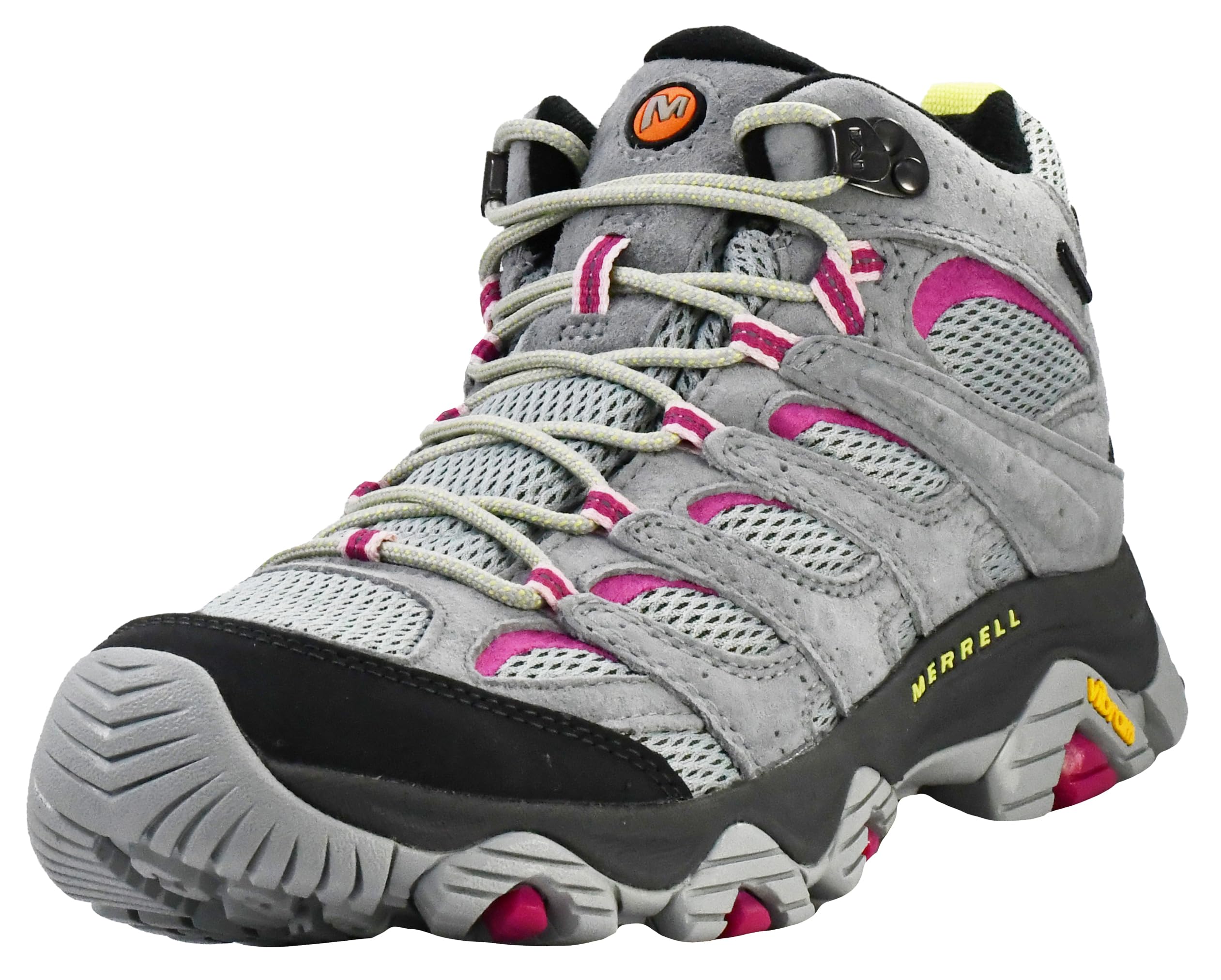
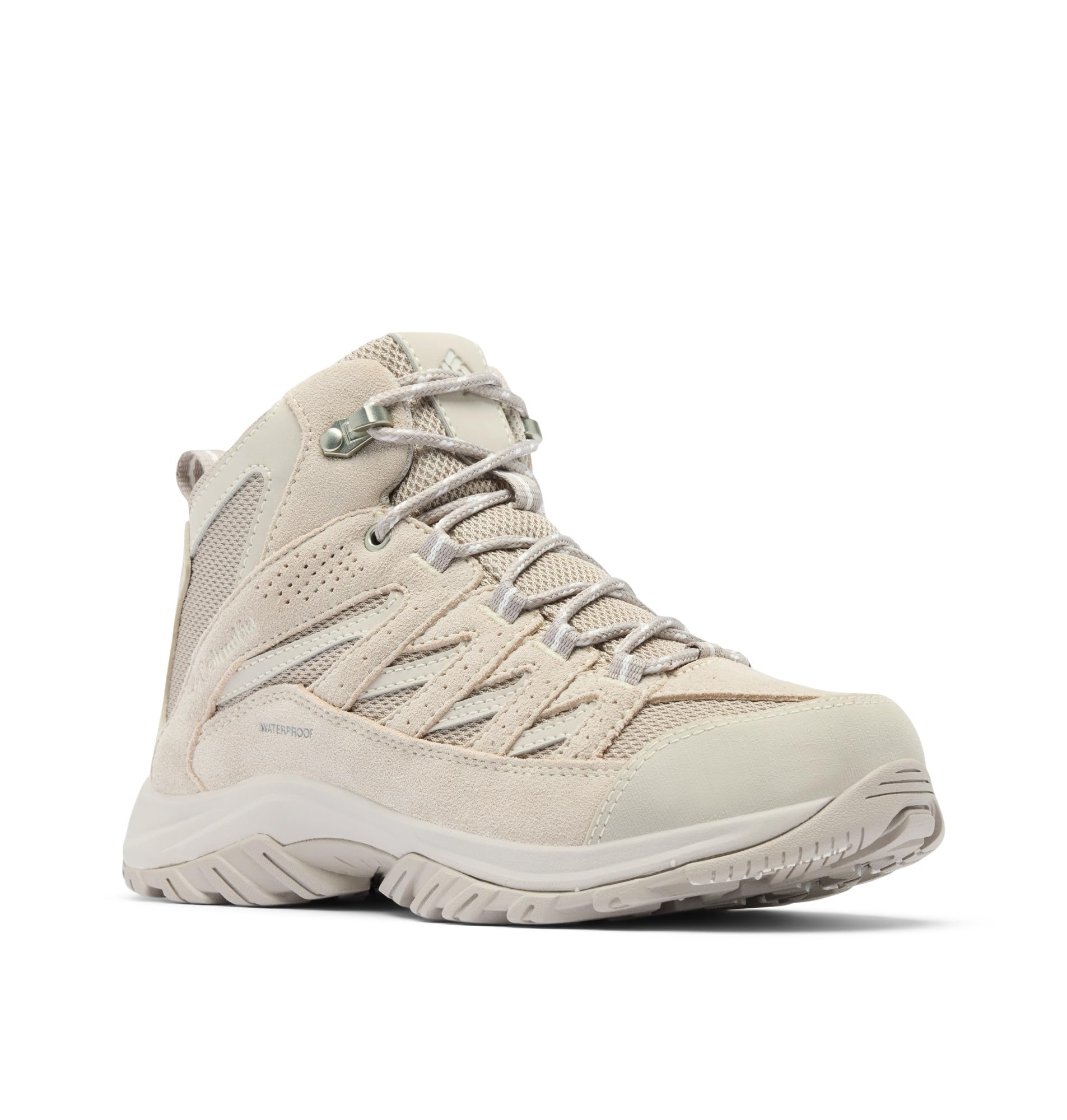
Rescue boots can cost under $100 or well over $300, and the price gap is not always obvious from a product photo. The best boots for search and rescue match your terrain, your load and your call length, not just your budget. This guide shows what each price tier usually adds, so you can use the comparison table below to spend where it counts.
Start with the work you actually do. A woodland search asks for grip and ankle support over roots and mud. A mountain call adds stiffness for steep slopes and heavy packs. Flood work adds drainage and fast drying.




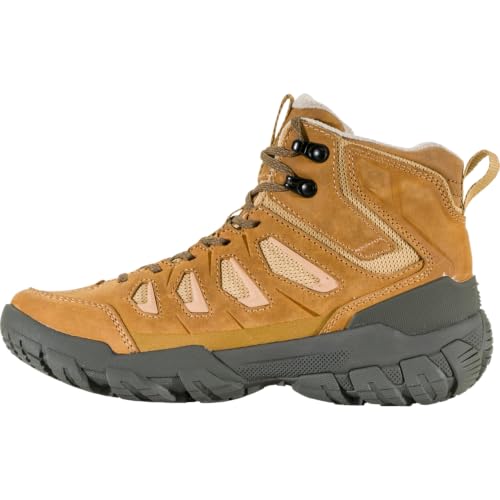
Who Should Buy Which Search and Rescue Boots?
Your role on the team shapes the boot more than brand or color does. Match the boot to your most common call first, then check that it still handles your second most common one.
Volunteer Ground Search Teams on Long Woodland Calls
You may walk grid lines for eight to twelve hours through brush, mud and shallow creeks. Choose a mid height boot with a wide toe box, moderate cushioning and lugs that shed mud instead of holding it. Breathable uppers help in summer heat, while a waterproof liner suits cold, wet forests. Prioritize comfort at hour ten over stiffness.
Mountain and Technical Rescue Members Carrying Heavy Loads
You carry ropes, medical gear and litters over steep, uneven ground where a twisted ankle can become a second rescue. Choose a taller, stiffer boot with strong ankle support, a firm heel counter and a lower heel to toe drop for steady footing under load. Deep lugs and grippy rubber matter on wet rock.
Water, Flood and Urban Disaster Responders
You work in standing water, debris and broken pavement, often for shorter but intense shifts. Choose boots that drain or dry quickly rather than sealed boots that hold water inside for hours. A roomy fit leaves space for neoprene socks in cold water. Look for puncture resistant midsoles where nails and glass are common.
Key Features to Compare
Compare these factors in order, because fit and traction protect you on every call, while extras only help on some. That balance is what separates the best boots for search and rescue from ordinary hiking boots with a taller cuff.
Sizing for Feet That Swell on Long Calls
Feet swell during long calls, so try boots late in the day while wearing your rescue socks. Your longest toe needs about a thumb width of space, and the toe box should let toes spread without pressing the sides. Step downhill to check that toes do not slam the front. Stop and get medical help promptly if you notice numb toes that do not warm up, white or waxy skin, spreading redness around a blister, or pain that changes how you walk, and talk with your clinician about personal foot needs.
Ankle Support and Stability Under a Pack
Stability comes from the whole boot, not height alone. A firm heel counter, a wide outsole base and lacing that locks your heel all reduce roll on side slopes. Softer boots feel kind on flat trails but can feel vague when you carry a litter across a scree field. If your team trains on steep ground, choose the stiffer option.
Outsole Traction for Mud, Rock and Wet Surfaces
Lug shape decides where a boot grips. Wide spaced, deep lugs bite into mud and clear it as you walk, while closer lugs with more rubber contact suit rock slabs and wet pavement. A defined heel breast, the stepped back edge of the heel, helps you brake on steep descents. Hard rubber lasts longer but can feel slick on wet stone.
Waterproof Membranes, Breathability and Drying Time
A Gore Tex or similar membrane keeps creek water and wet brush out, which protects warmth on cold calls. The trade off is slower drying once water comes over the top, and less airflow in summer heat. Non waterproof boots with mesh panels drain fast and feel cooler, but your feet get wet sooner. Many responders own one sealed pair for winter and one breathable pair for summer.
Cushioning, Arch Support and Boot Weight for Long Shifts
Cushioning under the heel and forefoot softens miles on gravel roads and pavement between search areas. Arch support matters most if your feet tire or ache by mid shift, and a removable insole lets you add the support shape your feet prefer. A lighter boot suits flat ground searches, while heavier leather builds earn their weight on rough terrain.
What Each Budget Tier Buys for Rescue Work
Price tiers in rescue boots buy materials and construction more than style. Use the ranges below as planning guides, because sales and sizes move prices often.
Budget Tier: Core Protection for Training and Short Calls
Boots at about $80 to $140 usually give you a synthetic or blended leather upper, basic waterproofing and a molded outsole. They cover training days, short searches and new members still learning their role. Expect faster wear in the lining and lugs, and less ankle support under heavy loads.
Midrange Tier: Stronger Traction, Support and Weather Sealing
Boots at about $140 to $220 are where most volunteer teams get the best value. You typically gain a name brand waterproof membrane, better lug rubber, a sturdier heel counter and uppers that hold their shape for several seasons. Fit ranges also widen at this level, with more wide sizes in stock.
Premium Tier: Stiffer Builds for Heavy Loads and Rough Ground
Boots at about $220 to $350 add full grain leather or advanced synthetic uppers, stiffer midsoles for load carrying and, on some models, resoling options that extend service life. The extra money pays off for mountain teams and frequent responders. It pays off less for occasional flat ground searches, where a midrange boot already covers the terrain.
Ongoing Costs of Keeping Rescue Boots Ready
The boot price is only part of what a season costs you. Plan for quality wool blend socks, replacement laces, insoles that pack down after months of use, and leather conditioner if you choose leather uppers. A resole, where the model allows it, costs far less than a new premium boot.
Common Mistakes to Avoid
- Buying boots in your street shoe size leaves swollen feet cramped and toenails bruised by hour six.
- Choosing fashion height cuffs with soft sides gives little stability and invites a rolled ankle under a pack.
- Wearing brand new boots on a real call turns a long search into a blister problem that can sideline you.
- Picking sealed waterproof boots for summer flood work traps heat and water, so feet stay wet all shift.
- Ignoring worn lugs keeps you searching on smooth rubber that skates on wet roots and rock.
- Storing wet boots in a sealed gear bag grows odor and weakens linings and glues over time.
Care and Maintenance of Search and Rescue Boots
After each call, loosen the laces, pull out the insoles and let the boots air dry at room temperature away from direct heat. Brush dried mud from the uppers and lugs, and rinse salt or flood residue with clean water. Stuffing boots loosely with newspaper pulls moisture from the toe area.
Condition leather uppers when they look dry or light in color, using only the product type the maker allows near waterproof membranes. Check laces, eyelets and seams monthly, and judge replacement by the lugs, not the calendar. When the heel edge rounds over or the midsole feels flat and hard, traction and cushioning are mostly gone.
Frequently Asked Questions
What features matter most in search and rescue boots for long ground searches?
Fit, traction and ankle stability matter most for long ground searches. A boot that fits at hour ten, grips wet roots and holds your heel steady will serve you better than extra padding or style details. Also check that the boot works with your gaiters and snowshoes or crampons if your team uses them, because strap fit changes by outsole shape.
Do search and rescue boots need to be waterproof for flood and river calls?
No, search and rescue boots do not need to be waterproof for flood and river calls. In deep water, sealed boots fill and stay heavy, while draining designs shed water as you step out. Save waterproof pairs for wet brush, snow and shallow creeks. For planned water work, pair draining boots with neoprene socks sized into the fit from the start.
How should search and rescue boots fit when feet swell on long calls?
Search and rescue boots should feel secure at the heel with clear space at the toes when feet swell. A simple field check helps: at a rest stop, untie and retie from the bottom eyelets so the lacing tension resets evenly. If one boot always needs retightening, try a thicker insole on that side before changing sizes, because feet are often slightly different lengths.
Are premium search and rescue boots worth the extra cost for volunteer teams?
Premium search and rescue boots are worth the extra cost only when your calls are frequent, steep or load heavy. Volunteers who respond a few times a year on flat ground rarely wear out a midrange pair. One fair way to decide is cost per call: divide the price by your realistic calls per season, then compare that figure across the tiers you are considering.
How often should search and rescue boots be replaced?
Search and rescue boots should be replaced when safety features fade, not on a fixed schedule. Retire a pair after a torn seam near the sole, a cracked midsole or a liner worn through at the heel, even if the tread still looks deep. Keep a dated note in your gear log each season so wear trends are easy to spot.
The Bottom Line
Choose by role first, fit second and price tier third, and most buying mistakes disappear. Ground teams need comfort over long miles, mountain teams need stiffness under load, and water teams need drainage more than sealing. Compare your short list in the product table above against those needs before you order.
When you choose best boots for search and rescue with that order in mind, your budget works harder on every call. Buy the least expensive tier that truly covers your terrain, and break the boots in during training.