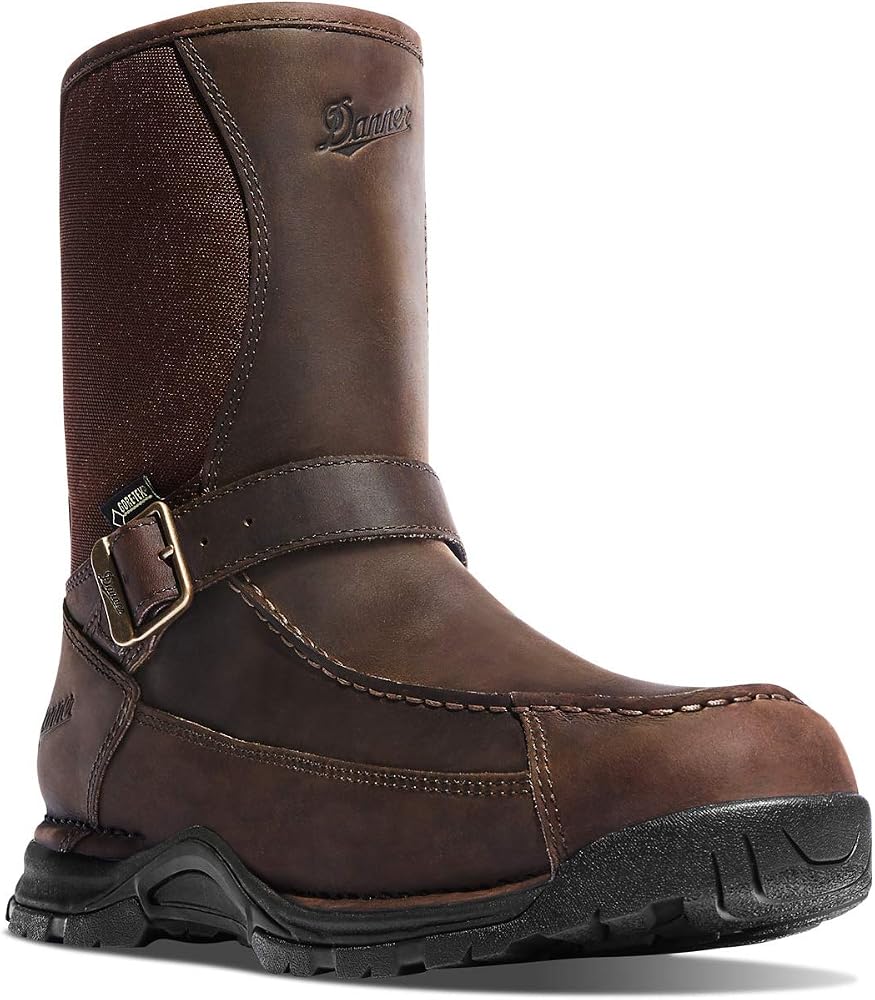
Best Boots for Scotland by Budget: A Practical Spending Guide for 2026
Disclosure: We may earn a commission when you buy through links on this page, at no extra cost to you. As an Amazon Associate I earn from qualifying purchases. Learn more

The best boots for scotland at every budget: what each price tier buys in waterproofing, grip, fit and durability for wet trails and city streets.
Boots for a Scotland trip span a wide price range, from under $100 to around $350 or more, and the price tag alone tells you little about whether a pair suits wet pavements, boggy trails, and changeable hill weather. Spending smart starts with knowing which features Scotland actually demands and which ones you can skip. This guide walks through the best boots for scotland at each budget level, so you can see where extra money genuinely improves comfort and where it mostly buys branding.
Use the comparison table below to scan prices and key specs side by side, then read on for guidance on matching a tier to your itinerary. A city focused trip, a week of lowland walking, and a Munro bagging holiday place very different demands on the same feet, and your budget should follow the hardest walking you realistically plan to do.

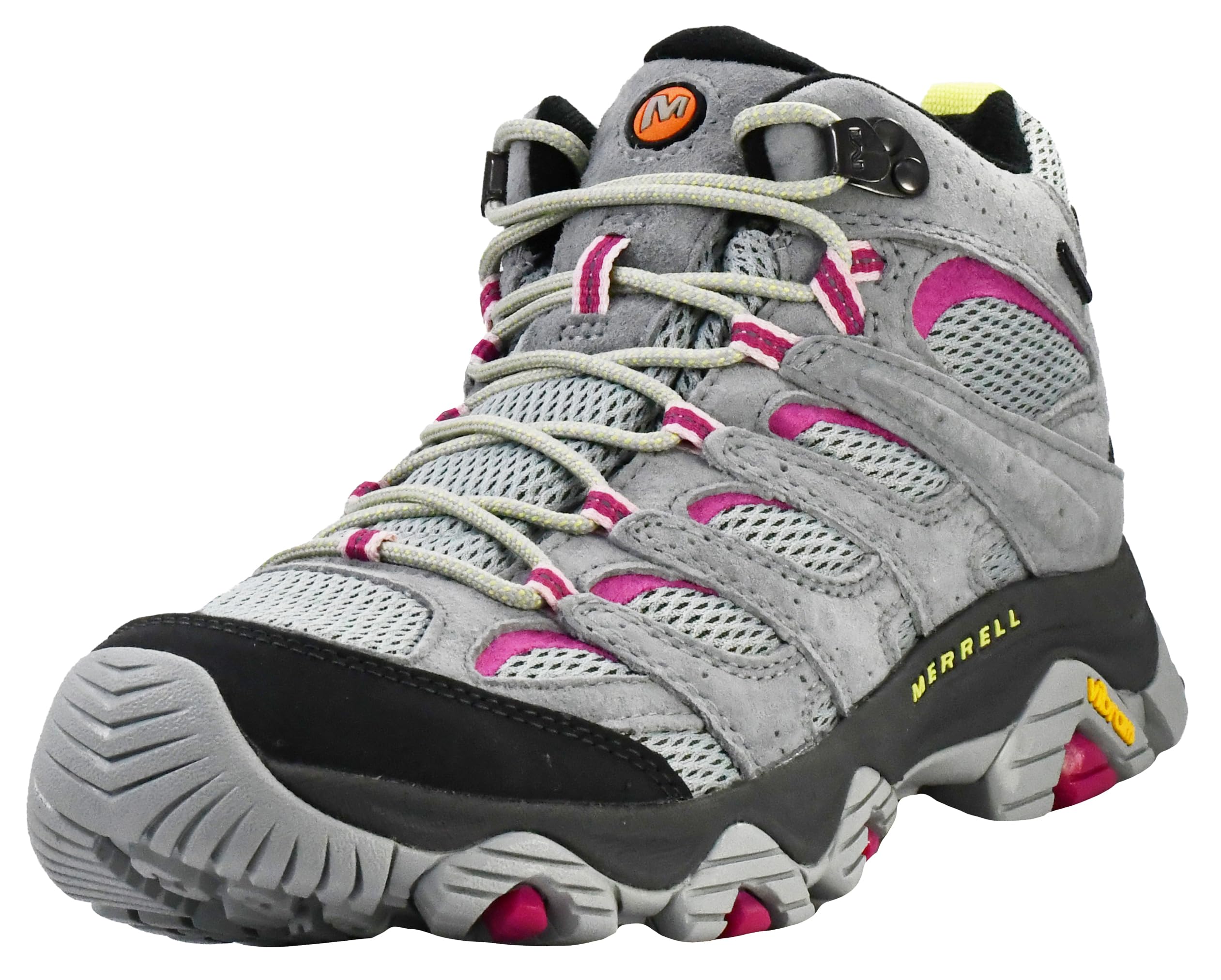


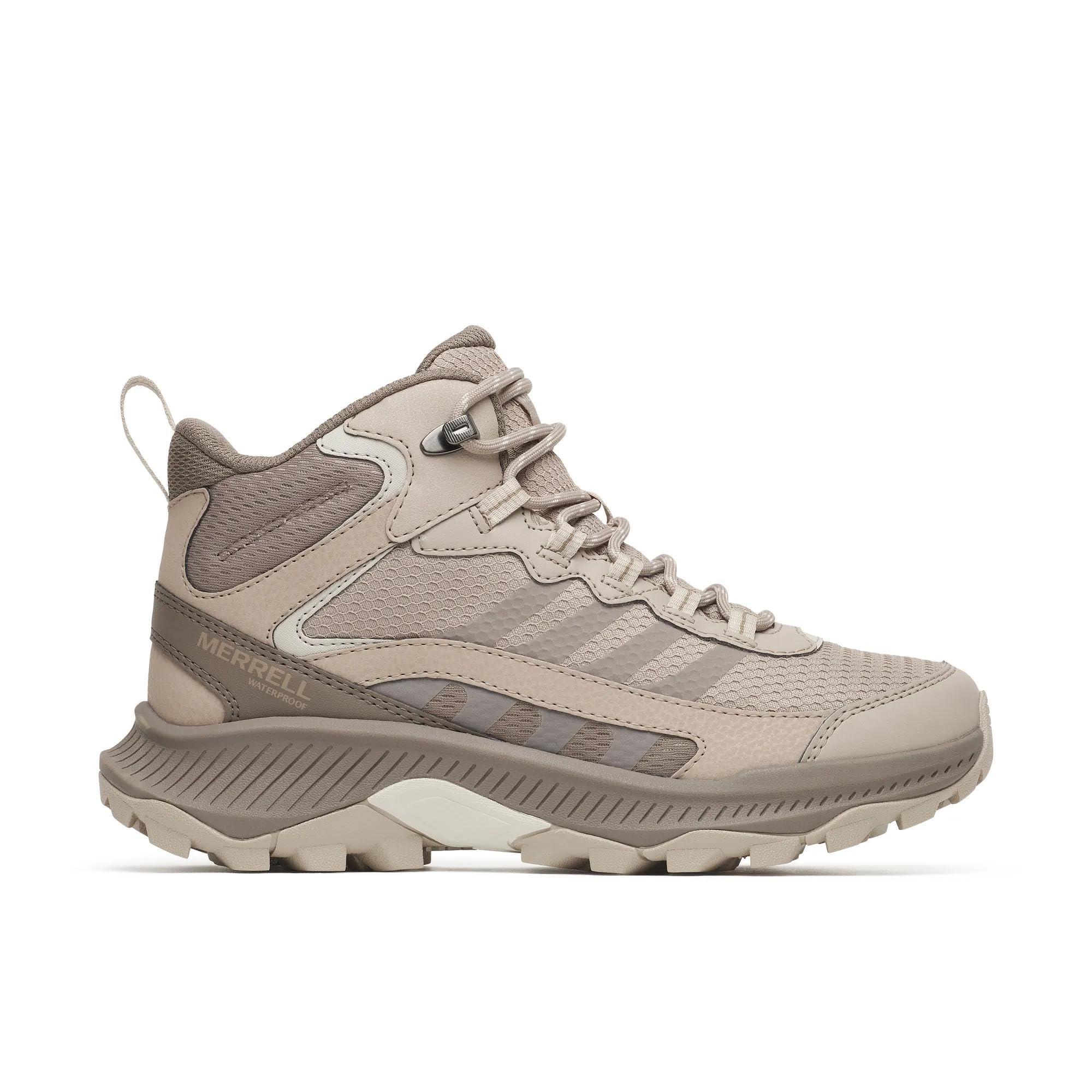
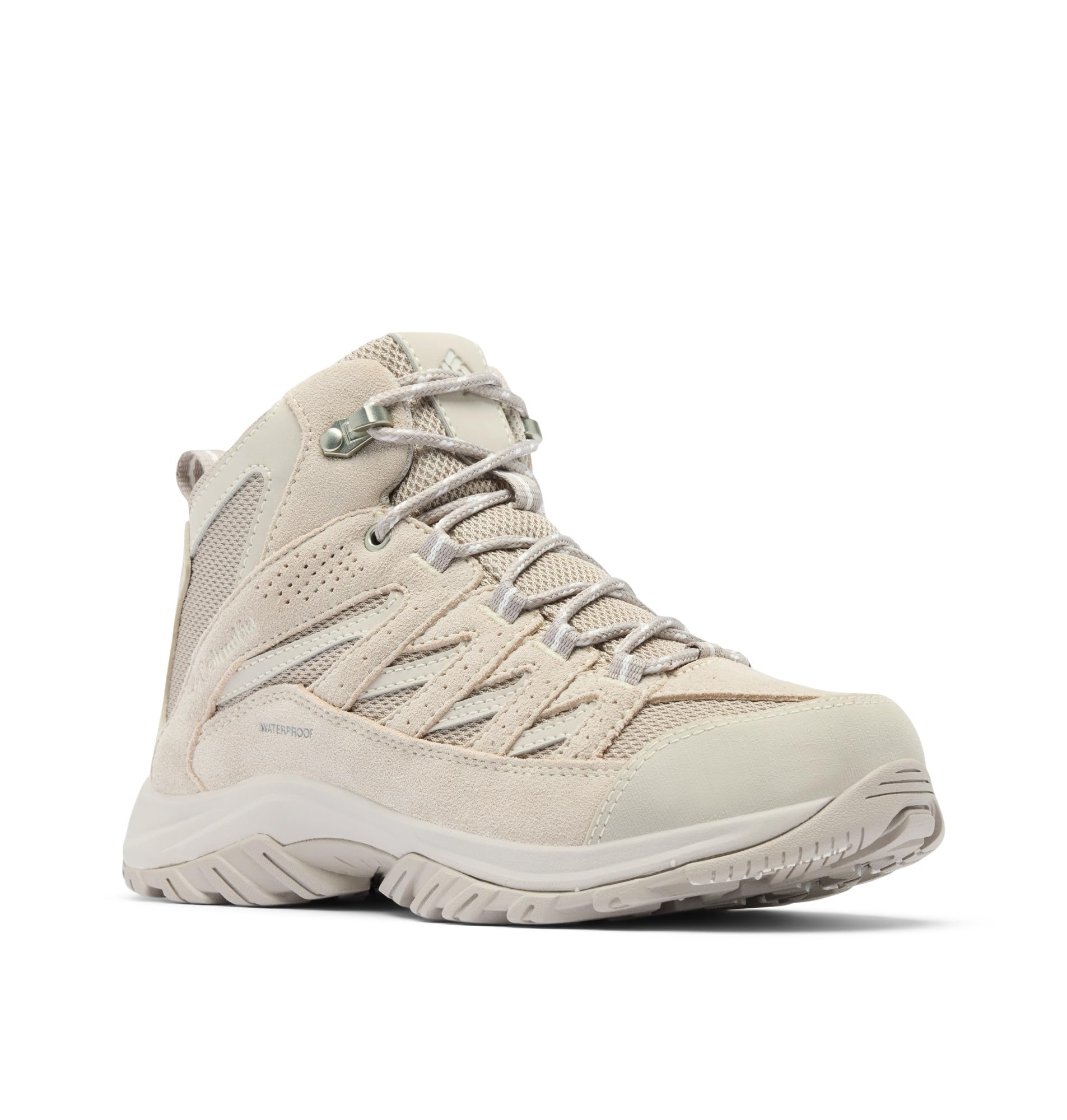

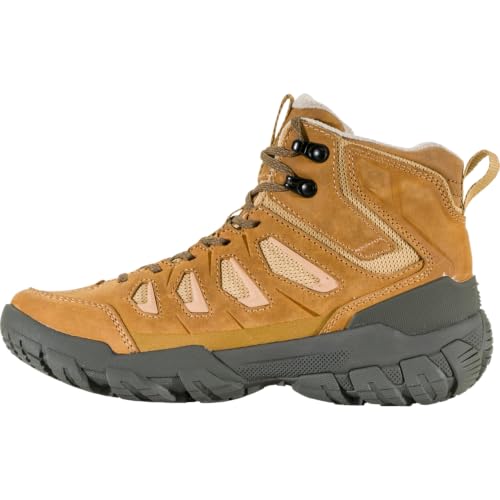
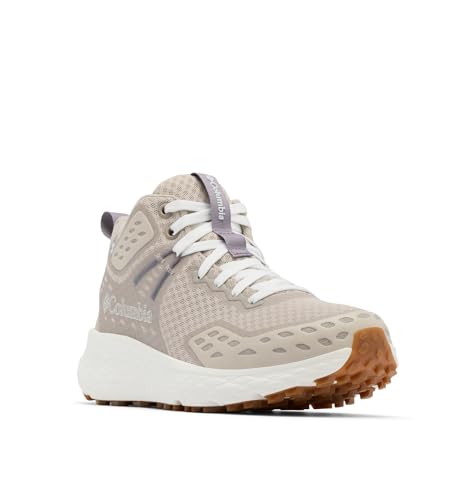

Matching Your Budget to Your Trip
Before you compare tiers, decide what kind of walking fills most of your days. The groups below show how trip style, rather than marketing labels, should set your spending ceiling.
City Breaks and Gentle Lowland Walks
If your Scotland trip centers on Edinburgh or Glasgow sightseeing, castle visits, and short countryside strolls on firm paths, a modest budget goes a long way. You need reliable waterproofing for sudden rain, a cushioned midsole for long days on stone streets, and an outsole that grips wet cobbles without feeling clunky. Ankle height matters less here, and a lighter boot or sturdy shoe style cut often feels better by evening. Save the money you would have spent on mountaineering features and put it toward good wool socks, which transform comfort on damp days.
Hillwalking Days on Rougher Ground
Walkers heading for the Trossachs, the Pentlands, or moderate Highland hills need more boot for their money: stronger ankle support, a stiffer sole for rocky paths, and deeper lugs for mud and wet grass. This is where the midrange earns its keep, because cheaper soles flex too much on uneven ground and tire your feet over a full day. If your trip centers on the hills rather than city streets, see our guide to the best hiking boots for scotland for route focused advice before you settle your budget.
Multi Day Treks and Munro Trips
If you plan back to back days on routes like the West Highland Way, or you intend to climb Munros in unsettled weather, premium construction starts to justify itself. You are paying for durable uppers that survive repeated soaking and drying, a stable platform that protects your feet under a loaded pack, and waterproofing that still works on day five. Fit becomes critical at this level, because a small hotspot on day one becomes a trip ending blister by day three.
What Your Money Gets You at Each Price Tier
Price tiers in this category follow a fairly predictable pattern. The sections below describe what typically changes as you move up, and where the honest trade offs sit, so you can judge the product table above with clear expectations.
Budget Tier: What to Expect
Budget boots, generally under $100, usually pair synthetic uppers with a basic waterproof membrane and a molded rubber outsole. For light use they perform better than their price suggests, especially on paths and pavements. The compromises show up in cushioning that packs down within a season, membranes that wet through during long rainy days, and soles with shallower lugs that feel insecure on steep mud. Treat this tier as a sensible choice for one trip with moderate walking, or for occasional use at home, rather than as a long term workhorse.
Midrange Tier: The Sweet Spot for Most Buyers
Between about $100 and $200, boots gain the upgrades Scotland rewards most: more durable leather or tightly woven synthetic uppers, better waterproof membranes, firmer midsoles with real arch support, and outsoles with deeper, widely spaced lugs that shed mud. Seams are placed more carefully, which reduces leaks and rubbing. For most visitors mixing city days with regular hillwalking, this tier delivers nearly all the comfort and protection of premium boots, and pairs often last several trips. If you buy one pair for a varied itinerary, this is the range to study most closely.
Premium Tier: When Spending More Pays Off
Above about $200, and sometimes around $250 to $350, you pay for full grain leather or advanced synthetic uppers, branded membranes such as Gore Tex, precision fit, and in some models the option to resole the boot after the tread wears down. The gains are real but incremental: better fit around the heel, materials that tolerate years of wet use, and construction that holds its shape under heavy packs. Spending more pays off when you walk in Scotland regularly or your trip involves demanding terrain. For a single gentle holiday, it buys durability you may never use.
Features Worth Paying For (and Ones to Skip)
Not every feature on a spec sheet deserves your money. The factors below are the ones that decide comfort and safety in Scottish conditions, followed by a short note on what you can safely skip.
Features That Matter for Scotland
Scotland means rain at any season, ground that stays saturated for weeks, and paths that cross peat bog, wet rock, and grassy slopes in a single outing. A waterproof breathable membrane is close to essential, because ordinary water resistant coatings fail within an hour of steady rain. Look for a gusseted tongue that keeps debris and water out at the laces, and a rand, the rubber band around the base of the upper, which protects against rock scrapes and puddle soak. Ankle support and general stability matter on tussocky ground, where a rolled ankle ends a holiday faster than wet feet do.
Fit, Sizing, and Toe Box
Fit decides more about your trip than any membrane. Measure your feet in the afternoon, when they are at their largest, and try boots on with the socks you will actually walk in. You want a thumb width of space in front of your longest toe, a toe box wide enough for your toes to spread on descents, and a heel that stays planted without lifting. Feet swell during long walking days, so a fit that feels merely snug in the shop often feels tight by mile eight. If you fall between sizes, choose the larger one and adjust volume with an insole.
Durability and Expected Lifespan
A solid midrange or premium boot typically covers about 500 to 800 miles before the outsole or midsole gives out, while budget pairs may feel tired after 300 miles or so. Leather uppers generally outlast thin synthetics in wet climates because they tolerate repeated soaking without cracking, provided you dry and condition them properly. Single piece leather designs have fewer seams to leak or split. Judge durability by construction, not weight alone: a light boot with a well bonded sole can outlast a heavy boot with stitched panels that separate once the thread rots in damp storage.
Outsole Traction and Terrain
Traction is where Scotland punishes the wrong purchase. Look for lugs about 4 to 6 mm deep, spaced widely enough that mud falls out instead of packing into a smooth layer. Softer rubber compounds grip wet rock better but wear faster, while harder compounds last longer and feel skittish on polished stone. A defined heel breast, the angled edge at the back of the heel, helps you brake on steep grassy descents. Big name outsole brands such as Vibram are a useful sign of tested rubber, yet lug pattern and spacing matter more than the logo stamped in the arch.
Features You Can Usually Skip
Some features add cost without helping a typical Scotland itinerary. Heavy insulation aimed at deep winter is too warm for most of the year and slows drying when boots get wet. Extremely stiff mountaineering soles, built for crampons, make ordinary walking tiring unless you genuinely plan winter ascents. Fashion finishes, decorative stitching, and bright color panels add nothing on the hill. Finally, treat tall marketing claims about neutral shoes versus stability shoes with care in a boot context: what matters is whether the boot's support matches your own arch and walking style, which only a proper fitting reveals.
Long Term Costs to Factor In
The purchase price is only part of what the best boots for scotland will cost you over their life. Waterproof membranes need periodic reproofing with a spray or wax treatment, usually a few dollars per application, and leather boots need conditioner to stay supple. Replacement insoles, around $30 to $50, restore cushioning and arch support long before the boot itself wears out, and spare laces are cheap insurance. Quality merino socks cost more upfront but protect both your feet and the boot lining. Premium boots that can be resoled spread their cost over more years, which can make their total cost of ownership lower than two budget pairs bought back to back.
How to Make Your Boots Last Longer
Scotland is hard on boots, so care habits decide whether a pair lasts one trip or five. After each wet day, pull out the insoles, loosen the laces fully, and stuff the boots with newspaper to draw out moisture, replacing the paper after a few hours. Dry them at room temperature away from radiators and fires, because direct heat cracks leather and weakens sole glue. Brush off mud before it dries into the seams, and rinse salt and grit from the outsole. Store boots upright in a dry place, never sealed in a plastic bag while still damp, since trapped moisture grows mildew and rots stitching.
Frequently Asked Questions
What features matter most in boots for a Scotland walking trip?
Waterproofing, grip, and fit matter most, in that order. A breathable waterproof membrane keeps feet comfortable through hours of rain, deep lugs hold on wet grass and mud, and a secure fit prevents blisters on long descents. One point often missed is the height of the waterproof lining at the ankle: on boggy ground, water enters over the top of low cut boots no matter how good the membrane is, so match boot height to the wettest ground you expect.
How often should you replace walking boots used in Scotland?
Replace your boots when the tread no longer grips on wet slopes, the midsole feels flat and unresponsive, or the upper leaks despite reproofing. A practical early warning sign is new aches in your knees or shins on familiar walks, which often means the cushioning has died before the boot looks worn. Boots stored damp between trips age faster, so a pair used one week a year can still fail from rot and glue breakdown rather than mileage.
Are expensive boots for Scotland worth the extra money?
Expensive boots are worth it if you walk often, carry a heavy pack, or tackle rough Highland terrain, because fit, durability, and resoling options repay the cost over years. For a single trip of city sightseeing and gentle paths, the premium buys little you will notice. One useful test is cost per walking day: a premium pair used for forty days can work out cheaper per day than a budget pair that disappoints after ten, even before comfort enters the calculation.
Do boots for a Scotland trip need to be waterproof?
Yes, for almost every itinerary, boots for a Scotland trip should be waterproof. Rain falls in every month, trails cross boggy ground, and even city pavements pool with water. The one exception is a summer trip built around dry lowland paths, where a breathable non waterproof boot dries faster after an unexpected soaking. If you choose that route, pack spare socks and accept wet feet on rainy days as the trade off for cooler, quicker drying footwear.
Can you wear Scotland walking boots all day on a trip?
Yes, you can wear them all day comfortably once they are broken in and correctly fitted, and many travelers do exactly that to save luggage space. Alternate with lighter shoes in the evening if your accommodation allows it, because giving feet and boots a rest reduces odor and lets the lining dry fully. If you wear them on the flight, loosen the laces during the journey, since feet swell at altitude and a tight boot becomes uncomfortable quickly.
How long is the break in period for new walking boots?
Most modern boots need about one to two weeks of gradual wear before a big trip, starting with short walks around home and building to a full day out. Stiff leather models can take longer, sometimes three weeks or more. A useful trick is to wear new boots indoors for an evening first: if a pressure point appears on carpet, it will only grow worse on a hillside, and returning an unworn pair is far easier than exchanging one covered in mud.
Final Thoughts
Set your budget by your itinerary, not by the highest price you can stretch to. City and lowland trips thrive in the budget and lower midrange tiers, hillwalkers get the best value in the midrange, and regular Highland walkers can justify premium construction. Whichever tier you choose from the product table above, prioritize waterproofing, an outsole that sheds mud, and a fit with room for swollen feet. Choose the best boots for scotland for the walking you will actually do, break them in before you travel, and they will carry you comfortably through whatever weather Scotland sends your way.