
Best Boots for Scandinavian Winter 2026: What Your Money Really Gets You at Every Price
Disclosure: We may earn a commission when you buy through links on this page, at no extra cost to you. As an Amazon Associate I earn from qualifying purchases. Learn more

Learn how to choose Scandinavian winter boots by price tier, insulation, traction on ice and room for thick socks, without paying for extras you will not use.
Prices vary widely, and a higher price does not always mean warmer feet. When you choose the best boots for scandinavian winter, you pay for insulation that works in deep cold, traction on ice, and protection from slush. This guide shows what each price tier usually delivers, so you can spend where it matters. Compare the main types in the comparison table below.
A Scandinavian winter also mixes cleared city pavements, long waits in cold wind, and soft snow near homes and cabins. Boots that suit only one of those moments often disappoint in the others, so fit and sole design deserve as much attention as warmth.
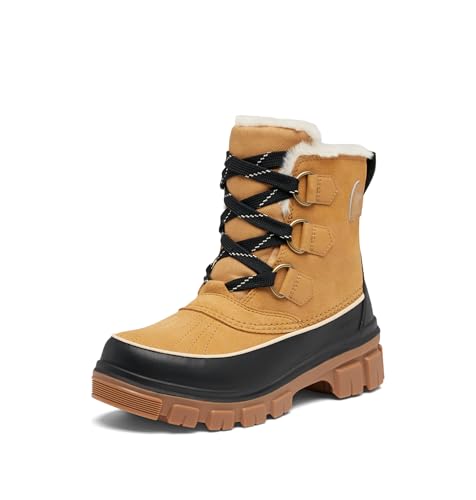


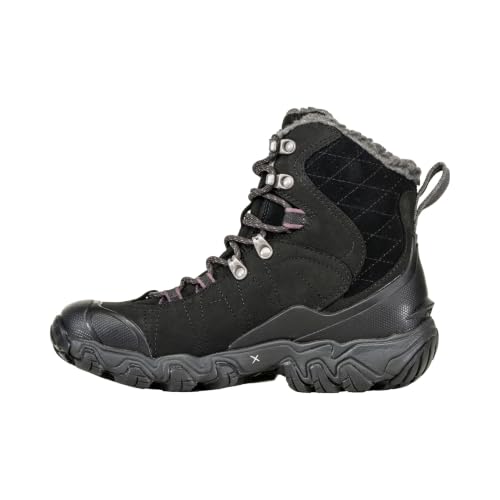
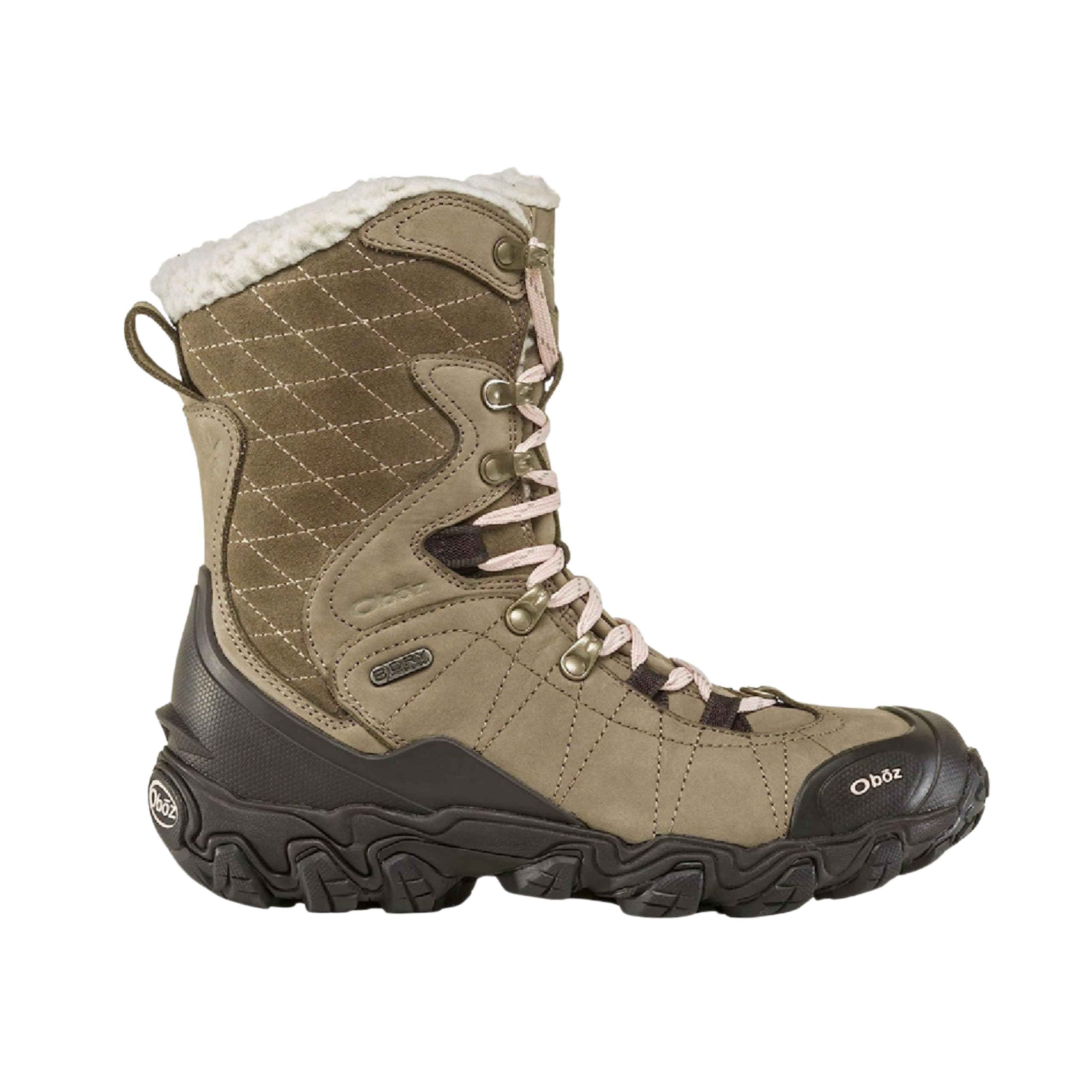
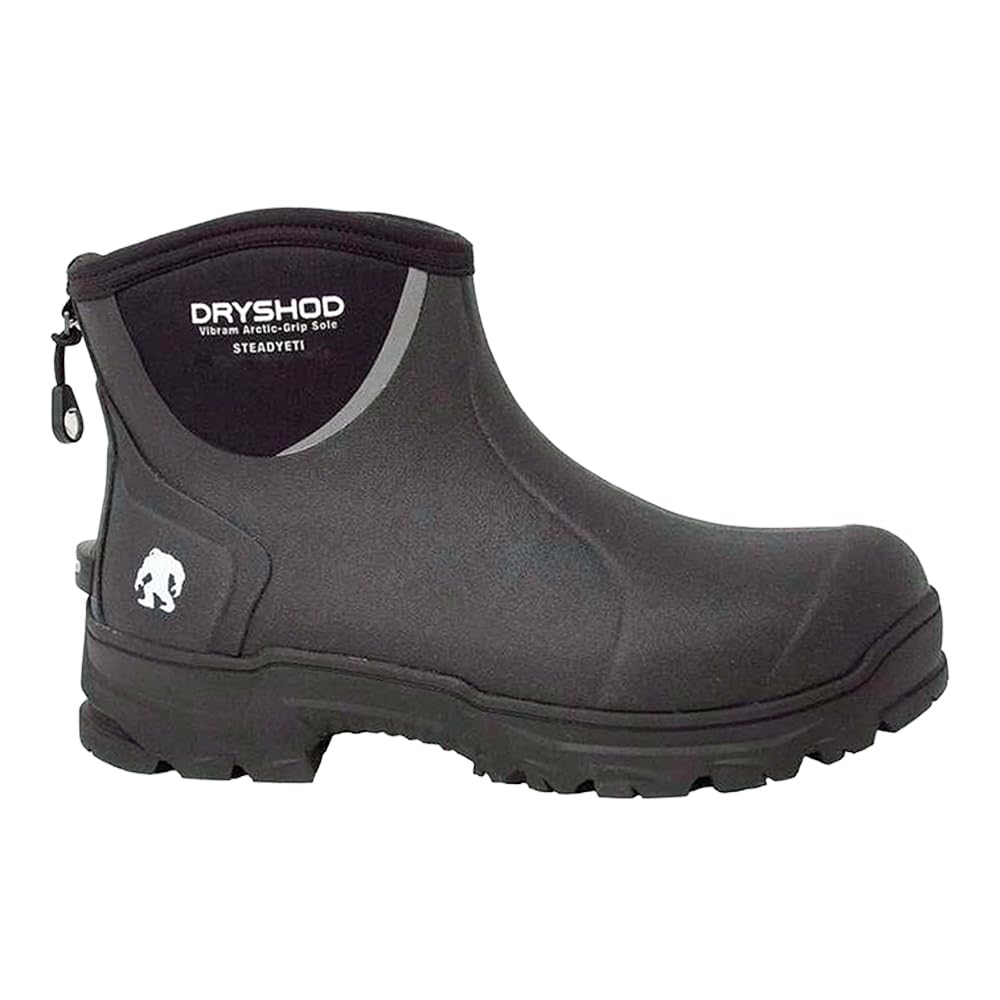

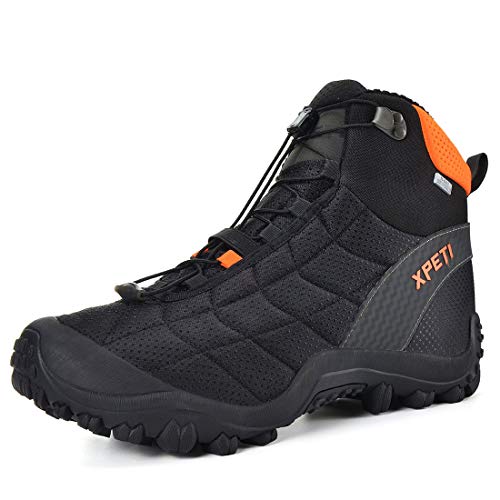
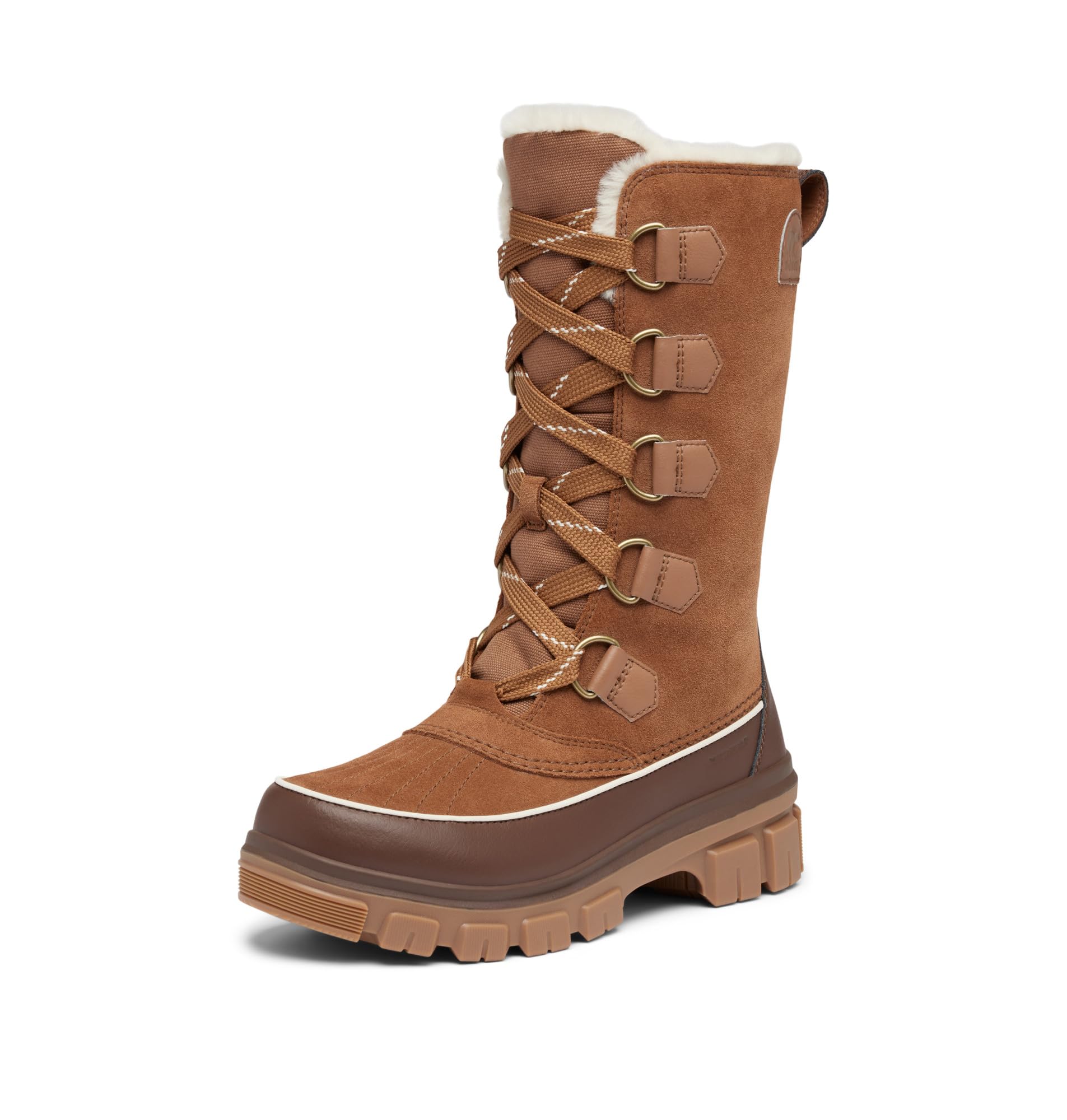

Who Should Buy Boots for a Scandinavian Winter
Your daily routine should decide shaft height, insulation level, and sole design. The three groups below cover the most common Nordic patterns.
City Commuters Facing Slush and Ice
You walk on cleared pavements, cross wet crossings, and step through slush near stations. A mid height waterproof boot keeps melt water out while fitting under everyday pants. Choose a sole with many small edges for smooth ice rather than deep lugs for loose trails. If your winters are milder, see our guide to the best winter boots for broader everyday options.
Rural and Cabin Users in Deep Snow
You walk unplowed paths, fetch wood, and spend longer stretches outdoors. A taller shaft helps keep snow from entering over the top, especially under a gaiter. Choose stronger insulation, a stiffer sole for uneven frozen ground, and clear room for a thick wool sock. A sleek city profile matters far less for you than lasting warmth.
Active Walkers Covering Long Distances in Cold
You walk dogs, hike winter trails, or explore snowy streets for hours and generate heat as you move. You need insulation that stays warm during pauses and a breathable lining that lets moisture escape while you are active. Moderate weight reduces fatigue over distance. Readers comparing women specific lasts can also see our guide to the best ladies winter boots for narrower heel fit notes.
What Each Price Tier Delivers in Nordic Cold
Tiers differ mainly in insulation quality, membrane durability, and how long sole rubber stays flexible in cold. The tiers below use typical United States prices and describe types, not individual models.
Entry Tier: Basic Warmth for Short City Trips
Boots at around $80 to $140 usually give a basic insulated lining, a sealed upper for slush, and a simple sole for cleared pavements. They suit short walks, but the lining feels thinner during long waits outdoors and the rubber may stiffen sooner in deep cold. Choose this tier only if your time outside stays brief and you can dry the boots fully between uses.
Middle Tier: Lasting Warmth for Daily Winter Use
Boots at about $140 to $230 usually add denser insulation, a more durable waterproof membrane such as Gore Tex, and rubber that stays flexible at lower temperatures. Fit often gives a secure heel with room in the toe box. When you shop for best boots for scandinavian winter in this range, you gain the best balance of warmth, grip, and service life for daily use.
Upper Tier: Extended Cold and Heavy Snow Use
Boots at about $230 to $350 focus on prolonged exposure, with thicker insulation and robust soles for ice and packed snow. Materials resist repeated wetting and drying better, and some types allow liner replacement. This tier pays off if you work outdoors, travel far north, or keep one pair for many seasons.
Key Features to Compare
Compare these factors in order.
Insulation and Temperature Performance in Deep Cold
Insulation traps warm air around your foot, and its value depends on thickness and how active you are. A liner that compresses quickly under your weight loses warmth at the sole. Very warm boots can feel too hot indoors or on a train, so match the level to your longest cold exposure rather than the coldest night of the year. People who stand still outdoors need more insulation than active walkers who keep moving and generate heat.
Waterproof Protection for Slush and Wet Snow
Waterproof boots use a membrane inside the upper and sealed seams to stop melt water reaching your socks. A membrane such as Gore Tex also lets some vapor escape, which helps when you move between cold streets and heated buildings. Check the height of the internal waterproof layer, because low seams can let water in at puddle depth. Daily slush commuters should value this highly, while dry inland users can accept treated leather with fewer sealed seams.
Traction on Ice and Packed Snow
Traction comes from rubber that stays soft in cold, grooves that clear snow, and biting edges that contact ice. Deep lugs help in loose snow but can feel unstable on smooth stone, so a mixed pattern suits city and trail use. Some soles include harder particles for extra bite on ice, though they cannot replace separate ice cleats on polished ice.
Sizing With Heavy Wool Socks in Deep Cold
Measure your feet in the evening while wearing your planned socks, because feet expand slightly during the day. Your toes should move freely in the toe box without pressing the front on downhill steps, and your heel should stay settled. A fit that feels snug in thin socks will feel tight and cold in thick wool, since pressure reduces circulation. Readers comparing men specific sizing can also see our guide to the best boots men winter for width notes.
Cushioning, Arch Support, and Stability on Frozen Ground
Cushioning softens impact on hard frozen pavements, while arch support helps your foot stay aligned on long walks. A stable boot resists rolling on uneven ice ridges, and a moderate heel to toe drop keeps your stride natural. Removable insoles let you add a warmer option if the supplied one feels thin. Choose a firmer midsole for lasting support, and lighter flexible types for flat cleared ground.
Ownership Costs Across a Long Nordic Winter
Budget beyond the purchase price for spare wool socks, replacement laces, and a warmer insole if the supplied one proves too thin. Removable liners can extend the life of upper tier boots, but a replacement must match the exact boot shape. A middle priced boot lasting four seasons often costs less per winter than a cheap pair replaced yearly.
Common Mistakes to Avoid
- Buying boots that fit in thin socks, so thick winter socks compress your toes and make your feet feel colder.
- Choosing deep trail lugs for polished city ice, so the sole contacts the surface in fewer places and slips more easily.
- Paying for extreme insulation for short city trips, so your feet overheat indoors and sweat makes them damp later.
- Ignoring shaft height before deep snow, so snow enters over the top and melts inside the boot.
- Drying wet boots on a hot radiator, so leather cracks and sole adhesives weaken early.
- Assuming a waterproof label means the whole shaft is sealed, so water enters through low seams in deep slush.
Care and Maintenance for Winter Boots
Remove insoles and removable liners after wet use and dry the boots at room temperature away from direct heat. Brush off salt and grit once dry, then wipe salt marks with a damp cloth so residue does not dry out leather. Condition leather only when it looks dry, renew outer water shedding treatment when water stops beading, and store boots upright with shafts open.
Frequently Asked Questions
What features matter most in boots for a Scandinavian winter during long waits outdoors?
Insulation under the foot and a windproof shaft matter most when you stand still, because you generate little heat while waiting. Choose a thick insole and a lining that covers the ankle fully. Also check whether the tongue is joined to the upper, since a joined tongue blocks cold air at the front. This small detail changes comfort at bus stops.
How should boots for a Scandinavian winter fit for downhill walks?
Boots for a Scandinavian winter should hold the heel firmly while leaving clear space in front of your longest toe. On a slope your foot slides forward, so that space prevents bruised toes. Test the fit on a ramp or stairs in the shop if possible. Lacing the ankle more firmly for descents, then loosening it on flat ground, gives control without cutting circulation during the rest of the walk.
Do boots for a Scandinavian winter need to be waterproof for dry inland cold?
Not every inland user needs a full membrane, because dry powder snow in very cold air melts slowly on a cold upper. Treated leather can work there if you brush snow off before entering a warm room. Consider travel as well, since a coastal city trip brings wet slush that will soak an untreated upper quickly.
Are expensive boots for a Scandinavian winter worth it for one winter trip?
For a single short trip, an upper tier boot is rarely worth the full cost unless you expect severe cold or long days outdoors. A middle tier type with good socks usually covers a city break and a guided snow excursion. Consider renting heavy boots at your destination for one specialized activity, such as a long snowmobile tour, rather than buying the warmest type you will seldom wear again at home.
How long is the break in period for boots for a Scandinavian winter?
Most modern insulated boots feel comfortable within a few short walks, though stiffer leather types may need about one to two weeks of regular use. Wear them indoors first, then on brief outdoor trips, so you can spot rubbing before a long day. Start during a mild week if you can, so you can adjust lacing and socks gradually before the coldest weather arrives.
Wrapping Up
Focus first on fit with thick socks, traction for your usual surface, and insulation matched to how long you stay still in cold air. Those choices matter more than paying for the highest tier by default. When you compare the best boots for scandinavian winter for your routine, use the product table above to check how each type balances warmth, grip, and price.


