Best Boots for Sand 2026: Every Type Explained Side by Side
Disclosure: We may earn a commission when you buy through links on this page, at no extra cost to you. As an Amazon Associate I earn from qualifying purchases. Learn more

Learn how to choose boots for sand, from sealed collars and wide tread to fit and breathability, for beach, dune and desert walking on soft ground.
Choosing the best boots for sand feels confusing because most boots are built for firm trails, not ground that shifts under every step. Sand works past loose collars, packs into narrow tread, and turns a short beach walk into hard work for your calves. This guide compares boot types side by side.
You will learn which collar height keeps grit out, which tread spreads your weight, and when a waterproof lining helps or hurts. Then use the comparison table below to narrow your shortlist.




Who Should Buy Boots for Sand?
Soft ground rewards a different boot from the one you would pick for rock or pavement, and the three groups below show why.
Beach Walkers and Coastal Hikers
You walk packed shorelines, cross loose dry patches and step through shallow wash. A mid height boot with a padded collar suits you because it seals the ankle without the bulk of a tall shaft. Pick an upper you can rinse clean after salt exposure. For short strolls in open footwear, see our guide to the best sandals for sand.
Desert and Dune Trekkers
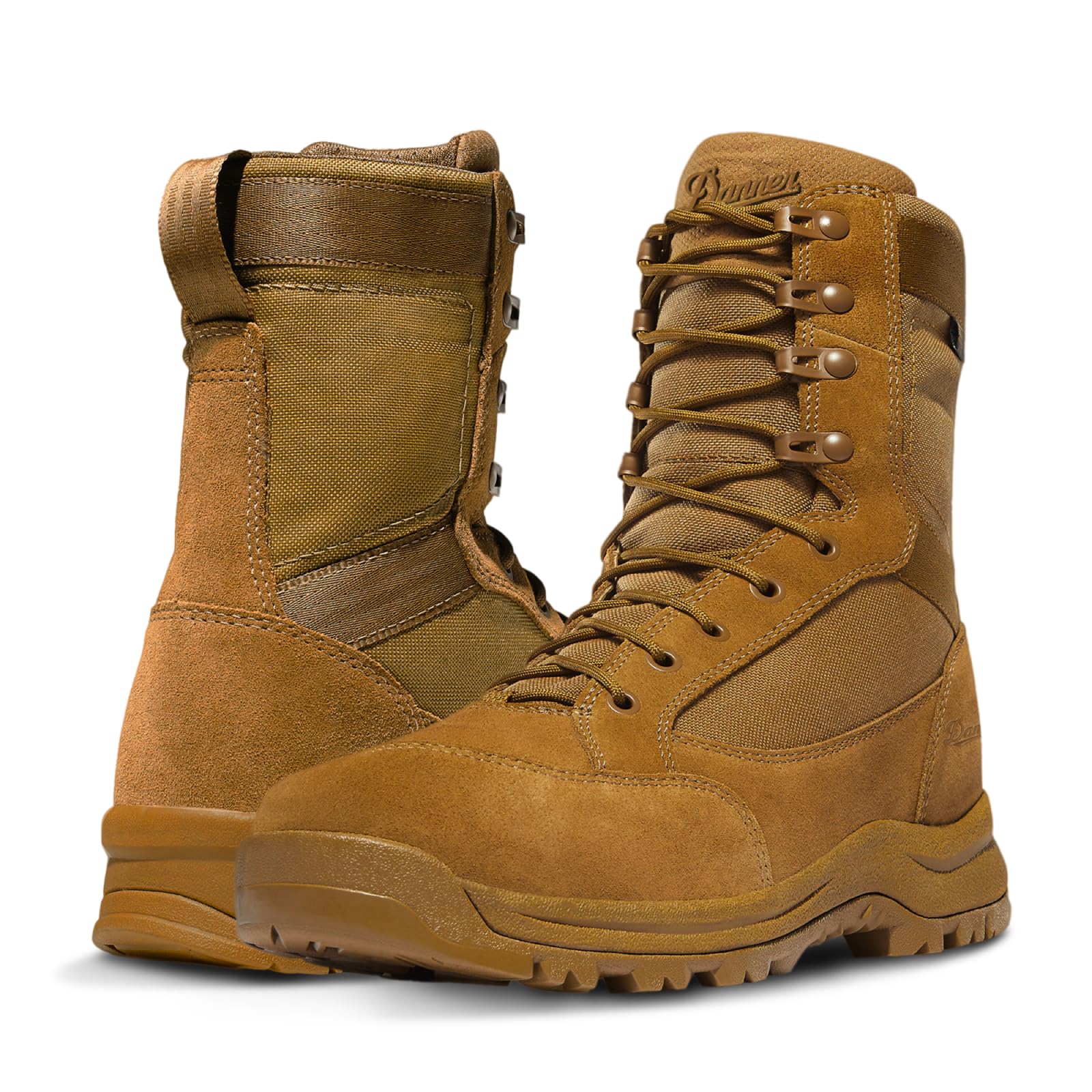
You climb slopes that slide backward and cover long distances in heat where fine grit gets into everything. A taller boot with a gusseted tongue and a gaiter attachment point protects you best, because loose sand pours over low collars within minutes. Breathability matters more than waterproofing here, since sweat soaked socks blister faster in hot dunes.
People Who Work Outdoors on Sandy Ground
You spend full shifts on beaches, sand lots, or coastal job sites, standing and walking on uneven soft surfaces. Stability and cushioning decide how your legs feel at the end of the day, so a firmer midsole and a broad outsole base serve you better than a soft flexible shoe.
Types of Boots for Sand Compared
Boot types for sand differ mainly in how they block grit, spread your weight, and handle water. Prices run about $70 to $200 depending on height and lining.
Tall Boots With Sealed Collars for Loose Dry Sand
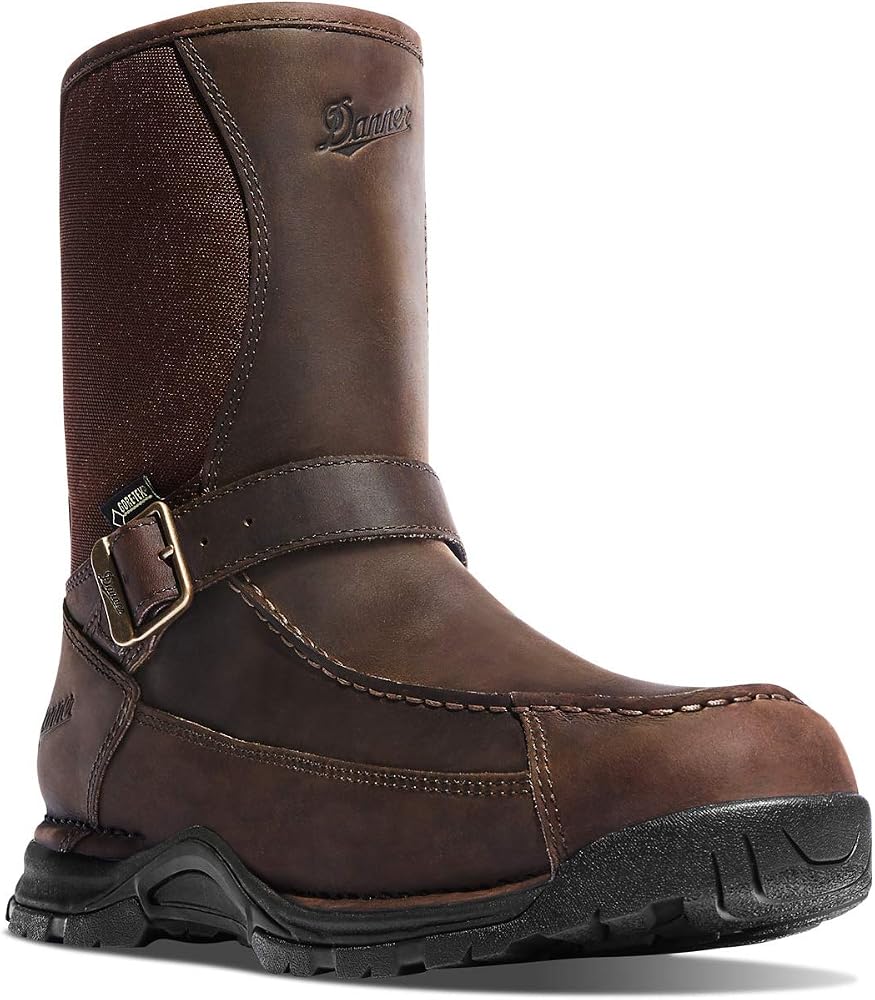
These boots rise well above the ankle and close snugly at the top, with a tongue attached along both sides. That sealed opening is the main defense against fine dry sand, which otherwise funnels straight to your toes. They suit dune fields and desert trails where grit is deep and constant. The trade off is warmth and slower drying in summer.
Low and Mid Boots Worn With Gaiters on Mixed Routes
A shorter boot paired with a separate gaiter gives you a removable sand barrier. You wear the gaiter on loose stretches and remove it on firm ground. This setup suits mixed routes of packed shoreline, shell, and short soft patches. Check for a front hook for the gaiter strap, because improvised attachments slip and let grit in at the heel.
Waterproof Boots for Wet Sand and Shoreline Work
Waterproof boots use a membrane such as Gore Tex to keep tidal wash and wet sand moisture out. They make sense when you cross streams, work the waterline, or walk cold beaches where wet feet chill fast. The cost is slower drying once water enters over the top.
Lightweight Breathable Boots for Hot Dry Sand
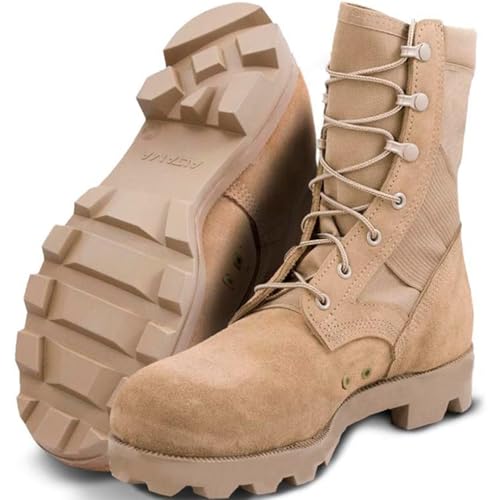
These boots use open mesh panels and no waterproof membrane, so air moves through and sweat escapes. They are the coolest choice for hot beaches and summer dunes. Fine mesh still slows loose sand compared with an open shoe, though the tiniest grit can pass through coarse weaves, so choose a tight weave for powder fine sand.
Key Features to Compare
Once you know your type, compare the details below. Together they explain why the best boots for sand feel steady and clean inside while a regular hiking boot fills with grit and drags.
Collar Height and Gusseted Tongues That Keep Sand Out
Sand enters a boot from the top far more than through the fabric. A collar that closes firmly around your ankle or calf, with no gap at the back when you flex, blocks most of it. A gusseted tongue attaches along both edges, so grit that reaches the laces cannot fall straight onto your foot. Test the seal at home by pointing your toes, since a gap then means a gap on every slope.
Outsole Tread That Spreads Weight on Soft Ground
On sand, wide flat lugs with broad contact area work better than tall narrow spikes. A broad outsole spreads your weight over more surface, so you sink less and push off with less effort. Lugs spaced well apart shed packed sand instead of holding clumps that turn the sole slick. Deep tread built for mud can dig in and feel grabby on a beach, so favor moderate lug depth with a stable flat heel.
Breathability Versus Waterproofing in Sandy Conditions
A waterproof membrane blocks outside water, but it also slows the escape of sweat, and in hot sand your feet produce plenty of it. If your walking is mostly dry and warm, an unlined breathable upper keeps you cooler and dries faster after a rinse. If you work the tide line or walk in cold rain, the membrane earns its place. Decide by your wettest typical day, because cold wet feet end a walk quickly.
Cushioning, Stability, and Heel to Toe Drop on Shifting Ground
Soft sand already absorbs impact, so you need less thick cushioning than on pavement, but more lateral stability because the surface tilts under your foot. A midsole that feels firm at the edges keeps your ankle from rolling on uneven patches. Heel to toe drop of about 8 to 12 mm suits most walkers, while a much lower drop loads your calves more on slopes. A heel counter that collapses when squeezed offers little support on tilted ground.
Fit, Sizing, and Toe Box Room for Sand Walking
Fit your boots late in the day, when your feet are largest, and wear the socks you plan to walk in. Leave about a thumb width ahead of your longest toe, because feet slide forward on downhill sand and toes that strike the front will bruise. A toe box with real width lets your toes spread for balance on a moving surface. Your heel should stay seated, since heel lift pumps grit past the collar.
Common Mistakes to Avoid
- Buying low collars for deep loose sand, so grit pours in at the ankle and grinds against your skin.
- Choosing deep mud tread for the beach, so the lugs dig in and make each step feel heavier.
- Ordering your street shoe size unchecked, so your toes strike the front of the boot on downhill slopes.
- Wearing a waterproof lining for hot dry dunes, so trapped sweat soaks your socks and raises blister risk.
- Skipping gaiters on a long soft route, so you stop often to empty your boots and lose your rhythm.
- Packing no spare socks, so damp gritty socks stay on your feet all day.
Care and Maintenance for Boots Used on Sand
Sand is abrasive, and grains left inside a boot wear linings and stitching fast. Empty your boots after every walk: remove the insoles, turn the boots upside down, and tap the heels together outdoors. Brush dried sand from the upper and outsole, especially where the tongue meets the laces, because packed grit there works deeper with every flex.
Rinse salt and fine grit off with plain water, then air dry your boots away from direct heat, which can crack leather and weaken adhesives. Store boots unbuckled in a ventilated spot rather than a sealed bag.
Boots for Sand: Your Questions Answered
What features matter most in boots for sand?
A sealed collar matters most, because more sand enters over the top than through any upper fabric. After that, check tread width and tongue construction. One point buyers miss is lace end management, since loose lace tips flick grit toward the opening as you walk. Tuck the ends under the lowest crossed lace on windy beaches.
How should boots for sand fit around the toes and heel?
Boots for sand should hold your heel still while leaving clear space ahead of your toes. Add the slope test: stand on a ramp in the store and confirm your toes do not jam forward. Feet swell more in hot sand than on cool trails, so a fit that feels snug indoors in the morning often turns tight by midday.
Can I wear boots for sand all day?
Yes, boots for sand can be worn all day if the fit is right and you manage moisture. Swap to dry socks at midday to remove the gritty paste that forms from sweat and fine sand, since that paste causes most hot spots. If you stand more than you walk, shift your weight often.
Do boots for sand need to be waterproof?
No, boots for sand do not need to be waterproof unless your route includes regular water crossings or cold wet conditions. Consider drying instead: at a shaded campsite, a soaked breathable boot often dries faster than a membrane boot that filled over the collar. For one deep crossing followed by dry walking, breathable boots plus spare socks usually win.
Are expensive boots for sand worth the higher price?
Expensive boots for sand are worth it mainly when the extra cost buys a better sealed tongue, a sturdier heel counter, and a resoleable outsole. Price alone does not predict sand performance. Check the collar seal and lug spacing first.
How long does the break in period last for boots for sand?
The break in period for boots for sand usually lasts about 10 to 20 hours of walking. Start on packed shoreline rather than loose dunes, because deep sand magnifies every stiff spot into a rub. Wear new boots around the house first, since indoor steps reveal heel lift early.
The Bottom Line
Match the type to your sand: sealed tall boots for loose dry ground, gaiter ready shorter boots for mixed routes, waterproof pairs for the waterline, and breathable pairs for heat. Then check the collar seal, lug spacing, and toe room. Chosen that way, the best boots for sand keep grit out and effort down, so compare finalists in the product table above.