Best Boots for Ruck Marching: Buying Guide for 2026
Disclosure: We may earn a commission when you buy through links on this page, at no extra cost to you. As an Amazon Associate I earn from qualifying purchases. Learn more

The best boots for ruck marching combine room for swelling feet, firm support and grip. A buying guide to fit, traction and durability.
Ruck marching looks simple from the outside, because you just load a pack and walk. Your feet feel the real work, since every step carries your body weight plus the load on your back for miles at a time. The best boots for ruck marching protect your feet through that repeated pounding, keep you stable when you get tired, and still feel tolerable in the final miles.
This guide walks through fit, support, traction, and durability in plain terms, so you can match a pair of boots to your routes, your pack weight, and your feet. Start with the fit and support sections, then use the comparison table below to check the details that matter most for the way you train.

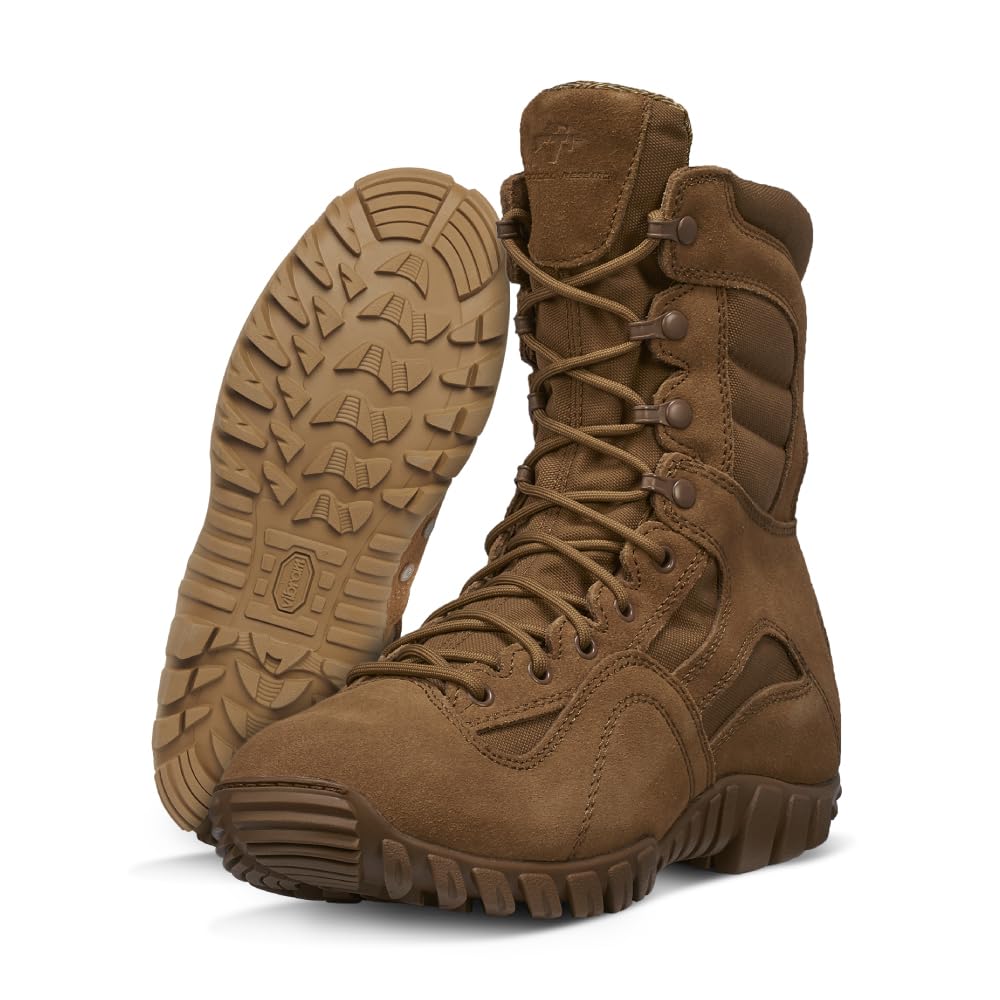


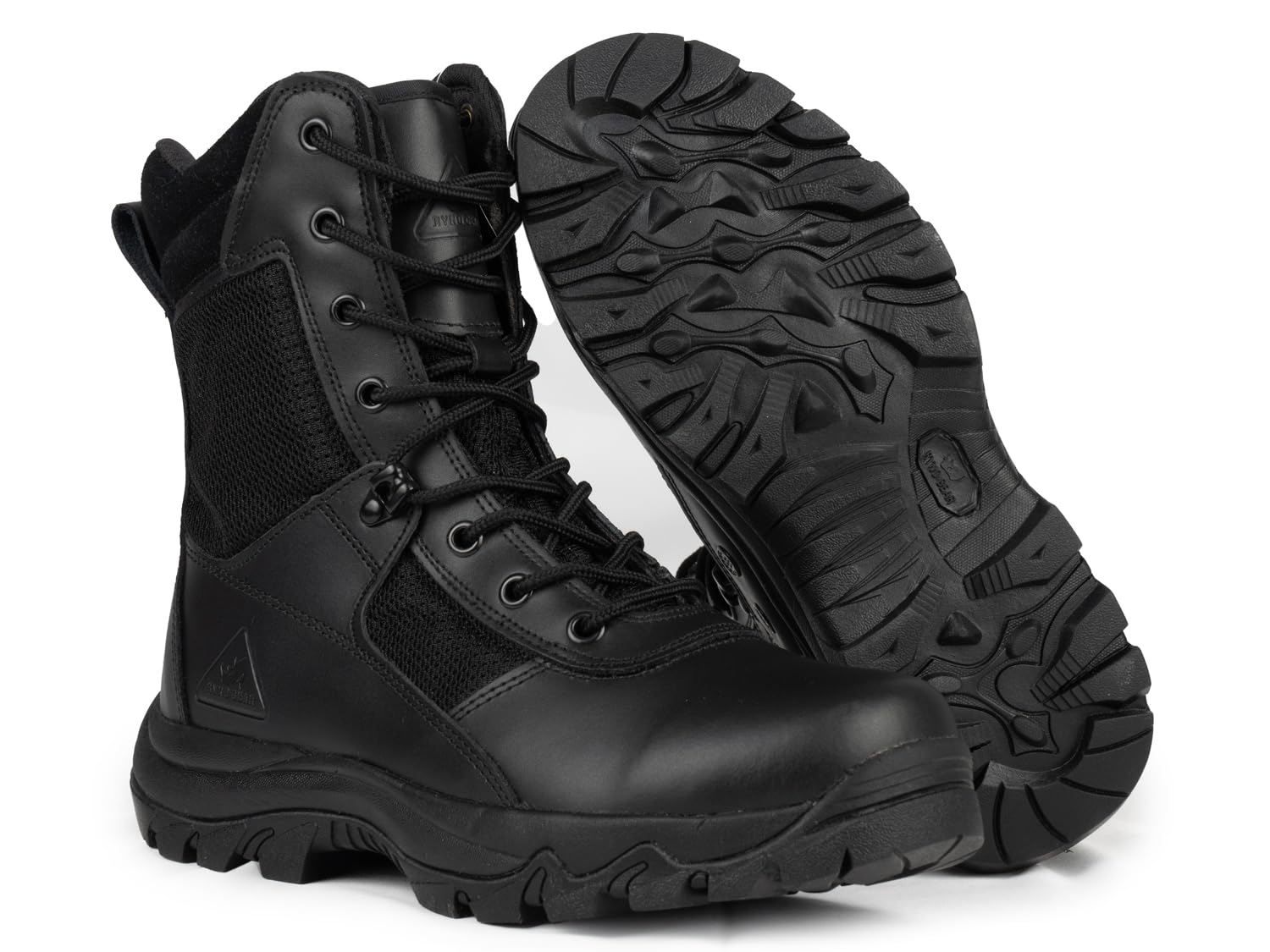


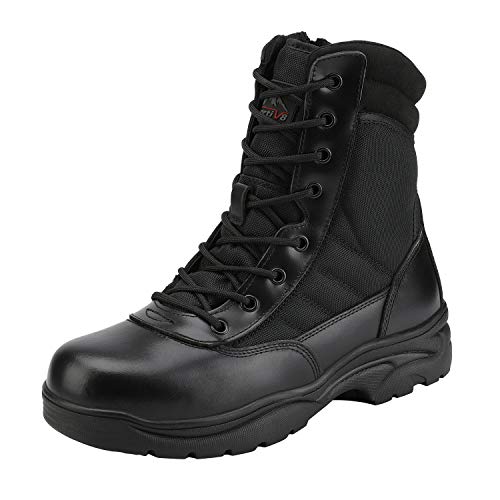


Who Should Buy Which Boots for Ruck Marching?
Your route and your load decide what you need far more than looks or brand names do. A boot that feels great on a short flat walk can fall apart for you once hills, gravel, or a heavier pack enter the picture. Match your group below first, then use the buying guide to confirm the details.
Road Ruckers Who Train Mostly on Pavement
If most of your miles happen on sidewalks, asphalt, and packed park paths, cushioning and a smooth stride matter most. Hard surfaces send more shock into your knees and shins, so a boot with a forgiving midsole and a moderate heel to toe drop suits this training well. Lighter uppers work fine here, and ankle coverage can stay moderate on flat and predictable routes.
Trail Ruckers Who Mix Dirt, Gravel, and Hills
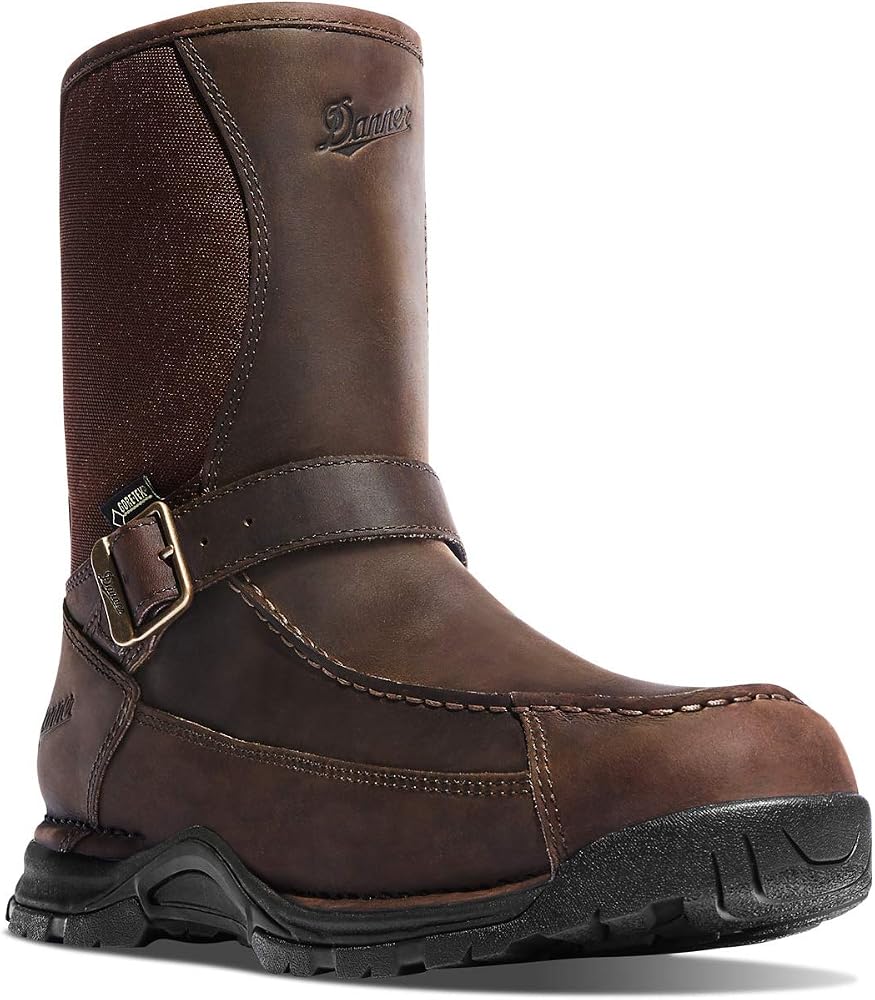
Dirt and gravel change the job completely, because loose ground lets your foot slide inside the boot and twist under load. You need a firmer hold around the midfoot, deeper lugs for grip, and enough ankle structure to stay steady when a rock rolls under your sole. Traditional designs built for uniformed service handle this ground well, and if that style appeals to you, see our guide to the best military marching boots for the features that style usually includes.
Ruckers Building Toward Heavier Loads and Longer Events
Once your pack climbs past about 35 pounds or your events stretch beyond ten miles, small fit flaws turn into blisters, sore arches, and bruised toes. Prioritize support and room over low weight at this level. A stiffer sole spreads the load across your whole foot, and a taller collar helps when fatigue makes your stride sloppy late in an event. Budget more for this group, with capable pairs often around $150 to $250, because the construction that survives heavy loads costs more to build.
How to Choose Boots for Ruck Marching
Work through the factors below in order, because fit problems cannot be fixed by great traction, and great traction cannot rescue a boot that collapses under your pack. The best boots for ruck marching are simply the ones that pass all of these checks for your feet and your routes. Use the product table above as a quick spec check while you read.
Features That Matter for Ruck Marching
Three specs shape how a boot feels under a pack. Cushioning in the midsole absorbs the extra impact that load adds to every step, and boots built for rucking usually carry denser foam that resists packing down over long miles. Stability comes from a broad sole, a firm heel cup, and torsional stiffness, all of which keep your foot from rolling when your legs tire. Heel to toe drop, often about 8 to 12 mm in this category, shifts work between your calves and your knees.
Fit, Sizing, and Toe Box
Shop late in the day, when your feet have swollen to their working size, and wear the socks you plan to ruck in. A roomy toe box matters more here than in normal walking shoes, because your feet swell further under load and your toes splay with each step. You want about a thumb width of space ahead of your longest toe and a heel that stays planted without lifting. If you fall between sizes, choose the larger one, since socks can fill small gaps but nothing creates room that is not there.
Break In Period and Comfort From the First Wear
Plan on two to three weeks of gradual use before any long event. Start with short unloaded walks, add your pack for a few miles, and only then attempt your full training distance. Stiffer boots with leather uppers need the full schedule, while softer designs may feel ready in a few days. Mild stiffness is normal early on. Sharp pain, numb toes, or skin rubbed raw are not normal, and those signs mean the fit is wrong rather than the boot being too new.
Outsole Traction and Terrain
The outsole is your only contact with the ground, so read its pattern before you buy. Lugs around 4 to 5 mm deep bite into dirt and gravel, while shallower, broader lugs grip wet pavement without feeling squirmy. Look for wide spacing between lugs on trail pairs, because tight patterns pack with mud and turn slick. Softer rubber compounds grip wet rock and concrete better but wear faster, while harder compounds last longer on asphalt at the cost of some wet grip.
Durability and Expected Lifespan
Expect a solid pair to handle about 400 to 700 miles of loaded marching before the support fades, with leather uppers and resoleable construction at the top of that range. Uppers usually fail at flex points beside the toes, and midsoles lose their bounce long before the boot looks worn out. When a once supportive boot starts leaving your feet sore after easy miles, the structure is spent even if the tread still looks fine.
Arch Support and Foot Type
Match support to your arch rather than buying the maximum by default. Flat feet that roll inward usually do best with a firmer arch and a structured heel, while high arches often need more cushioning and a gentler support shape. Neutral feet with a natural roll can wear either style comfortably. If you use custom orthotics, bring them to the fitting, because they change the room inside the boot. Stop and talk with a clinician or podiatrist if you develop numbness that lingers after a march, sharp heel pain, or pain that changes how you walk, since those signs need professional advice rather than a gear change.
Waterproofing With Gore Tex and Other Membranes
Waterproof membranes keep rain and shallow puddles out, and they help in cold weather by blocking wind as well. The trade off is airflow, because a lined boot is less breathable and dries slowly once water gets in over the collar. For warm climates, an unlined and breathable boot usually serves you better, since it drains after a stream crossing and dries overnight. Choose the membrane only when wet and cold conditions describe most of your rucking.
Types of Boots for Ruck Marching
Manufacturers borrow three design families from the running and hiking world, and each one serves a different foot and training style. Knowing the family a boot belongs to tells you a lot before you ever try it on.
Neutral Shoes and Neutral Style Boots
Neutral designs offer cushioning without corrective structure, so your foot moves naturally inside them. They suit ruckers with neutral arches, an even stride, and no history of inward rolling. Comfort feels immediate and weight stays low. The weakness shows up under heavy loads, where the lack of guidance lets tired feet collapse inward late in a march.
Stability and Support Shoes and Boots
Stability designs add firmer foam on the inner side, a structured heel counter, and a wider base to limit excess motion. Support shoes in this family help flat feet and anyone whose ankles roll inward as fatigue builds. They weigh slightly more and feel stiffer at first, yet that stiffness becomes an asset on long events. If your everyday shoes wear down unevenly on the inside edge, start your search in this family.
Lightweight Shoes and Boots for Rucking
Lightweight models borrow from trail running, with soft uppers, flexible soles, and minimal collars. They shine for fast paced training and short events at low pack weights around 20 pounds or less. The limits are real, though. Thin soles transmit more ground shock, soft uppers offer little protection against rocks, and the build wears out faster under heavy use.
How to Make Your Ruck Marching Boots Last Longer
Care for ruck marching boots is simple, and a few habits will carry a pair to the top of its mileage range instead of the bottom.
- Pull the insoles out after wet marches and let the boots air dry at room temperature, because direct heat from a radiator or dryer cracks leather and warps foam.
- Rotate two pairs if you train most days, since a rest day lets the midsole foam recover its shape and support.
- Brush dried mud out of the lugs and off the uppers after trail days, because grit left in the flex points grinds at stitching and fabric with every step.
- Use a heel lock lacing pattern on long marches to stop your heel lifting, which reduces friction, blisters, and wear inside the heel lining.
- Condition leather uppers every few months if your pair has them, so the material stays supple and resists cracking at the toe flex.
Frequently Asked Questions
What features matter most in boots for ruck marching?
Fit, support under load, and outsole grip matter most in boots for ruck marching. A useful way to rank them is to name the first thing that failed you in your last pair, whether that was blisters, sore arches, or slipping on wet ground, and choose your next pair to fix that failure first. Specs only help once they connect to a problem you actually have.
How long is the break in period for ruck marching boots?
Most ruck marching boots feel settled after two to three weeks of gradually longer walks. One point many people miss is that your socks and insoles break in with the boot, so do your final pre event march in the exact sock and insole combination you plan to wear. Changing to a thicker sock on event day alters the fit enough to cause the very blisters you trained to avoid.
Do ruck marching boots need to be waterproof?
No, ruck marching boots do not need to be waterproof for most training. If you ruck where stream crossings are common, consider carrying a spare pair of socks in a sealed bag inside your pack, because dry socks restore comfort faster than any membrane can. Waterproof pairs earn their place mainly in cold rain, slush, and winter events where keeping heat in matters as much as keeping water out.
Can you wear ruck marching boots all day?
Yes, you can wear ruck marching boots all day once they are broken in and the fit is right. Standing still at a job feels different from marching, because standing loads one spot on the sole while walking spreads the work. If your feet ache after standing shifts, a softer aftermarket insole often fixes the issue without replacing the boots.
How often should you replace ruck marching boots?
You should replace ruck marching boots when the support fades, not when the uppers finally tear. A simple habit helps here: jot down the date and rough mileage in your training log whenever you start a new pair. That record turns a vague feeling about age into a clear decision, and it helps you order replacements before an event.
How should ruck marching boots fit?
Ruck marching boots should feel snug through the heel and midfoot with clear space for your toes to spread. Test the fit in the store by walking down a slope or a set of stairs if one is available, since downhill steps push your toes forward just like a descent under load does. If your toes hit the front on the stairs, go up a size before you ever reach a real hill.
Final Thoughts
The right pair comes down to three checks: room for swelling feet, support that holds up under your heaviest pack, and grip that matches your ground. Get those right and the boots for ruck marching in the comparison table above become easy to sort, because the wrong options eliminate themselves. Take your time with the fitting, respect the break in weeks, and the best boots for ruck marching for your training will carry you through many steady miles.