
Best Boots for Roughnecking in 2026: A Checklist for Rig Work
Disclosure: We may earn a commission when you buy through links on this page, at no extra cost to you. As an Amazon Associate I earn from qualifying purchases. Learn more

Compare boots for roughnecking by safety toe, grip on oily steel, waterproof leather, fit for long shifts, and care that helps a pair last on the rig.
Roughnecking puts your feet on wet steel, in drilling mud, and beside heavy pipe for a full shift. The best boots for roughnecking protect against impact and slips first, then stay comfortable enough that you keep your footing late in the day. Use the comparison table below to check protection, grip, and fit.
Start with the rules on your site, because many operators require a safety toe, an electrical hazard rating, and a defined heel. Then match the boot to your main job and the fluids you stand in.


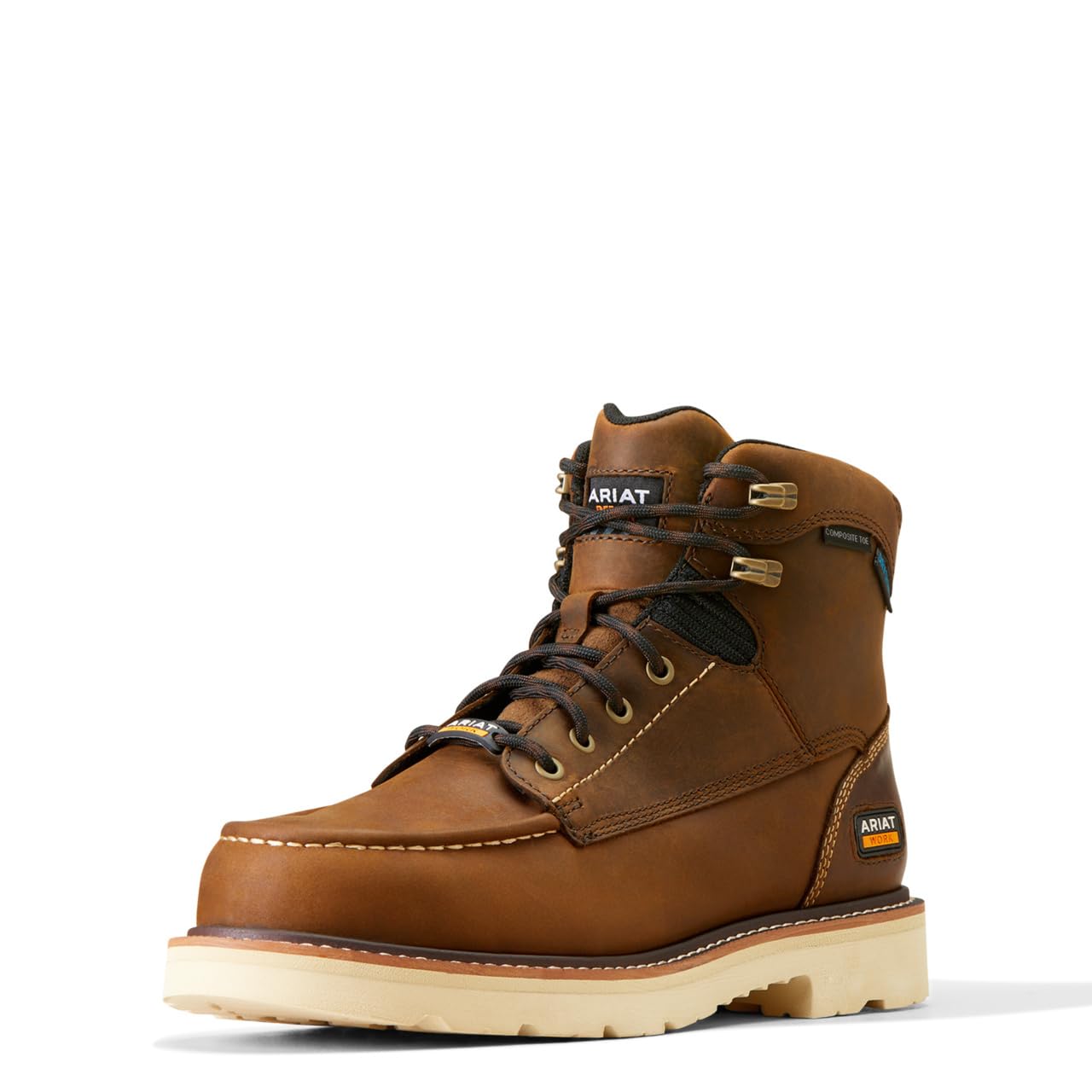
Who Should Buy Which Roughnecking Boots?
Your place on the crew changes what can fail first. A floor hand needs grip, a derrick hand needs secure fit while climbing, and a worker in mud needs sealing and easy cleaning.
Floor Hands Working Around Pipe and Tongs
You move fast on a rig floor slick with oil and mud, close to swinging and rolling steel. Choose a safety toe with added protection over the top of the foot, a sole that sheds mud, and a defined heel that helps you brace on steel. A tall shaft guards your shin when you step over tools and hoses.
Derrick Hands and Workers Who Climb Often
You climb ladders and work where a loose heel can catch or shift at the worst moment. Choose a lace up boot that locks the ankle and heel, or a pull on style only when the shaft holds your leg without rubbing. Light weight matters, but never trade away toe protection or a firm shank to save a few ounces.
Crews Standing in Mud, Water, and Wash Downs
You spend hours in standing fluid and hose off the pair at the end of the shift. Choose waterproof leather or a rubber lower section, sealed seams, and a lining that dries between shifts. A smooth shaft sheds mud faster than deep panels and extra straps.
Key Features to Compare
Compare each pair in this order: protection, grip, sealing, fit, and support. A low price means little if the boot fails a site rule or loses grip on your floor.
Safety Toe, Metatarsal Guard, and Puncture Plate
A safety toe guards against dropped tools and rolling pipe, and steel and composite caps both serve when they meet the standard your operator requires. Composite caps feel lighter and transfer less cold, while steel caps often allow a slimmer profile. A metatarsal guard adds cover over the laces, and a puncture plate helps when you step on sharp scrap. If you get crushing pain, fast swelling, numbness, or a foot that will not bear weight, stop work and get medical care at once, and talk with a clinician about recovery and return to duty.
Grip on Oily Steel, Mud, and Wet Gratings
Outsole grip decides whether a small slip becomes a fall. Look for oil resistant rubber, deep lugs that clear mud instead of packing full, and wide channels that push fluid aside on flat steel. A defined heel, often about half an inch above the forefoot, helps on ladder rungs. Soft rubber can grip well but wear faster on grating, while harder rubber lasts longer and may feel less secure on smooth, oily plates, so match the compound to your main surface.
Waterproof Leather, Oil Resistance, and Breathability
Full grain leather resists abrasion from pipe and grating and can be cleaned and conditioned again and again. A waterproof membrane keeps drilling fluid and wash water out, though it slows airflow, so feet may feel warmer in summer. Some leathers and soles resist oil and rig chemicals, which slows swelling and cracking. Check that seams are sealed and the tongue is attached, because an open tongue lets fluid pour in.
Fit, Sizing, Toe Box, and Shaft Height
Fit your boots late in the day, wearing your work socks, because feet swell during long shifts. Your toes should wiggle without striking the cap when you step down a slope, and your heel should lift only slightly in a new pair. Most roughneck boots use a tall shaft of about 10 to 14 inches for shin cover and mud protection. Wide sizes help if the toe box presses your forefoot. Between sizes, choose the pair that holds the heel while leaving toe room, since insoles can reduce volume but cannot lengthen a short boot.
Cushioning, Arch Support, and Stability for Long Shifts
You may stand and walk on steel and gravel for 12 hours, so the midsole must absorb impact without feeling unstable. A firm cushion under the heel, clear arch support, and a stiff shank keep the boot from twisting on grating. Removable insoles let you replace worn padding before the rest of the boot wears out. Very soft cushioning can feel kind at first yet let the foot roll on uneven ground, so crews on rough yards do better with support that feels firm and even.
Which Boot Style Fits Which Rig Job
Lace up boots give the closest fit and the best control over ankle hold, which suits climbing and fast floor work. They take longer to put on, and laces soak up mud and fluid, so many workers keep a spare set in the locker.
Pull on boots suit workers who change footwear often and want a smooth shaft with nothing to snag. The fit is looser by design, so walk stairs in them before you commit. Shorter boots of about 6 to 8 inches suit mixed yard and shop days with less mud, but they give up shin cover and let fluid enter more easily.
Quick Buyer Checklist for Roughneck Boots
When you compare the best boots for roughnecking, answer each question below before you order. A no on any safety item means you should keep looking.
- Does the safety toe meet the standard your operator and site require?
- Does the boot carry an electrical hazard rating if your site rules call for one?
- Does the outsole state clear resistance to oil and slipping on wet steel?
- Can your toes move inside the cap while your heel stays held?
- Does the shaft height cover your shin and fit under your work pants?
- Is the upper waterproof with sealed seams and an attached tongue?
- Can you replace the insole when the cushion packs down?
- Is the price, often about $180 to $350 for this class, fair for the stated ratings and construction?
Watch for red flags while you shop. Vague words about safety without a named rating, no clear statement of toe material, a smooth sole sold for rig floors, and a warranty that excludes work use all point to a boot built for lighter jobs.
Common Mistakes to Avoid
- Buying by shoe size alone leaves swollen feet pressed against the safety cap by the end of a shift.
- Choosing a flat, smooth sole for oily steel turns a routine step into a fall risk.
- Wearing short boots in deep mud lets fluid and grit enter and rub the skin raw.
- Ignoring your site toe and hazard rules can get a new pair rejected at check in.
- Tightening laces hard over the instep to fix a loose heel causes numbness and sore spots.
- Drying wet boots on a heater cracks leather and warps the shape of the sole.
Care and Maintenance for Roughneck Boots
Rinse mud and drilling fluid off the upper and sole after each shift, and brush the lugs so packed grit does not harden there. Open the shaft wide, pull the insole out, and let the pair air dry away from direct heat. Rotating two pairs gives each pair a full day to dry, which also slows odor and lining wear.
Condition leather once it looks dry and pale, and check seams, welt stitching, and sole edges each week. Replace laces at the first deep fray and insoles when heel padding stays flat. Retire the boot when tread is nearly gone, the cap shows through worn leather, or the sole separates from the upper. A hard used pair on a busy rig often lasts about six months to a year.
FAQ
What features matter most in boots for roughnecking?
Protection and grip matter most, starting with a rated safety toe and an oil resistant outsole. Next come a tall, sealed upper for mud and fluid, then fit that leaves toe room late in a shift. Buyers often miss the defined heel, which gives a clear edge on ladder rungs and helps you brace on the floor.
Do roughneck boots need to be waterproof?
Most roughneck boots should be waterproof, because rig floors, wash downs, and mud pits keep feet wet for hours. A membrane and sealed seams matter more than a surface spray, which wears off. If you work a dry site in hot months, a water resistant pair may feel cooler, but keep a waterproof pair ready for rain days.
How long is the break in period for roughneck boots?
Most roughneck boots need about one to two weeks of regular wear before the leather and midsole settle to your stride. Wear a new pair for shorter yard tasks first, not a full hitch on the floor. Check the crease across the forefoot, which should bend where your foot bends rather than press on your toes.
How should roughneck boots fit for a full shift?
Roughneck boots should hold the heel, leave room for toes to spread, and feel snug through the ankle without pinching. Try them in the afternoon with your work socks. Walk down an incline if you can, because toes that strike the cap on a slope will bruise during a week of stairs and ladders.
Can roughneck boots be worn all day on the rig?
Yes, roughneck boots are built for all day wear, provided the fit and support suit your feet. Comfort late in the shift often turns on the insole, so replace it when factory padding thins. Padded socks also reduce friction inside a tall shaft during the first weeks.
The Bottom Line
Put protection and grip first, then sealing, fit, and support for long hours on steel. Match the style to your crew role and run the checklist above. Use the product table above to confirm ratings, shaft height, and price side by side.
Chosen with those points in mind, the best boots for roughnecking will feel steady on the floor and guard your feet around heavy steel.


