
Best Boots for Road Construction: 2026 Checklist for Safer Road Work
Disclosure: We may earn a commission when you buy through links on this page, at no extra cost to you. As an Amazon Associate I earn from qualifying purchases. Learn more

Compare the best boots for road construction with a clear checklist on safety toes, traction, waterproofing, fit and support for long shifts on asphalt.
Road crews stand on hot asphalt, walk loose gravel and work near heavy machines for long shifts. The best boots for road construction must protect your toes, grip uneven ground and stay comfortable until the last task ends. This guide turns those demands into a clear checklist, so you can judge any pair in the comparison table below against your work.
Start by naming your main surface, your main hazard and the weather you cannot avoid. A paving hand faces heat and smooth asphalt, while a grading hand faces mud and sharp debris. Those details decide which safety rating, sole pattern and upper deserve your money first.


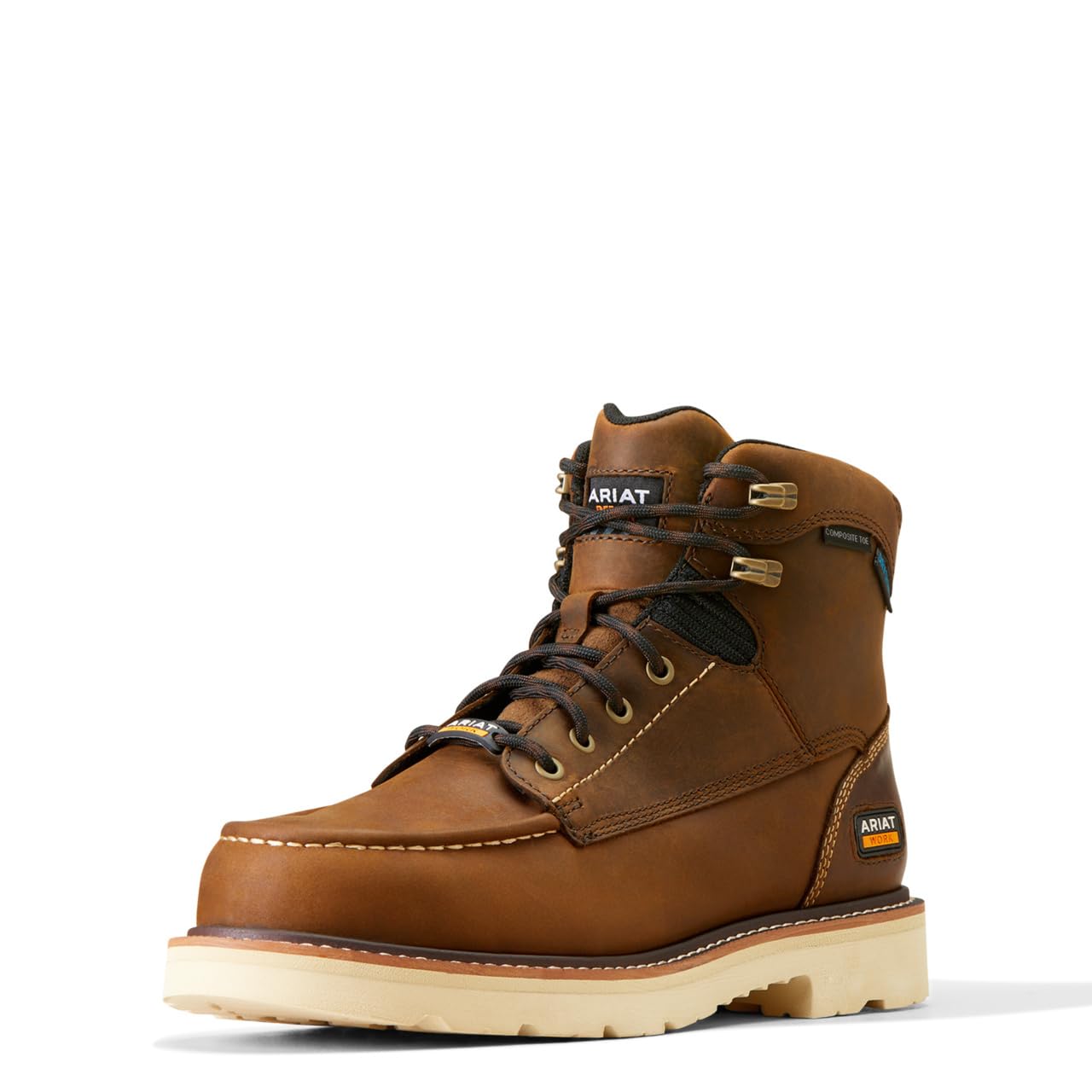


Who Should Buy Which Road Construction Boots?
Crews share a work zone, but not the same ground, loads or hours on their feet. Match the style below to your most repeated task.
Paving and Asphalt Crew Members
You stand for hours on a surface that radiates heat and can soften some sole compounds. Choose a heat resistant outsole, a wedge sole for smooth asphalt and firm cushioning under the heel. A six inch shaft keeps hot material out, and a roomy fit helps because feet swell as the day warms.
Grading, Drainage and Utility Crew Members
You cross mud, gravel shoulders and shallow water while carrying tools over changing ground. Choose a deeper lug outsole, a waterproof membrane for wet trenches and an eight inch shaft for ankle support on slopes. A puncture resistant plate matters most for you, because grading exposes nails and cut metal.
Flagging, Inspection and Survey Crew Members
You walk and stand on finished pavement all day, with long stretches of standing still. Choose a lighter boot with strong arch support and a breathable upper, because fatigue builds fast on concrete. If site rules require a safety toe, a composite toe keeps weight down while meeting the same impact standard.
Key Features to Compare
Use the same order for every pair. Protection first, then fit, then comfort, then weather, because a boot that fails a site safety rule cannot be worn at all.
Safety Toe, Puncture Plate and Electrical Hazard Ratings
A safety toe guards against dropped tools and rolling loads, and boots rated under ASTM F2413 state their impact and compression limits on the label. Steel toes handle heavy loads, composite toes weigh less and do not conduct cold, and alloy toes sit between the two. A puncture resistant plate blocks nails from below, and an electrical hazard rating adds insulation near buried lines. If you develop numbness, sharp foot pain or a wound that will not heal, stop work and seek medical care promptly, and talk with your clinician about your personal needs.
Fit and Toe Room for Long Paving Shifts
Fit decides whether the protection above stays in the right place. Try boots late in the day, wearing your work socks, because feet measure longest after hours of standing. Your toes should lie flat inside the toe box with room to spread, and your heel should stay seated on slopes and curbs. A thumb width past the longest toe works well for most workers. If one foot is larger, size for that foot.
Arch Support and Cushioning on Hot Asphalt
Hard pavement returns force to your feet with every step, so the midsole must absorb what the ground will not. Flat feet usually need firmer arch support that limits inward roll, while high arches need more cushioning under heel and forefoot. A modest heel to toe drop, the height gap between heel and forefoot, eases Achilles strain during long standing. Stability comes from this support plus a wide sole base, not soft foam alone.
Upper Materials, Durability and Breathability
Full grain leather resists abrasion from concrete edges, gravel and repeated kneeling better than most fabrics, and it molds to your foot over time. Nubuck and split leather cost less but scuff sooner in rough grading work. Mesh panels make a boot more breathable on hot paving days, yet they tear faster near rebar. Many boots pair a leather body with textile panels, balancing durability with airflow.
Outsole Traction and Stability on Mixed Ground
The outsole is your only contact with asphalt, concrete, gravel and mud, so its pattern must match your main surface. Deep lugs, often about 4 to 6 mm, bite into gravel and mud and clear debris as you walk. A wedge sole gives more contact on flat pavement, but slides sooner on loose slopes. Look for oil resistant and slip resistant compounds near fuel or sealants, and check that the heel edge is defined enough for climbing out of trenches.
Waterproof Membranes for Wet Sites and Mud
A waterproof membrane such as Gore Tex keeps rain and trench water out while letting some sweat vapor escape. That trade suits drainage work, winter repairs and wash down tasks, where wet feet turn cold and sore. On dry summer paving, a membrane can feel warm, and an unlined leather boot may stay cooler. Treat waterproofing as a job match, not a default upgrade.
Quick Buyer Checklist for Road Construction Boots
Before you order, compare boot types against your crew role. A lug sole boot suits loose ground, a wedge sole suits flat pavement, and a taller waterproof boot suits wet utility work. Then run the questions below for your site, because the best boots for road construction for a paving hand may fail a drainage hand on a wet morning. If your site rules use different wording, see our guide to the best work boots for road construction.
- Does the label list an ASTM F2413 rating your site accepts?
- Does the boot include a puncture resistant plate for graded ground?
- Does the outsole pattern match your main surface, lugs for loose ground or a wedge for pavement?
- Did you try the boot late in the day with work socks on?
- Can your toes spread inside the toe box without pressing the cap edge?
- Does the shaft height keep gravel out without rubbing your calf?
- Is the waterproofing right for your wettest task?
Two warning signs deserve a pause. A listing that hides its safety ratings behind vague claims, or a boot with no stated standard and a very short warranty, leaves you guessing about required protection. Expect to pay about $120 to $250 for a rated pair in this class.
Common Mistakes to Avoid
Most early replacements trace back to these hurried choices.
- Buying a soft toe boot where a rated safety toe is required gets the pair banned at inspection.
- Choosing deep lugs for paving makes feet work harder on flat asphalt and wears lugs fast.
- Sizing boots in the morning leads to pinched toes and blisters once feet swell by midday.
- Ignoring puncture protection for grading work leaves your foot sole exposed to nails and wire.
- Wearing a waterproof boot on every hot dry shift traps heat and dampens socks with sweat.
- Judging comfort in the store doorway misses heel slip that only shows up on slopes and ladders.
Care and Maintenance for Road Construction Boots
Knock dried mud and grit off the soles after each shift, brush the uppers and let the boots air dry away from direct heat, because heaters can crack leather and weaken sole bonds. Loosen the laces and pull the insoles out when the inside feels damp. Rotating two pairs gives each pair a day to dry, which slows odor.
Condition leather once it looks dry or pale, and reproof waterproof styles when water stops beading. Inspect the outsole weekly for embedded stones, deep cuts and smooth worn lugs. Retire a boot when the safety toe is exposed or the heel counter collapses. For a broader view, see our guide to the best construction boots for general building sites and our guide to the best work boots for construction for mixed trades work.
FAQ
What features matter most in boots for road construction work?
Protection ratings matter most, because a boot that fails your site rules stays in the truck. Rank the rest by crew task. Paving hands should rank heat resistance and cushioning next, grading hands should rank puncture protection and lug depth next, and anyone near live services should confirm the electrical hazard rating before price.
Do road construction workers need waterproof boots for every job?
No, road construction workers do not need waterproof boots for every job. Crews on dry summer paving often stay cooler in unlined leather, and they can keep a waterproof pair for rain weeks. If your work is seasonal, owning one pair for each season can cost less than wearing out a single pair in the wrong conditions.
Can road construction boots be worn comfortably for a full shift?
Yes, road construction boots can be worn for a full shift when fit, support and sock choice are right. Add a thin liner sock under your work sock if friction starts at the heel, and loosen laces briefly at breaks when swelling peaks. Discomfort that grows weekly, rather than easing during break in, points to a fit mismatch.
How often should road construction boots be replaced?
Road construction boots should be replaced when protection or grip fails, which for many full time workers falls between about 12 and 24 months of heavy use. Hot asphalt and daily kneeling shorten that span. Write the purchase date inside the tongue, because a dated record makes the retirement call easier.
How long is the break in period for road construction boots?
The break in period for road construction boots usually runs about one to two weeks of regular wear. Stiff full grain leather takes the longer end of that range, while textile panel styles soften sooner. Wear new boots on shorter tasks first and carry your old pair as backup.
Final Thoughts
Put protection first, fit second and weather third, and most of the catalogue sorts itself quickly. Lug soles serve loose ground, wedge soles serve flat pavement, and membrane lined boots serve wet work, while every role needs a rated toe and lasting support. Use the product table above to confirm ratings and price for pairs that pass your checklist.
When you judge best boots for road construction by your surface, hazards and hours on foot, the right pair protects you without demanding attention all day. Choose that pair, break it in before your longest week, and keep your focus on the road ahead.


