Best Boots for Rabbit Hunting in 2026: Everything to Know Before Your First Purchase
Disclosure: We may earn a commission when you buy through links on this page, at no extra cost to you. As an Amazon Associate I earn from qualifying purchases. Learn more

Shopping for the best boots for rabbit hunting for the first time? Learn the terms, compare options, and avoid rookie mistakes with this easy guide.
Rabbit hunting asks more of your feet than a short walk to a stand. You cover field edges, push through brush piles, and follow moving dogs for hours, often across wet grass. Choosing the best boots for rabbit hunting starts with walking comfort, quiet steps, and uppers that shrug off briars.
This guide is written for a first purchase, so it explains each term in plain language and compares boot types instead of naming products. You will learn which style fits your ground, which features matter on mud and frozen furrows. Start with the comparison table below, then narrow your choice with confidence.






Who Should Buy Which Rabbit Hunting Boots?
Rabbit hunters move in very different patterns, so start with how you actually hunt. Your pace, ground, and season point you toward the right height, weight, and waterproofing.
Walkers Who Kick Brush and Cover Miles
If you hunt on foot without dogs, you flush rabbits from brush piles, briar edges, and ditch banks yourself. You need a light, flexible boot that lets you step over logs and swing a foot into cover without fighting a stiff sole. Look for a tall shaft to guard your shins and a snug heel.
Beagle Hunters Who Follow Dogs Across Fields
Hunters behind beagles alternate between standing and listening, then moving quickly when the chase turns. Your boots need arch support and stability for uneven crop rows, plus cushioning for a full morning on your feet. A moderate shaft height works well, and a breathable lining helps between chases.
Cold and Wet Morning Hunters in Tall Grass
Many rabbit seasons run through the coldest months, when dew, frost, and light snow soak tall grass from the first step. If that is your usual start, waterproof protection and light insulation matter more than shaving weight. Choose a boot that keeps water out at ankle height or higher and still flexes well.
Key Features to Compare
In plain terms, the best boots for rabbit hunting are walking boots first and hunting boots second. The features below explain what each term means, how it changes a hunt, and which option suits which hunter.
Fit, Sizing, and Toe Box Room for Thick Socks
Measure your feet in the afternoon, when they are at their largest, and try boots on with the thick socks you plan to hunt in. Your toes need room to spread and to avoid striking the front on downhill steps, so look for a toe box that feels wide rather than pointed. Leave about a thumb width ahead of your longest toe. For a broader look at fit for adult hunters, see our guide to the best hunting boots for men.
Thorn Resistant Uppers and Shaft Height
Briars and thorn scrub punish thin fabric, so choose uppers of full grain leather, dense woven synthetic panels, or a mix of both with reinforced seams. Leather resists punctures and ages well, while dense synthetic panels cut weight and dry faster. Shaft height runs from the sole to the top of the boot. About 8 to 10 inches guards most shins, while shafts near 16 inches suit deep brush and wet meadows.
Waterproofing, Insulation, and Breathability
A waterproof membrane such as Gore Tex blocks outside water while letting some sweat vapor escape, which suits active walking. Rubber boots block water completely but trap more heat, so they feel clammy on mild days. Insulation is rated in grams, and about 200 to 400 grams fits active hunting in cold weather because moving feet generate heat. Uninsulated, breathable boots suit early season hunts in warm states.
Outsole Traction, Stability, and Arch Support
The outsole is the rubber bottom that meets the ground, and its lug pattern decides your grip. Moderate lugs with wide spacing shed mud instead of packing it, while very deep lugs feel clumsy on hard ground. A firm heel counter and stable midsole limit sideways roll on furrows. Heel to toe drop, the height difference between heel and forefoot, is often about 8 to 12 mm. Arch support should match your foot shape so pressure spreads evenly.
Weight and Flexibility for Long Walks
Weight is usually listed per pair, and many rabbit hunting boots fall between about 2 and 4 pounds per pair. Lighter boots reduce leg fatigue over several miles, though the lightest styles give up some thorn protection and stability. Flex a boot by hand before buying. It should bend at the forefoot where your foot bends, while the shank under the arch stays firm, since a boot that folds in the middle leaves feet sore on gravel.
Types of Rabbit Hunting Boots Compared
Upland Style Boots for Mixed Cover
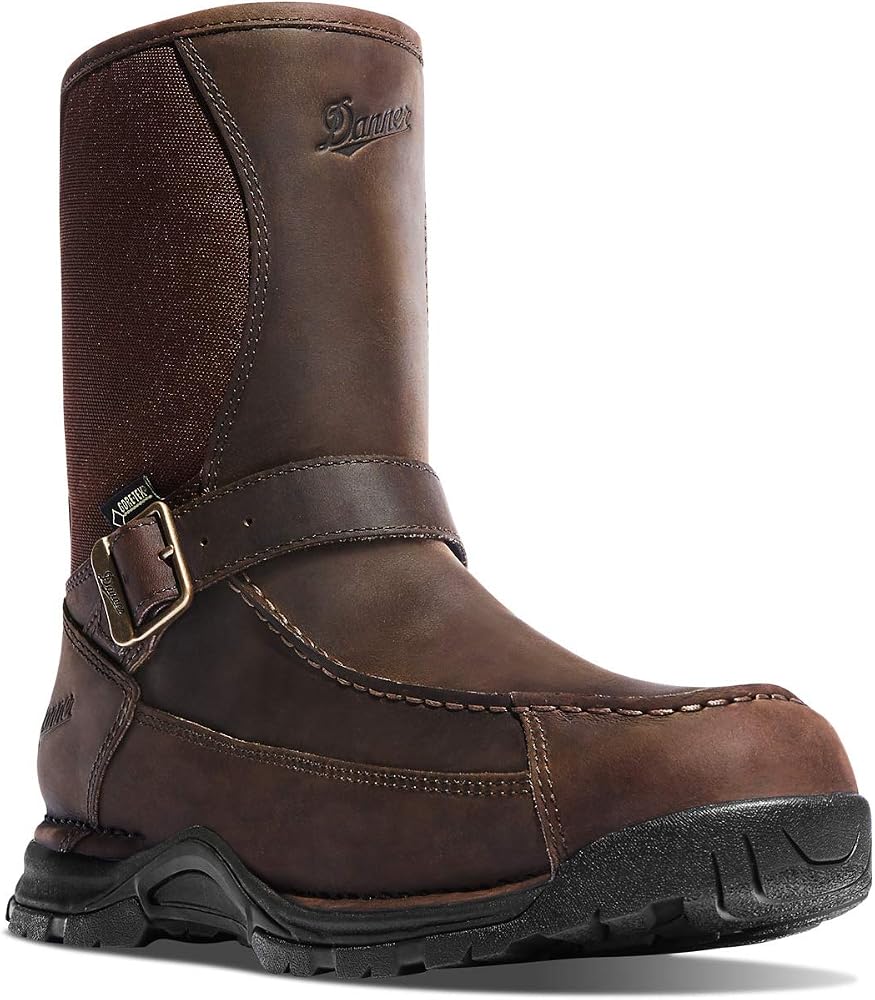
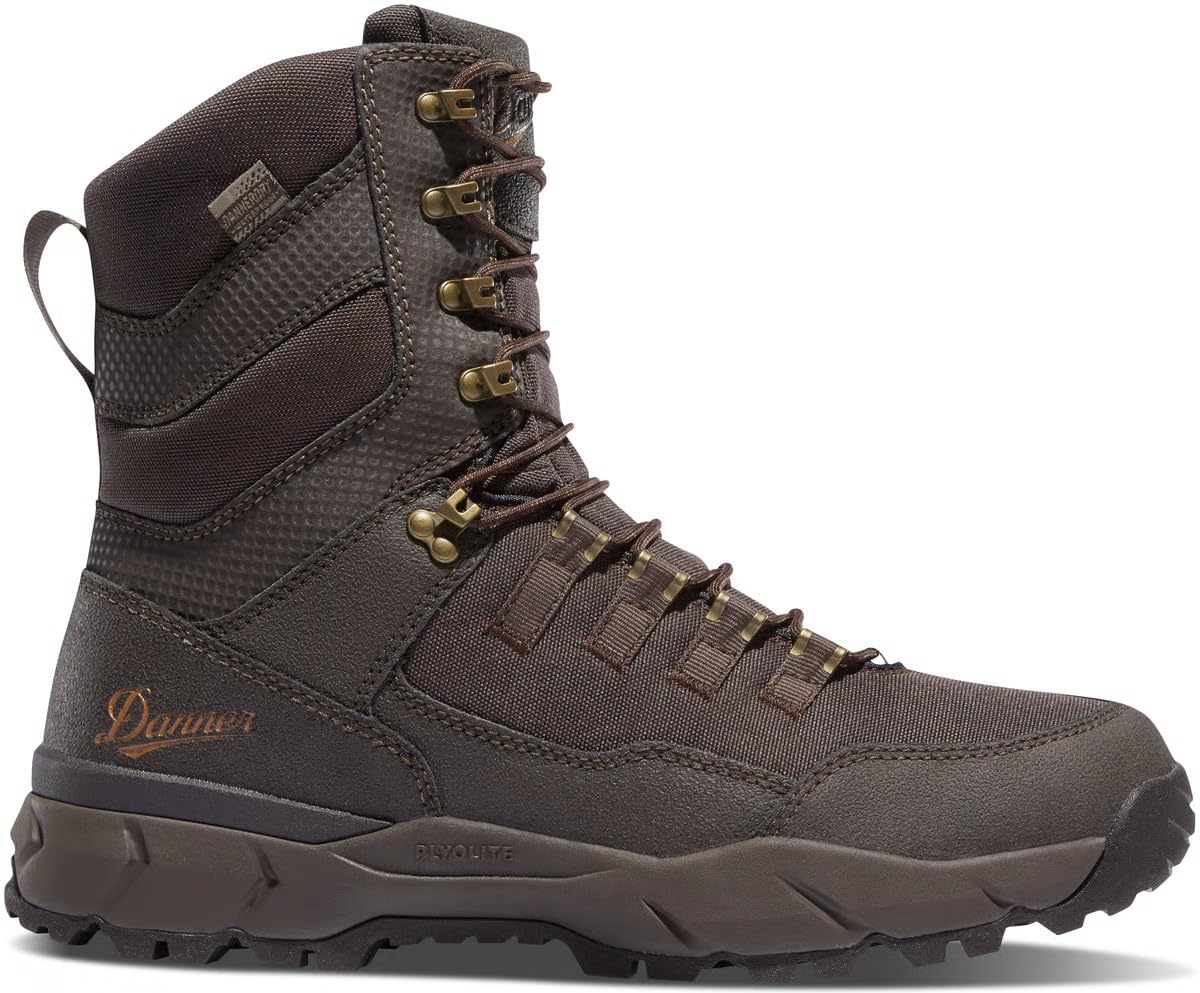
Upland style boots pair leather or mixed uppers with a walking outsole and a mid height shaft. They balance thorn protection, support, and low weight, making them the most versatile first purchase for mixed ground. For wider context on this style, see our guide to the best hunting boots and note which features carry over to smaller game.
Rubber Boots for Wet Ground and Standing Water
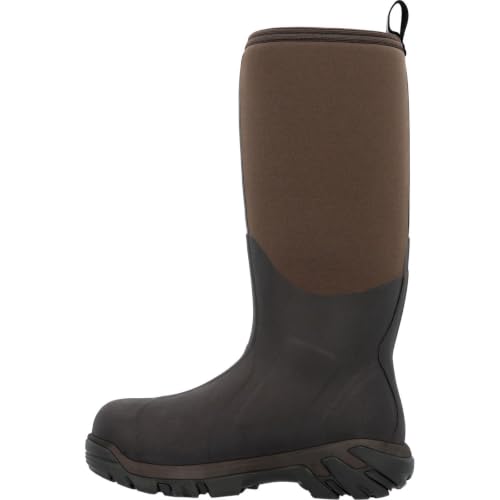
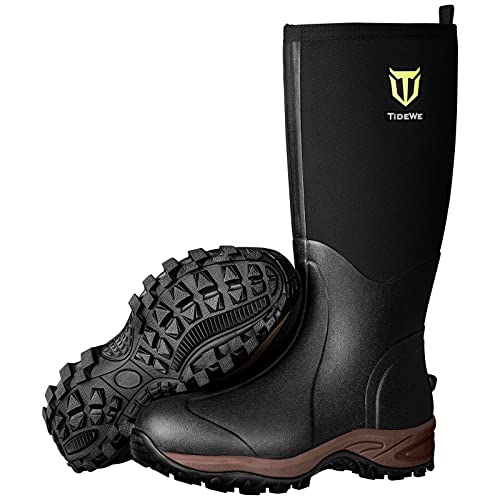
Rubber boots shine where rabbit cover grows around swampy edges, flooded ditches, and pastures that stay soaked for weeks. The tall shaft keeps water and mud out, and the smooth surface rinses clean. The trade off is heat and a looser fit, so add thick socks for longer walks. To compare shaft heights and insulation levels, see our guide to the best rubber hunting boots.
Lightweight Synthetic Boots for Mild, Dry Days
Lightweight synthetic boots feel closer to sturdy hiking footwear, with breathable panels and flexible soles that need almost no break in time. They suit early season hunts and dry southern fields. Their weakness is thorn country, where sharp briars can snag thin mesh, so keep a taller pair in mind if your season turns colder.
Common Mistakes to Avoid
- Buying stiff mountain style boots for rabbit hunting leaves you slow and tired, since the rigid sole fights every brush kicking step.
- Choosing thin fashion leather saves money at first, but briars tear the stitching and the boots fail within a single season.
- Ordering your normal shoe size without trying thick socks crowds your toes, causing numbness and blackened nails on slopes.
- Picking heavy insulation meant for sitting still makes active walkers sweat, and damp feet turn cold once the pace slows.
- Taking brand new boots straight onto a long hunt invites blisters that can end your day within the first hour.
Care and Maintenance for Rabbit Hunting Boots
Knock dried mud off after each hunt and rinse heavy clay away with plain water, since caked soil pulls moisture from leather as it dries. Stuff wet boots loosely with newspaper and air dry them away from direct heat, because hot air cracks leather and can damage waterproof membranes. Once dry, brush uppers clean and check seams for thorn damage.
Condition leather uppers when they look dry or pale, following the maker directions, and let the treatment soak in before the next hunt. Store boots upright in a cool, dry place rather than crushed under gear. Check tread monthly too: lugs worn smooth at the heel mean grip on wet leaves is already fading.
Boots for Rabbit Hunting: Your Questions Answered
What features matter most in boots for rabbit hunting?
Fit, thorn resistant uppers, and a flexible walking sole matter most in boots for rabbit hunting. Rank those three first, then add waterproofing and insulation for your ground and season. One detail first buyers miss is hardware: recessed eyelets and flat laces catch less brush than raised hooks, so boots pull through thickets quietly.
How long is the break in period for rabbit hunting boots?
The break in period for rabbit hunting boots is usually one to two weeks of short, regular wear. Start with walks of about 20 to 30 minutes around home, then add distance every few days while checking for hot spots. Leather styles sit at the longer end of that range. Never count a long first hunt as part of the plan.
How should rabbit hunting boots fit when worn with hunting socks?
Rabbit hunting boots should fit snugly at the heel and midfoot, with open room ahead of the toes. Test heel hold by lacing up, walking down a slope or steps, and pressing your foot forward. Slight heel lift is normal, but repeated sliding means the size is wrong for you. This shop test catches problems that standing still never reveals.
Do rabbit hunting boots need to be waterproof for morning hunts?
Yes, rabbit hunting boots should be waterproof for most morning hunts, because dew soaked grass wets fabric as thoroughly as light rain. The detail that decides success is height: water running over the top of a short boot defeats any membrane inside it. Match shaft height to your cover, and carry dry socks, since a waterproof boot dries slowly once soaked inside.
How often should you replace rabbit hunting boots?
You should replace rabbit hunting boots when the tread, support, or waterproofing fails, not on a fixed schedule. Clear signs include lugs worn smooth at the ball of the foot, cracks where the upper bends, a flat feeling midsole, and damp socks after hunts in light dew. Active hunters often see several seasons from a pair.
Can you wear rabbit hunting boots all day in the field?
Yes, you can wear rabbit hunting boots all day when fit, weight, and insulation match your hunting style. A midday sock change makes long days easier, since dry socks restore warmth and cut friction before hot spots grow into blisters. Loosen laces at lunch to let swelling settle, then retie them firmly.
The Bottom Line
For a first purchase, put fit first, thorn protection second, and waterproofing matched to your ground third. Brush kickers do best with light upland styles, and wet country hunters with rubber or insulated pairs. Whichever type fits your season, the best boots for rabbit hunting are the pair you can walk in comfortably until the last chase ends. Use the product table above to compare your short list before you order.