
Best Boots for Quail Hunting: A Buyer Checklist for 2026
Disclosure: We may earn a commission when you buy through links on this page, at no extra cost to you. As an Amazon Associate I earn from qualifying purchases. Learn more

The best boots for quail hunting balance light weight, grip and waterproofing. A practical checklist for fit and comfort in the field.
Quail hunting is mostly walking, with brief moments of focus when a dog goes on point or a covey rises in front of you. Choosing the best boots for quail hunting means balancing light weight, steady footing, and protection from brush and uneven ground. A heavy boot built for steep mountains can wear you down long before the last field is done.
This guide turns that balance into a simple checklist for any brand or budget. Work through the fit, traction, waterproofing, and support points below, then compare your short list with the comparison table below.


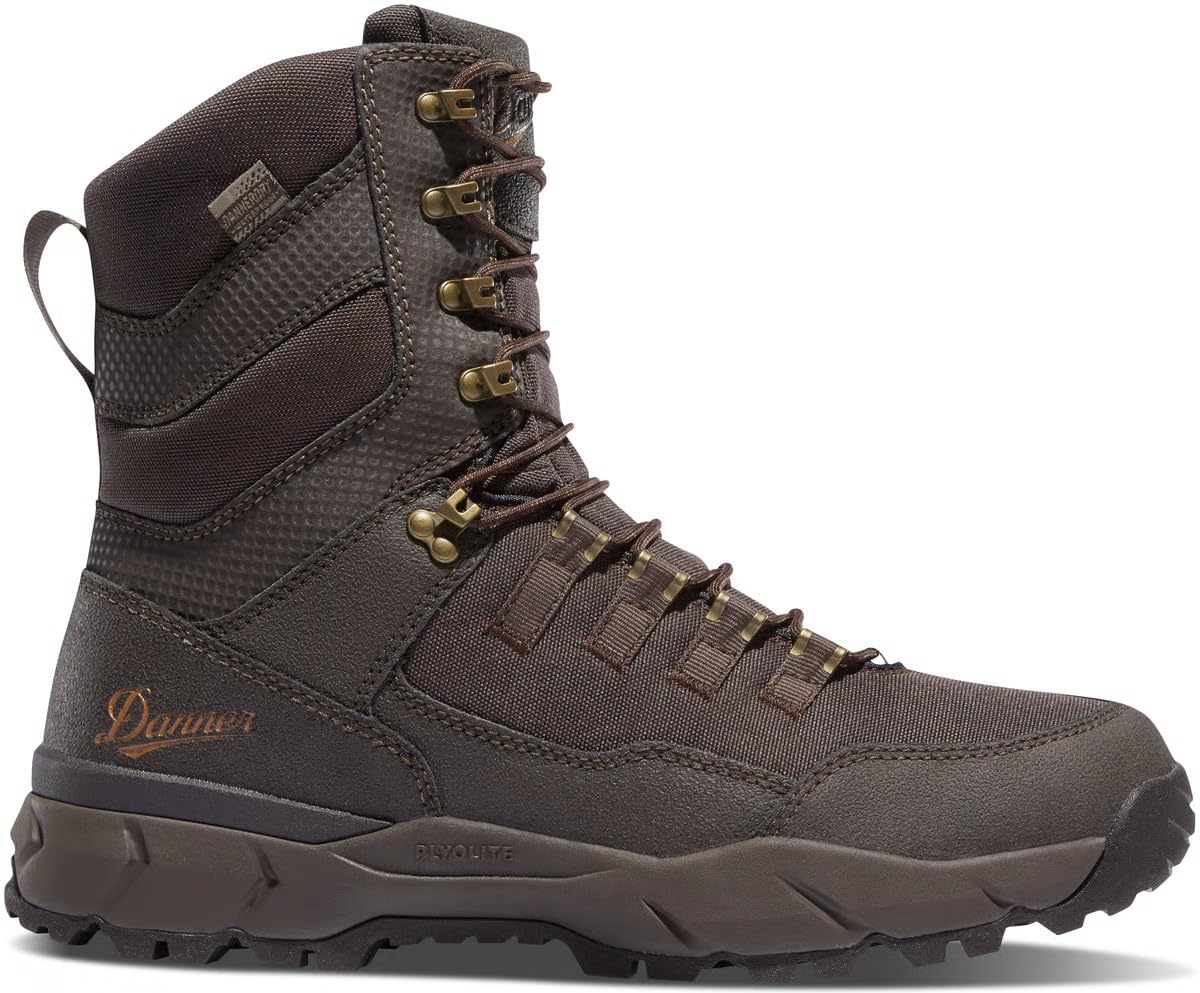


A Checklist for Evaluating Quail Hunting Boots
Start with the ground you actually hunt, because quail cover changes fast from one property to the next. You might cross sandy lanes, cut through briars, and finish on damp grass in a single morning. For a broader starting point, see our guide to the best hunting boots and then apply the stricter weight and flexibility tests in this checklist.
Features That Matter Most for Quail Hunting
Weight matters more here than in many other forms of hunting, because you cover ground all day rather than sitting in one place. Look for a boot that feels light but still has a firm toe area, a stable heel, and an upper that can push through grass and light brush without folding. Flex at the forefoot should feel natural, while the ankle area should limit roll on ruts and hidden holes.
Fit, Sizing, and Toe Box
Measure both feet late in the day, when they are at their largest, and try boots on with the socks you plan to hunt in. Your toes need room to spread and to avoid hitting the front on a downhill step, yet your heel should stay seated when you turn quickly. Men comparing brands with different last shapes can also see our guide to the best hunting boots for men for more on width options. If one foot is larger, fit that foot first.
Arch Support and Foot Type
Arch support should match the shape of your foot instead of simply feeling stiff underfoot. Flat feet often do better with a firmer arch and a stable heel cup, which can limit inward roll as fatigue builds. High arches often need more cushion so pressure does not concentrate on the heel and forefoot. If you have lasting foot pain, numbness, or a condition that affects your gait, talk with a clinician or a qualified fitter about your personal needs.
Outsole Traction and Terrain
The outsole needs grip without feeling grabby on every step, because much of your walking is on flat or gently rolling ground. Shallow to moderate lugs work well on dry dirt, sand, and short grass, and they usually clear mud better than tight tread patterns. Look for rubber that still bites on wet grass and damp leaves, with enough spacing between lugs for small stones to release. Very aggressive tread built for steep rock can feel clumsy in open fields.
Waterproofing With Gore Tex and Other Membranes
Waterproofing helps most for morning dew, wet grass, shallow crossings, and fields that stay damp after rain. A Gore Tex lining or a similar membrane can keep that moisture out, but it will also hold more heat than an unlined boot on a warm day. Think about shaft height too, because water often enters over the top in tall wet grass. For ground that stays swampy for hours, compare that approach with our guide to the best rubber hunting boots.
Cushioning, Stability, and Heel to Toe Drop
Cushioning should soften long walks on hard lanes without making the boot feel unstable on a root or a clump of grass. Stability comes from a broad base, a firm heel counter, and a midsole that resists twisting, which differs from the soft and flexible feel of neutral shoes made for smooth pavement. Heel to toe drop also shapes your stride, since a higher heel shifts work toward your calves while a flatter setup can feel more natural if you already walk in low shoes.
Upper Materials and Breathability
Leather uppers handle abrasion from briars, fences, and dry stalks well and often mold to your foot over time, but they can be warmer and slower to dry. Synthetic fabric and mesh panels cut weight and improve airflow, which helps in warm southern cover, yet thin panels may wear faster where brush rubs daily. Many upland boots mix both, with tough material at the toe and sides and lighter fabric near the ankle. Check seams too, because stitching placed where brush drags can fail early.
Buying Guidance by Terrain, Weather, and Hunting Style
The product table above is most useful when you read it through the lens of your usual cover. A hunter walking open fields faces a different problem from one pushing through thick southern brush in warm air.
Open Fields, Sand, and Dry Grass
For open country, favor low weight, easy flex, and a breathable upper, because heat and mileage will bother you more than deep mud or steep climbs. A moderate shaft can still help by keeping seeds and small grit out, so pair boot height with your usual socks and pants. Traction should favor smooth transitions from dirt to grass, since you change pace often when birds flush. A tall and heavily insulated boot is usually more burden than benefit here.
Briars, Brush, and Rocky Ground
Thicker cover asks more from the toe, the sides of the upper, and the ankle area, even when the walking is not steep. Look for abrasion resistant overlays, a reinforced toe, and enough ankle structure to steady you when you step over limbs or into shallow ruts. In rocky areas in the Southwest, also think about cactus spines and sharp stones working at seams and thin fabric. You may accept a little extra weight here, because a boot that gets cut early is no bargain.
Quick Buyer Checklist
Before you order, run through these questions for the cover and season you hunt most often, and use your answers to judge the best boots for quail hunting for your needs rather than someone else.
- Does the boot feel light enough for your longest normal morning walk?
- Can you wiggle your toes while your heel stays in place on a quick turn?
- Does the arch support match your foot shape without creating a hot spot?
- Will the outsole grip wet grass without holding mud for the rest of the walk?
- Is the waterproof level matched to dew, rain, and crossings on your route?
- Can the upper handle the brush, briars, or rock you meet most often?
- Will the boot stay comfortable in the warmest weather you plan to hunt?
- Does the price, at about $100 to $250 for many upland options, fit the use you expect?
Red Flags to Watch For
Vague claims are a warning sign here, because quail boots succeed or struggle on specific fit and ground details.
- The listing gives no clear weight per boot, so you cannot judge it for long walks.
- Sizing advice is missing or inconsistent, which raises the risk of heel slip and sore toes.
- The waterproof claim names no membrane or construction method, so it is hard to trust.
- The outsole is shown only in a distant photo, so lug depth and spacing stay unclear.
- The warranty or return window is very short for a boot meant to be worn hard in brush.
- Many reviews mention the same seam or eyelet failing early, which points to a weak spot.
How to Make Your Quail Hunting Boots Last Longer
Care starts the moment you get home, because wet grass and mud work into seams if they are left in place. Brush off dry dirt, pull out the insoles, loosen the laces, and let the boots air dry at room temperature away from direct heat. Heat from a stove or a hot vent can crack leather and weaken adhesives, so patience does more good than speed. Once dry, wipe the uppers clean and store the boots upright in a dry place.
If your boots have leather panels, apply a conditioner made for that leather only when it looks dry, since heavy products can soften support and clog breathability. Check eyelets, hooks, and stitching after hunts in rough cover, and replace worn laces before they snap in the field. Changing into sandals and recovery footwear after a long hunt also helps, because it lets your feet and the insoles dry fully between outings.
Frequently Asked Questions About Quail Hunting Boots
What features matter most in boots for quail hunting?
Light weight, secure fit, and steady traction matter most in boots for quail hunting, because those points affect every step of a long walk. After that, match waterproofing and upper toughness to your cover, since those needs vary by region and season. One point many buyers miss is total carried load, so do a final fitting while wearing your vest or game bag at normal weight.
How long is the break in period for quail hunting boots?
Most quail hunting boots feel ready after several short walks that add up to a few hours, though stiff leather models can take longer. Start with walks around your home and yard, then add a longer walk on soft ground before any full hunt. If a hot spot appears, adjust your socks or lacing right away instead of pushing through it. Carrying a small piece of tape for an early hot spot can also save a hunt.
How often should you replace quail hunting boots?
You should replace quail hunting boots when support, traction, or waterproofing no longer does its job, even if the upper still looks presentable. A smooth outsole that slips on wet grass, a midsole that feels flat and harsh, or cracks that let water in are all clear end points. Many hunters reach that stage after a few hard seasons rather than on a fixed date. Keeping a simple note of rough mileage each season makes that judgment easier.
Do you need waterproof boots for quail hunting?
You need waterproof boots for quail hunting if your mornings regularly involve heavy dew, wet grass, or shallow crossings, because wet socks can quickly lead to blisters and cold feet. In dry and warm cover, an unlined boot may serve you better through a full day. A useful extra check is grass height, since tall wet grass can brush water over a low shaft even when the ground itself is not flooded.
How should quail hunting boots fit for long walks?
Quail hunting boots should fit snugly at the heel and midfoot, with clear space in front of your longest toe and no pinching across the forefoot. That balance keeps your foot from sliding forward on uneven ground while allowing natural swelling over miles. One fitting tool not covered above is a heel lock lacing pattern through the top eyelets, which can reduce heel lift without crushing your toes. Test that lacing on a short walk first.
Final Thoughts
Start with fit, then weigh traction, waterproofing, and upper toughness against the cover you hunt most, and let the product table above confirm the details on your short list. A boot that disappears on your foot during a long morning helps you stay ready when birds finally rise. Chosen that way, the best boots for quail hunting are not the heaviest pair available, but the pair matched to your ground, your pace, and your season.


