Best Boots for Overpronation: A First Time Buyer's Guide for 2026
Disclosure: We may earn a commission when you buy through links on this page, at no extra cost to you. As an Amazon Associate I earn from qualifying purchases. Learn more

New to buying the best boots for overpronation? Learn the plain terms, the support features that matter, fair price bands and the rookie mistakes to skip.
Buying your first pair of boots for feet that roll inward can feel confusing, because the terms on the box assume you already know them. Overpronation simply means your foot rolls toward the inside edge as you walk, and the right boot answers that roll with structure, not with soft padding alone. The best boots for overpronation for a first time buyer are the ones whose support features you can check with your own hands in the shop.
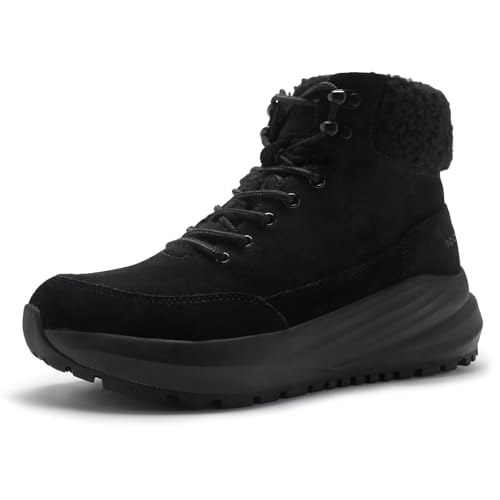
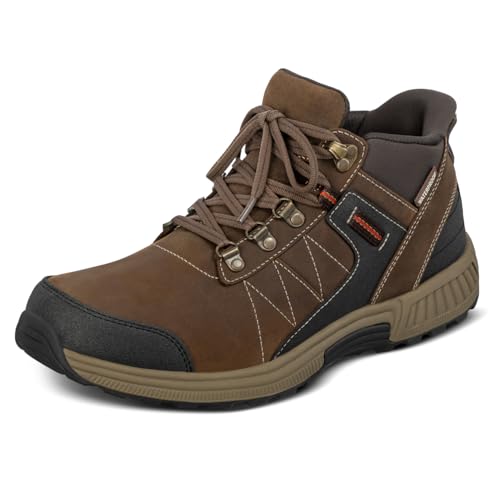
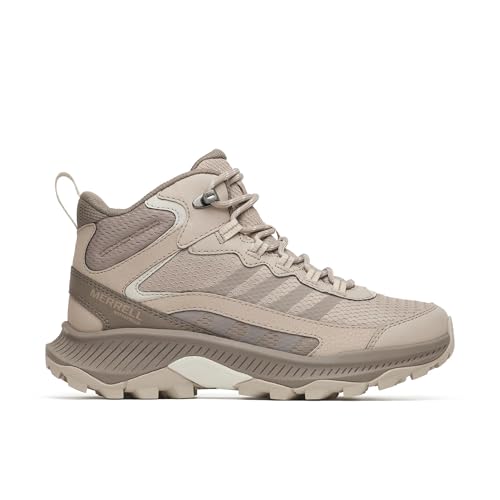
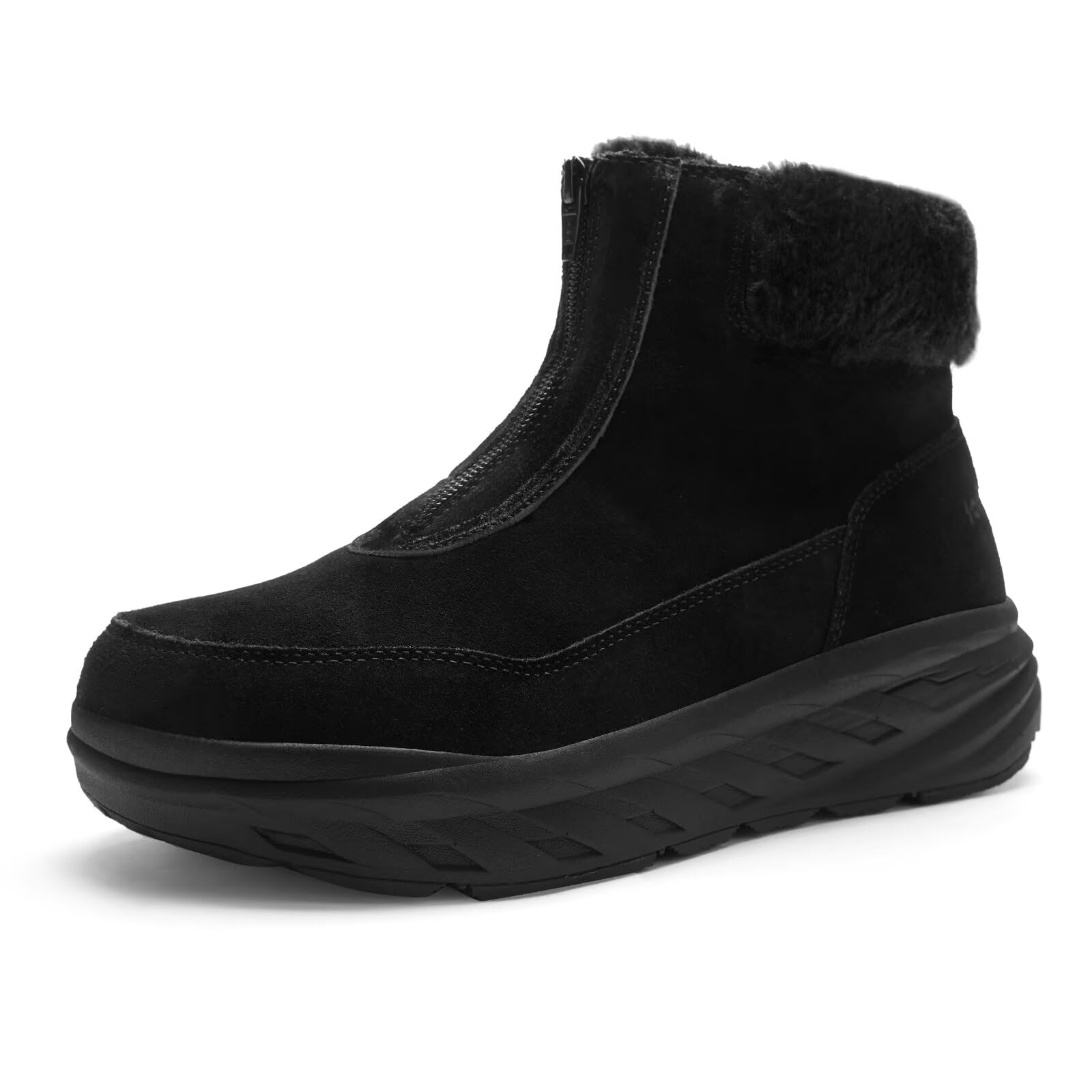
This guide starts with the basics, explains each spec in plain English, and then walks through fitting, first wear and upkeep. The comparison table below collects the shared options in one place, and the sections after it show you how to judge each pair against your own feet.




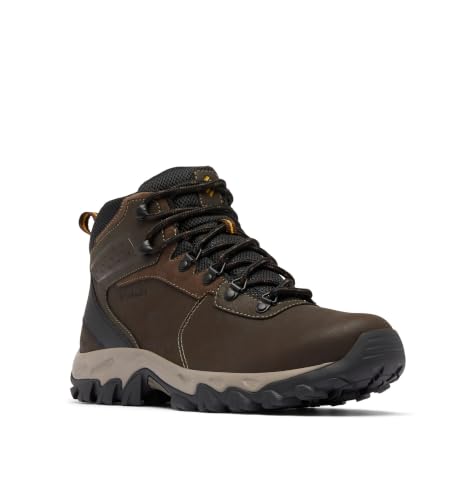
Boots 101: The Basics
A boot is a shoe that rises over the ankle, and that extra height matters here, because the collar and lacing give the boot more hold on the foot than a low shoe can. Three parts do most of the work for a rolling foot: the heel counter, the stiff cup at the back; the midsole, the cushioning layer under your foot; and the outsole, the tread that meets the ground. Shoppers sometimes meet the same support ideas in open footwear first, such as best sandals for overpronation, but a boot wraps and holds the whole foot.
One honest limit belongs at the start. A boot supports comfort only: it can make long walks feel steadier and less tiring, but it corrects no gait pattern, and no boot treats the way a foot rolls. Think of the boot as good equipment for your routine, not as a fix for your stride, and you will judge the options far more clearly.
Key Specs Explained in Plain English
Features That Matter for Overpronation
Two firm parts govern how much a boot lets your foot roll inward. A firm heel counter resists the sideways tilt of the heel at each step, and a stiff sole that refuses to twist easily keeps the whole boot from following the foot over. Squeeze the heel cup and try to twist the boot like a cloth before you buy; both should push back. If walking already brings pain along with the inward roll, see a clinician or a trained fitter before you buy, because pain paired with a gait change deserves a professional look rather than a product swap.
Cushioning and Support
Cushioning absorbs impact, while support controls motion, and the two are not the same job. Very soft midsoles feel kind in the shop but can let a rolling foot sink further inward, so look for a dual density midsole that feels firmer on the inner edge. Trail walkers wear this balance hardest, which is why best hiking boots for overpronation pair that firmer inner foam with a tread built for uneven ground.
Arch Support and Foot Type
Overpronation often travels with low arches, but not always, so check your own feet instead of assuming. A simple wet footprint test on dry pavement shows the story: a full, wide print suggests a low arch that benefits from a shaped insole, while a narrow print means your roll may come from ankle motion instead. Removable insoles are a plus for first time buyers, because you can swap in a more supportive pair later without replacing the whole boot.
Fit, Sizing, and Toe Box
Fit the boots late in the day, when your feet are slightly swollen, and wear the socks you plan to walk in. Your heel should sit deep in the counter with almost no lift as you walk, and your toes need about half an inch of clear space ahead of them. Shoppers comparing ranges built for women can also look at best women's boots for overpronation, since a narrower heel pocket there often holds a rolling heel more securely than a unisex last.
Break In Period and Comfort Out of the Box
Supportive boots feel firmer at first than the soft trainers most people are used to, and that firmness is the structure doing its job. Still, comfort should be acceptable from the first walk: no pinching at the toes, no heel rubbing, no pressure across the top of the foot. Stiffer models soften at the flex point over the first few outings, while the heel counter keeps its shape. If a boot hurts in the shop, a break in period will not rescue it.
Durability and Expected Lifespan
The support in a boot fades before the outside looks worn, because midsole foam slowly packs down and stops resisting the roll. Expect about 400 to 600 miles of walking from a cushioned boot before the support feels noticeably weaker, with leather uppers lasting longer than the foam inside them. Long shifts wear that foam fastest, so workers comparing best work boots for overpronation should plan on replacement by how the support feels, not by how the boot looks.
Rookie Mistakes to Avoid
- Choosing the softest boot on the shelf, because deep soft foam lets an inward rolling foot sink and tilt even further.
- Buying a size up to escape a firm heel counter, which gives the heel room to slide and makes the roll harder to control.
- Trusting the word stability on the box without squeezing the heel cup or twisting the sole to feel the structure yourself.
- Wearing brand new boots on the longest walk of the year, instead of building up distance over the first two weeks.
- Ignoring pain that keeps returning in the same spot, when a fitter or clinician should look at the foot before another purchase.
Getting Started: Your First Week in New Boots
Start with short, easy walks on flat ground, about thirty minutes at a time, and lace the boots snugly from the bottom up so the heel settles into the counter. Check your feet afterward for red spots, which warn you where friction will become a blister if you ignore it. Add distance every few days, and save hills or rough trails for the second week. At home, resting your feet in best slippers for overpronation keeps the same gentle support indoors while the boots air out.
Keep the insoles that came with the boots for the first month, even if you own another pair you like. Changing two things at once makes it impossible to tell whether the boot itself suits your stride.
Frequently Asked Questions
What features matter most in boots for overpronation?
A firm heel counter and a sole that resists twisting matter most, because together they limit how far the foot rolls inward at each step. Before you shop, look at the wear pattern on your current shoes: heavy wear along the inner edge confirms the roll and tells you support is worth paying for. A removable insole comes third on the list, since it lets you adjust the support later without buying a second pair of boots.
How should boots for overpronation fit?
They should hold the heel deep and steady, support the midfoot without squeezing it, and leave the toes free to spread. Bring any insole you already wear to the fitting, because it changes the room inside the boot and can turn a good size into a tight one. Walk the full length of the shop, turn sharply, and step down from a raised edge; the heel should stay planted through all three movements.
Can I wear boots for overpronation all day?
Yes, once they are broken in, supportive boots are built for full days of walking and standing. Build up to long wear over the first week or two, because your feet and calves need time to adjust to firmer structure. If you work on concrete, a midday lace retightening helps, since feet swell and laces relax as the day goes on. Soreness that fades overnight is normal adjustment; sharp pain in one spot is a reason to refit or seek advice.
How long is the break in period for new boots?
Most buyers feel settled in their boots after about one to two weeks of regular short walks. Lightweight fabric models adjust within a few outings, while stiff leather pairs can take closer to three weeks. The support parts, the heel counter and the midsole, do not truly break in; they hold their shape, and it is your feet and the upper materials that adapt. Plan the break in before any trip where long daily walks are the whole point.
Are expensive boots worth it for first time buyers?
For a first pair, the middle of the market usually gives the best value, at about $110 to $180. That band buys a real heel counter, a dual density midsole and a replaceable insole, which are the parts that matter for a rolling foot. Cheaper boots often skip the internal structure and rely on stiff looking styling. Premium pairs above about $200 add durability and finer leather, which pays off only if you already know you will wear boots weekly.
How often should I replace my boots?
Replace them when the support fades, which you will feel as a return of the inward roll and tired arches on walks that used to feel fine. A quick home check is to set the boots on a table and sight along the heel: a counter that leans inward is telling you the structure has given way. For most walkers this happens somewhere around 400 to 600 miles, sooner for daily work wear than for weekend use.
The Bottom Line
For your first pair, judge every boot by three things: a heel counter that pushes back when you squeeze it, a sole that resists twisting, and a fit that holds the heel without pinching the toes. Keep the honest limit in mind as well, because a boot supports comfort and steadiness, and ongoing pain belongs with a clinician rather than a checkout page. Match those checks to your routine, compare the shortlist with the product table above, and the best boots for overpronation for your feet will be the pair whose structure you verified yourself.