
Best Boots for Pipeline Work: A 2026 Checklist for Tough Sites
Disclosure: We may earn a commission when you buy through links on this page, at no extra cost to you. As an Amazon Associate I earn from qualifying purchases. Learn more

Compare the best boots for pipeline work by safety toe, grip, waterproofing and fit, with a buyer checklist, sizing tips and care advice for long site days.
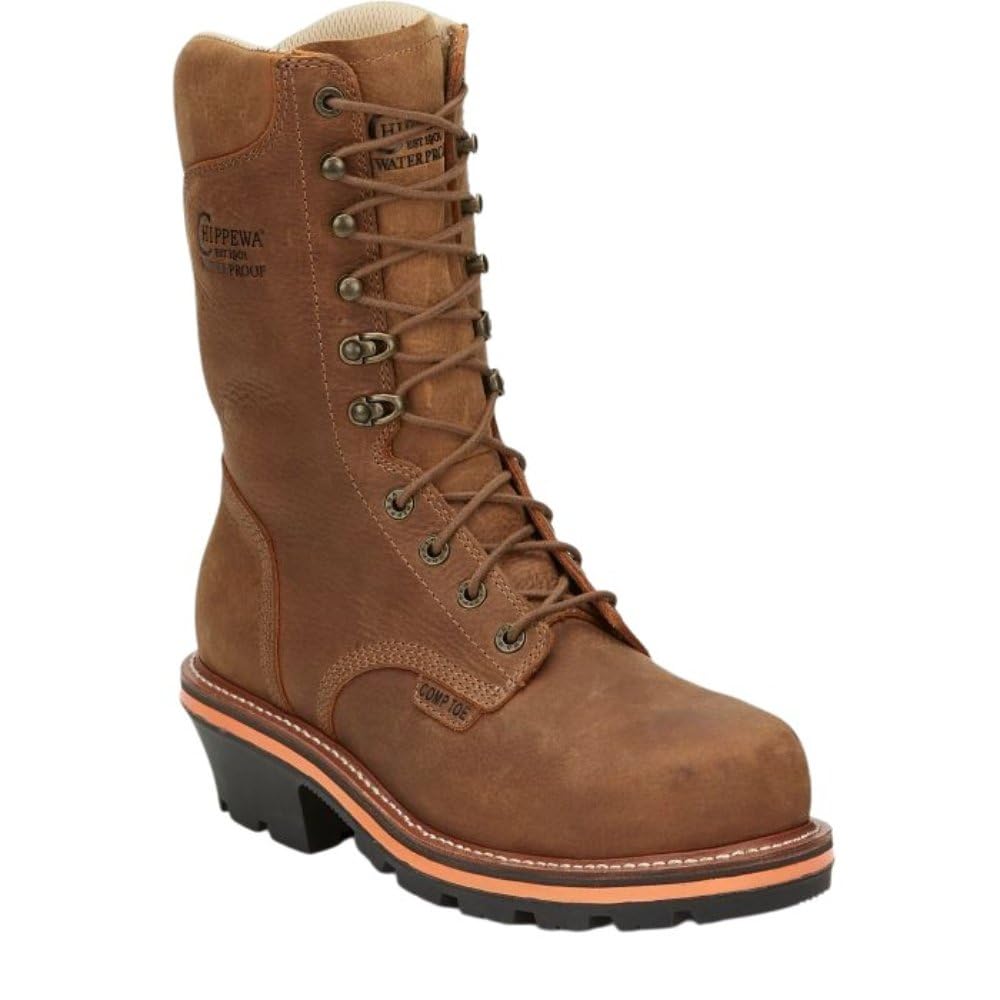
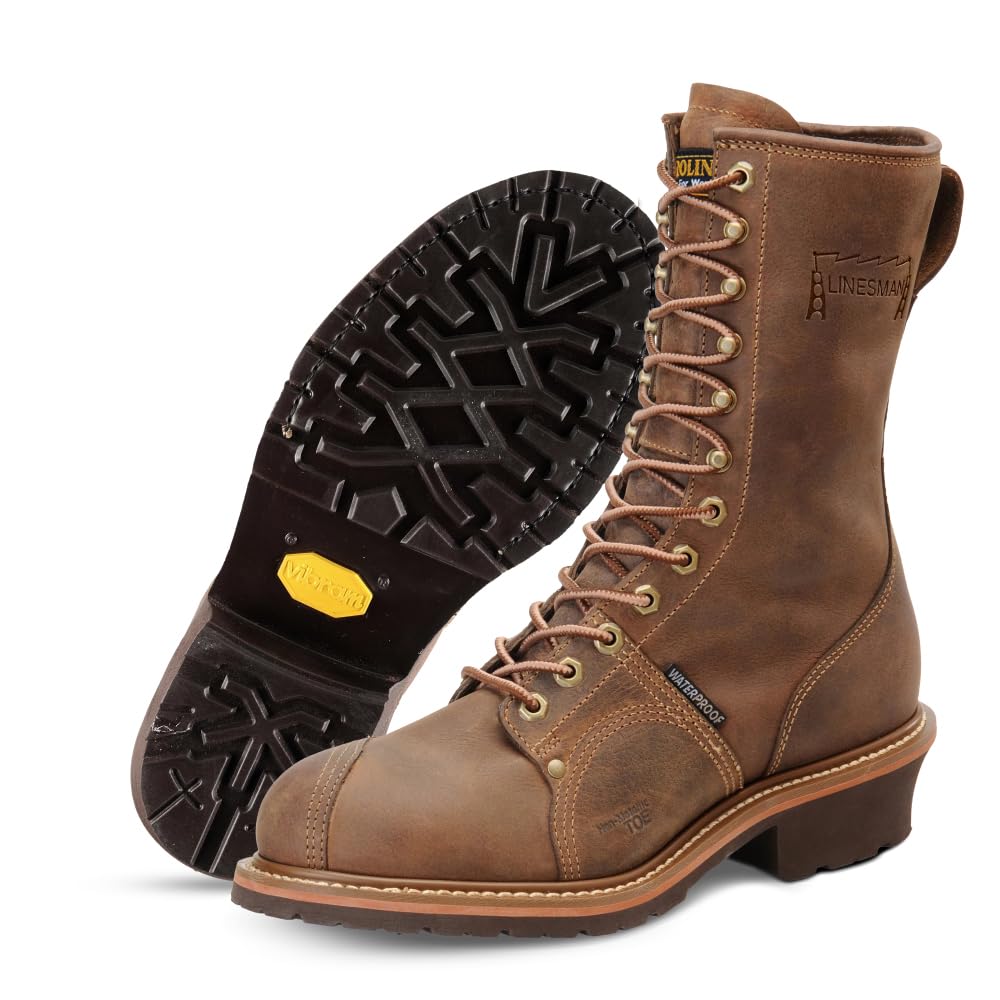
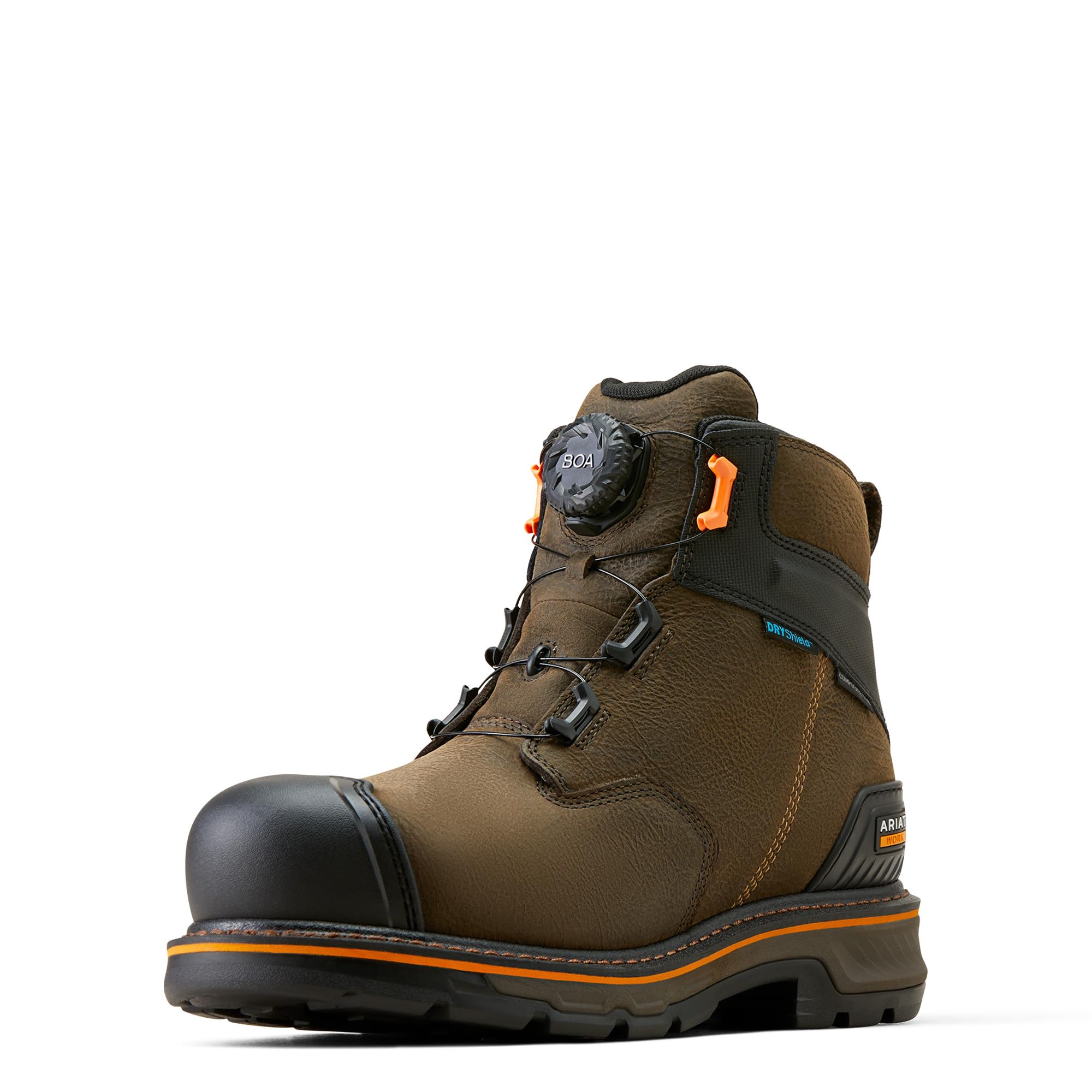
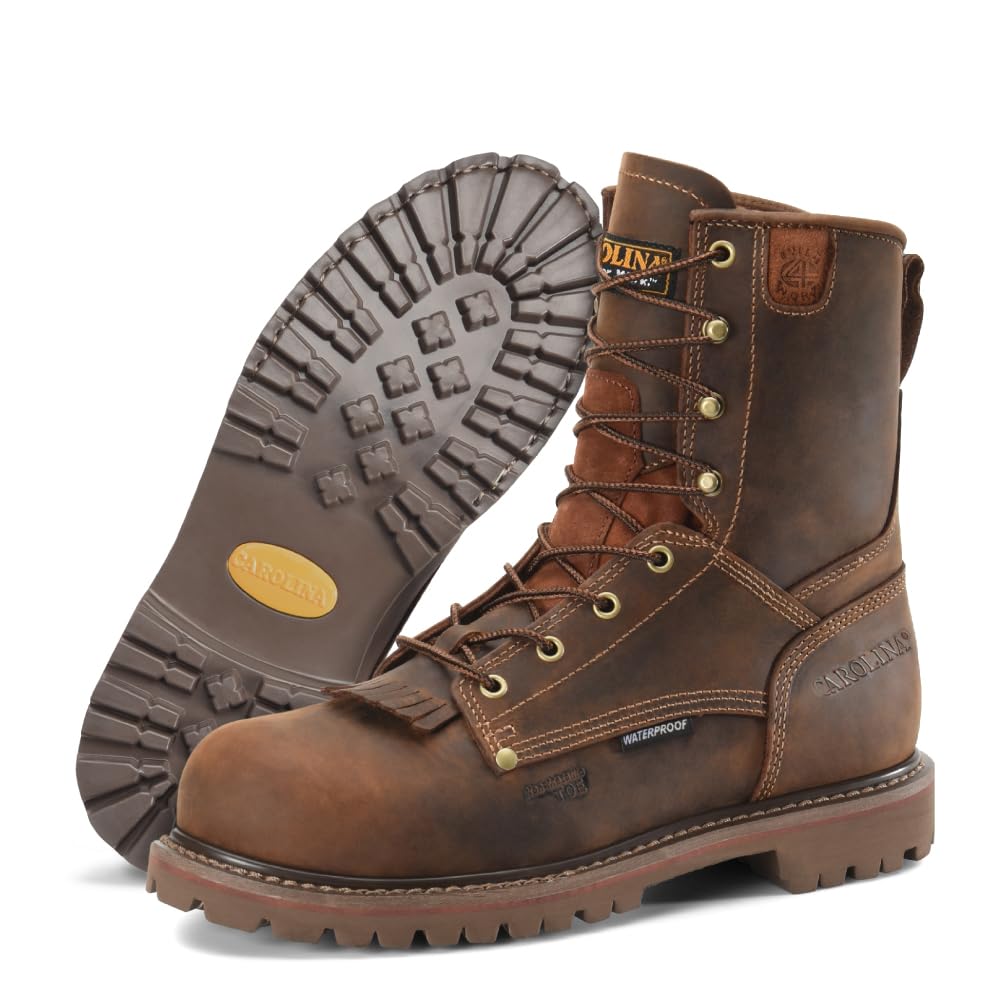
Pipeline days mix mud, standing water, loose gravel and long walks along the line. The best boots for pipeline work keep your feet protected and steady through all of it, without leaving you sore by midday. This guide turns site needs into a clear checklist, so you can judge any pair against the comparison table below.
Start with your crew rules and your usual ground. Your employer may require a rated safety toe, a set shaft height or electrical hazard protection. Your daily tasks then decide the rest, from grip in wet trenches to cushioning for long walks on uneven soil.





Who Should Buy Boots for Pipeline Work?
Pipeline work covers very different days, and the right boot changes with your job. A ground hand in a wet trench needs different support than an inspector who walks the line all day. For a broader starting point, see our guide to the best work boots and then narrow your choice below.
Trench and Ground Crews Working in Mud and Water
You stand in wet soil and climb in and out of trenches. Choose waterproof boots with a tall shaft, deep lugs and a snug collar that keeps mud out. A safety toe matters because dropped pipe and tools land close to your feet. Put grip and dryness ahead of light weight, since a soaked boot makes later hours harder.
Welders and Fitters Working Around Pipe and Sparks
You kneel, crouch and work close to hot metal, grinding sparks and heavy pipe. Choose leather uppers that resist sparks and abrasion, plus a metatarsal guard if your crew requires one. A flatter, stable sole helps you brace while fitting pipe. Keep laces tucked or covered near rotating tools.
Inspectors and Foremen Walking the Line All Day
You cover long distances on gravel and packed dirt, stopping to check joints and coatings. Choose a lighter boot with strong cushioning, steady arch support and a flexible forefoot. A composite toe can cut weight while meeting site rules. Breathable panels help on warm days, if the boot still sheds light rain.
Key Features to Compare
Compare each pair in the same order, starting with required protection and ending with comfort. The best boots for pipeline work pass the safety rules first, then earn their place by staying dry and comfortable all shift. Use the factors below as your scoring order.
Safety Toe and Guard Protection for Pipeline Boots
Most pipeline sites require a safety toe rated to ASTM F2413 for impact and compression. Steel toes handle heavy drops but add weight and feel cold in winter. Composite toes weigh less and suit metal detectors, while alloy toes sit between them. Some crews also need a metatarsal guard and electrical hazard protection underfoot. Confirm the rating your employer lists before you buy, because a boot without it can be turned away at the gate.
Outsole Traction on Mud, Gravel and Wet Steel
The outsole decides whether you stay upright on slick clay, loose gravel and wet pipe. Look for deep, widely spaced lugs that shed mud, with a firm heel breast for climbing out of trenches. Rubber compounds marked oil resistant and slip resistant grip better around fuel and grease. A shallow, worn tread may feel fine on concrete yet slide on wet soil, so judge tread by your worst ground.
Waterproofing and Breathability on Wet Pipeline Sites
Waterproof boots use a membrane, often Gore Tex or a similar layer, to block trench water while letting sweat vapor escape. That seal helps most when you stand in water for hours. The trade off is warmth, since a membrane boot breathes less than an open mesh boot on hot days. For mostly dry summer grading, a water resistant leather boot may feel cooler. Match the sealing to how often your feet get wet.
Fit, Sizing and Toe Box Room for Long Shifts
Feet swell during a long shift, so try boots late in the day in your work socks. Your toes should wiggle in the toe box without sliding forward on slopes, and your heel should stay seated as you climb. Many workers go half a size up for thick winter socks. Width matters as much as length, and our guide to the best men's work boots compares width options across common work styles.
Upper Materials and Durability in the Field
Full grain leather resists abrasion from brush, gravel and pipe coatings, and it molds to your foot with wear. Synthetic and knit uppers feel lighter and dry faster, but sharp rock and repeated kneeling wear them sooner. Check stitching at the toe and heel, since those seams take heavy abuse. A reinforced toe cap and heel counter extend life where you scuff most.
Cushioning, Arch Support and Ankle Stability
Long hours on uneven ground tire your feet, so midsole cushioning and arch support shape how hour ten feels. A heel to toe drop of about 8 to 12 mm suits most walkers, while flat feet need firmer support and high arches need more cushion. Removable insoles let you add the best inserts for work boots if the stock pair feels thin. A shaft of about 6 to 8 inches steadies your ankle on trench edges.
Quick Buyer Checklist for Pipeline Boots
Run through these questions before you order. Each no answer points to the section above that explains that factor.
- Does the safety toe carry the rating your crew rules require?
- Will the lugs grip your worst ground, such as wet clay or loose gravel?
- Is the waterproofing matched to how often you stand in water?
- Can your toes wiggle in the toe box in thick work socks?
- Does the shaft height steady your ankle on uneven trench edges?
- Is the upper tough enough for sparks, brush and pipe coatings?
- Can you swap the insole if you need firmer arch support later?
- Does the price, often about $120 to $280, fit the life you expect?
If you answered yes to the first six, the boot fits your site and your body. The last two help you plan upgrades and budget for a replacement.
Common Mistakes to Avoid
These errors cost pipeline workers comfort, money and sometimes a day of work.
- Buying a boot without the rating your site requires gets you sent home at the gate.
- Choosing a smooth tread for mud leaves you sliding on wet clay and trench ramps.
- Sizing boots in the morning with thin socks leaves no room once feet swell by afternoon.
- Wearing one pair daily without drying time breaks down cushioning and cracks leather.
- Ignoring a loose heel fit causes blisters on long walks along the line.
- Picking smooth leather with no oil resistance makes the sole slick around fuel.
Care and Maintenance for Pipeline Boots
Knock off mud and rinse the outsole after each shift, then air dry the boots away from direct heat. Direct heat cracks leather and weakens glue, so patience protects the boot. Rotate two pairs if you work daily, giving each pair a day to dry and recover.
Condition leather when it looks dry or pale, and reproof it when water stops beading. Check lugs, seams and the toe cap each week, and dry insoles separately. Replace the pair when lugs wear smooth or the upper cracks at the flex point, since worn boots protect less. See a doctor or a foot specialist if you notice numbness, sharp heel pain or swelling that does not settle overnight, and talk with your clinician about support choices for your own feet.
FAQ
What features matter most in boots for pipeline work?
Site approval matters most, so start with the safety rating your crew requires. Grip on your worst ground and a kind fit at hour ten come next. One missed point is collar drainage, since water that enters over the top stays inside a sealed boot. A taller shaft solves that on deep mud days.
How should boots for pipeline work fit on swollen feet?
Boots for pipeline work should fit snug at the heel and roomy at the toes late in the day. Shop after a shift, not before one, so swelling is already present. Test a store ramp if you can, because toes that jam on a slope will bruise on trench ramps.
How often should you replace boots for pipeline work?
Replace boots for pipeline work when protection or grip fades, not on a fixed date. Many daily wearers get about 12 to 18 months from a pair. Press a thumb into the midsole, and if it feels dead and stays flat, support is gone. Keep a spare pair ready for that day.
Are expensive boots for pipeline work worth the cost?
Expensive boots for pipeline work can be worth the cost if the extra money buys a better membrane and tougher leather. Those gains matter most on wet sites. For seasonal or mostly dry work, a mid priced boot around $120 to $180 may serve just as well. Spend first on fit and the required rating, then on durability.
How long is the break in period for boots for pipeline work?
The break in period for boots for pipeline work usually runs about one to two weeks of wear. Stiff leather softens at the ankle and forefoot first. Wear new boots on light duty days first, and carry your old pair as backup. Pain that sharpens instead of easing means the fit is wrong, not that you need more time.
Do you need waterproof boots for pipeline work?
You need waterproof boots for pipeline work if you stand in trenches, cross streams or work through steady rain. On dry grading, a breathable boot may serve better and cost less. Seasons matter too, since a spring membrane boot may feel hot by August. Some crews keep one sealed pair and one vented pair.
Our Verdict
Put site approval first, then grip, then fit that lasts a full shift. Those three checks remove most poor choices before price matters. Use the product table above to compare shaft height, toe type and price against your checklist answers.
When you choose best boots for pipeline work with those checks in mind, you get a boot that protects at the gate and still feels steady at the last walk. Pick the pair that matches your ground and your crew rules, and keep it dry and inspected.


