
Best Boots for Pilots: Guide to Comfort and Grip in 2026
Disclosure: We may earn a commission when you buy through links on this page, at no extra cost to you. As an Amazon Associate I earn from qualifying purchases. Learn more

Compare boots for pilots by pedal feel, grip on wet ramps, uniform fit, weight and support, with clear sizing and care tips for long duty days in flight.
A pilot boot has two workplaces at once. On the flight deck you need a slim toe that finds the rudder pedals by feel, and on the ramp you need grip on wet concrete during the preflight walkaround. The best boots for pilots handle both jobs while looking right with a uniform, and the comparison table below is easier to read once you know your priorities.
Start with how you actually fly. A pilot who walks long terminals and stands through boarding needs cushioning first, while a pilot who works cargo ramps in rain needs grip and weather protection first.


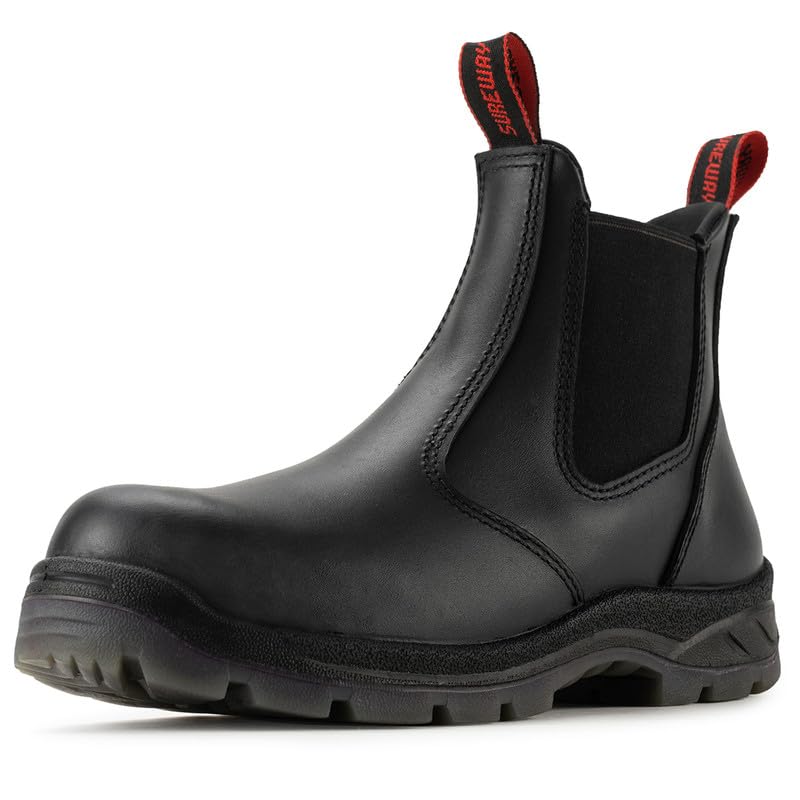

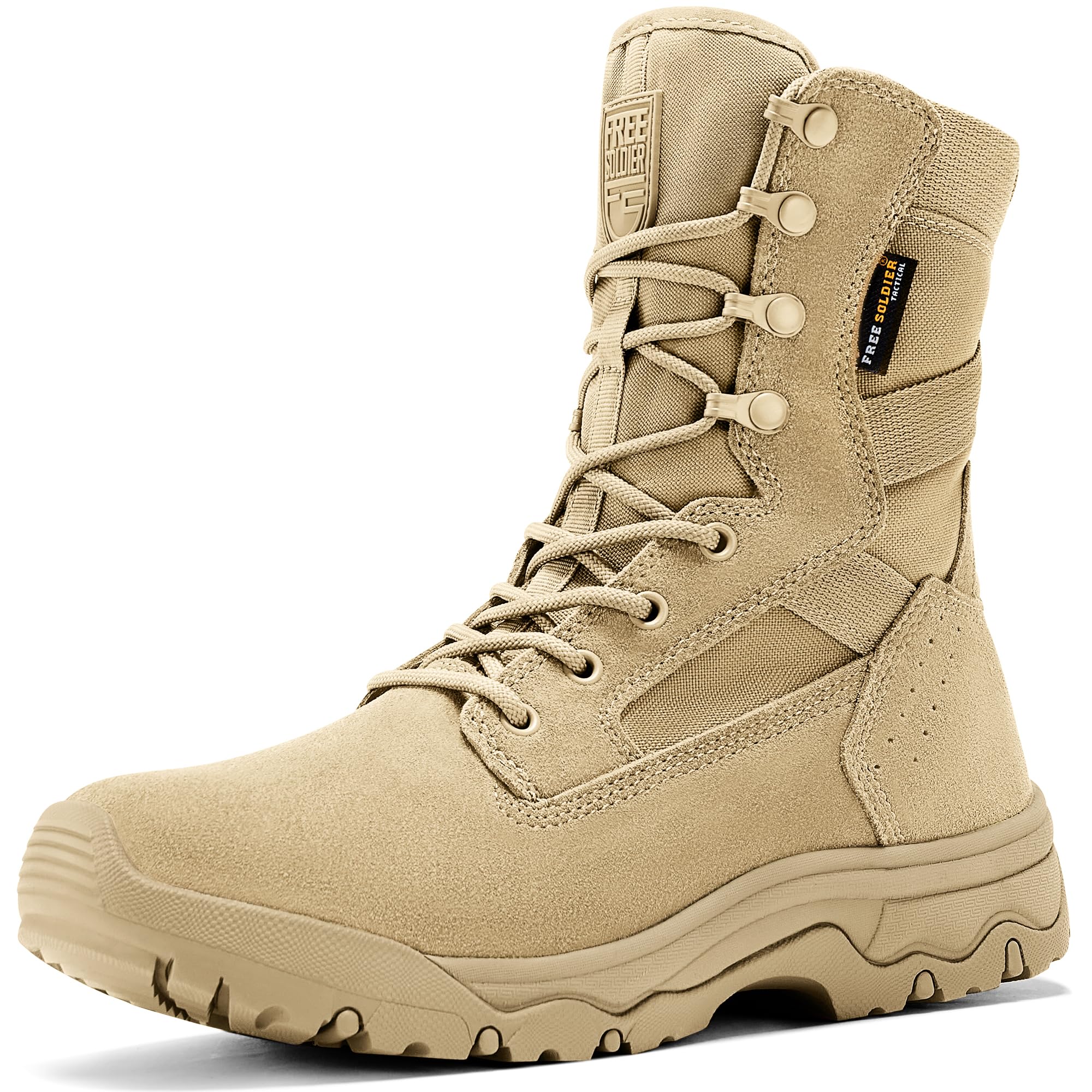
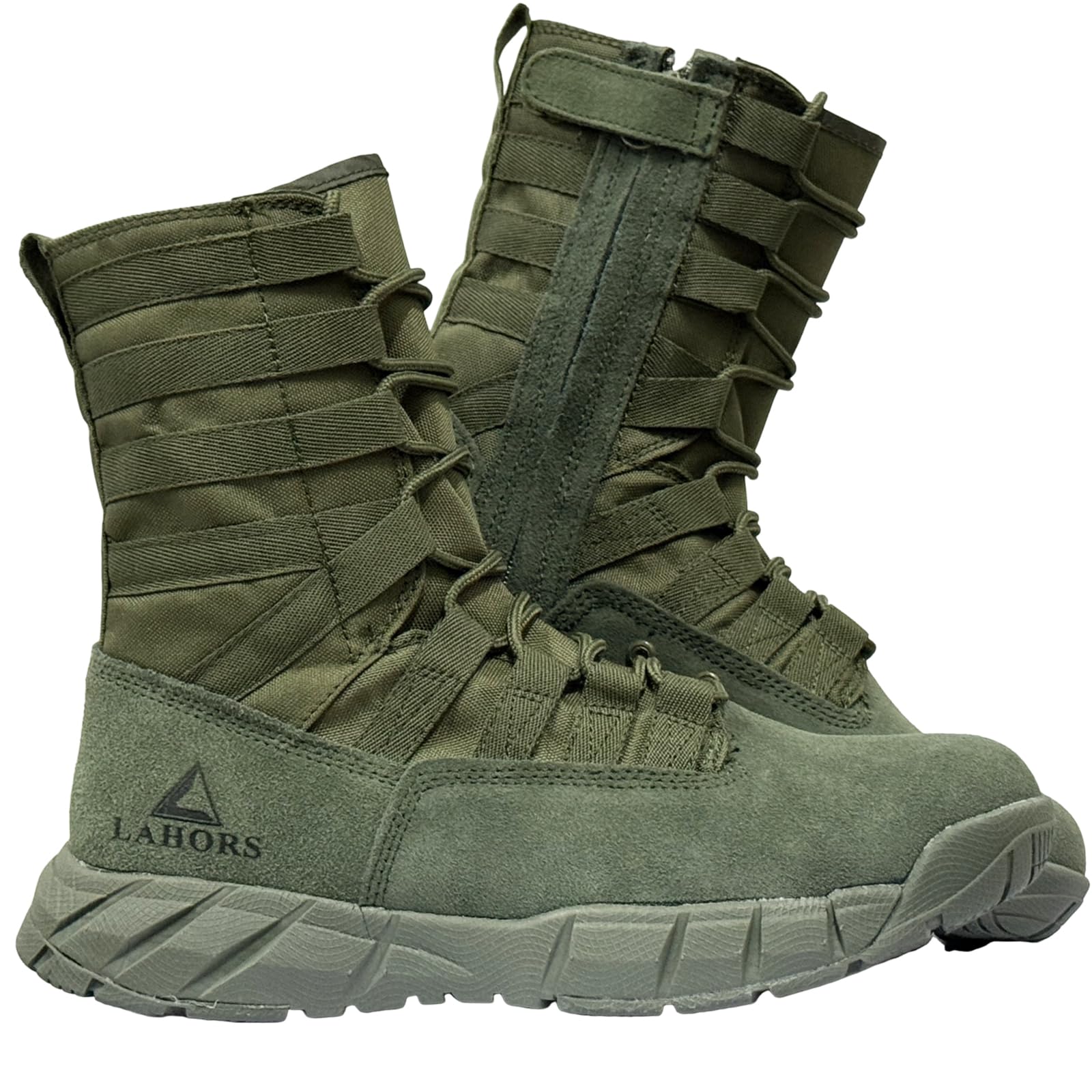

Who Should Buy Which Boots for Pilots?
Match the boot to your route pattern, your aircraft and your uniform rules.
Airline Pilots on Long Duty Days
You may walk a mile or more through terminals, stand during boarding and sit for hours between active flying. Choose a light boot with steady cushioning and a moderate heel to toe drop of about 8 to 12 mm, which keeps your calves from tiring as the day builds. A plain black leather upper that takes a shine satisfies most uniform manuals.
Charter and Corporate Pilots Who Load and Fuel
Your day mixes cockpit time with ramps, ladders, baggage and fuel hoses, often in weather the schedule ignores. Choose a boot with a grippy tread, a firm ankle collar and a waterproof membrane for wet mornings. You still need a toe that is not bulky, because pedal feel matters just as much in a small cockpit.
Flight Instructors and Bush Pilots on Rough Ground
You climb in and out of small aircraft all day and walk on gravel, grass and hangar floors that collect oil. Choose the tallest shaft you can wear comfortably, around 6 to 8 inches, for ankle stability on uneven ground. Grip matters more than a dress shine here, so pick a rubber outsole with wide grooves that shed small stones.
Key Features to Compare
When you compare the best boots for pilots side by side, work through the factors below in order. Pedal feel and screening come first, because a boot that fails either one is wrong no matter how good it feels.
Cockpit Fit and Pedal Feel at the Toe Box
Pedals reward a slim, low profile toe that can pivot and press with precision. A toe box that is too tall or too wide can catch the edge of a rudder pedal and dull the small inputs you make in turbulence or a crosswind landing. Try boots seated, with your feet at pedal angle, and check that each foot moves without the upper pressing the brake pedal beside it.
Outsole Grip on Ramps, Hangars and Wet Steps
The outsole meets painted concrete, metal stairs, deicing fluid and spilled fuel, often in the same hour. Look for rubber marked as slip resistant, with shallow, closely spaced lugs in the center for smooth floors and stronger edges for wet tarmac. Very deep hiking lugs can feel vague on pedals and track grit into the cockpit, so a middle ground tread suits flying best.
Uniform Rules, Polish and Screening Friendly Build
Most operators expect black boots with a plain toe, no large logos and a finish you can polish to a clean shine. Check your company manual before you buy, because some fleets ban safety toes while others require them for ramp duties. If you pass through crew screening often, a build made without metal parts, such as a composite shank and fabric eyelets, can save repeated extra checks.
Cushioning, Stability and Support for Long Days
Cushioning should absorb terminal floors without feeling soft in the cockpit. A firm foam midsole with a stable heel counter keeps your foot centered during long walks, while a removable insole lets you add your own support if your arches ache. Neutral cushioning suits most feet, and added stability helps if your ankles roll inward when you are tired. Judge support at the end of a trial walk, because weak support shows up late.
Upper Materials, Breathability and Weather Protection
Full grain leather polishes well, resists scuffs from rudder pedals and lasts through years of daily wear, but it needs a short break in period and weighs more than fabric options. Leather paired with mesh panels breathes better on summer ramps and dries faster after rain. Waterproof boots with a membrane such as Gore Tex keep socks dry during walkarounds in rain or snow, though they run warmer in the cockpit.
Weight and Flexibility in the Flight Bag
Every ounce rides with you through the terminal and around the hotel on layovers. Most pilot boots weigh about 1 to 1.5 pounds per boot, and the lighter end of that range eases tired legs on four day trips.
Types of Pilot Boots Compared
Three broad types cover most flying jobs, so match the type to your ramp work first.
Polished Dress Boots for Uniform Flying
Dress boots use smooth black leather, a plain toe and a neat shape that pairs with uniform trousers. They shine well and pass inspection easily. Their limits show on wet or rough ramps, where a smooth sole and thin lining offer less grip and warmth. If you prefer lower cut footwear for scheduled service, see our guide to the best shoes for airline pilots.
Duty and Tactical Style Boots for Mixed Ramp Work
Duty boots have a taller shaft, a padded collar and a grippier sole than a dress boot, so they suit pilots who fuel, load and walk rough ground between flights. Many pair polishable leather at the toe and heel with lighter fabric at the sides, which cuts weight and adds airflow. Check logos against your uniform rules, because some duty styles look too casual for airline work.
Insulated Waterproof Boots for Cold Weather Bases
Cold weather boots add insulation and a sealed membrane for pilots based where walkarounds mean snow, slush and standing water. They protect your feet during long preflight checks in wind and keep socks dry through a full day of turns. The trade off is heat during summer flying and extra bulk around the pedals.
Common Mistakes to Avoid
Most bad purchases come from judging the boot as ordinary footwear.
- Buying a wide hiking toe box leaves you pressing two pedals at once in a small cockpit.
- Choosing a smooth dress sole for ramp duties leaves you sliding on wet paint and metal steps.
- Ignoring your uniform manual leaves you with boots you cannot wear on duty at all.
- Picking a steel toe without checking screening rules leaves you removing your boots at every checkpoint.
- Sizing boots in the morning leaves them painfully tight when your feet swell on evening flights.
- Judging comfort while standing still leaves pedal pressure and ankle stiffness undiscovered until your first trip.
Care and Maintenance of Pilot Boots
Brush off ramp grit after each trip, because fine grit in the creases works like sandpaper on leather. Wipe salt and deicing residue off with a damp cloth in winter, then air dry the boots away from direct heat, which can crack leather and weaken glue. Polish smooth leather about once a week during heavy use to keep the uniform shine.
Loosen the laces fully before you pull the boots off, and hold the shape overnight with a boot tree or rolled paper. Rotate two pairs if you fly daily, since foam needs about a day to recover between duties. Check the outsole monthly for smooth worn patches at the heel and ball.
FAQ
What features matter most in boots for pilots who fly small aircraft?
Pedal feel and ankle freedom matter most in boots for small aircraft flying. Light aircraft cockpits sit you close to the pedals, so a slim toe and a flexible sole let you make fine rudder inputs without lifting your whole foot. Choose a collar that bends as you climb in, rather than a stiff shaft that fights the door frame.
How long is the break in period for leather pilot boots?
Most leather pilot boots soften over about one to two weeks of regular wear. Wear a new pair on short duties first, and save the long trip until the leather has shaped to your ankle. A small heel blister in the first days is common, but sharp pain at the toes means the size is wrong and will not improve with time.
Are expensive pilot boots worth the higher price?
Higher priced pilot boots are worth it when the extra cost buys a resoleable sole and better leather. Boots around $120 to $250 usually offer stronger stitching and insoles that last longer than pairs under $100. Paying more for fashion details adds nothing in the cockpit, so judge price against grip and screening friendly parts.
Can pilots wear flight boots for a full duty day?
Yes, pilots can wear flight boots for a full duty day when the fit is right. The real test is the final hour, so choose cushioning that still feels steady after long walks and a toe box that leaves room as feet swell slightly. Pack thin spare socks on multi day trips, because a fresh pair at midday makes a long duty feel far easier.
How often should pilots replace their duty boots?
Replace duty boots when the outsole turns smooth at the heel or the cushioning feels flat and hard. For pilots flying and walking daily, that point often arrives after about 18 to 24 months, though rough ramps can wear the upper out sooner. Keep an older pair as a backup, so a soaked boot never cancels your day.
Our Verdict
Put pedal feel first, grip second and uniform fit third, and most of the market sorts itself quickly. Airline pilots should lean toward polished, light boots with screening friendly parts, while ramp heavy pilots should accept extra weight for grip and weather protection. Use the product table above to check shaft height, sole type and weight.
The right best boots for pilots choice is the pair you forget about in the cockpit and trust on the ramp. Buy for your real duty pattern and break the pair in before a long trip.


