
Best Boots for Paving: A Budget Guide for 2026
Disclosure: We may earn a commission when you buy through links on this page, at no extra cost to you. As an Amazon Associate I earn from qualifying purchases. Learn more

Hot pavement and long shifts call for a thick, stable sole. Compare the best boots for paving by budget, heat protection, support and fit.
Paving boots can cost around $75 and can rise to about $250, and price alone does not tell you which pair will stay comfortable on hot asphalt through a long shift. Choosing best boots for paving comes down to matching heat protection, cushioning, stability, and fit to the work you actually do each week. This guide explains where extra money helps, where it does not, and how to read the comparison table below before you order.
You do not need the most expensive pair to protect your feet, but the cheapest pair often gives up the sole and support features that matter most on fresh pavement. Use the budget tiers and feature notes below to set a sensible spending range first, then narrow your choice by size, toe room, and the surface you stand on most.


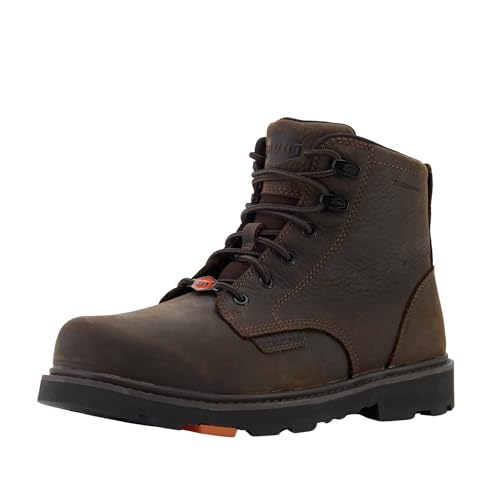

How to Shop by Budget Without Paying for the Wrong Things
Budget is a useful starting point only when you tie it to your schedule and your surface. A worker who paves driveways two days a month needs something different from a crew member who rakes and rolls fresh asphalt five days a week. Start with those two facts, and the right price range usually becomes clear.
Start With Your Work Surface and Shift Length
Fresh asphalt holds heat and stays unforgiving underfoot, so hours spent standing on it punish thin soles and soft midsoles quickly. If you mostly work on base layers, gravel, or cooled pavement, you can often spend less and still get enough protection. Note how many hours you stand, walk, and kneel in a normal shift, because that pattern tells you whether cushioning or sole stiffness should come first.
Match Spending to How Many Days You Pave
Occasional paving work can justify a lower spend, as long as the sole is thick enough and the fit is secure from the first wearing. Frequent paving work rewards a higher spend because small comfort gains repeat across hundreds of shifts and the boot has less time to recover between uses. If you rotate two pairs, each pair dries fully and often lasts longer in total service than one pair worn daily.
Where a Small Budget Increase Helps Most
The first useful upgrade is usually the outsole, since a thicker heat resistant compound and a flatter tread pattern spread load and resist softening on hot surfaces. The second is the midsole, where better cushioning and a firmer heel counter improve stability when you carry tools or guide a screed. Spend on those two areas before you pay extra for exotic leather treatments or decorative details.
For a focused look at surface specific needs, see our guide to the best boots for asphalt paving and compare how its sole notes line up with your own site conditions. That comparison helps you avoid buying a general work boot that was never designed around hot pavement at all.
What Your Money Gets You at Each Price Tier
Price tiers are not grades, and a higher tier does not guarantee a better fit for your foot. What changes with price is usually material quality, sole construction, and how much comfort remains after months of heat and standing. Read each tier below against your schedule rather than treating price as a shortcut.
Budget Tier: What to Expect
Budget boots often cost around $90 and usually offer a basic leather upper, a simple rubber outsole, and modest cushioning under the heel. They can suit occasional paving, short shifts, or a backup pair kept in the truck for unexpected callouts. Expect a shorter comfort window each day, since thinner midsoles tend to pack down sooner under steady standing.
The main tradeoff is durability under heat. Lower cost soles may wear smooth faster, and glued construction is harder to repair once the sole begins to separate at the toe or heel. Check return terms carefully, because fit problems show up fast and an easy exchange matters more at this level.
Midrange Tier: The Sweet Spot for Most Buyers
Midrange boots often cost about $160 and tend to add a thicker outsole, better arch support, and a more shaped footbed that holds up through full shifts. Uppers are often fuller leather with stronger stitching, and many pairs use construction that a local shop can resole when the tread wears down. For most paving workers, this tier balances daily comfort and service life without paying for extras they will never use.
Premium Tier: When Spending More Pays Off
Premium boots often cost about $250 and may offer denser sole compounds, richer leather, and lasts shaped closely around the heel and arch for long standing. Some add advanced waterproof membranes such as Gore Tex, although that benefit matters mainly for wet base work and early morning site conditions. The payoff shows up over many months as steadier support and slower wear, not as instant softness on day one.
Features Worth Paying For, and Ones to Skip
Feature lists can make two very different boots look alike on paper. The notes below separate the details that change your day on pavement from the extras that mostly change the price tag, and they show what the best boots for paving tend to share. Use the product table above to check which of these details each boot in your range actually includes.
Fit, Sizing, and Toe Box
Measure both feet late in the day, when they are at their largest, and while wearing the socks you plan to work in. Your heel should stay seated when you walk, your toes should not press the front, and the toe box should let your forefoot spread as you stand and push. Feet swell in heat, so a fit that feels snug in a cool store can feel punishing by midafternoon on asphalt.
If you fall between sizes, choose based on width and toe room first, then adjust with lacing and a suitable insole. A boot that is slightly roomy with thick socks usually works better for paving than a boot that starts tight. Never assume your sneaker size will match your boot size across brands.
Break In Period and Comfort Out of the Box
Leather paving boots often need several shorter wears before the upper flexes naturally at the ankle and forefoot. Wear a new pair for site errands and shorter tasks first, and keep your proven pair nearby until the new pair stops creating hot spots. Blisters, numb toes, or sharp pressure over the arch are not normal break in signs and point to a fit problem instead.
Durability and Expected Lifespan
On paving work, lifespan depends more on heat exposure, rotation, and cleaning habits than on any single material claim. A well kept pair worn on rotation may serve through many months of regular shifts, while the same pair worn daily on fresh asphalt can wear its tread smooth much sooner. Look for stitching that is even and protected, leather without thin soft spots, and a sole edge that is firmly bonded all around.
Crews who want a broader view of jobsite demands can also see our guide to the best work boots for asphalt paving for context on toe protection and shaft height choices. Those details matter when you work near pavers, rollers, and hand tools throughout the day.
Features That Matter for Paving
The outsole matters most, because a flat or lightly patterned tread makes full contact with pavement, sheds less hot material into deep grooves, and feels steadier under a rake or lute. Look for heat resistant rubber, a wide stable heel, and enough midsole thickness to insulate your foot from the surface below. A modest heel to toe drop suits most workers, since a very high heel can push weight forward during long standing.
Cushioning should feel firm and supportive rather than soft and sinking, and arch support should match your foot shape so the boot does not fight your natural stance. Workers used to neutral shoes or lightweight shoes on lighter duties often prefer that firmer, steadier feel once they move to paving full time. Skip paying extra for heavy insulation in summer work, aggressive hiking style tread, or tall shafts you do not need, since each adds heat or stiffness without helping on flat pavement.
Long Term Costs to Factor In
The purchase price is only part of what a pair of paving boots costs you over its life. Replacement insoles, quality work socks, leather conditioner, and spare laces all add small but real amounts across a season. A resole can extend a good upper for a long time, yet it only makes sense when the leather and lining remain sound.
Factor in downtime as well. A failed sole during your busiest weeks can cost a shift or force a rushed replacement at full price, which erases any saving from buying cheaply. Rotating wear and cleaning hot mix off promptly lower your total cost more reliably than chasing the lowest sticker price.
FAQ
What features matter most in boots for paving?
A heat resistant outsole with a flat tread matters most, followed closely by firm cushioning, stability, and a toe box with room for swelling. Together those features protect you from surface heat and from the fatigue of standing on hard pavement all shift. One extra point worth checking is sole edge bonding, since heat and solvents attack the joint between sole and upper first.
How often should you replace boots for paving?
Replace boots for paving when the tread turns smooth, the midsole feels flat and dead, or the upper cracks deeply near the flex points. Those signs matter more than any calendar, because wear speed changes with heat, hours, and rotation habits. Also replace a pair after sole separation that returns after repair, since a loose sole on hot pavement is a safety risk.
How long is the break in period for boots for paving?
Most leather boots for paving settle in over one to two weeks of gradually longer wears. Synthetic uppers often need less time, although the midsole may still take several shifts to feel natural under your full weight. Speed the process by flexing the boot at home and wearing your work socks, but never use heat or soaking to force leather to soften.
Are expensive boots for paving worth the extra cost?
Expensive boots for paving are worth it when you pave daily and the higher price buys a denser outsole, better support, and resoleable construction. Daily wear spreads the cost across many shifts, so slower wear can make the total lower over time. If you pave only a few days a month, a sound midrange pair usually returns better value for the same protection.
Can you wear boots for paving all day?
Yes, you can wear boots for paving all day when the fit is right, the socks manage moisture, and you have broken the pair in before a full shift. Standing comfort also improves when you shift your weight often and change position during natural pauses in the work. If numbness, sharp heel pain, or burning under the forefoot appears most days, have the fit checked and talk with a clinician about persistent foot pain.
How should boots for paving fit?
Boots for paving should fit with a seated heel, firm midfoot hold, and clear space in front of your longest toe while you stand. Your toes need room to spread under load, and no seam should press across the top of the foot when you flex. Try both boots together late in the day, and walk on a hard floor rather than carpet to judge the fit honestly.
Final Thoughts
Set your budget by how often you pave, then spend first on the outsole, cushioning, and fit rather than on extras that add heat or weight. The tiers and feature notes above, together with the product table above, give you a clear way to compare value without guessing from price alone. When you choose the best boots for paving for your own schedule and surface, you get a pair that protects your feet now and still makes sense months from now.


