Best Boots for Paramedics by Budget: Smart Picks for 2026
Disclosure: We may earn a commission when you buy through links on this page, at no extra cost to you. As an Amazon Associate I earn from qualifying purchases. Learn more

Compare the best boots for paramedics at every price point. Learn what you get at budget, midrange, and premium levels and where spending more pays off.
Boots for emergency medical work span a wide price range, and the most expensive pair is not always the smartest buy for your shift pattern. Finding the best boots for paramedics starts with knowing what extra money actually buys, and where a lower price still covers the basics well. This guide breaks spending into three clear tiers so you can match cost to call volume, station duties, and hours spent standing on hard floors.
Use the comparison table below to see how current options line up on price, height, and closure style. Then read on for guidance on fit, support, waterproofing, and long term costs.


Who Should Buy Boots at Each Budget Level
Your role, schedule, and feet should drive the budget call more than brand names do. Each group below points to a different tier.
Students and New Medics Watching Every Dollar
If you are still in training or in your first year on the truck, a budget pair that fits well beats an expensive pair that pinches. You need a presentable black boot, decent grip on wet pavement, and enough cushioning for clinical rotations and ride alongs.
Full Time Field Paramedics on Long Shifts
Medics working twelve hour or twenty four hour shifts usually get the best value from the midrange tier. You lift, kneel, drive, and stand in hospital bays for long stretches, so support and cushioning protect your knees, hips, and lower back.
High Call Volume Crews and Supervisors
If you run call after call in all weather, or spend long scenes outdoors managing an incident, the premium tier starts to make sense. Better waterproof membranes, stronger leather, and more stable midsoles hold up under daily abuse that wears cheaper boots out fast. Premium spending only pays off when the boot fits well, though: an expensive boot in the wrong width will still hurt by hour six.
What Your Money Gets You at Each Price Tier
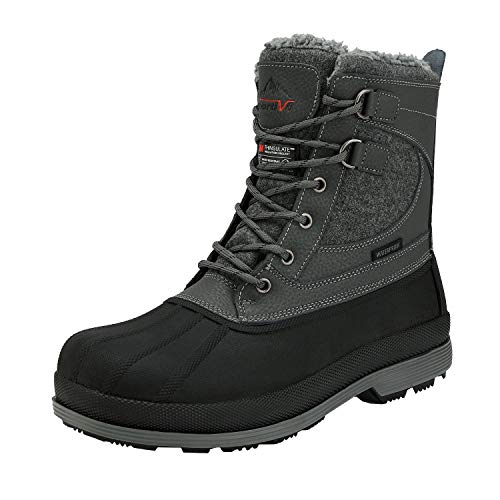
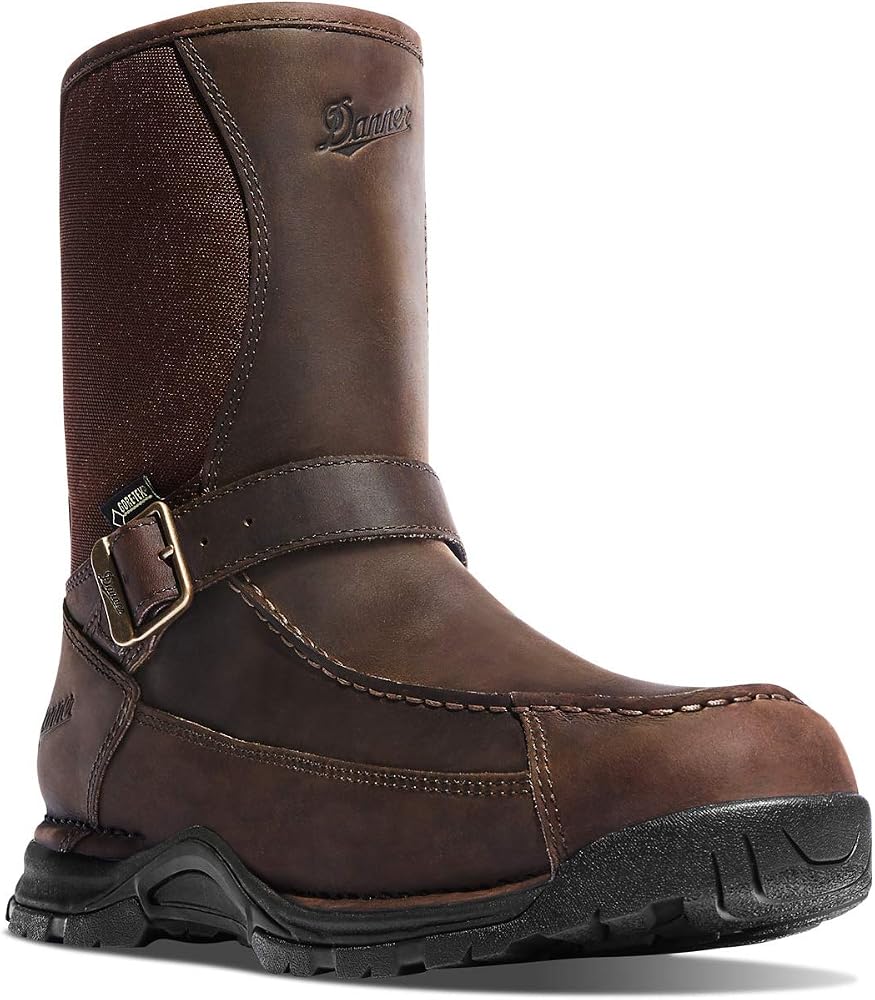
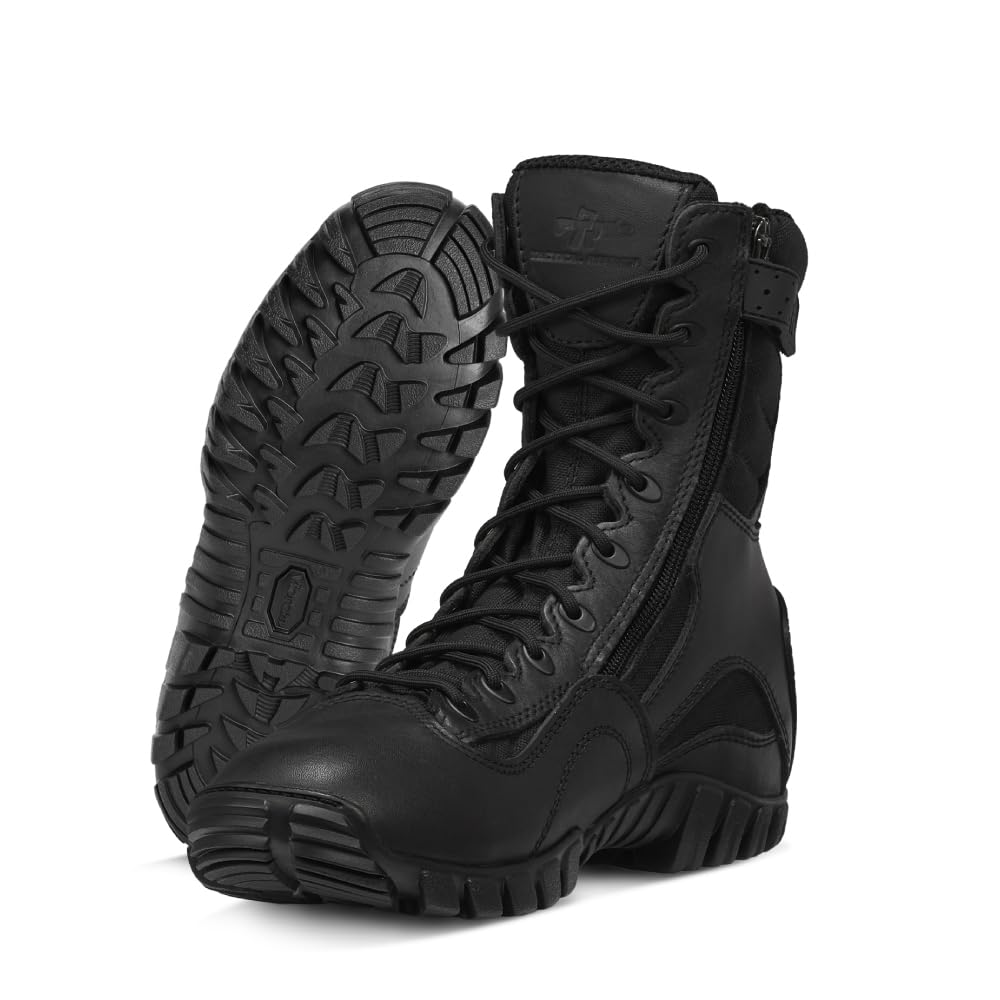
Prices in the United States move with sales and sizes, so treat the figures below as rough guides. As price rises, materials, membranes, and construction improve in ways you can feel late in a shift. When you compare the best boots for paramedics in the product table above, check which of these tier traits each pair actually offers.
Budget Tier: What to Expect
Budget boots usually run around $60, rising to about $100, and they cover the core needs: a black leather or mixed upper, a padded collar, and a rubber outsole with basic tread. Cushioning tends to be simple foam that packs down within months of daily use. Water resistance often comes from a coating rather than a true membrane, so heavy rain can soak through. For part time work, training, or a backup pair, that trade off is reasonable.
Midrange Tier: The Sweet Spot for Most Buyers
Midrange boots, about $100, rising to about $180, are where most full time paramedics land. This tier typically adds a real waterproof membrane, better arch support, a more shaped insole, and an outsole compound that grips better and wears more slowly. Uppers use fuller grain leather or stronger textiles that resist scuffs from stretchers and vehicle pedals. You also tend to get more width choices and half sizes here.
Premium Tier: When Spending More Pays Off
Premium boots, around $180, rising to about $280, put money into durability and comfort details rather than looks alone. Expect membranes such as Gore Tex, premium leather that shapes to your foot, and midsoles built for stability as well as softness. Some models add side zip entry, protective toe caps, and linings that manage odor and moisture across long shifts. This tier suits medics who are hard on footwear or work in harsh weather.
Features Worth Paying For, and Ones to Skip
Feature lists can make every boot sound essential. In practice, a handful of factors decide whether a pair works on shift. Spend on fit, grip, support, and weather protection first.
Break In Period and Comfort Out of the Box
Leather boots soften and shape to your foot over the first few weeks, while textile boots usually feel closer to final fit on day one. Neither is automatically better. What matters is planning: never debut a new pair on your longest shift of the month. Wear them around the station first, and watch for hot spots on the heel and toes, because those spots become blisters under load.
Fit, Sizing, and Toe Box
Measure both feet late in the day, when they are at their largest, and size to the bigger foot. Your toes should clear the front of the boot when you press your foot forward, since feet slide forward when you kneel and lift. A roomy toe box lets toes spread under a loaded stretcher, which improves balance and reduces numbness. Heel slip is the other fault to catch early: a heel that lifts clear with every step will rub raw on a busy shift.
Features That Matter for Paramedics
Paramedic work mixes driving, lifting, kneeling on gravel, climbing stairs with gear, and standing on slick hospital floors, sometimes within one call. That mix calls for a flexible forefoot for kneeling, a stable heel for lifting, and tread that sheds water instead of skating on it. Uppers should wipe clean easily, because boots meet fluids, road salt, and mud. Laces give the most even pressure and ankle control, while a side zip speeds up gearing up at night.
Arch Support and Foot Type
Arch support works with your foot type. Flat feet tend to roll inward as they tire, so a firmer arch and a stable heel counter help keep ankles and knees in line during lifts. High arches roll outward and absorb shock poorly, so those feet do better with more cushioning and a shape that fills the arch space. Neutral feet suit most standard insoles. If you use orthotics or store bought inserts, bring them when you try boots on, and check that the insole removes easily.
Weight and Flexibility
Every ounce on your foot gets lifted thousands of times per shift, so lighter boots reduce leg fatigue on stairs and long scenes. The trade off is protection: very light boots often use thinner uppers and softer midsoles that wear faster and support heavy loads less well. Heavier boots usually last longer and feel steadier under a patient lift. A moderate weight boot with a flexible forefoot and a firm heel suits most medics well. Heel to toe drop matters too, since a lower drop feels flatter under load while a higher drop shifts pressure toward the forefoot.
Features You Can Safely Skip
Skip paying extra for insulated linings unless you truly work in deep cold, because insulation makes boots hot through most of the year. Decorative stitching and fashion lug soles add cost without adding grip or support. Steel toe caps are worth checking against your service rules, too: many agencies do not require them, and a soft or composite toe often meets daily needs.
Common Mistakes to Avoid
- Buying by your sneaker size without measuring, which leaves toes cramped once feet swell during a long shift.
- Choosing fashion tread over real grip, which raises your fall risk on wet tile, wet pavement, and icy steps.
- Wearing brand new boots on a full shift first, which turns small hot spots into blisters that linger for weeks.
- Ignoring agency uniform and safety rules, which can leave you with a boot color, height, or toe type you cannot wear.
- Judging waterproofing by a product title alone, which misses whether the seams and tongue area are sealed as well.
- Keeping one pair in constant daily use with no rest days, which wears out cushioning and linings far sooner.
Long Term Costs to Factor In
The sticker price is only part of what a pair costs you. Insoles usually wear out before the boot does, so budget for a fresh set once or twice a year if you work full time. Work socks, leather conditioner, spare laces, and cleaning supplies add small but real amounts. Replacement timing is the biggest cost of all: a budget pair replaced twice in a year can cost more than a midrange pair that lasts the same period, so cost per shift beats cost per order. Check warranty terms before you buy, since coverage for seam failure varies a lot between brands.
How to Make Your Boots Last Longer
Care for these boots is simple but specific. Wipe down uppers after shifts that involve fluids or mud, following your service decontamination guidance, and let boots dry at room temperature away from direct heat, which cracks leather. Loosen laces and open the shaft fully so the lining dries, and remove insoles overnight when you can. Condition leather once it looks dry, using a protector suited to your membrane, because heavy waxes can block breathable membranes. Rest each pair at least a day between long shifts so the foam can recover.
Frequently Asked Questions
Can paramedics wear the same boots for a full shift?
Yes, paramedics can wear one pair of boots for a full shift when the fit and support suit their feet. The deciding factor is usually moisture: feet that stay dry stay comfortable, so many medics change socks partway through a twenty four hour shift even when the boots stay on. If your heels ache before mid shift, the cause is more often fit or worn cushioning than the hours themselves.
How often should paramedics replace their work boots?
Paramedics should replace work boots when support fades, not on a fixed calendar date. A useful check is to press a thumb into the midsole foam after the boot has rested overnight: if it feels flat and stays dented instead of springing back, the cushioning is largely done. For full time crews that point often arrives before the upper looks worn, so judge by feel and foot fatigue rather than appearance.
How should boots for paramedics fit at the toes and heel?
Boots for paramedics should fit with about a thumb width of space ahead of the longest toe and a heel that stays seated when you walk. One practical check is the stair test: climb and descend a flight of stairs while carrying a moderate load. Toes that jam on the way down signal a size or shape problem, and a heel that pops free on the way up will only get looser as the boot softens.
How long is the break in period for new paramedic boots?
The break in period for new paramedic boots usually runs about two to three weeks of regular wear for leather models. A smart schedule is to wear the new pair for station time and short calls first, keeping your old pair ready for long shifts until the leather softens. Tape over a known rub spot during this window can save you from a blister while the heel counter shapes to your foot.
Are premium boots for paramedics worth the extra cost?
Premium boots for paramedics are worth the extra cost when your call volume and weather actually use what the money buys. Judge by cost per shift: divide the price by the shifts you realistically expect from the pair, then compare across tiers. Medics who wear out budget boots in a few months often find the premium figure lower, while part time staff may never gain its durability.
Do paramedics need waterproof boots for everyday calls?
Paramedics benefit from waterproof boots for everyday calls because scenes rarely let you choose dry ground. Rain, wet grass, wash water at the station, and fluids on scene all find footwear quickly. One detail buyers miss is the tongue: a gusseted tongue, attached along its sides, stops water and debris from entering at the laces, so check for it rather than trusting the waterproof label alone.
The Bottom Line
Start with fit, grip, and support, then let your shift pattern pick the tier: budget for training and backup pairs, midrange for most full time work, and premium for high volume crews in rough weather. The product table above can help you compare heights, closures, and price levels before you order. Choose the best boots for paramedics for your own feet and calls, and the right pair will make every shift a little easier.